Engagement
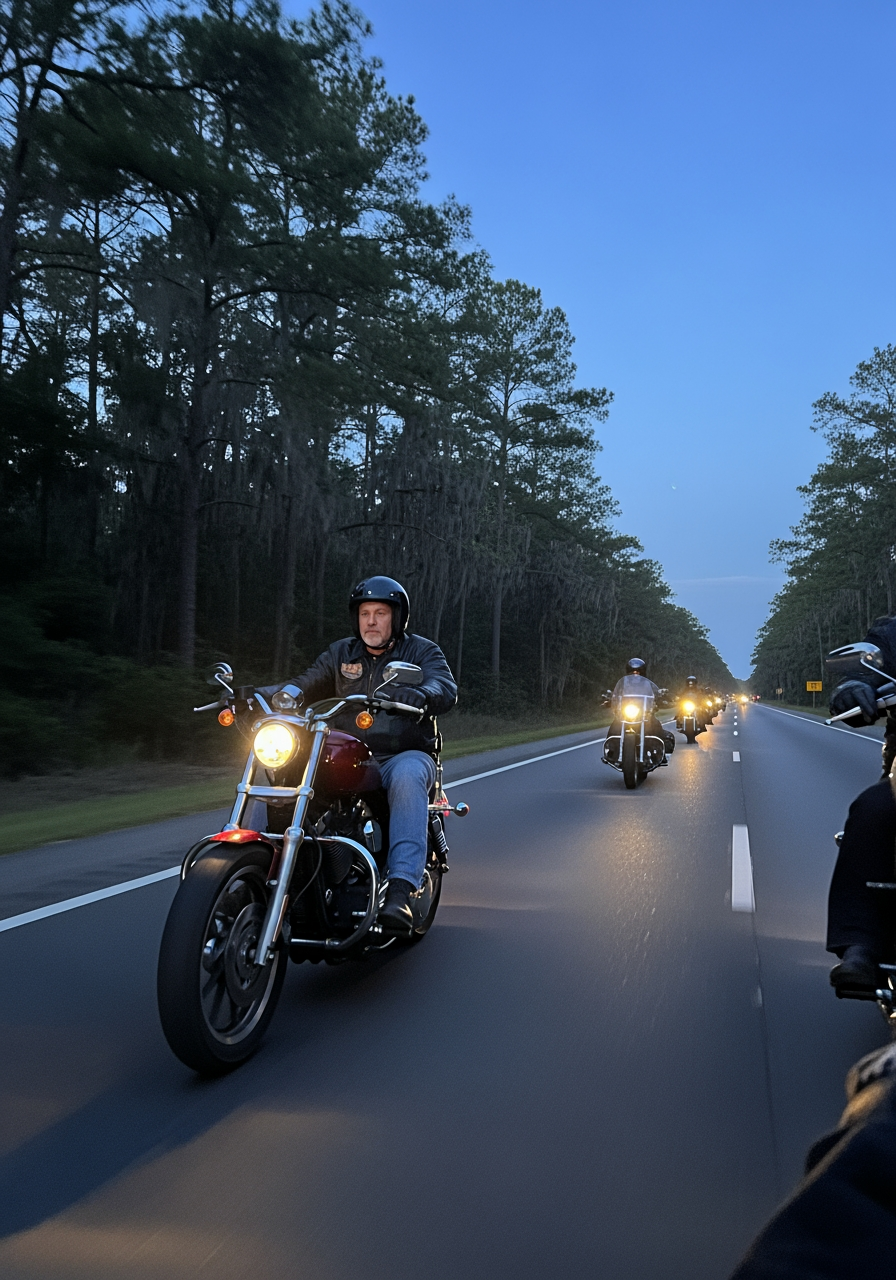
Settle it once and for all. Harley or Indian? Drop your pick below and tell us WHY. No fence sitting allowed. SC riders, represent your garage. RideNation wants the body count on both sides.
#RideNationColumbia #HarleyVsIndian #SCRiders #MotorcycleLife
Giveaway & Countdown
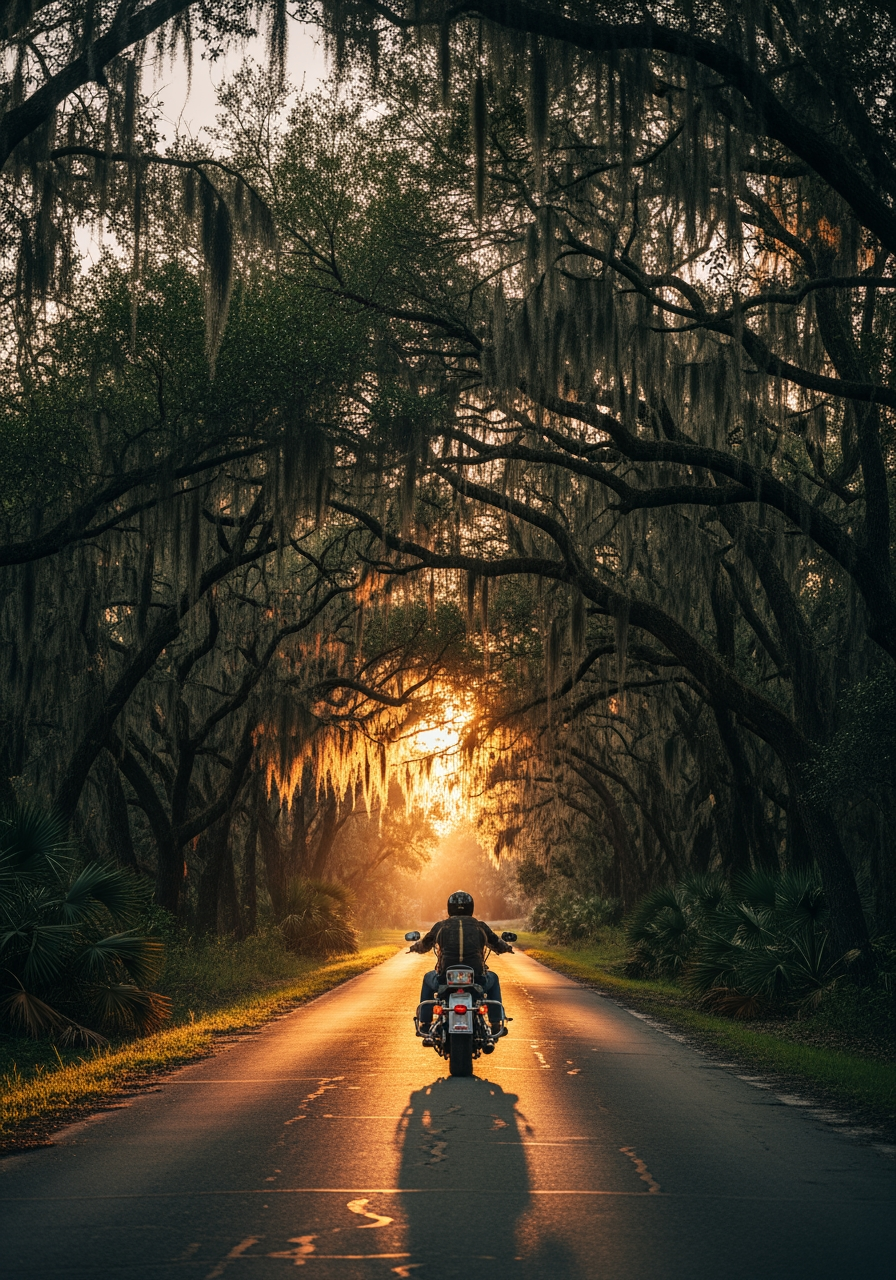
$20,000. One lucky South Carolina rider. Zero entry fee. The BikersWin giveaway is live and it is the easiest 30 seconds you will spend all year. Drop your dream bike in the comments and go get entered. Link in the comments. 🏝️🙏 #RideNationColumbia #BikersWin #MotorcycleGiveaway #SCriders
Local SC & Rides
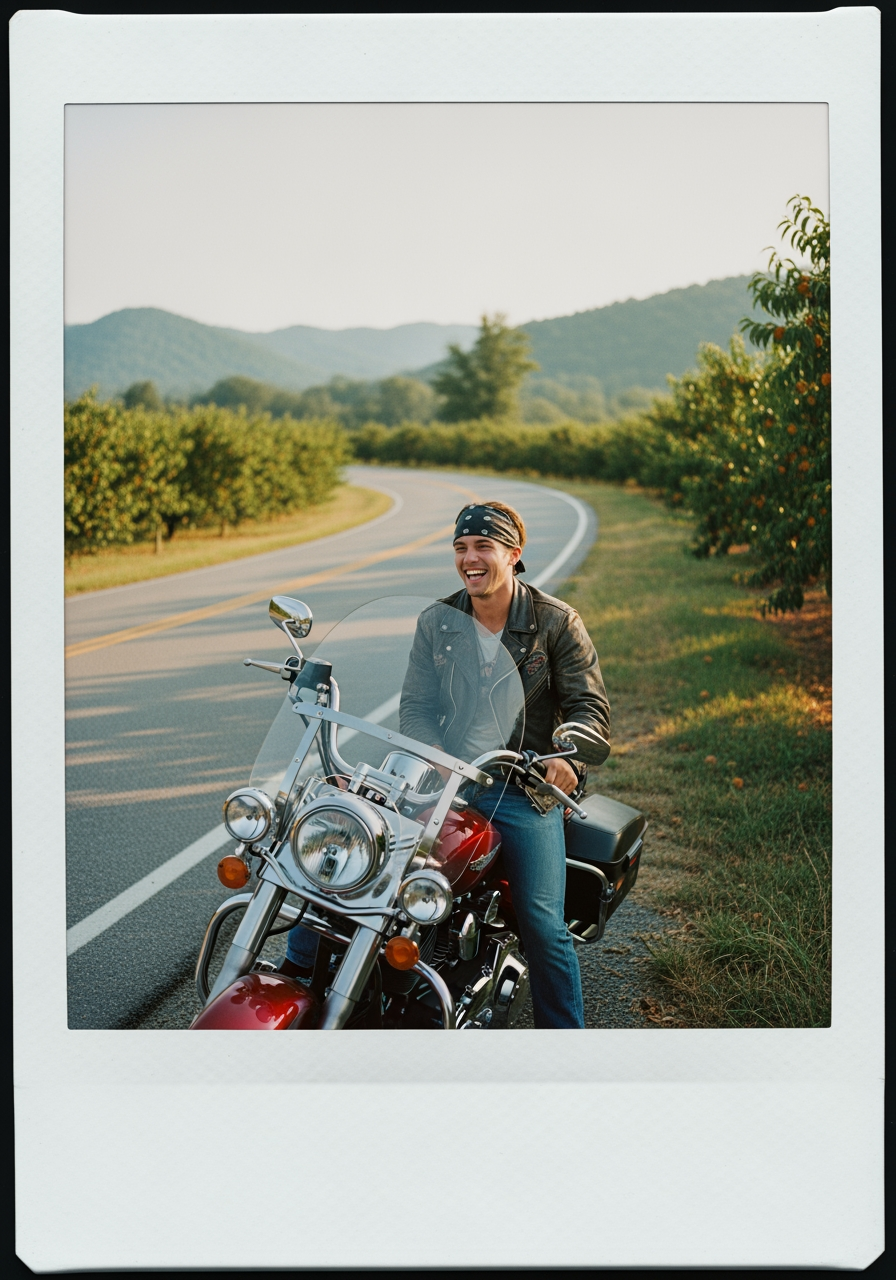
SC-11 hits different in the morning. The Cherokee Foothills Scenic Highway curves through the Blue Ridge foothills with peach orchards on one side and mountain ridges on the other. If you have not run it from Gaffney to Walhalla yet, fix that this season. Where do you stop for a break along the way? Drop your spot below.
#RideNationColumbia #SC11 #CherokeeFoothills #SouthCarolinaRiding
Gear & New Iron
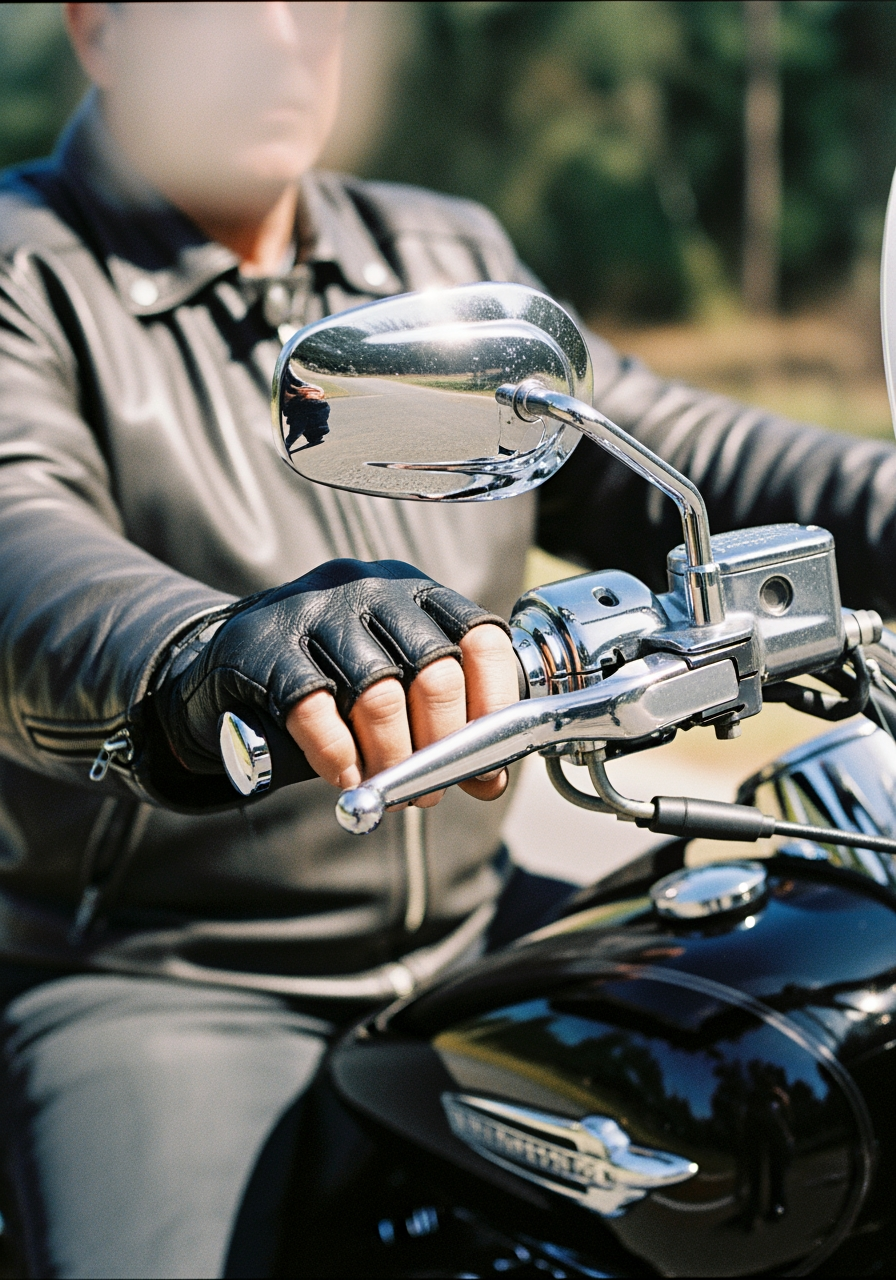
Your helmet has an expiration date and most riders ignore it. Five years from the manufacture date, then it retires. Period. The EPS foam slowly breaks down even if you never dropped it, and a degraded liner does not absorb impact the way it did out of the box. Check the sticker under the comfort liner for the manufacture date. If it is older than 2021, start shopping. Your skull is not the place to save money. When was your lid made? Drop the year in the comments.
#RideNationColumbia #MotorcycleGear #HelmetSafety #SCRiders
Safety & SC Law
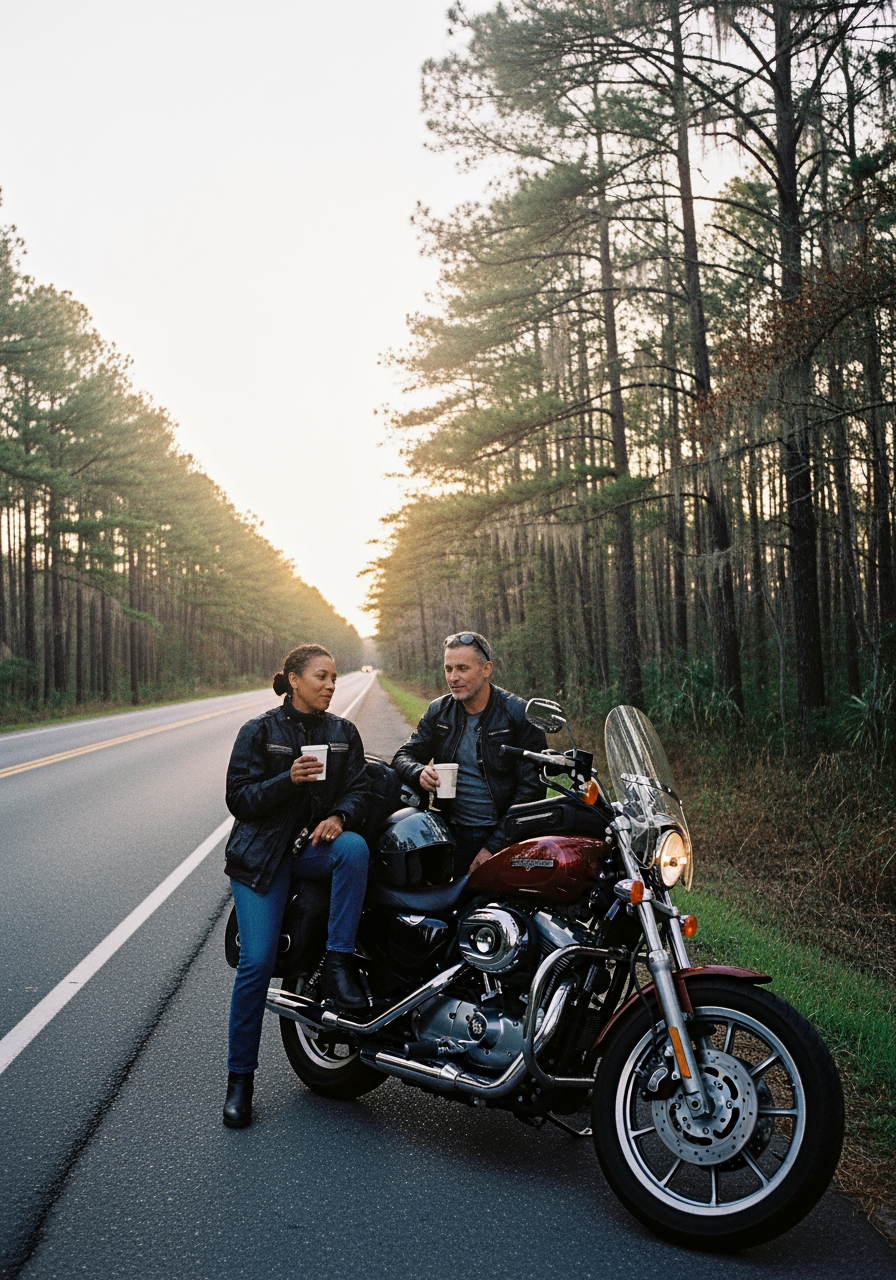
Quick gut check before you twist the throttle this weekend.
South Carolina requires every registered vehicle to carry at least 25/50/25 liability. That is 25k per person, 50k per crash, 25k property. Sounds like a lot until a hospital bill lands. Most riders carry the bare minimum and never think about it again.
Do not wait for a crash to learn your policy. Pull it up tonight and actually read it.
Questions about your coverage after a wreck? Michael Jeffcoat and The Jeffcoat Firm ride with us. Call (803) 200-2000.
#RideNationColumbia #SCMotorcycle #RideSafe #MotorcycleLaw
Engagement
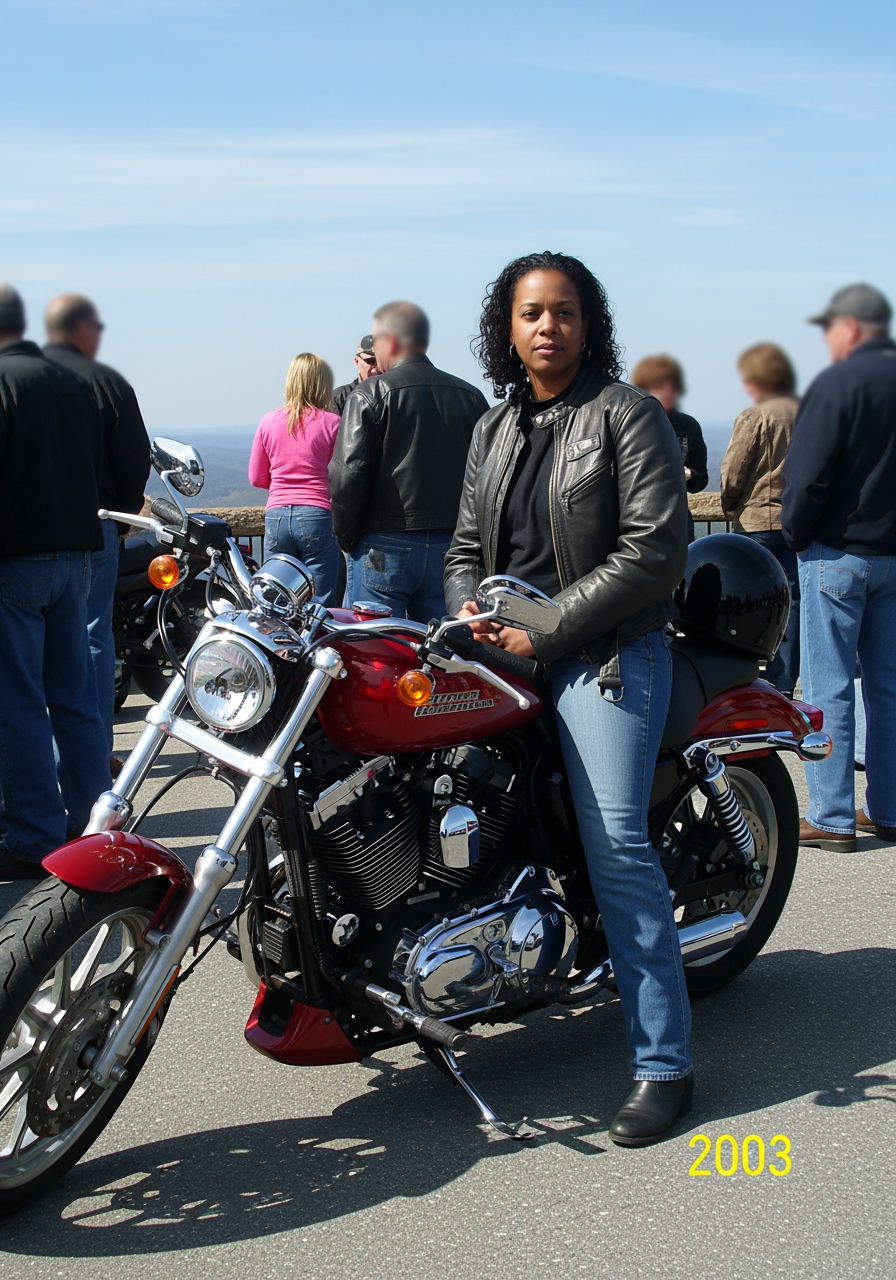
Caption this. One photo, infinite trouble. Best caption gets pinned and bragging rights for life. Go.
#RideNationColumbia #CaptionThis #BikerHumor #SCRiders
Giveaway & Countdown
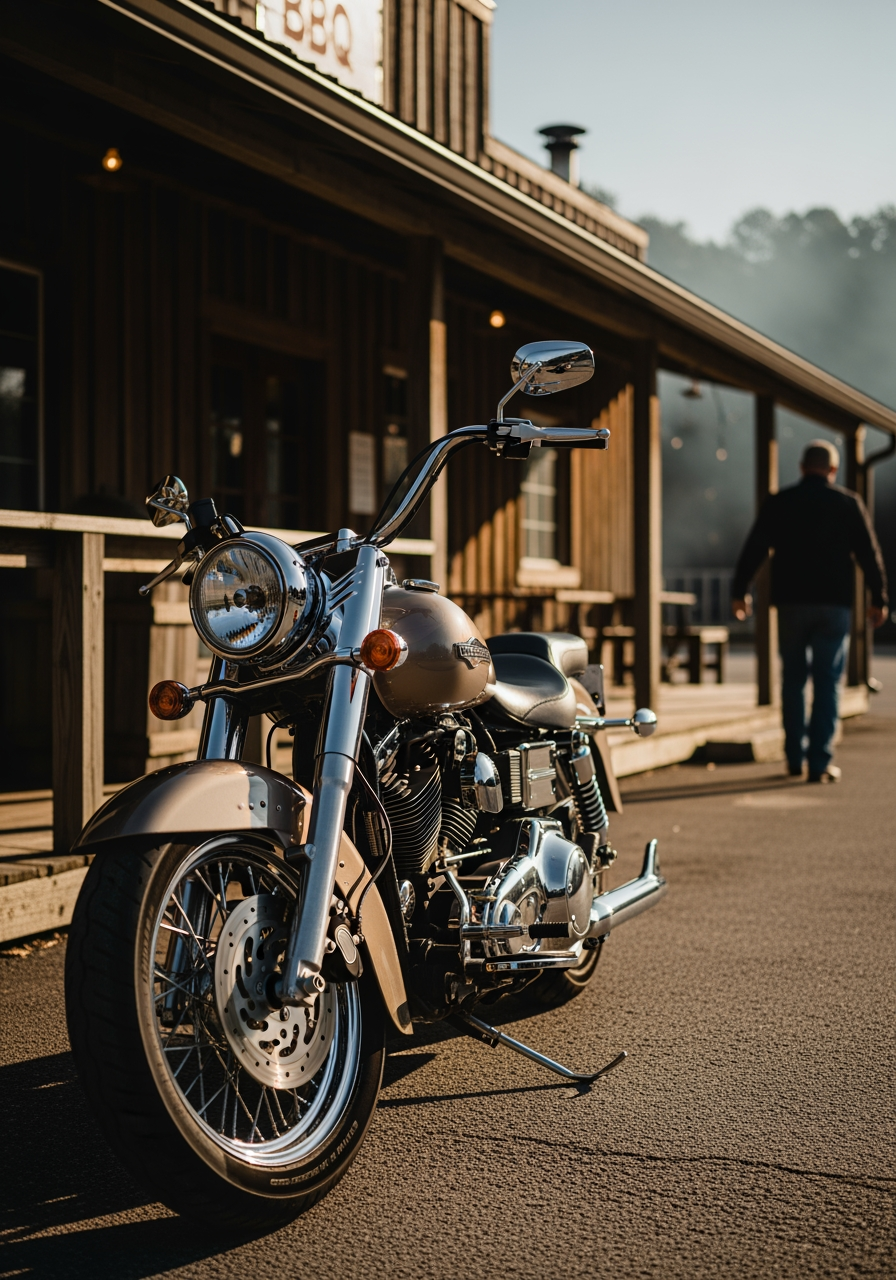
Imagine rolling out of the garage on a brand new bike you got for free. That is the BikersWin $20,000 giveaway. Free to enter, any bike you want, drawn December 10. Why not you? Link in the comments. 🚀 #RideNationColumbia #BikersWin #MotorcycleGiveaway #ColumbiaSC
Local SC & Rides
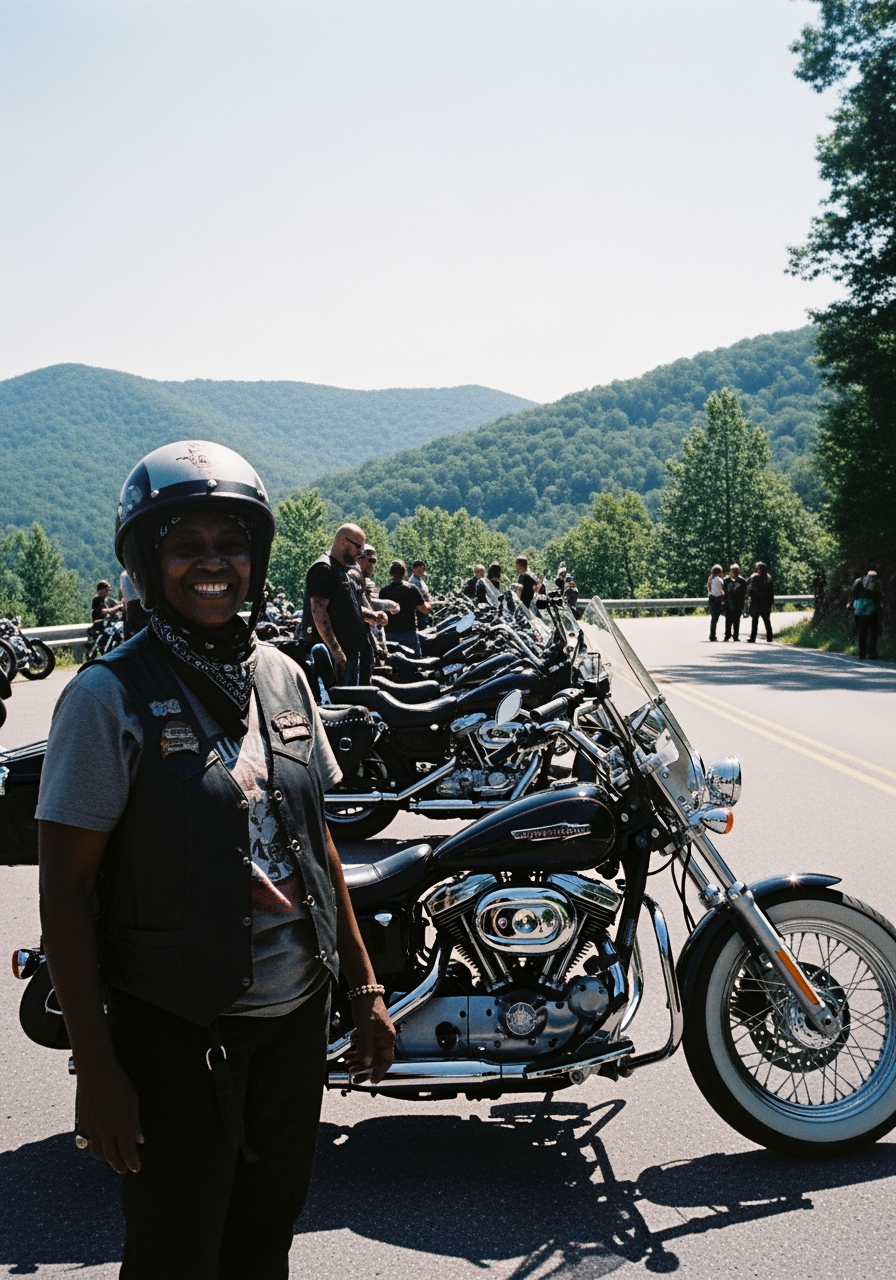
Lake Murray loop is the Midlands warmup nobody talks about enough. Easy throttle, water views, and just enough sweepers to wake you up before the long hauls. Perfect for a Sunday when you want saddle time without the whole day gone. Who rides the dam road regular?
#RideNationColumbia #LakeMurray #MidlandsRiders #SCRides
Gear & New Iron
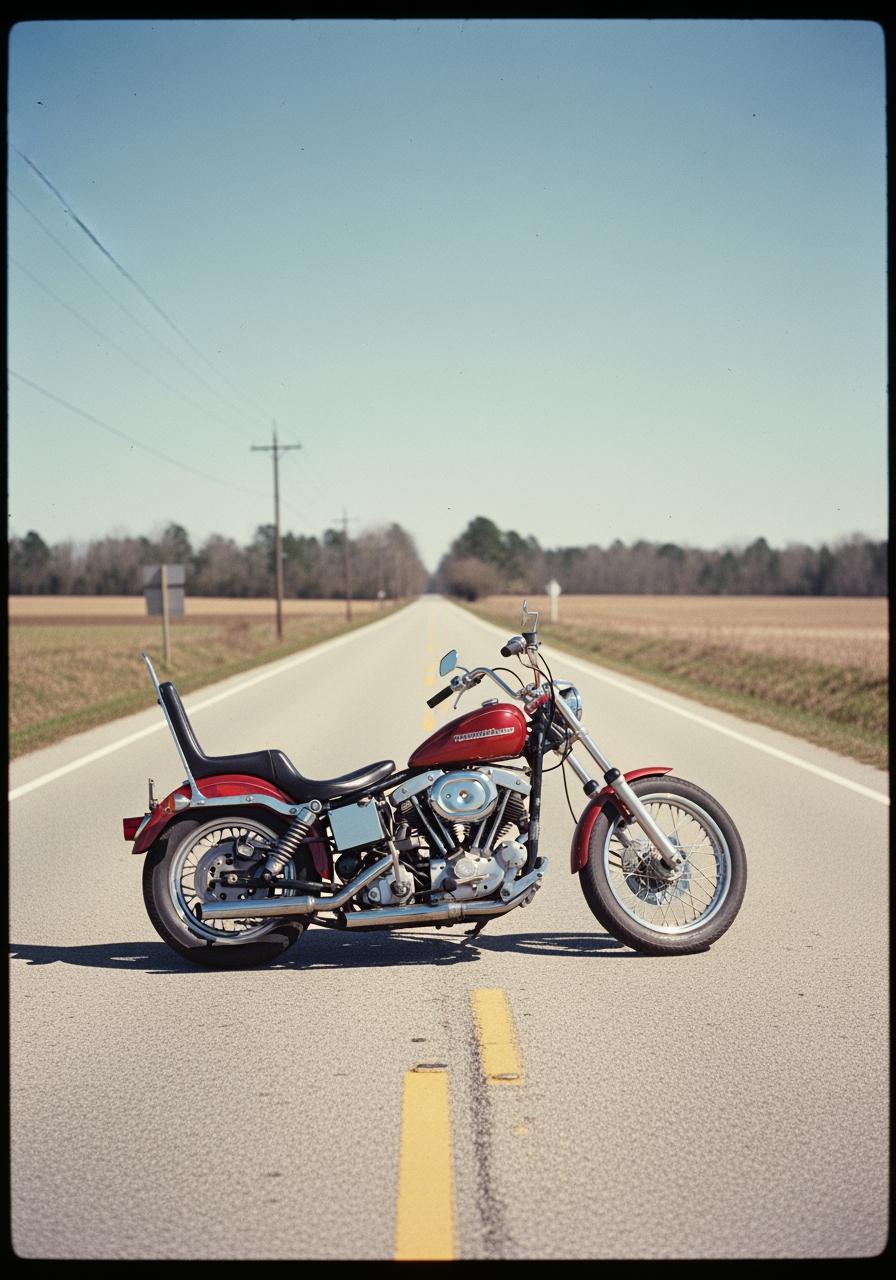
Mesh jacket season is here and the Midlands humidity does not play. If you are still sweating through a solid leather jacket in 95 degree heat, you are going to start leaving it home, and that is when you go down without it. A good CE rated mesh jacket with armor in the shoulders, elbows, and back gives you airflow AND protection. Abrasion resistance plus ventilation is not a compromise anymore. Stay armored, stay cool. What do you ride in when it hits triple digits around Columbia?
#RideNationColumbia #MeshJacket #SummerRiding #ATGATT
Safety & SC Law
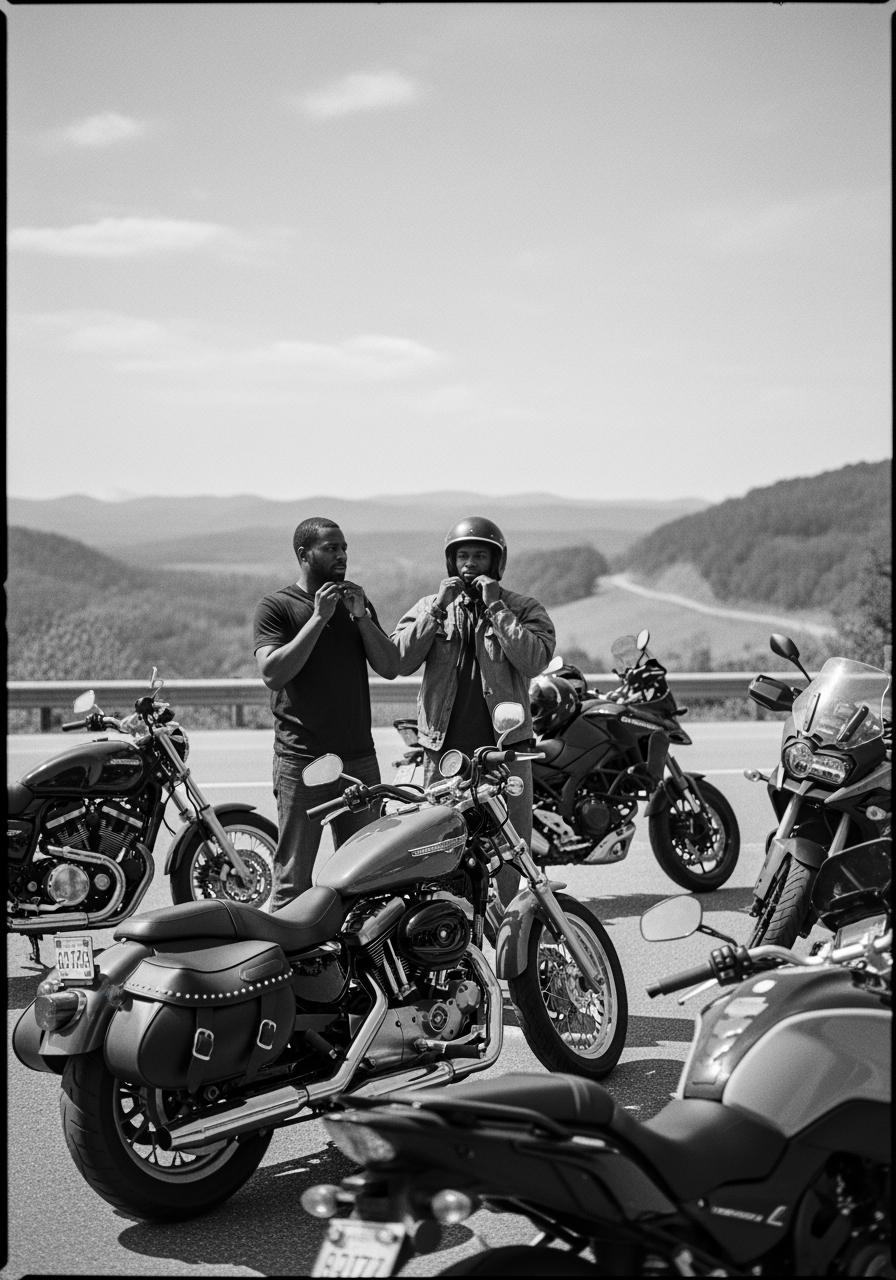
That UM line on your insurance is not optional in SC, and thank goodness.
Uninsured Motorist coverage is required by law here because too many drivers roll around with nothing. If one of them clips you and disappears, your own UM is what carries you. The state also forces insurers to OFFER you UIM (underinsured), and most riders wave it off without thinking.
Do not wave it off. UIM is cheap and it is the gap that saves you.
The Jeffcoat Firm has been fighting for SC injury victims since 1999. (803) 200-2000.
#RideNationColumbia #SCRiders #UninsuredMotorist #RideSafe
Engagement
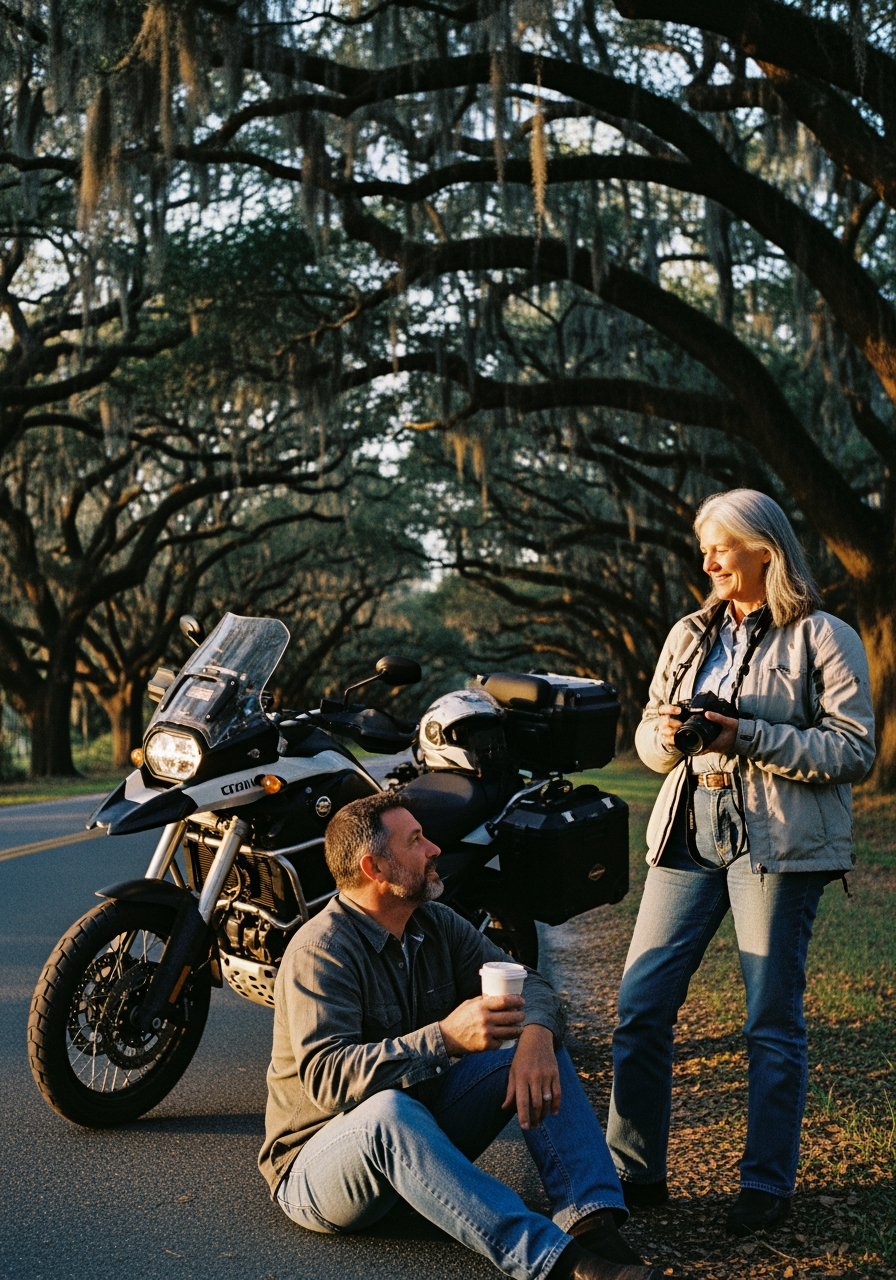
Would you rather ride 500 miles of perfect twisties with zero scenery, or 100 miles of the most beautiful coast with stoplights every block? Pick your poison in the comments.
#RideNationColumbia #WouldYouRather #SCRiders #RideOrDie
Giveaway & Countdown
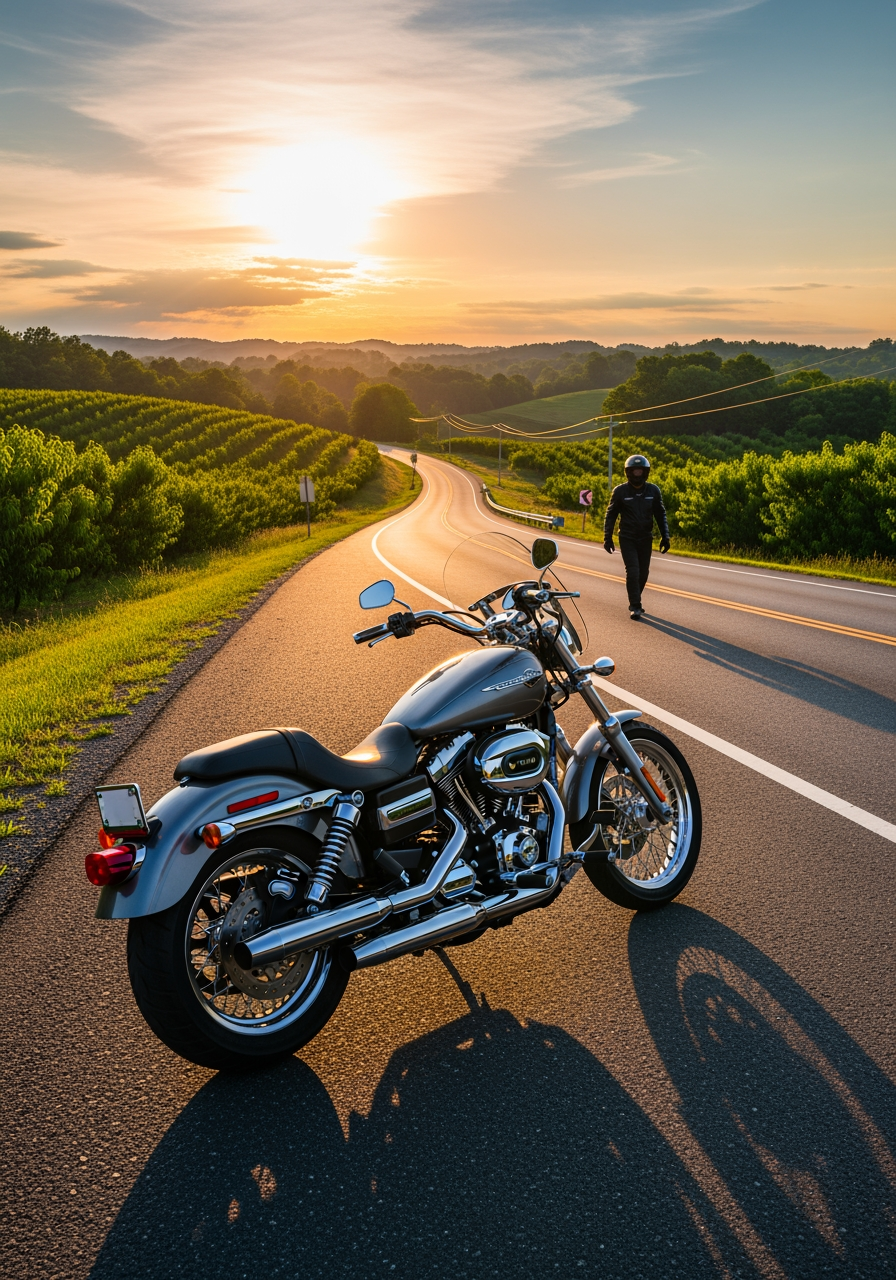
Quick question for the Midlands. If you won $20,000 toward any motorcycle, what are you riding home? Sport bike? Bagger? Adventure machine? Tell us below, then go enter the BikersWin giveaway. Link in the comments. 👀 #RideNationColumbia #BikersWin #WhatWouldYouRide #Midlands
Local SC & Rides
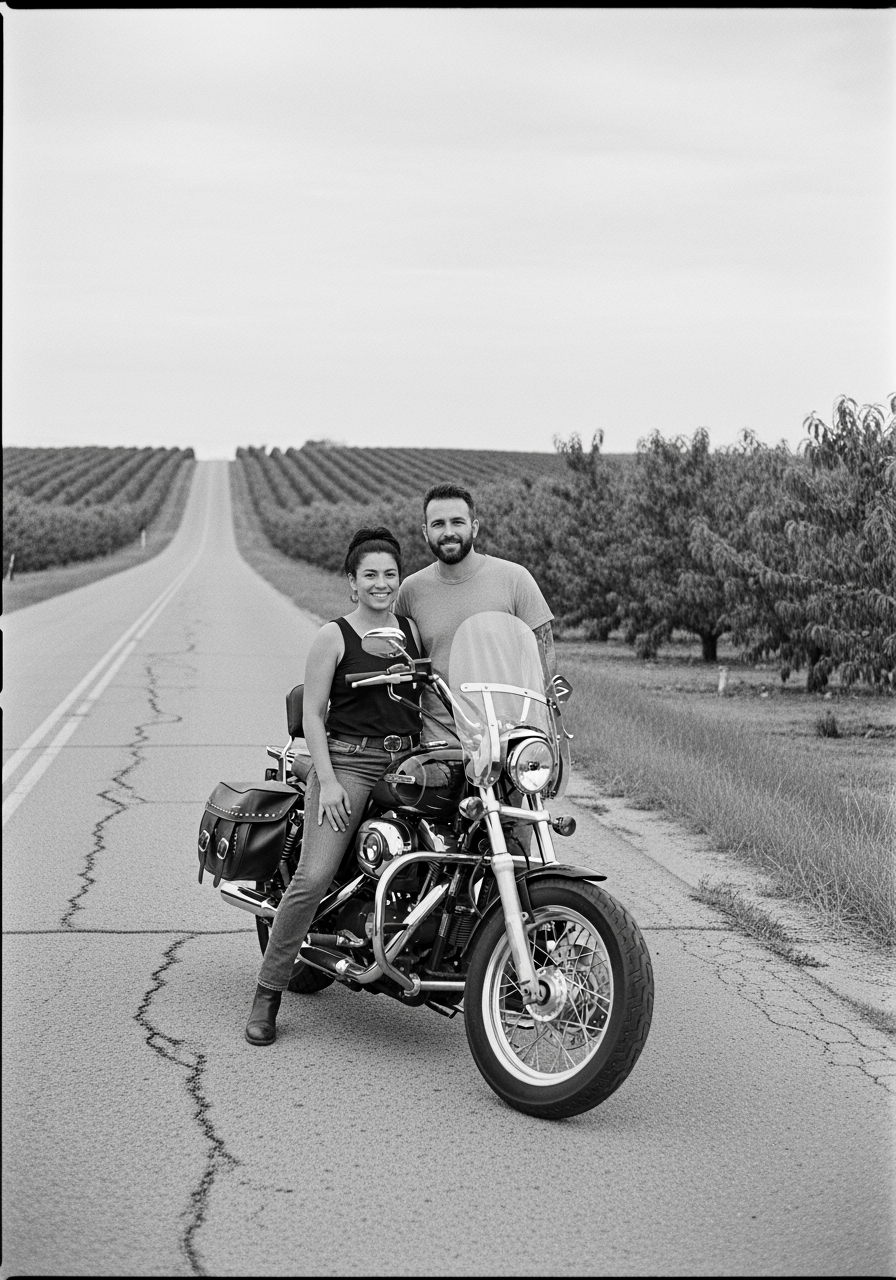
Columbia summer math: leave before 9am or melt by noon. Midlands heat is no joke once July rolls in. Early rides mean cooler air, empty roads, and that gas station coffee tasting like victory. What time does your crew kick stands up in summer?
#RideNationColumbia #ColumbiaSC #SummerRiding #MidlandsRiders
Engagement
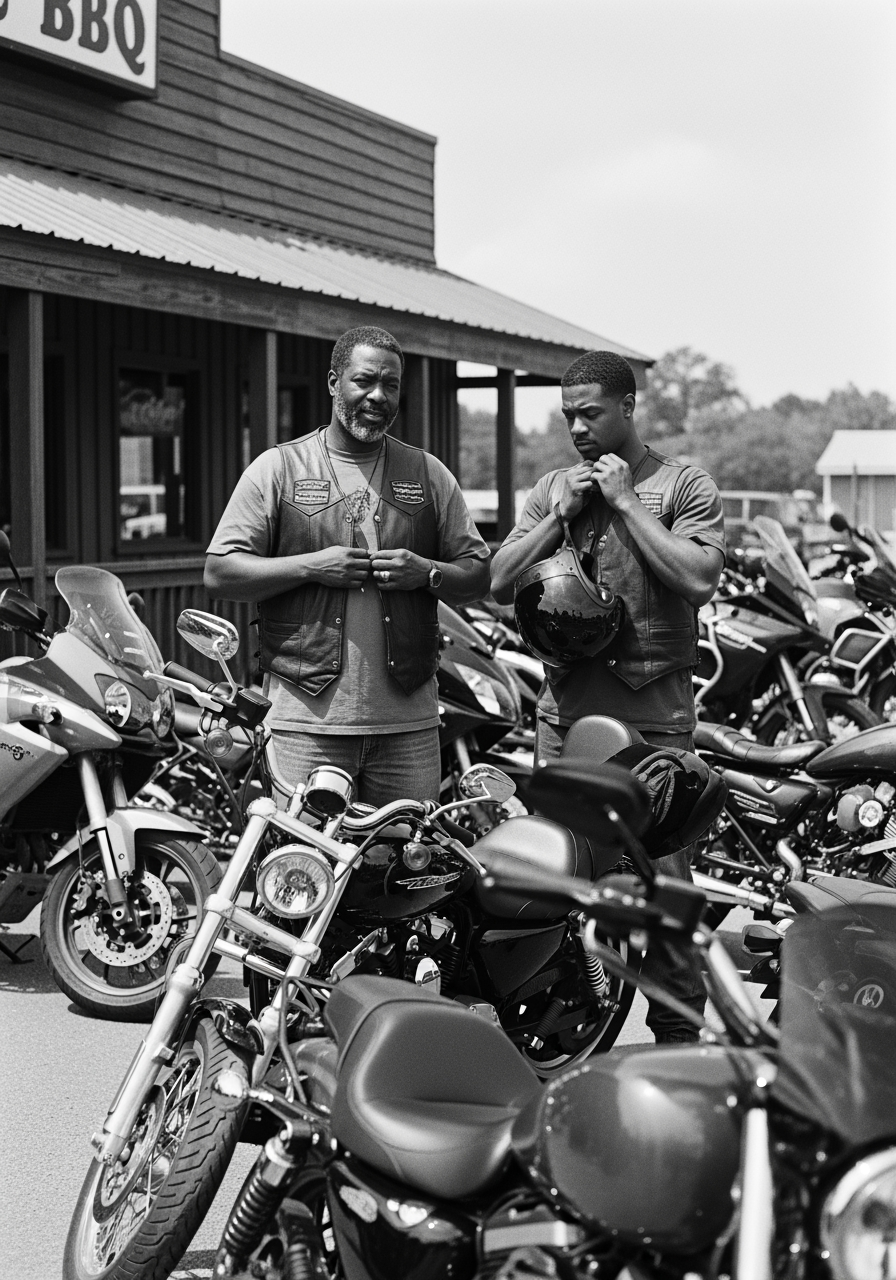
Tag the rider in your crew who is ALWAYS late to the meetup. You know exactly who it is. Don't be shy.
#RideNationColumbia #TagARider #BikerLife #SCRiders
Gear & New Iron
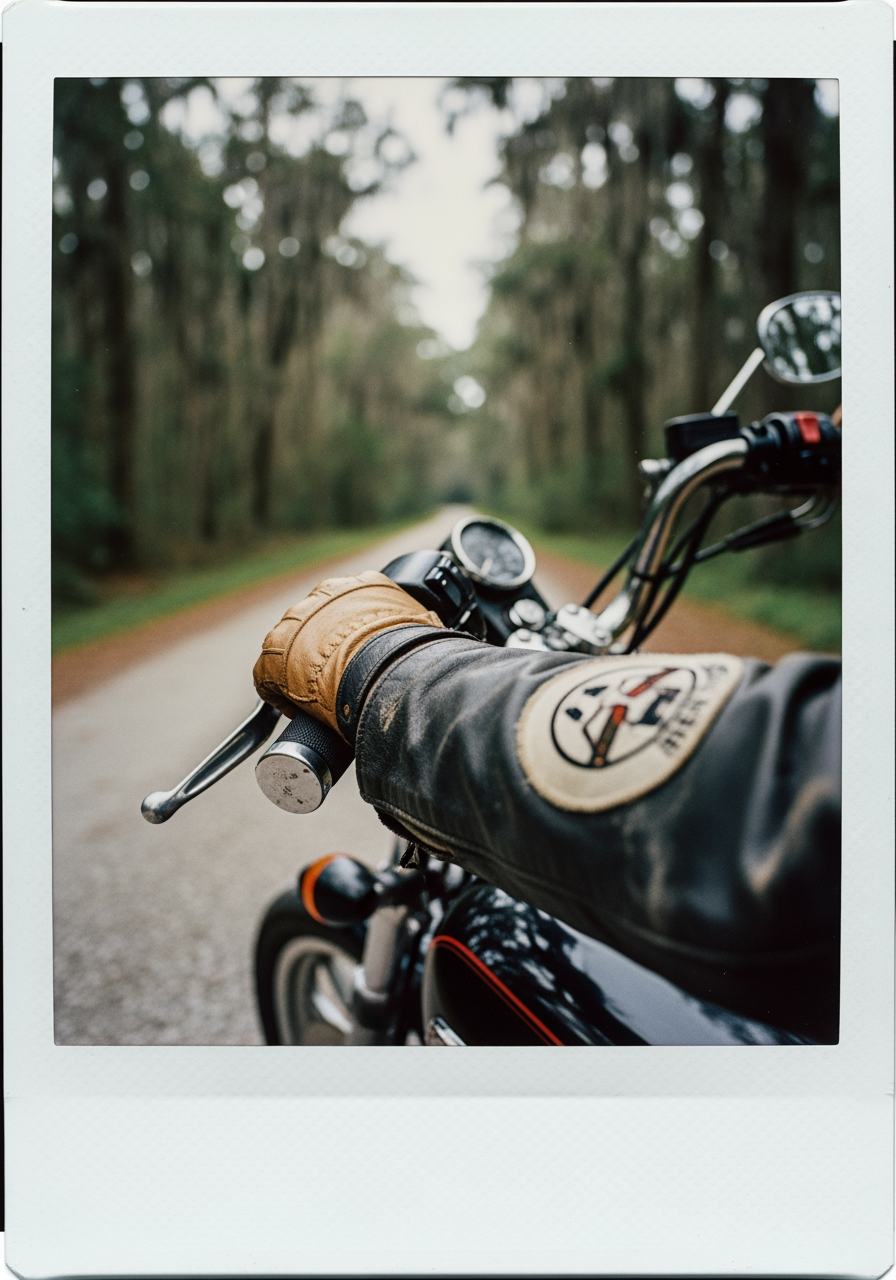
Chain maintenance most people botch in 30 seconds. Lube goes on the INSIDE of the chain run, on the lower section, while you slowly roll the bike. Centrifugal force pulls it through the rollers where it actually matters. Spraying the outside just makes a mess and slings off in the first mile. Clean it first, lube it warm after a ride, wipe the excess. Do it every 400 to 600 miles and your chain and sprockets last twice as long. Chain or belt drive on your bike? Sound off below.
#RideNationColumbia #ChainMaintenance #MotoTips #SCRiders
Safety & SC Law
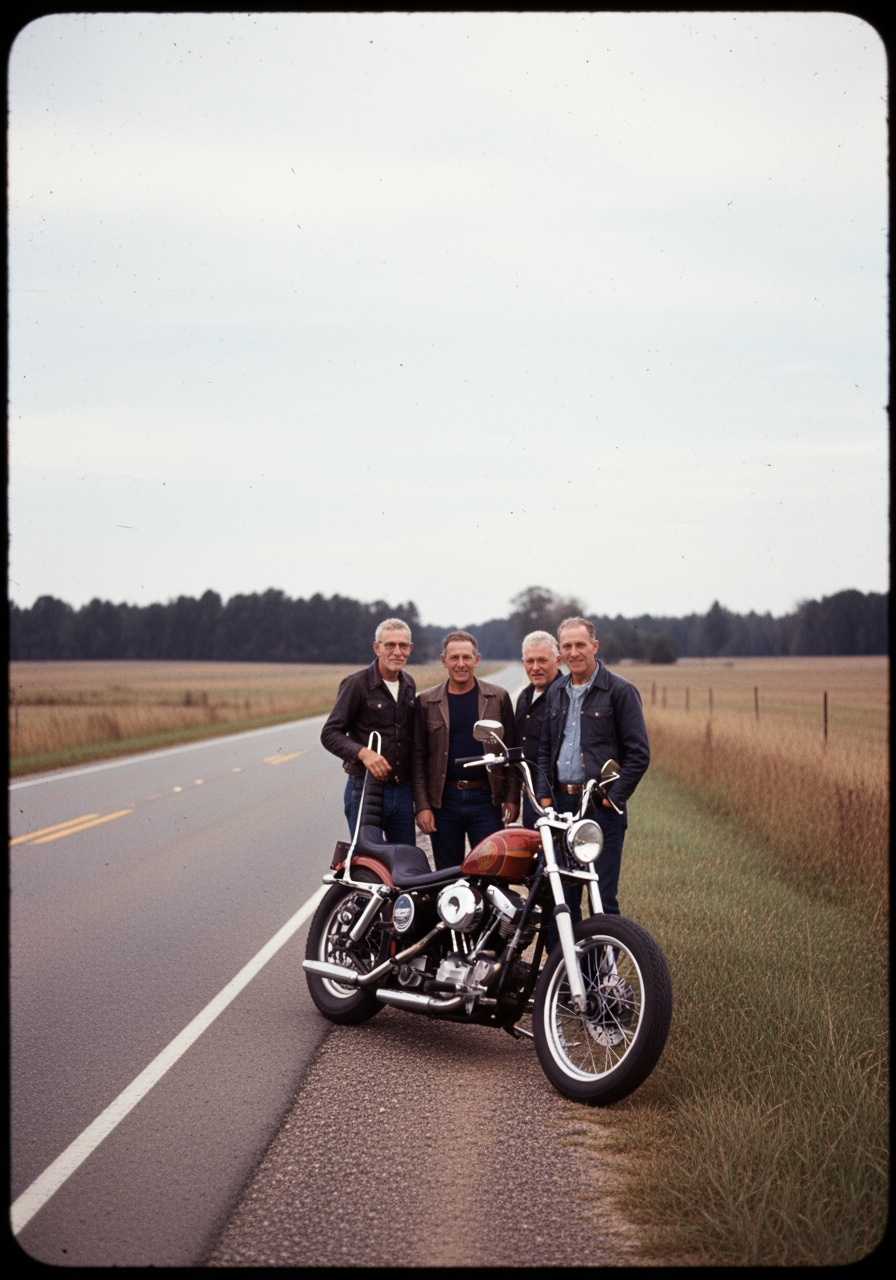
Lake Murray loop season is here and so is the gravel.
Those back roads around the lake collect sand and grit in every corner all winter long. First warm weekend, riders hit a familiar curve at familiar speed and the front end just lets go. The road did not change. The traction did.
Scrub your speed before the apex, look through the turn, and treat early season corners like they are wet.
Ride smart out there Midlands.
#RideNationColumbia #LakeMurray #RideSafe #SCMotorcycle
Giveaway & Countdown
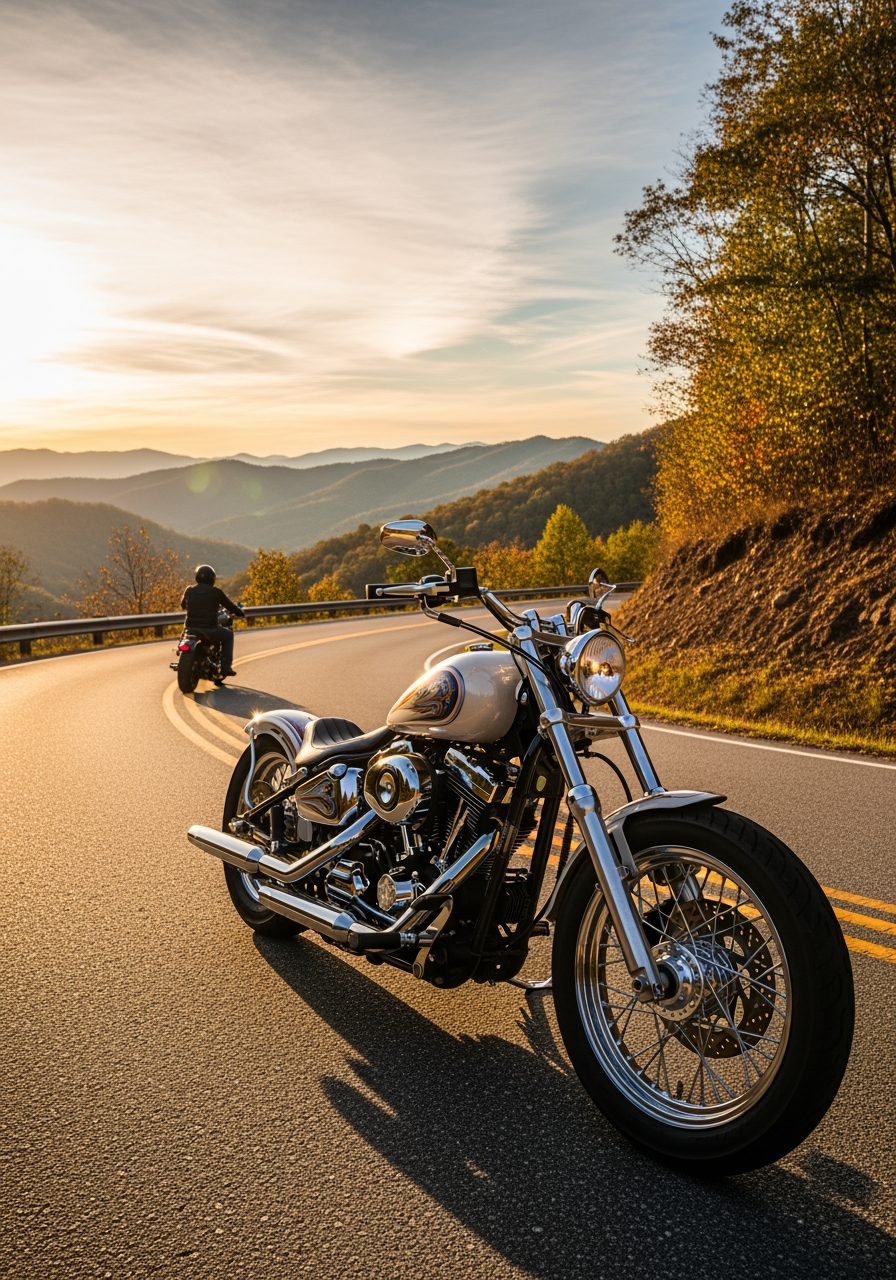
December 10 is the day one rider gets the call. Could be a guy in Columbia. Could be somebody cruising Lake Murray. Could be you, if you actually enter. Free, fast, any bike. Link in the comments. ⏰ #RideNationColumbia #BikersWin #Countdown #LakeMurray
Local SC & Rides
Myrtle Beach Bike Week turns US-17 into one long chrome parade. Spring rally energy is unmatched on the Grand Strand. Whether you camp it or just run down for a day, the coast in May belongs to riders. Who is already counting down to the next one?
#RideNationColumbia #MyrtleBeachBikeWeek #GrandStrand #SCRides
Engagement
POLL TIME. What's your ride season? Comment the number.
1. Year round, weather is a suggestion
2. Spring and fall only
3. The second it hits 60 degrees
4. Whenever the boss isn't looking
#RideNationColumbia #SCRiders #RidingSeason #MotorcyclePoll
Giveaway & Countdown
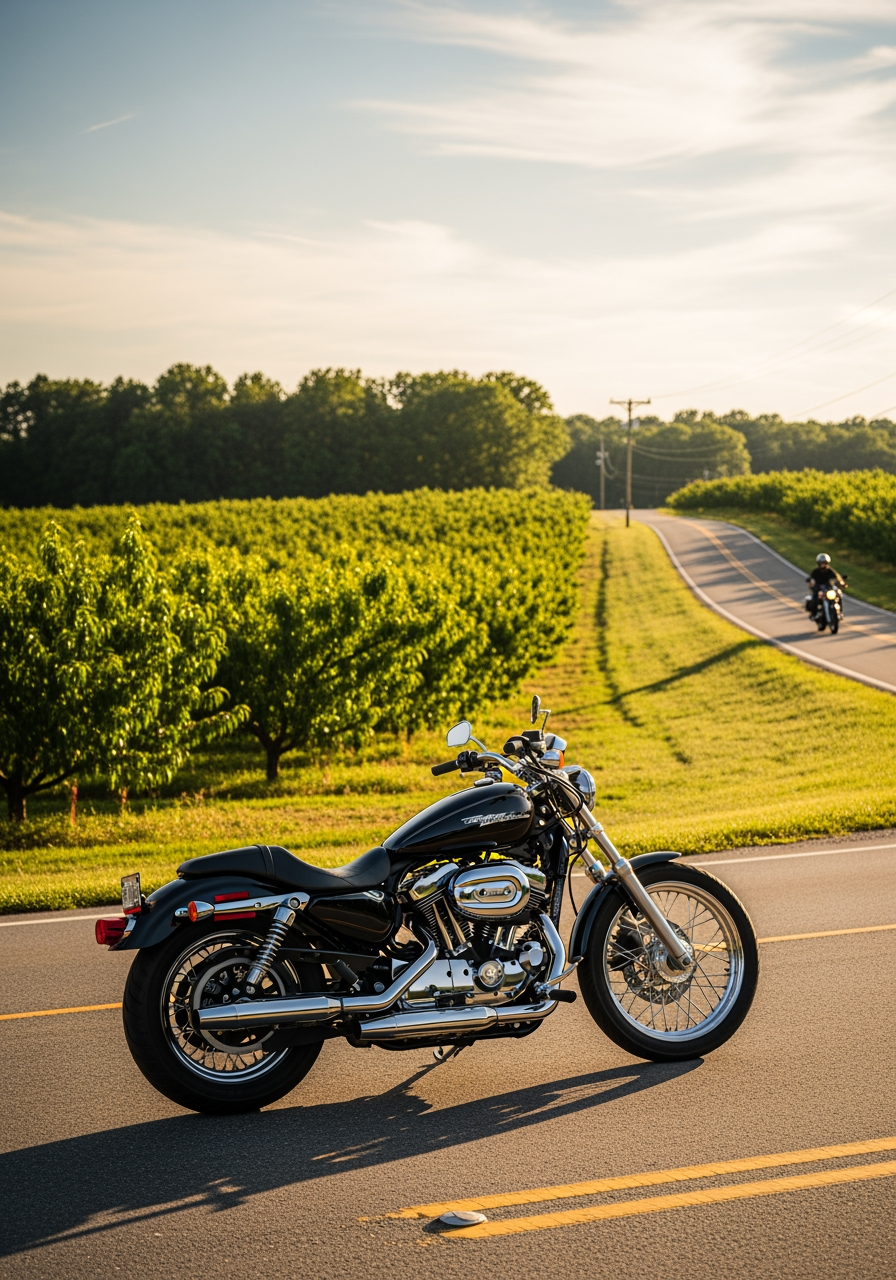
Riders keep asking us what the catch is. There is none. The BikersWin giveaway is free to enter, you pick any bike, and one winner takes $20,000 on December 10. That is it. Go get your name in. Link in the comments. ✅ #RideNationColumbia #BikersWin #MotorcycleGiveaway #SouthCarolina
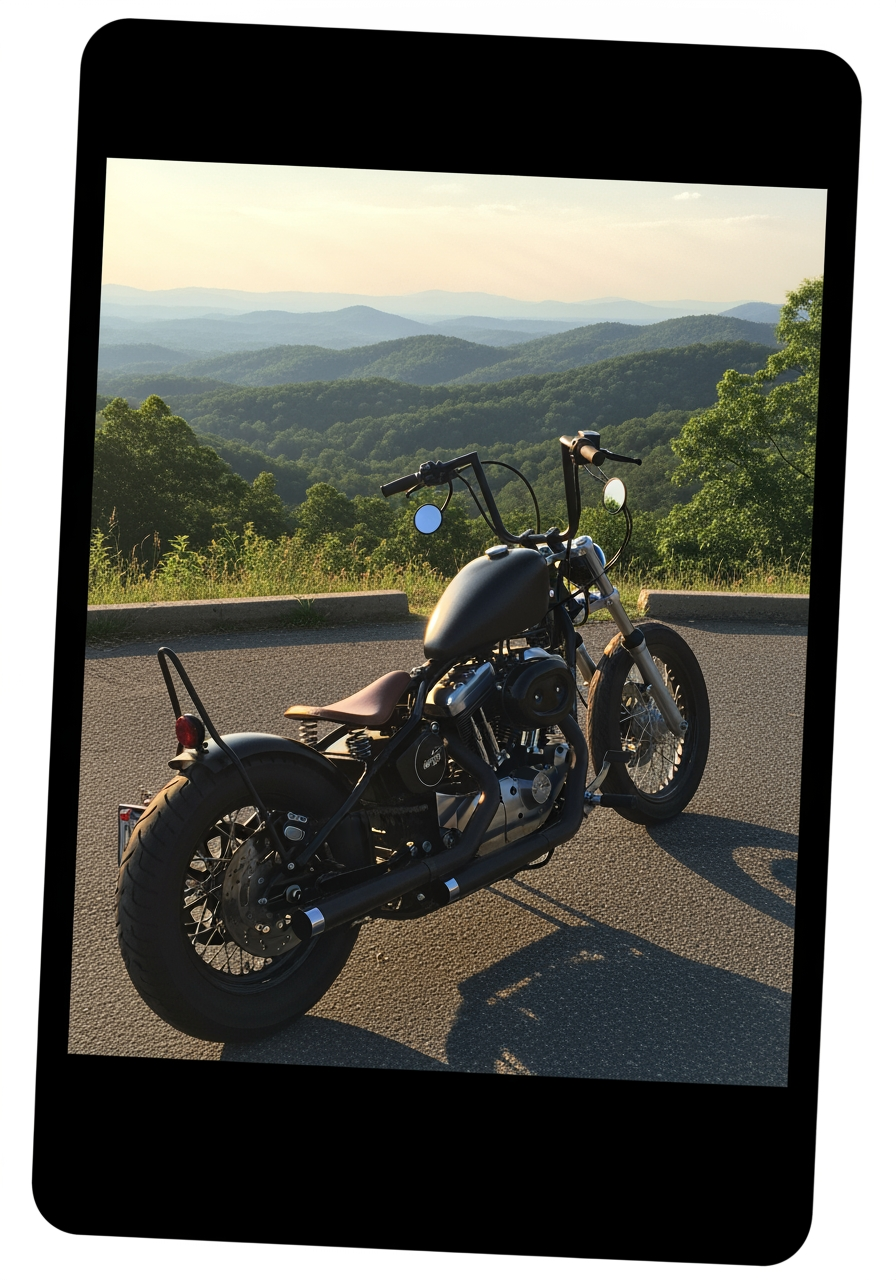
Gear & New Iron
The 2024 Harley Street Glide got a full redesign and the new Skyline OS infotainment screen is the headline. Twelve point three inch display, the new 117 Milwaukee Eight engine standard, and a sharper front fairing that cuts wind better at Grand Strand cruising speeds. Love it or hate the touchscreen, Harley is clearly chasing the tech crowd now. Would you take the new bagger or keep your analog gauges? Let us hear it.
#RideNationColumbia #StreetGlide #HarleyDavidson #NewIron
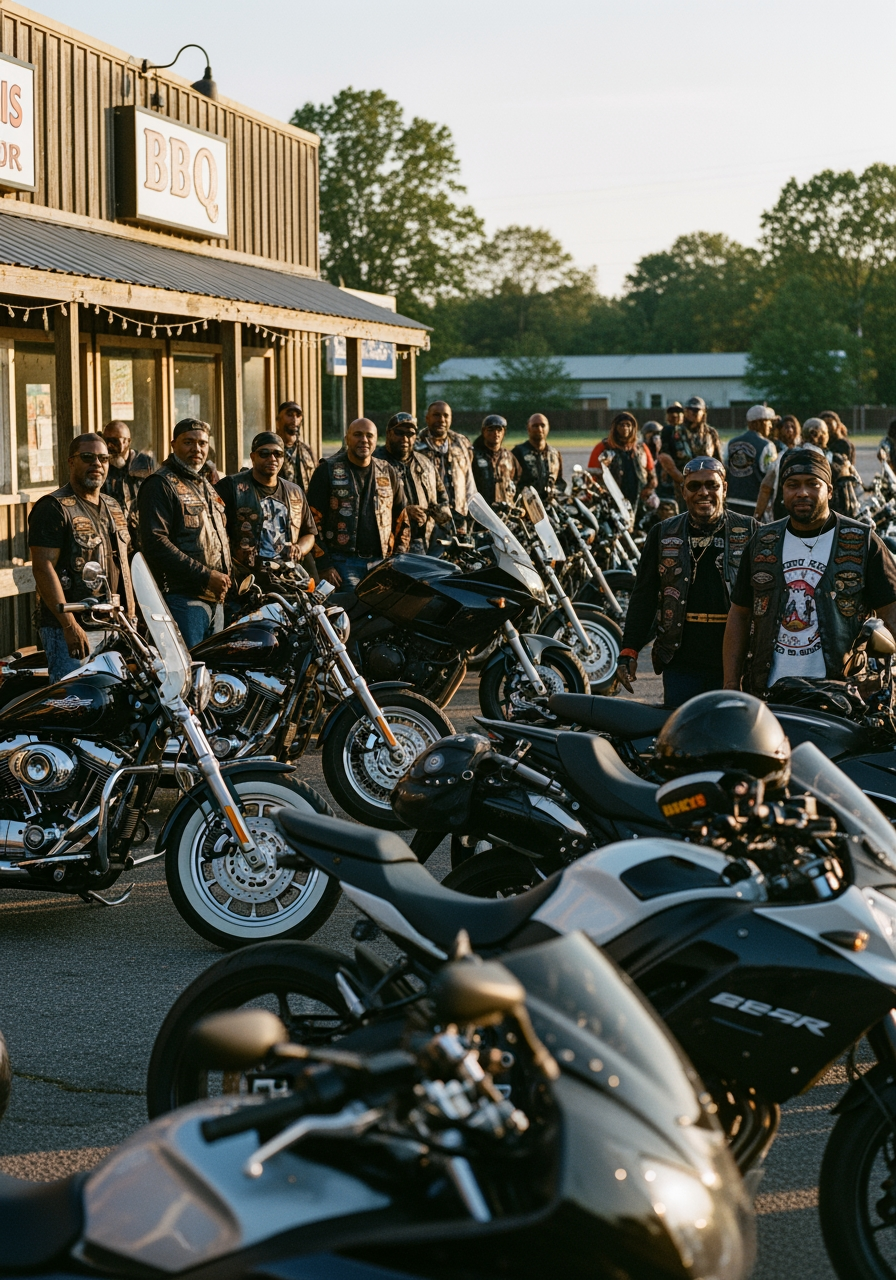
Safety & SC Law
Under 21 in South Carolina? The helmet and eye protection are not suggestions.
SC law requires riders and passengers under 21 to wear a DOT helmet and proper eye protection. At 21 and up it becomes your call. But here is the rider truth nobody puts in the statute: your skull does not check your birthday before it hits pavement.
Legal does not always mean smart. Gear up regardless of the number on your license.
#RideNationColumbia #SCMotorcycleLaw #HelmetSaves #RideSafe
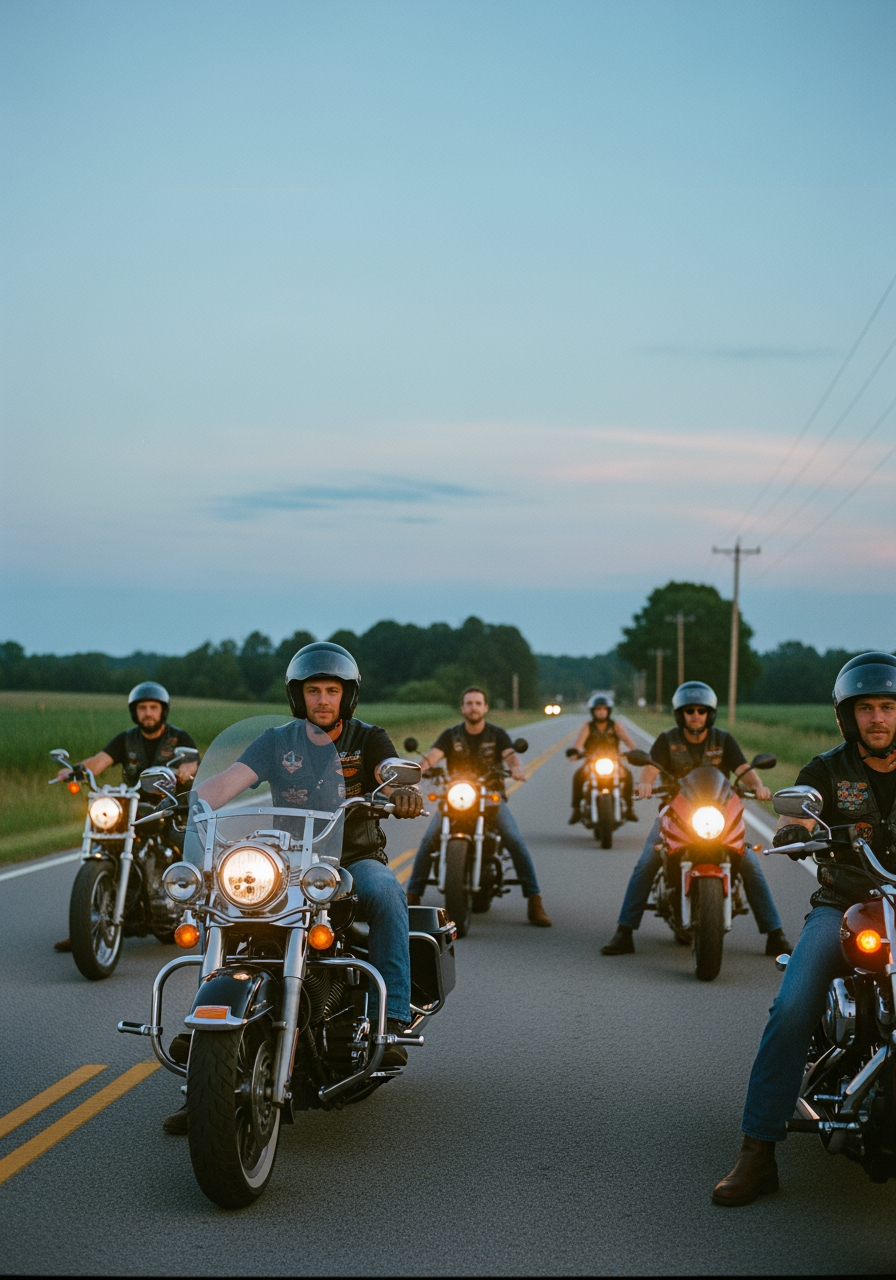
Local SC & Rides
Congaree backroads are a Midlands secret. Old growth swamp on one side, quiet two lanes that barely see traffic. Hot, humid, and worth it for the cypress views you cannot get anywhere else in SC. Ever ride out past the park boundary just to see where the road goes?
#RideNationColumbia #Congaree #MidlandsRiders #SouthCarolinaRiding
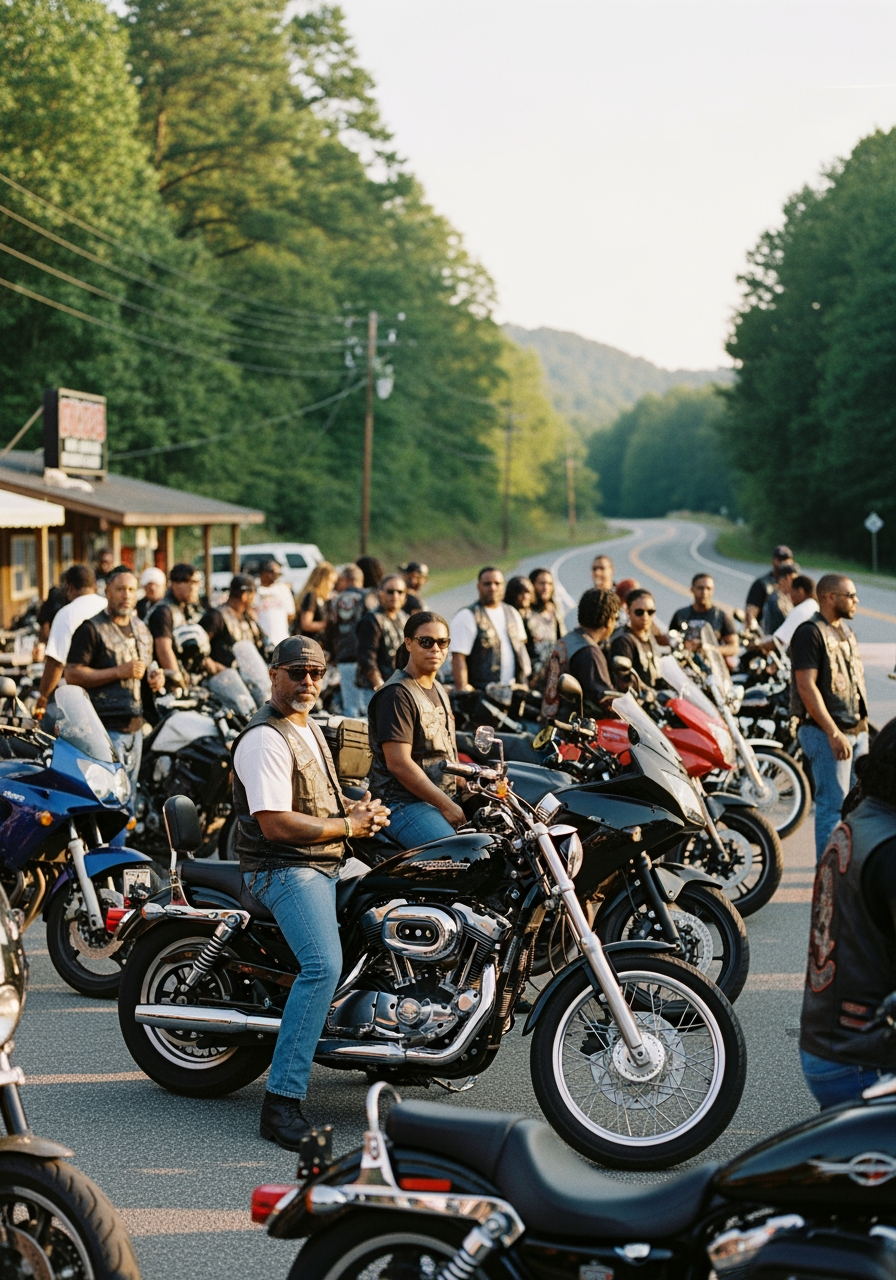
Engagement
This or that. Lake Murray loop at sunrise or Blue Ridge foothills at sunset? There's no wrong answer but there IS a comment section. Which one is yours?
#RideNationColumbia #LakeMurray #BlueRidge #SCRiders
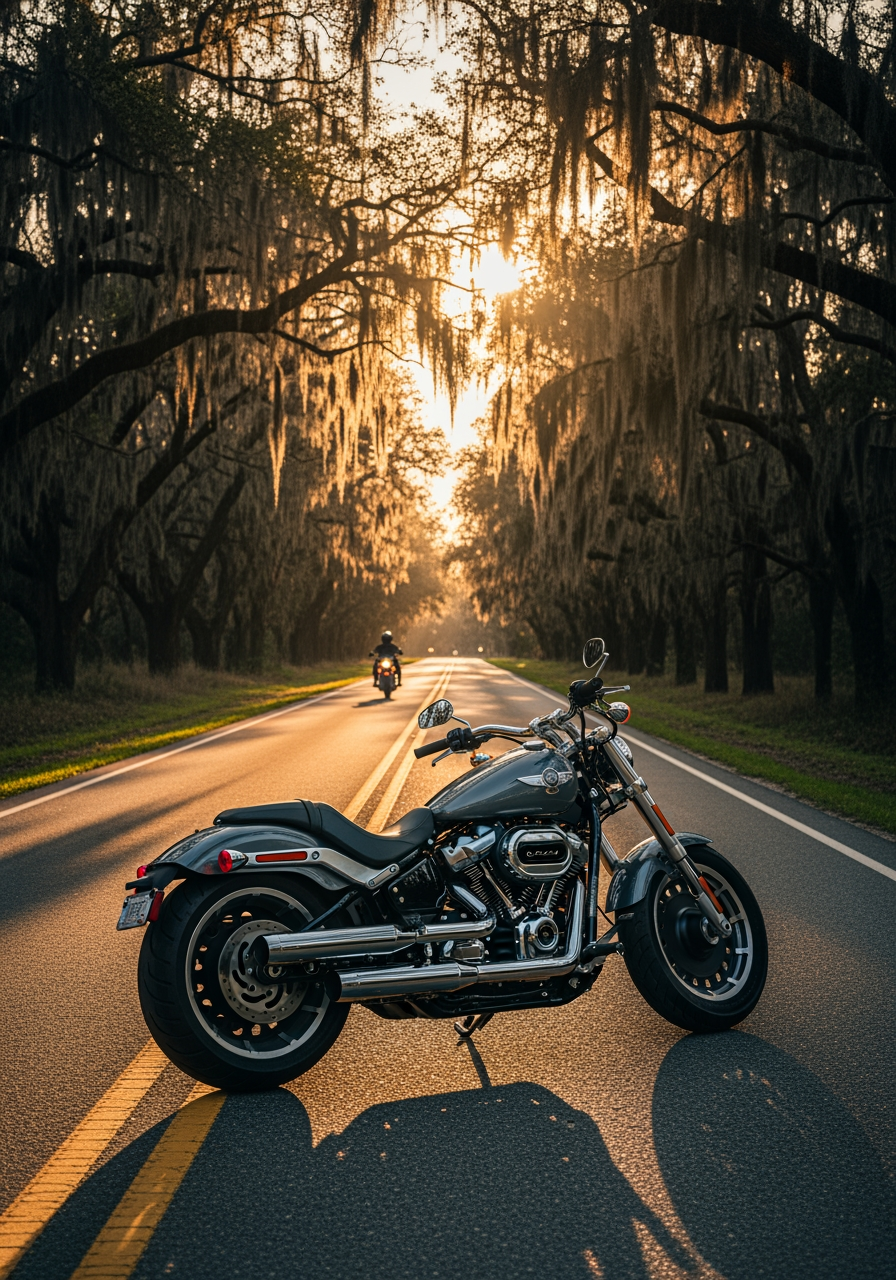
Giveaway & Countdown
Grand Strand riders, this one is for you too. The BikersWin $20,000 giveaway is open to South Carolina riders everywhere from Myrtle Beach to the Upstate. Free entry, any bike, drawn December 10. Link in the comments. 🌊 #RideNationColumbia #BikersWin #MyrtleBeach #GrandStrand
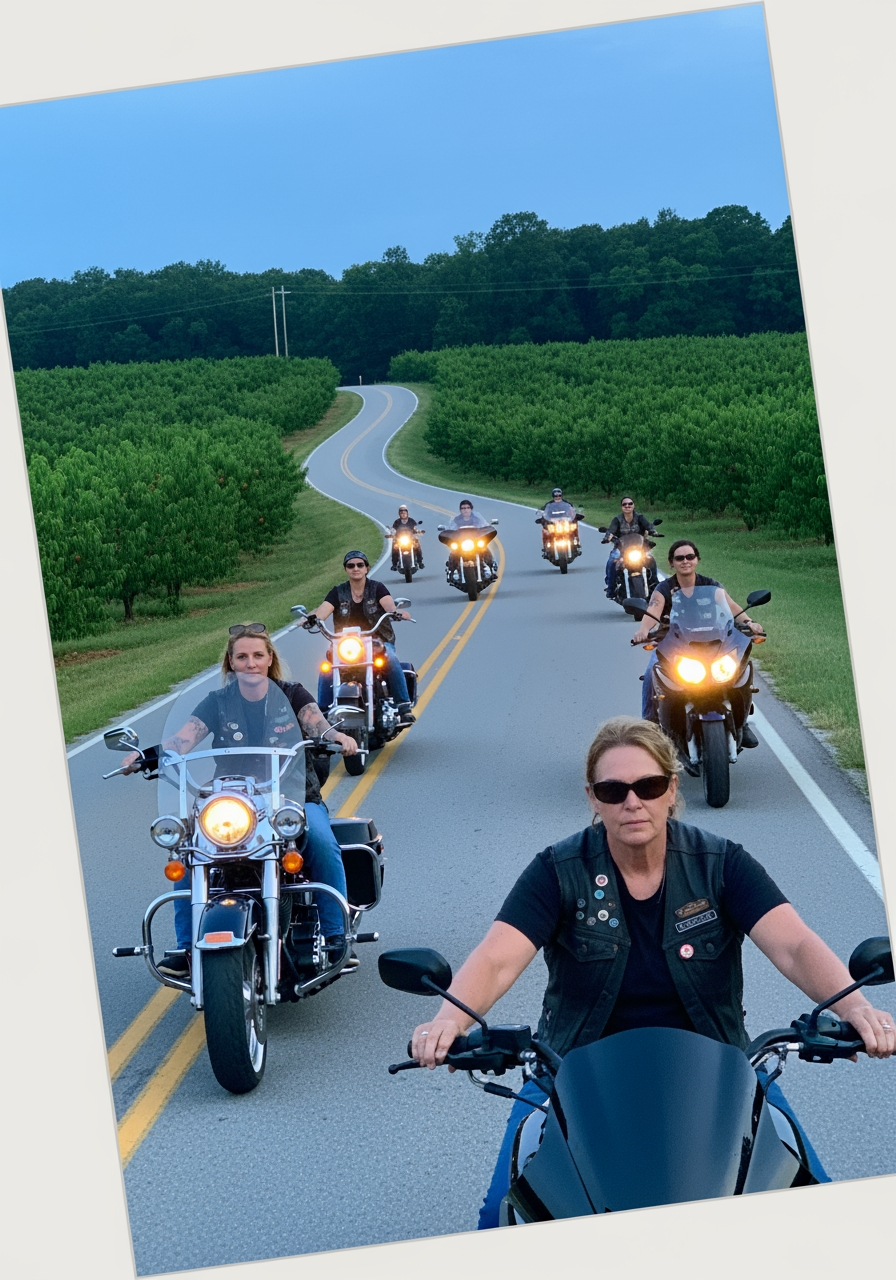
Engagement
Caption this one and keep it clean. Or don't. We're not your mom. Best line wins the internet today.
#RideNationColumbia #CaptionThis #BikerHumor #MotorcycleLife
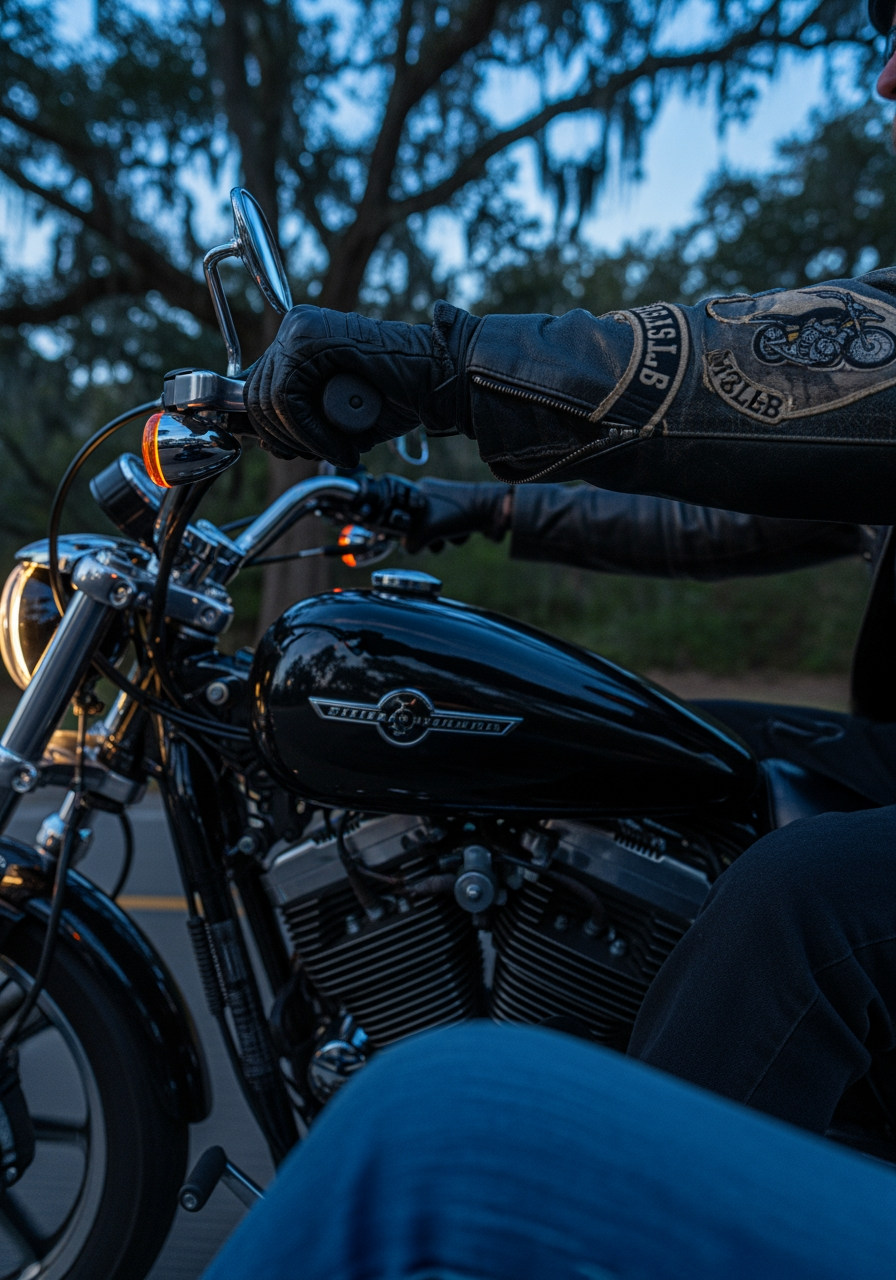
Gear & New Iron
Tire pressure is the cheapest performance upgrade you will ever make and the most ignored. Check it COLD, before you ride, with your own gauge not the gas station one. Underinflated tires squirm in corners, wear the edges, and tank your fuel mileage. Overinflated and you lose grip and feel every seam on I-26. Find your numbers on the swingarm sticker or in the manual, not on the tire sidewall. Two minutes in the garage saves you a sketchy moment on the road. When did you last check yours?
#RideNationColumbia #TirePressure #MotoMaintenance #RideSafe
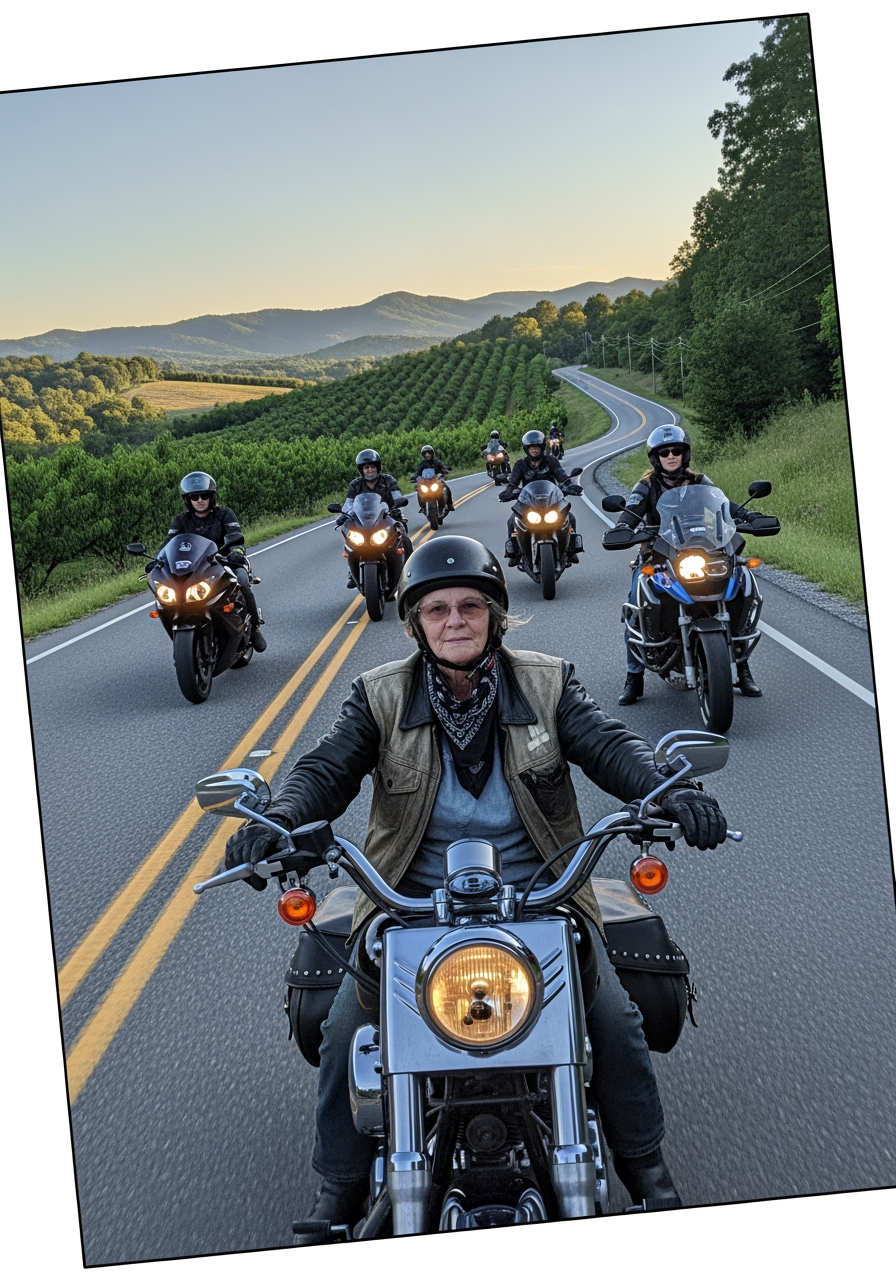
Safety & SC Law
You have less time than you think to act after a SC motorcycle crash.
South Carolina gives you a 3 year deadline to file an injury claim. Sounds generous until you spend the first year in physical therapy, the second year fighting the insurance company, and suddenly the clock is gone. Evidence fades way faster than that deadline does.
Talk to someone early, even if you are not sure you have a case.
Michael Jeffcoat rides with this community. (803) 200-2000.
#RideNationColumbia #SCMotorcycle #KnowYourRights #RideSafe
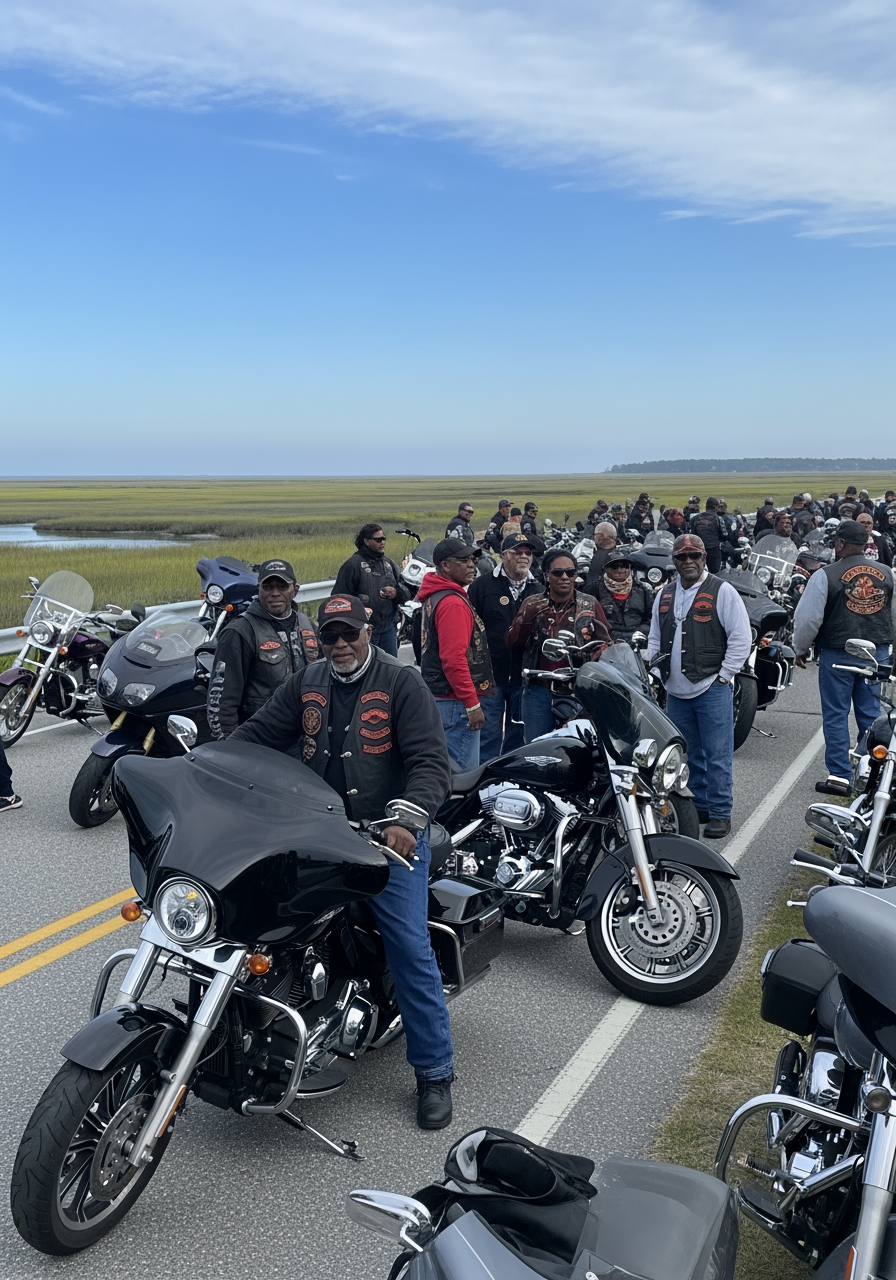
Local SC & Rides
Fall Bike Rally on the Grand Strand hits when the heat finally breaks. Cooler salt air, full parking lots, and US-17 humming again. October on the coast is criminally underrated for two wheels. You a spring rally rider or a fall rally rider? Pick a side.
#RideNationColumbia #FallBikeRally #MyrtleBeach #SCRides
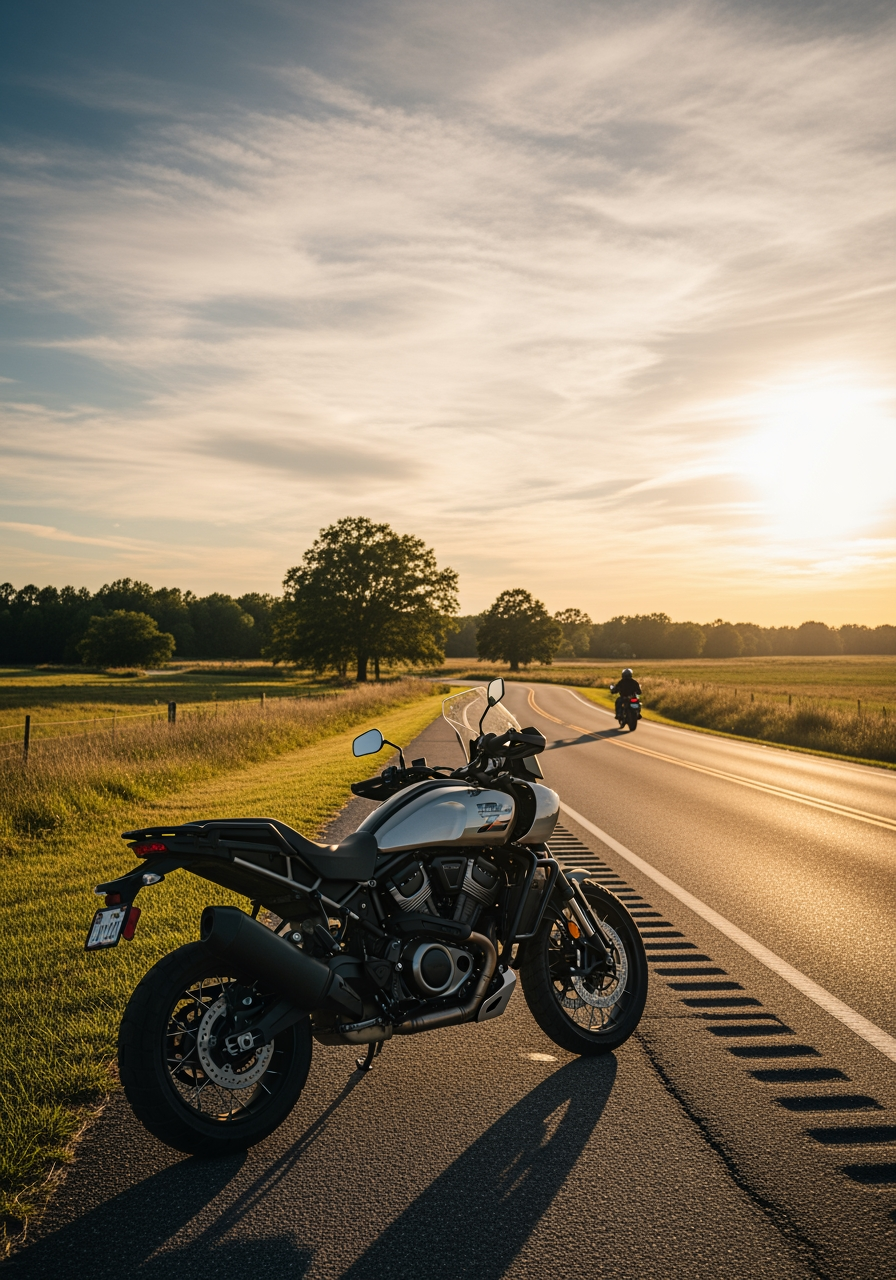
Giveaway & Countdown
Tag the riding buddy who never enters anything because they think they never win. This is the one to break the streak. $20,000, free entry, any bike, December 10. Link in the comments. 🔖 #RideNationColumbia #BikersWin #TagAFriend #SCriders
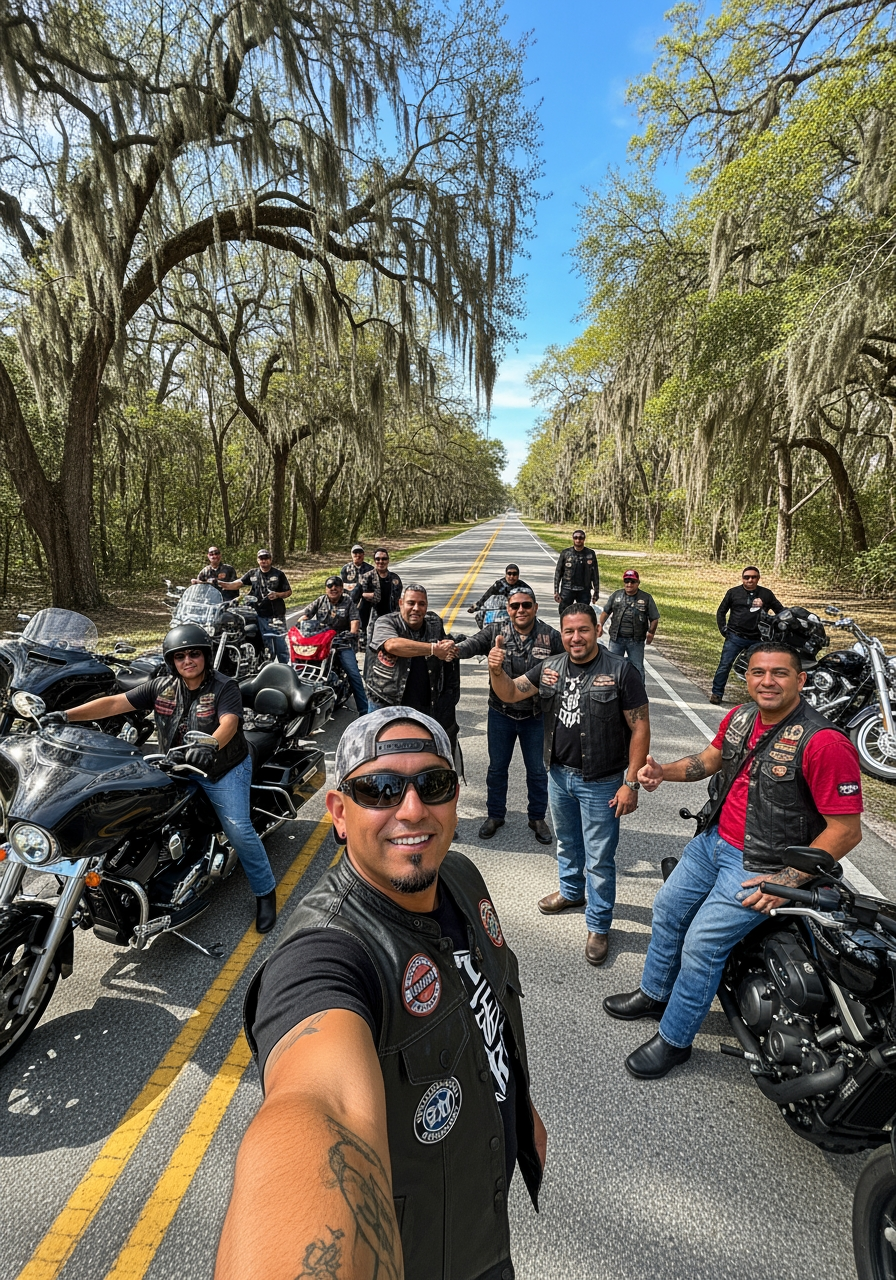
Engagement
Cruiser, sport bike, or adventure bike? Three tribes, one comment section. Declare your allegiance and defend it.
#RideNationColumbia #SCRiders #CruiserVsSport #MotorcycleLife
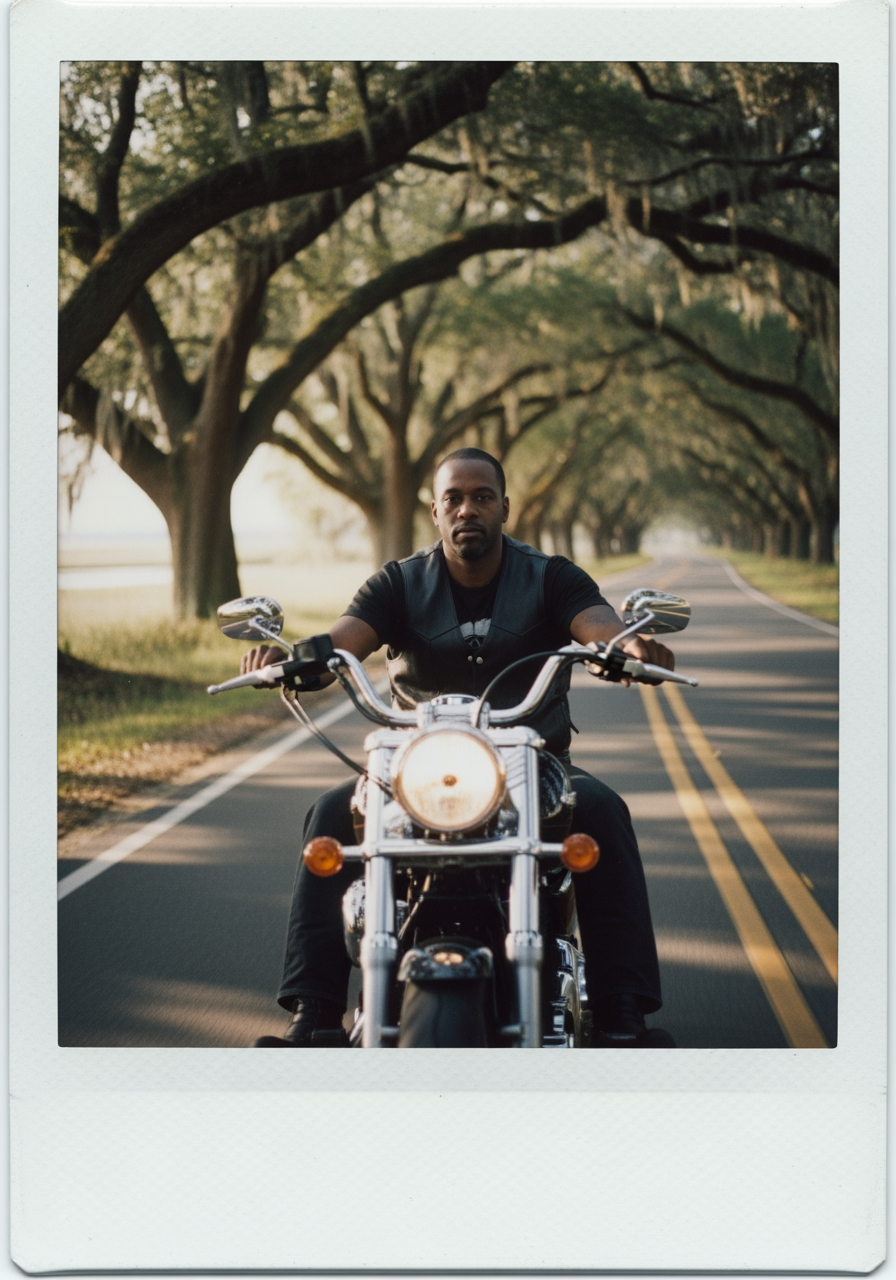
Local SC & Rides
The stretch of SC-11 past Table Rock will stop you mid throttle. Pull over at the overlook, kill the engine, and just listen for a minute. Some rides are about the destination. This one is about the view the whole way. When did you last just sit and take it in?
#RideNationColumbia #TableRock #SC11 #UpstateRiders
Gear & New Iron
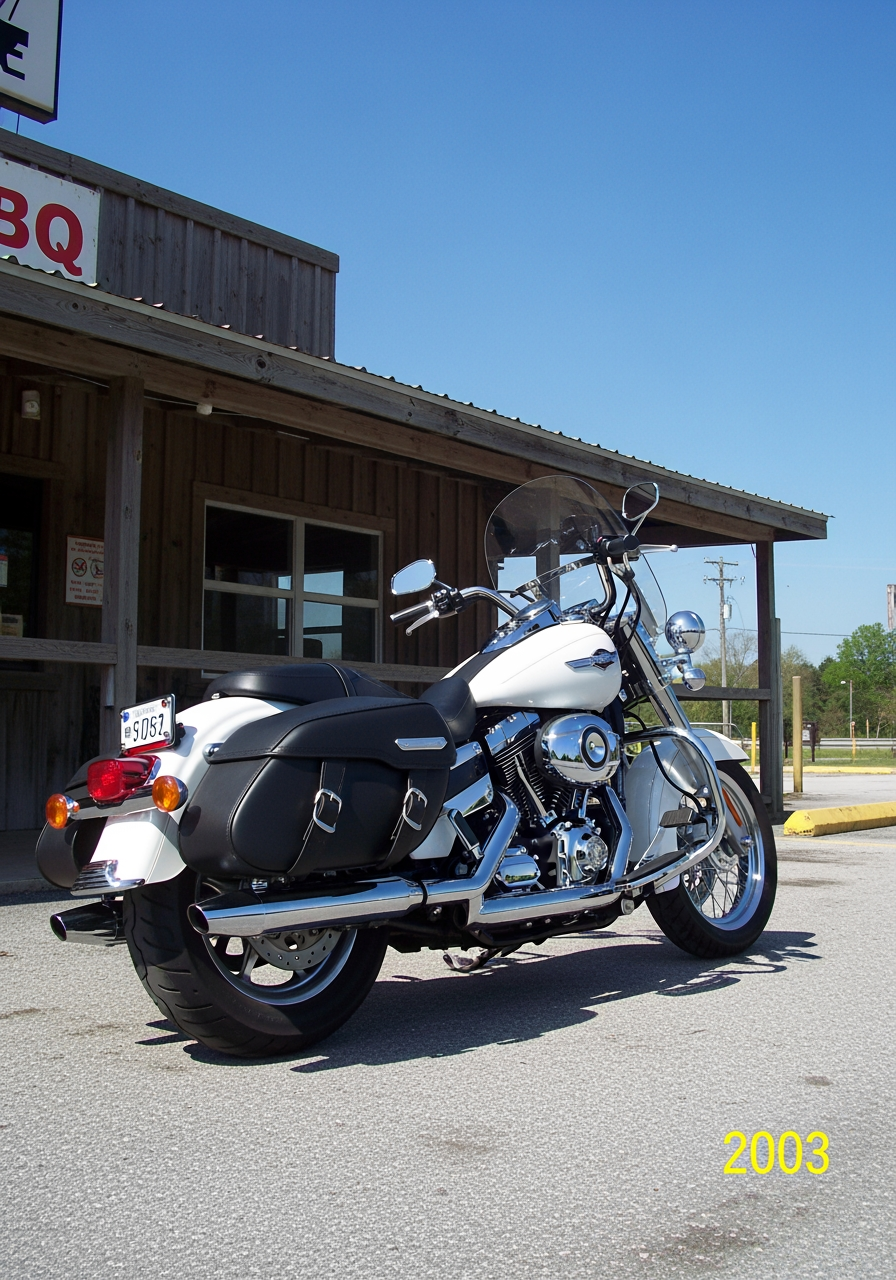
Bluetooth comm units have gone from luxury to standard kit. Mesh intercom means you stay connected to the group through the Upstate foothills even when the rider ahead is half a mile out. Turn by turn in your ear, music, hands free calls, and no fishing for your phone at a light. Cardo and Sena both make solid units now at every price point. If you ride in a pack, this changes everything. What comm setup are you running on group rides?
#RideNationColumbia #RidingTech #MotoComm #GroupRide
Safety & SC Law
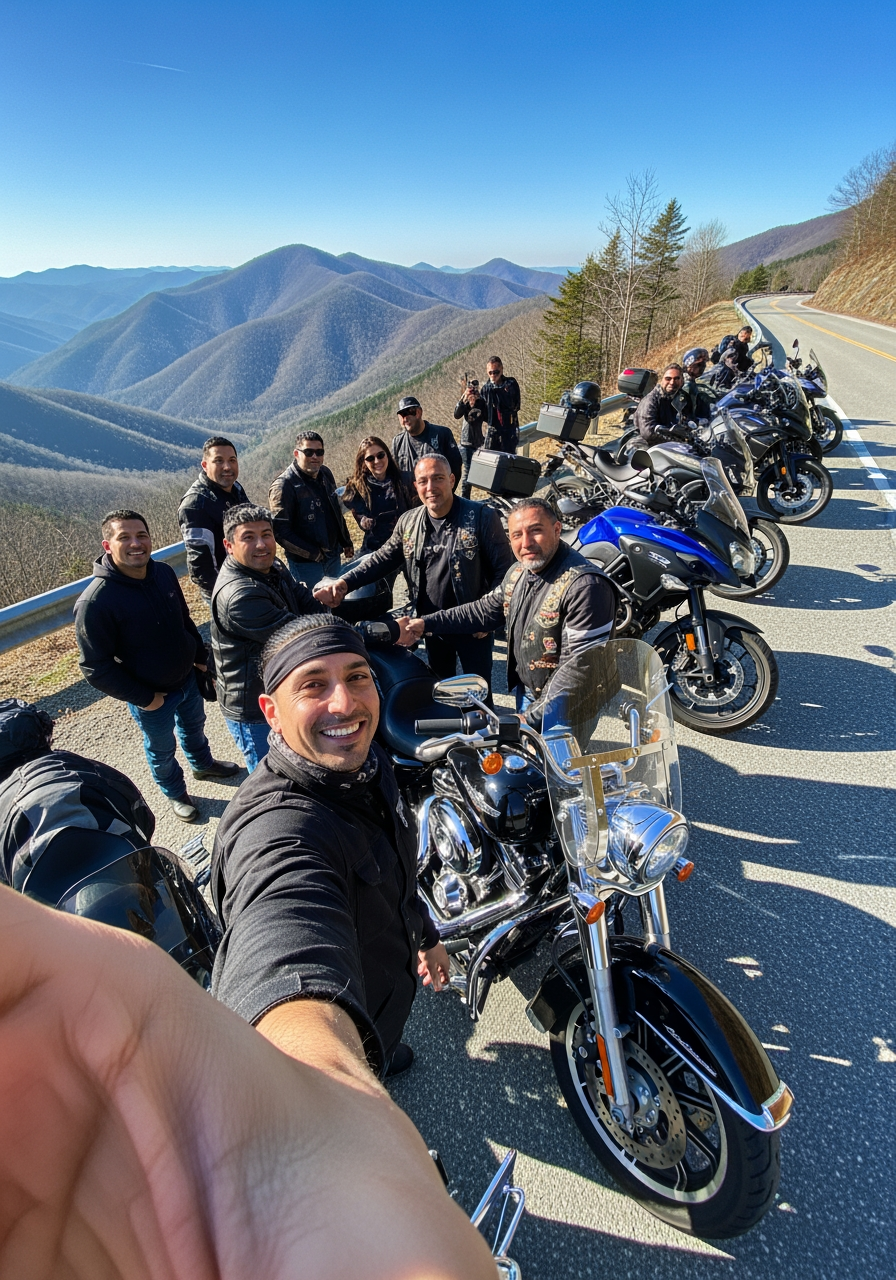
The most dangerous four words at an intersection: I did not see him.
The classic SC car-vs-bike crash is the left turn. A driver waiting to turn looks right through you because their brain is hunting for car-sized objects. You are not one.
Cover your brakes approaching every intersection, watch their front wheel not their face, and assume you are invisible until proven otherwise.
Ride like nobody sees you, because half the time they do not.
#RideNationColumbia #RideSafe #SCRiders #MotorcycleSafety
Giveaway & Countdown
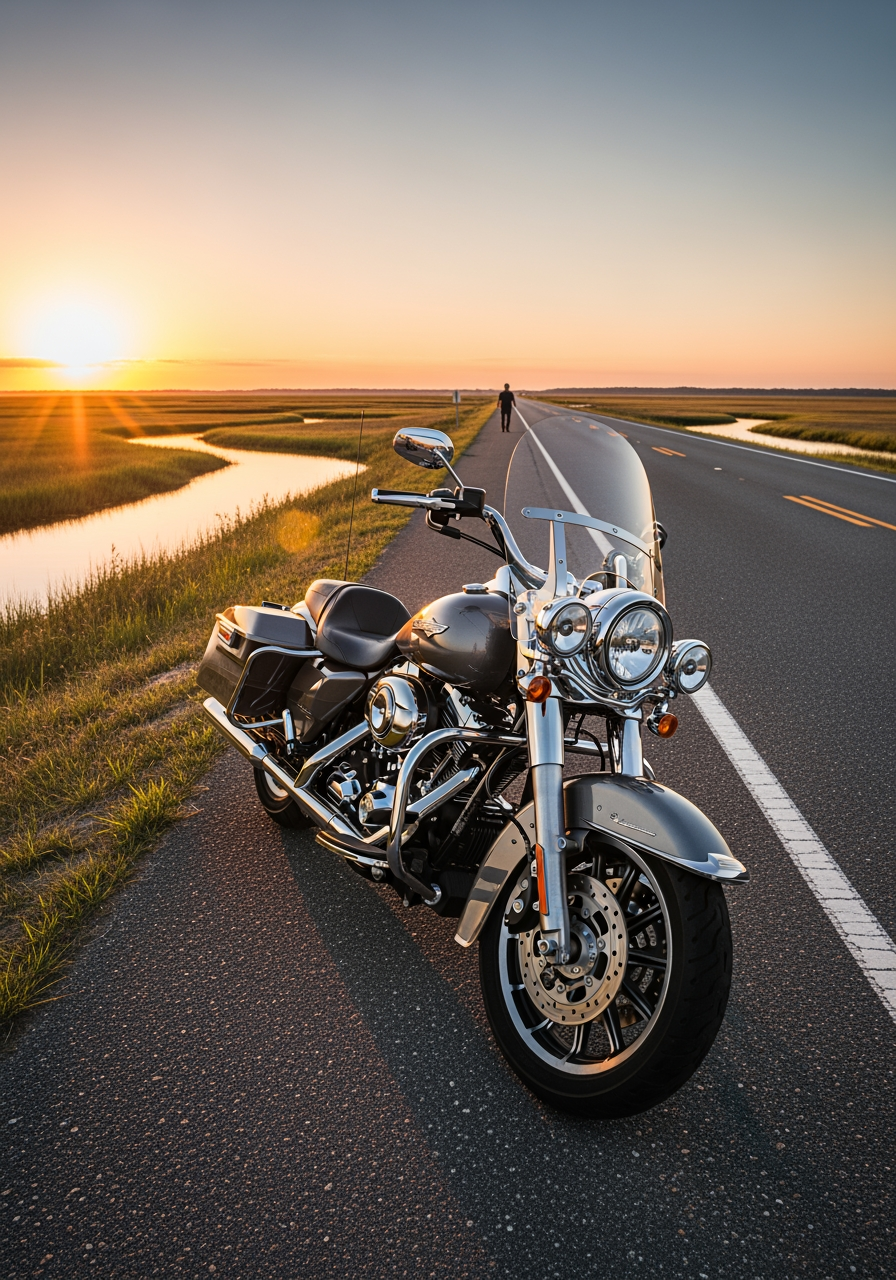
What would $20,000 build for you? A loaded touring bike for two up rides? A naked street fighter? An adventure rig for the foothills? Dream it in the comments, then enter the BikersWin giveaway. Link in the comments. 💨 #RideNationColumbia #BikersWin #WhatWouldYouRide #Upstate
Engagement
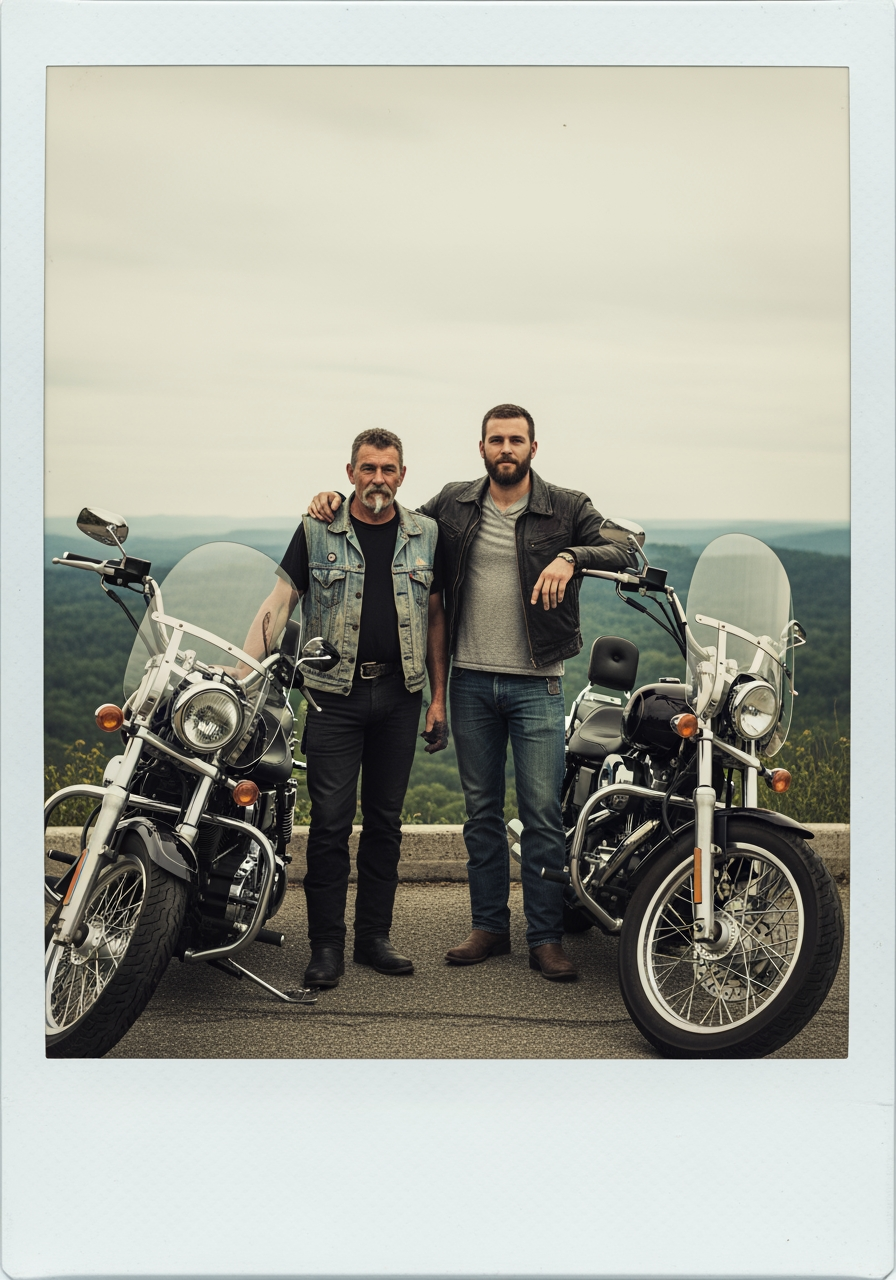
Would you rather lose your phone for a month or your favorite riding gloves for a week? Be honest. We see you.
#RideNationColumbia #WouldYouRather #BikerLife #SCRiders
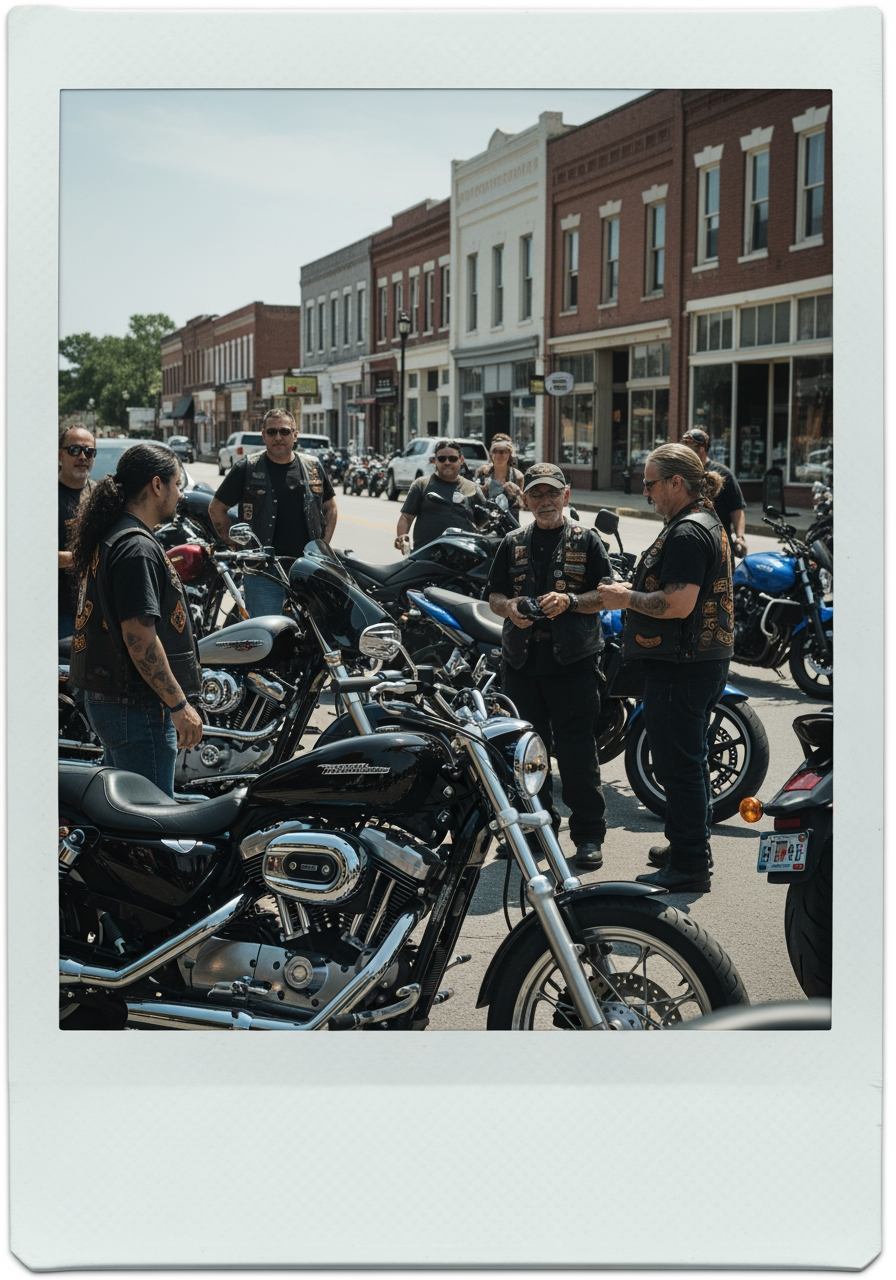
Local SC & Rides
Nothing humbles a Columbia rider like a surprise Midlands thunderstorm. One minute clear sky, next minute you are pulled under a gas station awning watching it dump. Summer in SC means always checking radar before you roll. What is your worst caught in the rain story?
#RideNationColumbia #ColumbiaSC #SummerStorms #MidlandsRiders
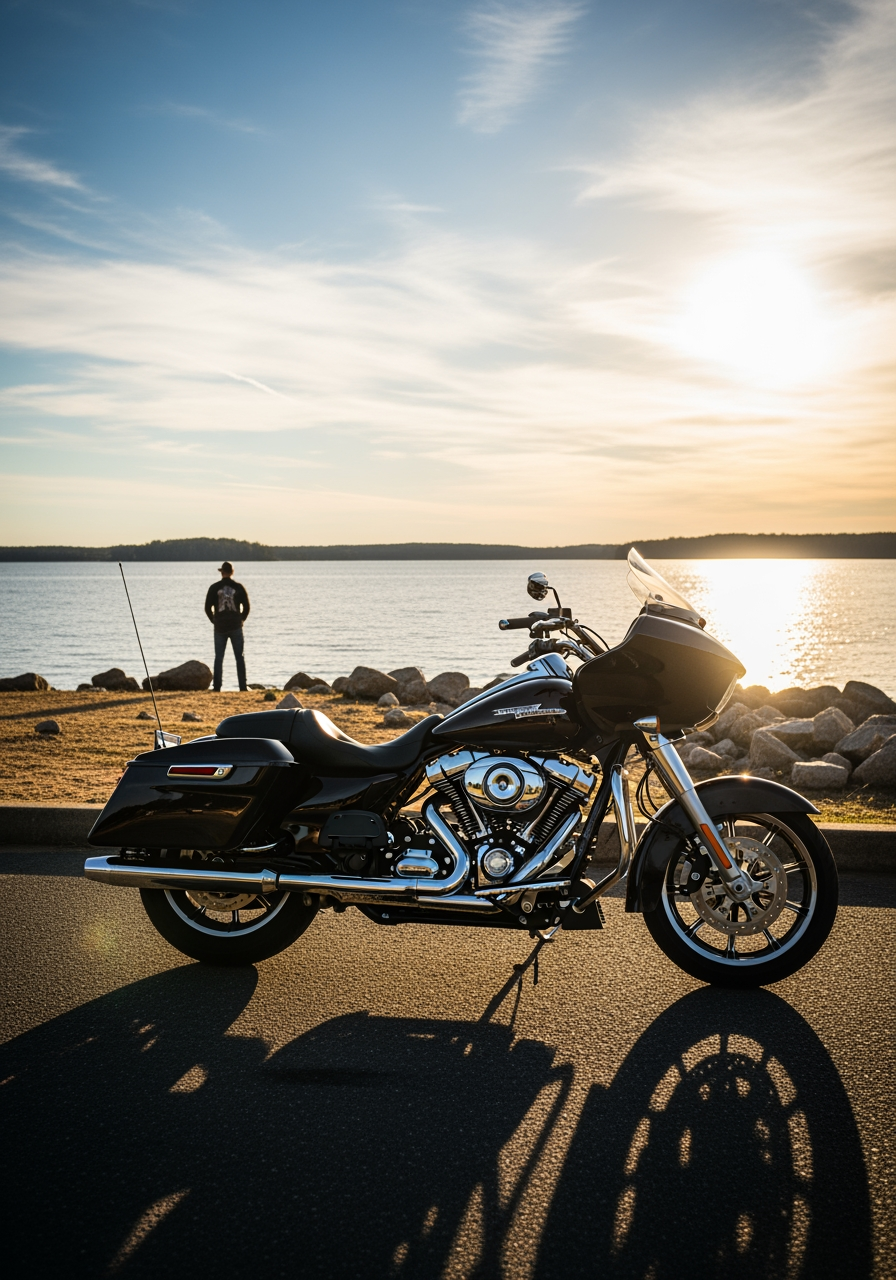
Giveaway & Countdown
The countdown is on. Just over six months until one South Carolina rider wins $20,000 toward any bike they want. Entry is free and takes seconds. Do not be the one who finds out about this in January. Link in the comments. 📆 #RideNationColumbia #BikersWin #Countdown #ColumbiaSC
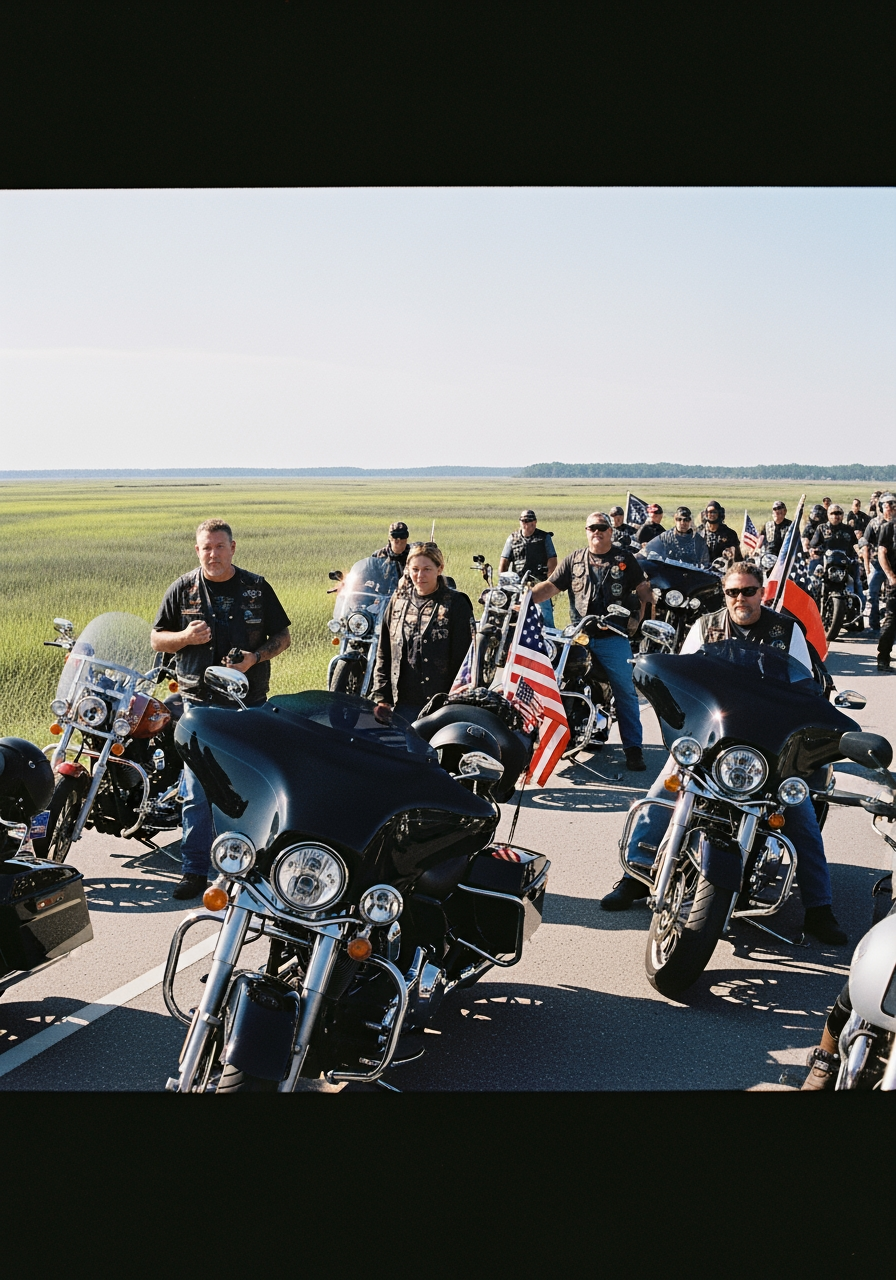
Engagement
Tag your ride or die. The one who shows up rain or shine, full tank, no complaints. They deserve the shoutout.
#RideNationColumbia #TagARider #RideOrDie #SCRiders
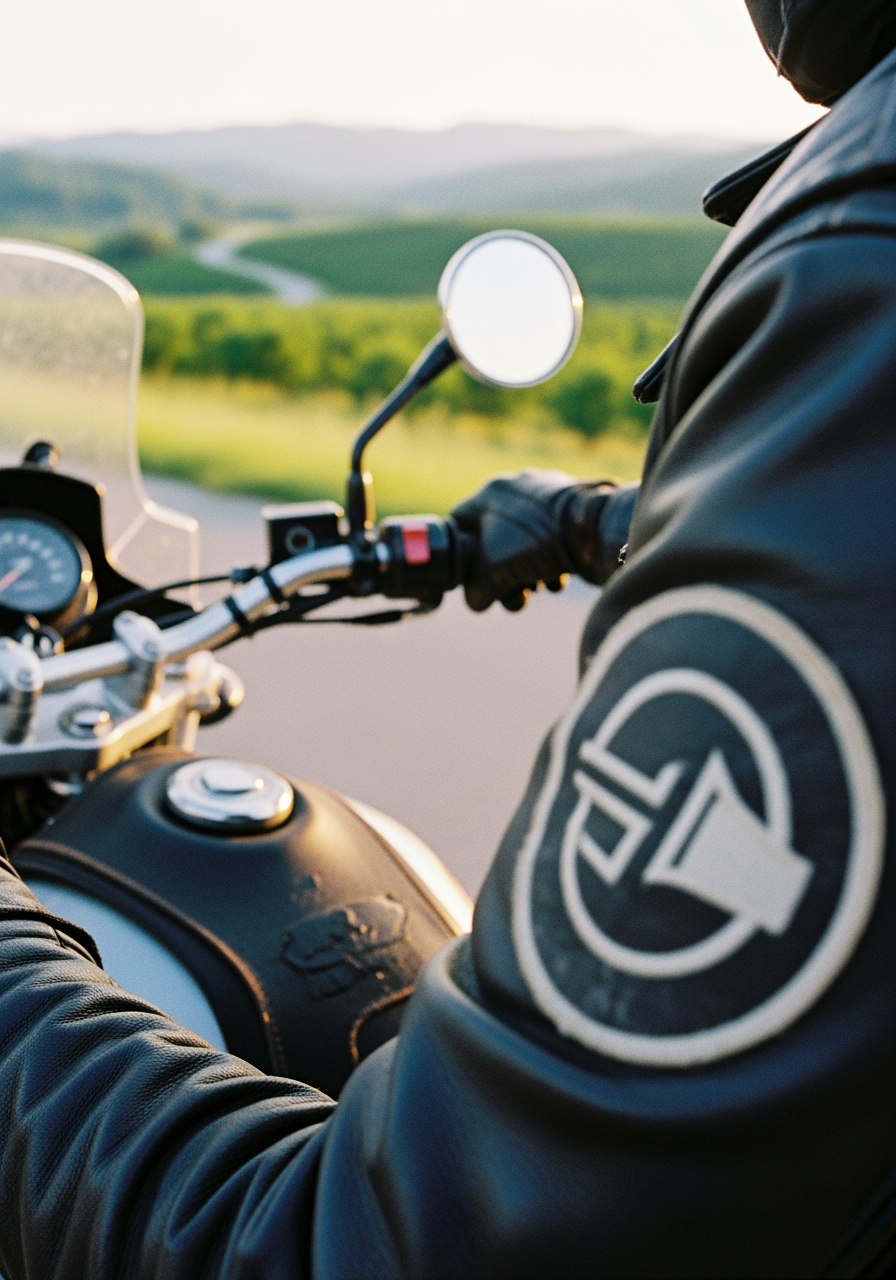
Gear & New Iron
Riding gloves are not all the same and your hands hit the ground first in almost every fall. Look for hard knuckle protection, palm sliders, and a real wrist closure that will not peel off on impact. Fingerless gloves look cool until you are picking gravel out of your palm. Summer mesh gloves exist that breathe AND protect, so there is no excuse in the SC heat. Protect the hands you use to work, ride, and live. What is on your hands right now?
#RideNationColumbia #RidingGloves #ATGATT #GearUp
Safety & SC Law
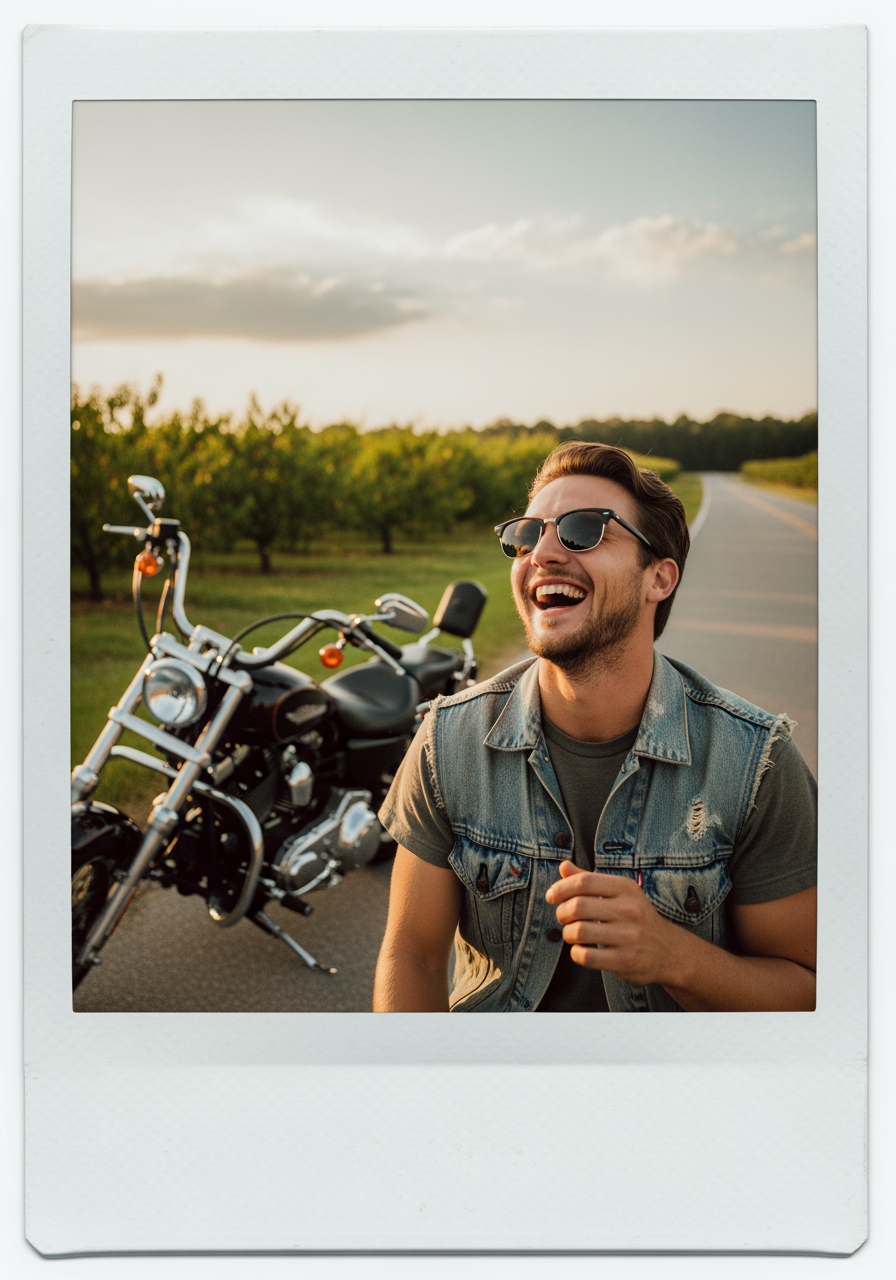
SC runs on modified comparative negligence and that 51 percent number can wreck your claim.
Here is the deal: if you are found more than 50 percent at fault for a crash, you recover nothing. At 50 percent or less, your payout just gets reduced by your share. Insurance adjusters know this rule cold and will try to pin extra blame on the rider every single time.
What you say at the scene matters. Be careful with it.
The Jeffcoat Firm knows this fight. (803) 200-2000.
#RideNationColumbia #SCMotorcycleLaw #KnowYourRights #RideSafe
Local SC & Rides
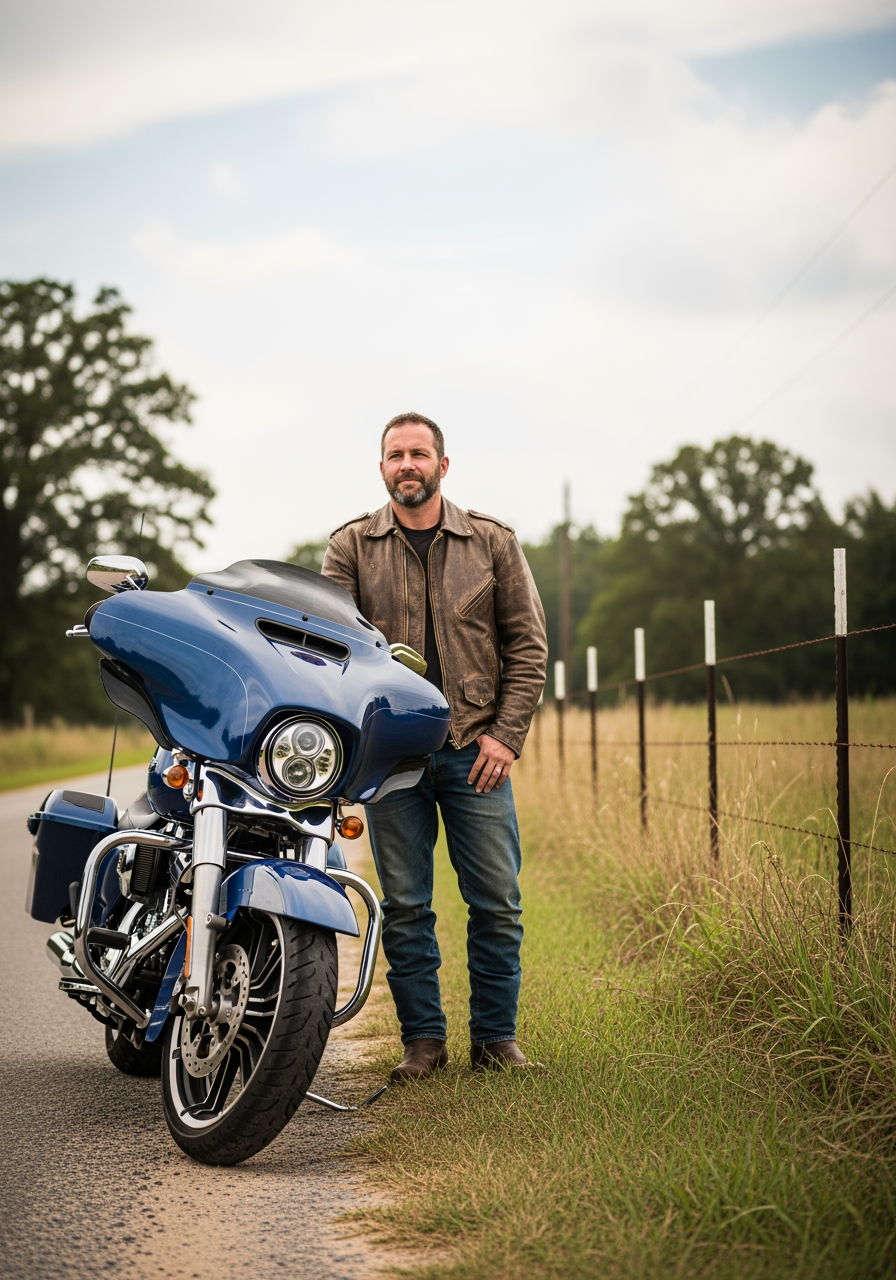
Local shop appreciation post. Your corner SC bike shop is the one keeping your ride safe season after season. Tell us who wrenches on your machine in the Midlands or Upstate. Tag them and show some love. The good ones deserve the shoutout.
#RideNationColumbia #SCBikeShops #SupportLocal #SouthCarolinaRiding
Giveaway & Countdown
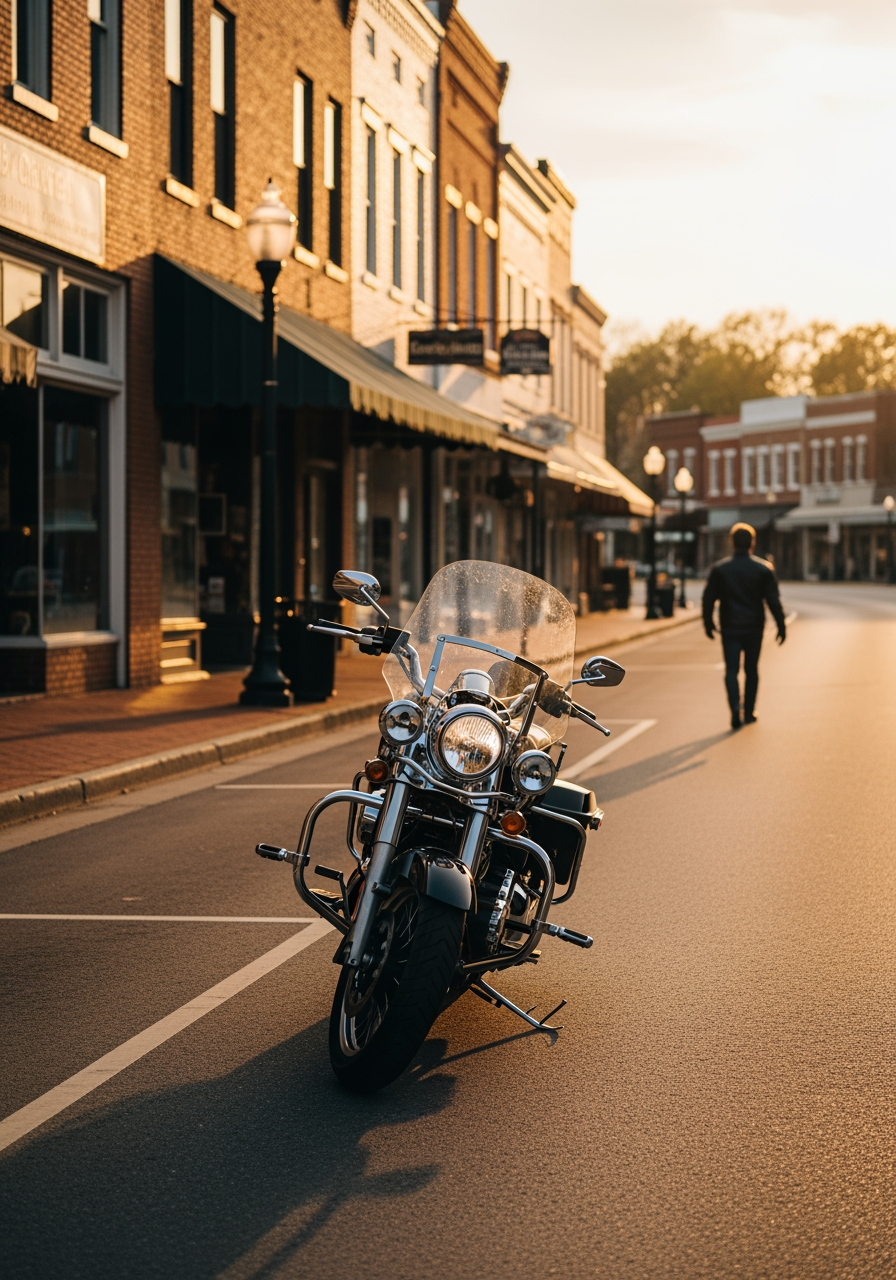
Chrome, torque, and a $20,000 head start. The BikersWin giveaway lets you pick any bike if your name gets drawn December 10. Free to enter. What is the first thing you would chrome out? Link in the comments. ✨ #RideNationColumbia #BikersWin #MotorcycleGiveaway #Midlands
Engagement
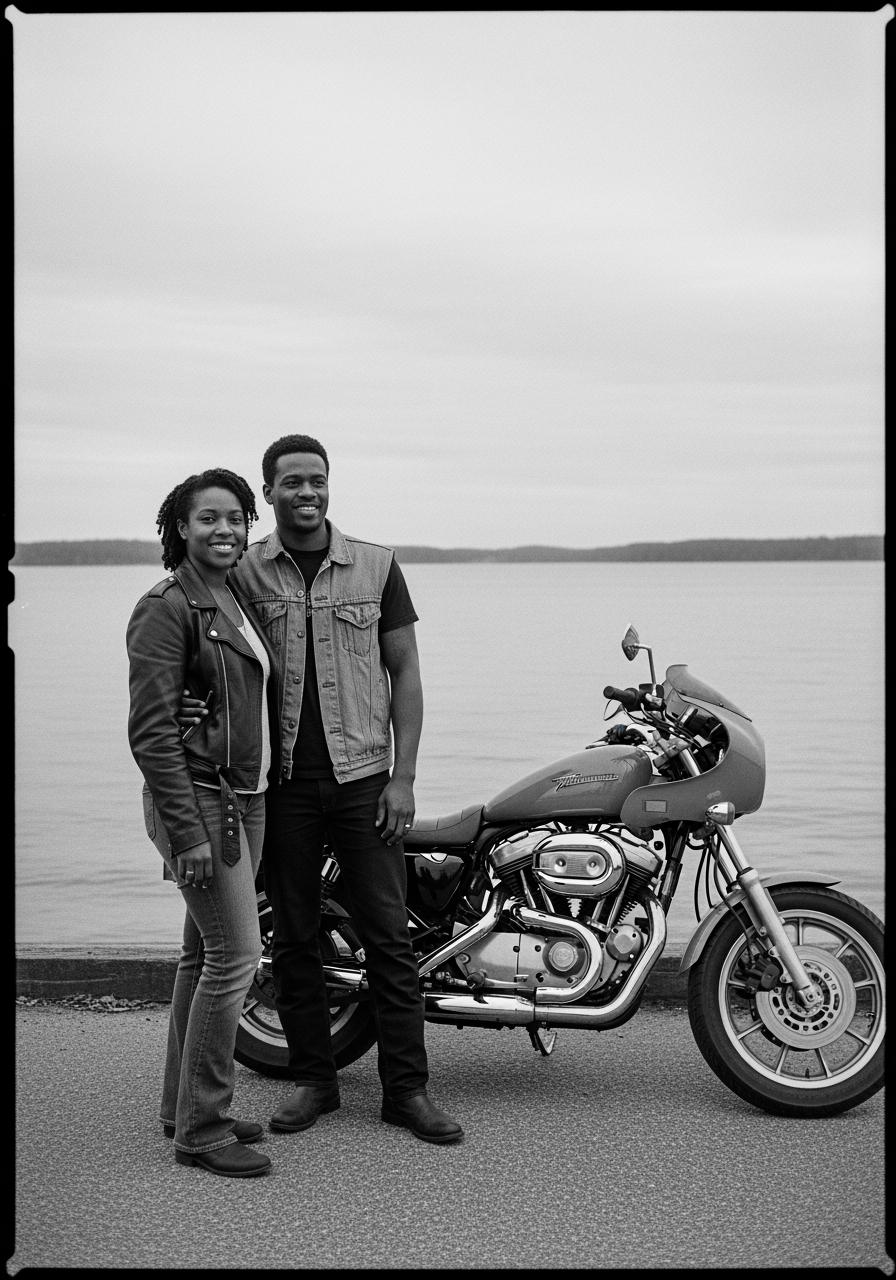
POLL. Best road in South Carolina, no debate allowed but please debate. Comment your route.
1. Highway 11 Cherokee Foothills
2. The Lake Murray dam loop
3. Ocean Boulevard down at the beach
4. Some backroad you'll never tell us about
#RideNationColumbia #SCRiders #BestRoads #MotorcyclePoll
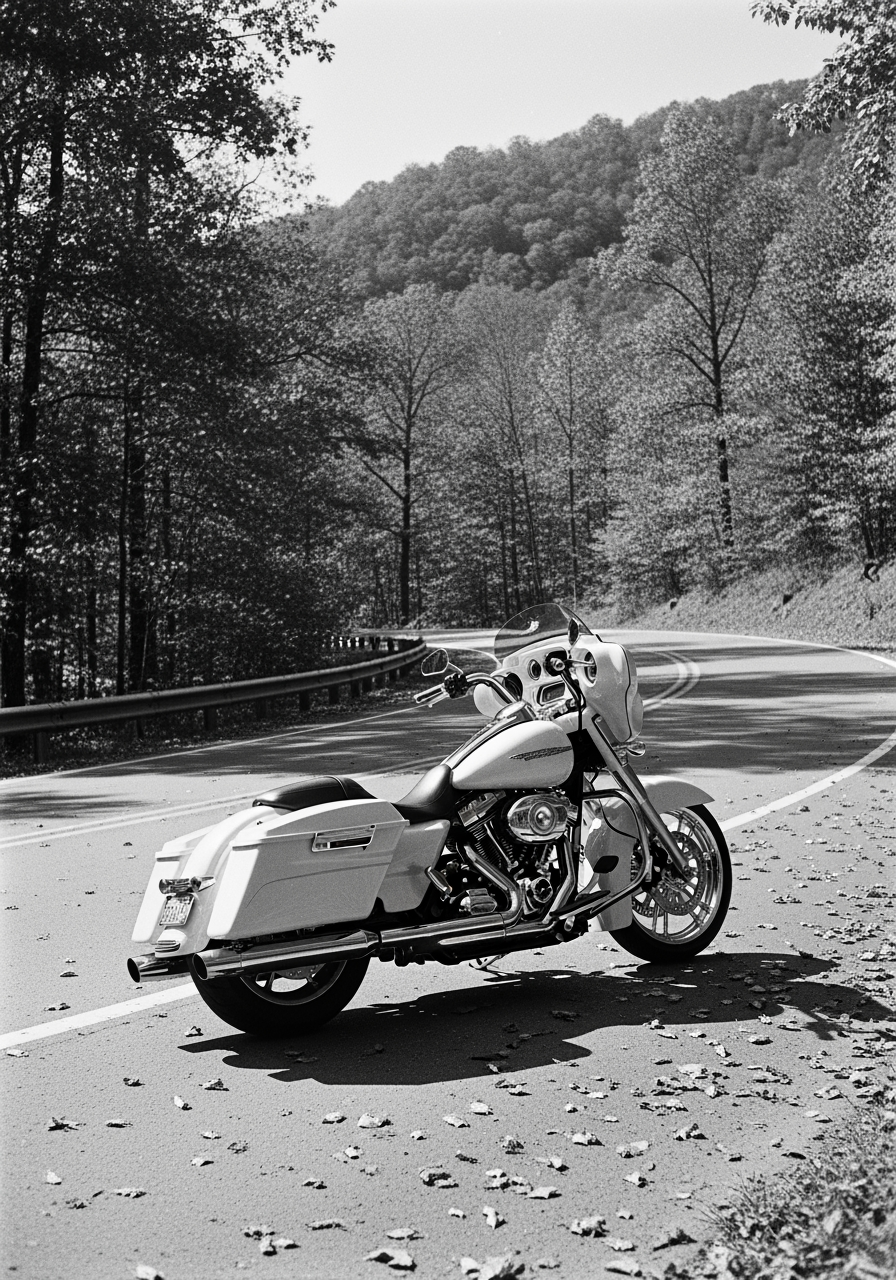
Gear & New Iron
The Indian Scout got a ground up redesign for 2025 and it is a real shootout with the Sportster crowd now. New SpeedPlus 1250 engine, more power across the board, and trim levels from the stripped Scout Bobber to the loaded 101 Scout. Cleaner lines, modern ride modes, and that low slung stance that begs for Lake Murray backroads. Indian is swinging hard at the middleweight cruiser market. Scout or Sportster, where do you land?
#RideNationColumbia #IndianScout #NewIron #CruiserLife
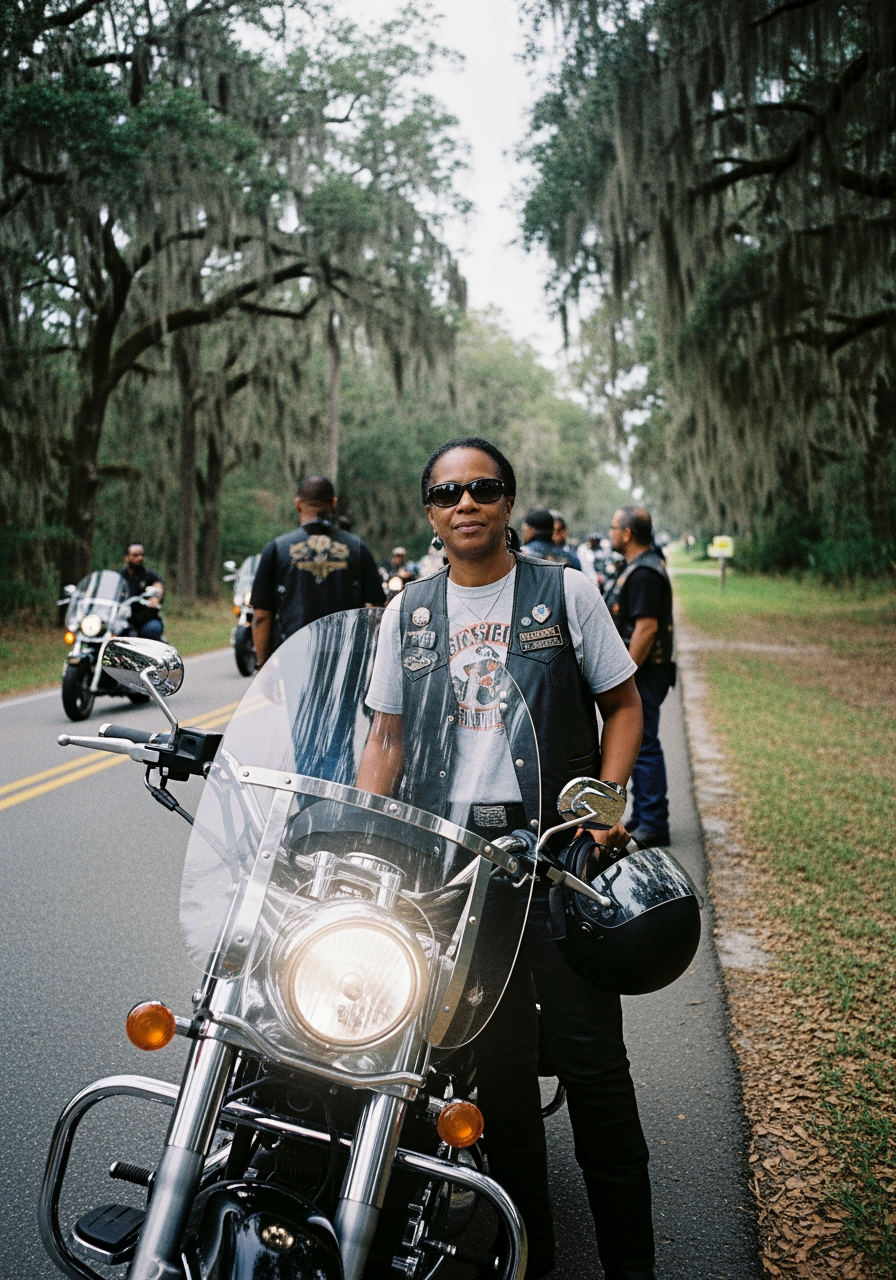
Safety & SC Law
Recall check Sunday. Two minutes, could save your life.
Manufacturers issue recalls on brakes, fuel systems, and electrical gremlins more often than riders realize, and the postcard usually ends up in the trash. Go to nhtsa.gov, punch in your VIN, and find out if your bike has an open recall sitting there unfixed.
Dealers fix recall items free. Do it before riding season peaks.
#RideNationColumbia #MotorcycleRecall #RideSafe #SCRiders
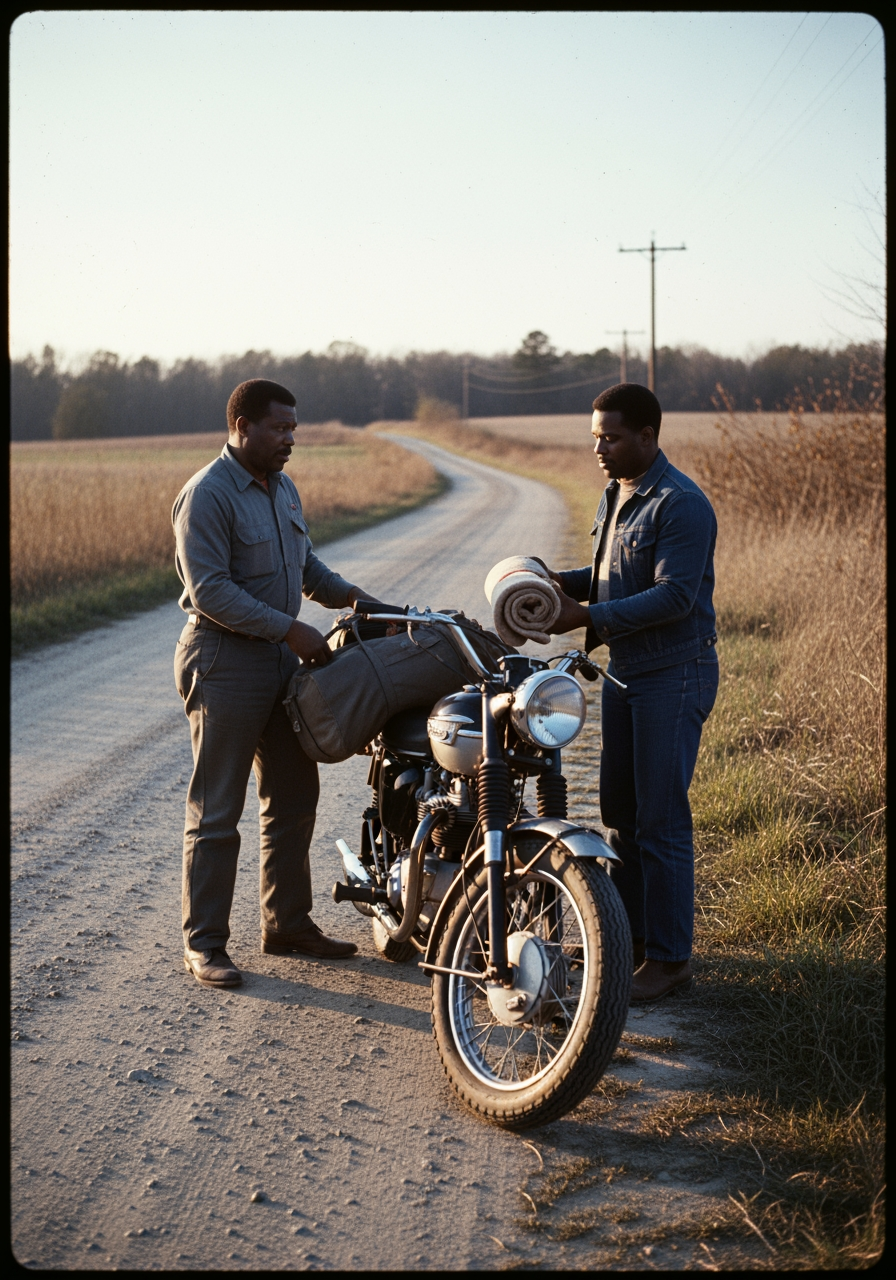
Engagement
This or that. Loud pipes or stealth mode? One side wakes the neighborhood, one side sneaks up on deer. Where do you land?
#RideNationColumbia #LoudPipes #SCRiders #MotorcycleLife
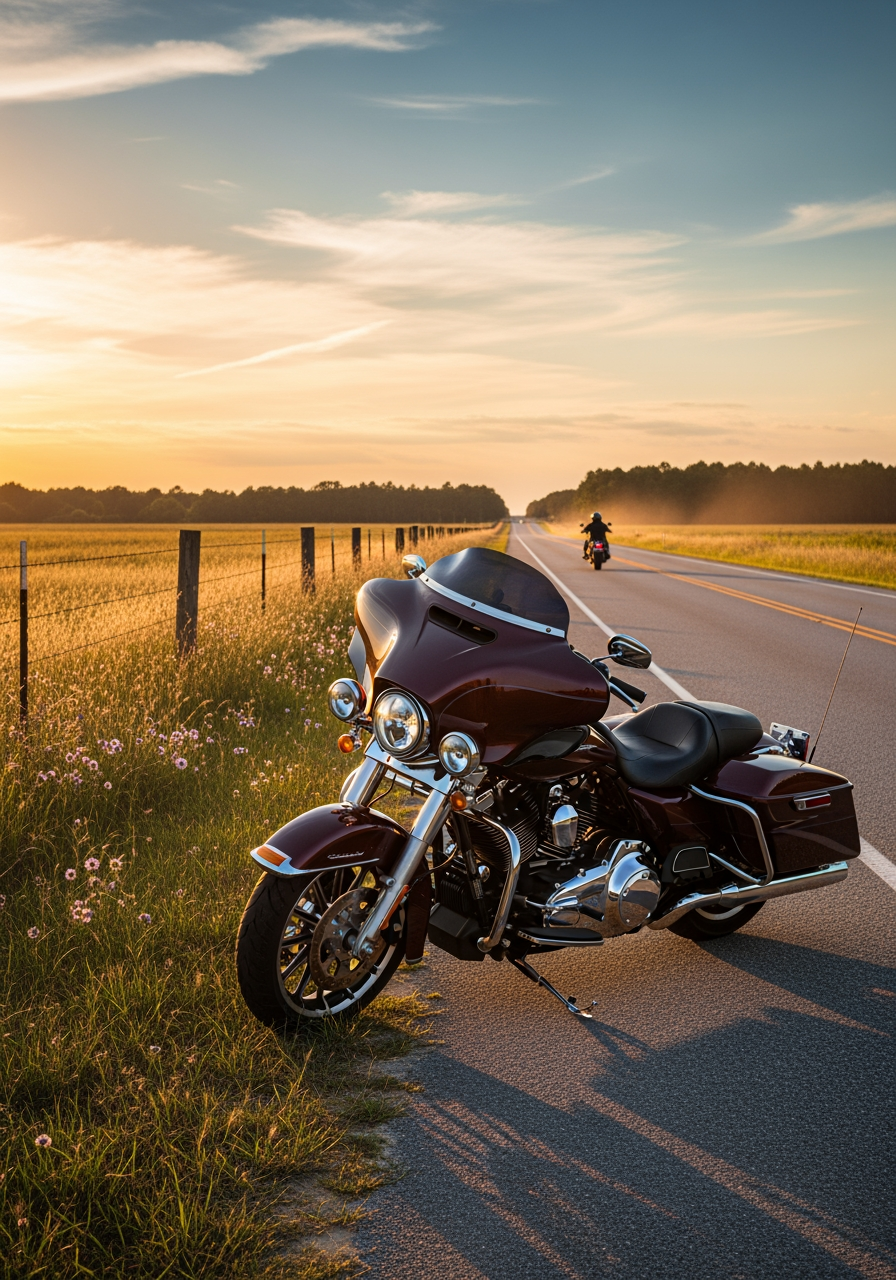
Giveaway & Countdown
Every entry counts the same. Whether you ride a 30 year old project bike or a fresh off the floor cruiser, you have the exact same shot at $20,000. Free, fair, December 10. Link in the comments. 🤝 #RideNationColumbia #BikersWin #SouthCarolina #SCriders
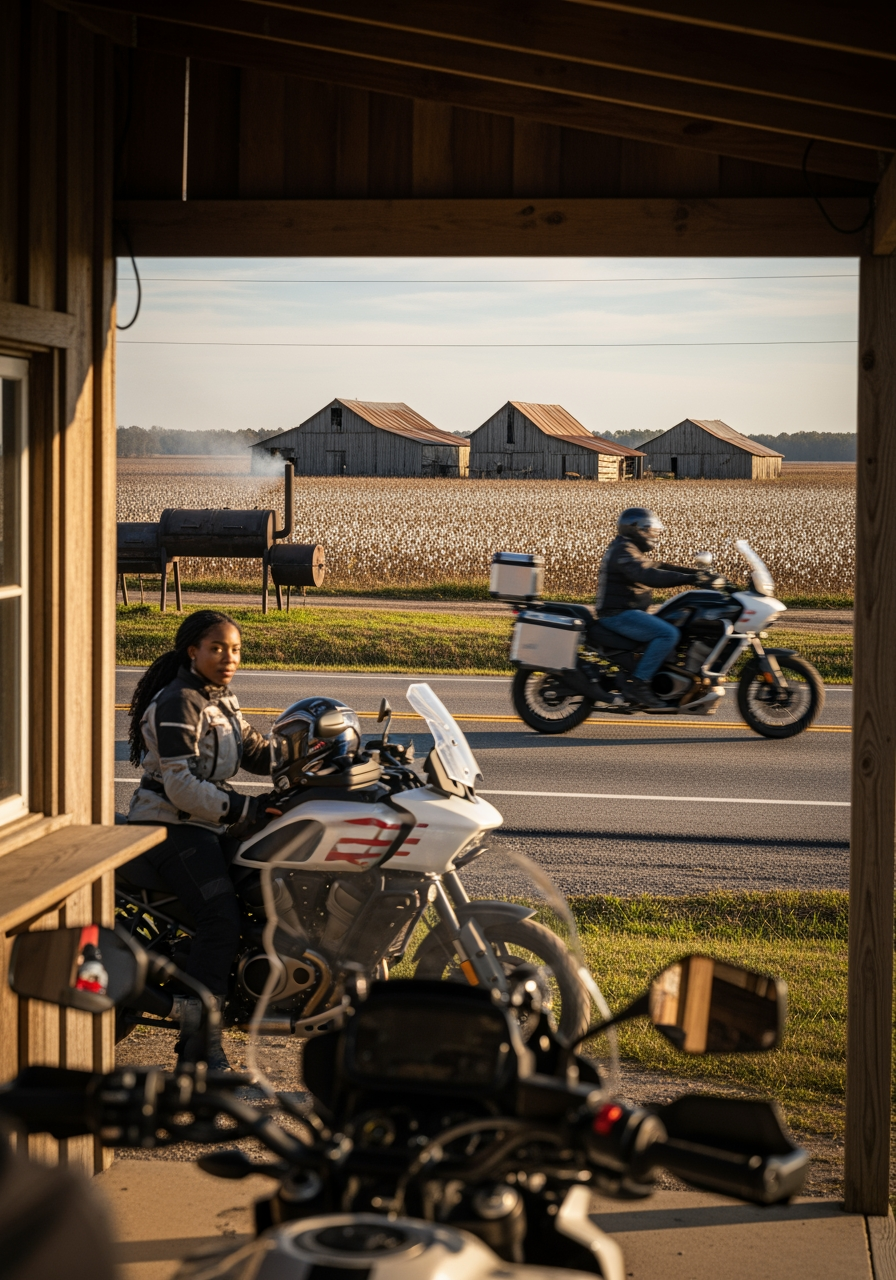
Local SC & Rides
Cool coastal mornings on US-17 before the tourists wake up. Just you, the salt air, and a wide open road hugging the Atlantic. Grand Strand riding does not get better than a sunrise run. Coffee in Murrells Inlet after? Now that is a perfect Saturday.
#RideNationColumbia #US17 #GrandStrand #SCRides
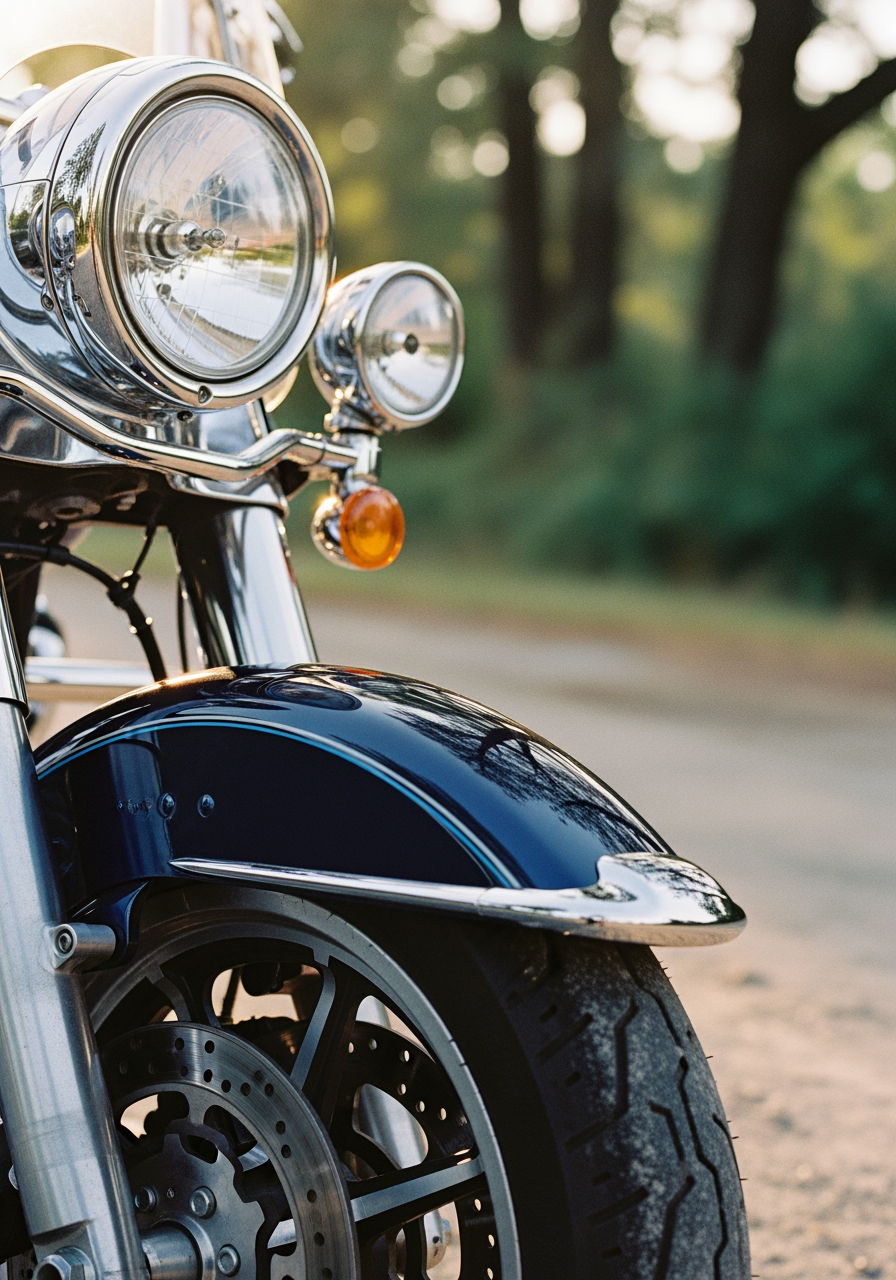
Gear & New Iron
Your brake fluid is probably overdue. It absorbs moisture over time, which lowers the boiling point and gives you that soft mushy lever feeling on long descents in the foothills. Most manufacturers say flush it every two years regardless of mileage. If you have never done it and you have owned the bike a while, that fluid is dark and tired. Fresh fluid means a firm lever and brakes that bite when you need them. When did your bike last get a flush?
#RideNationColumbia #BrakeMaintenance #MotoTips #RideSafe
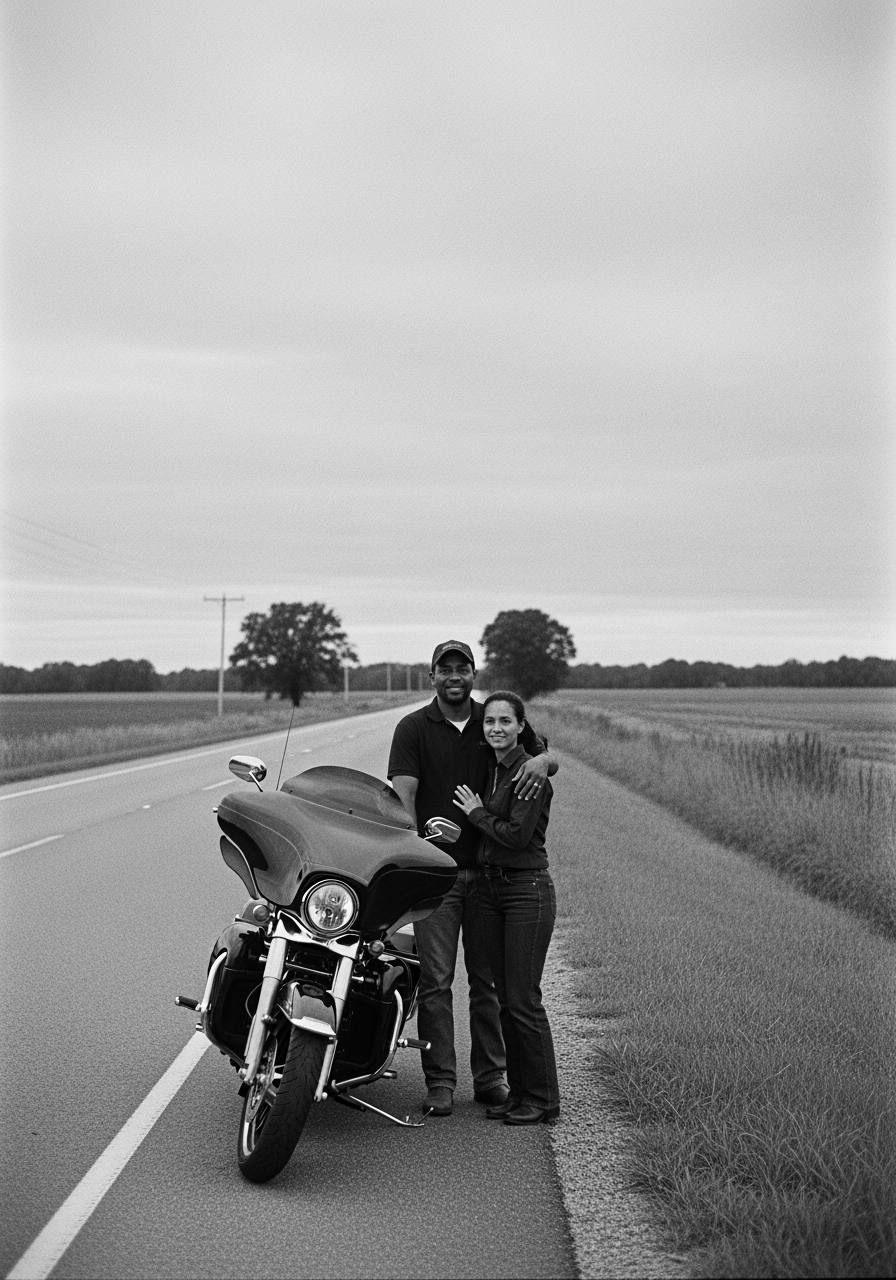
Safety & SC Law
Myrtle Beach run coming up? The Grand Strand throws every hazard at you at once.
Tourists who do not know the roads, sand blown across the asphalt, sudden stops for parking, and pedestrians stepping off curbs without looking. Bike Week energy is great but the coastal mix is no joke.
Leave extra following distance, ride your own pace not the pack's, and keep your eyes scanning wide.
Get there and get home.
#RideNationColumbia #MyrtleBeach #GrandStrand #RideSafe
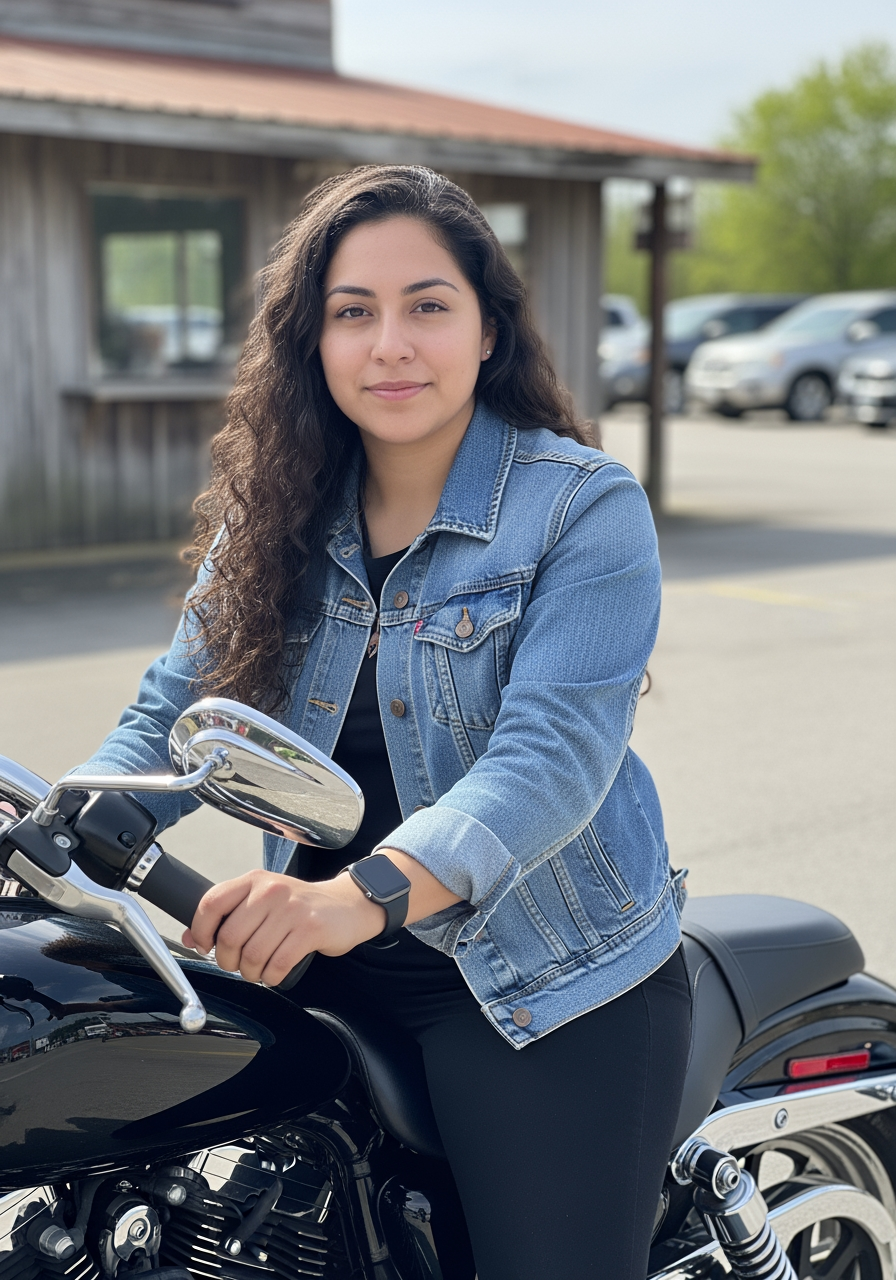
Engagement
Caption this. The face you make when you find the perfect parking spot right out front. Give us your best line.
#RideNationColumbia #CaptionThis #BikerHumor #SCRiders
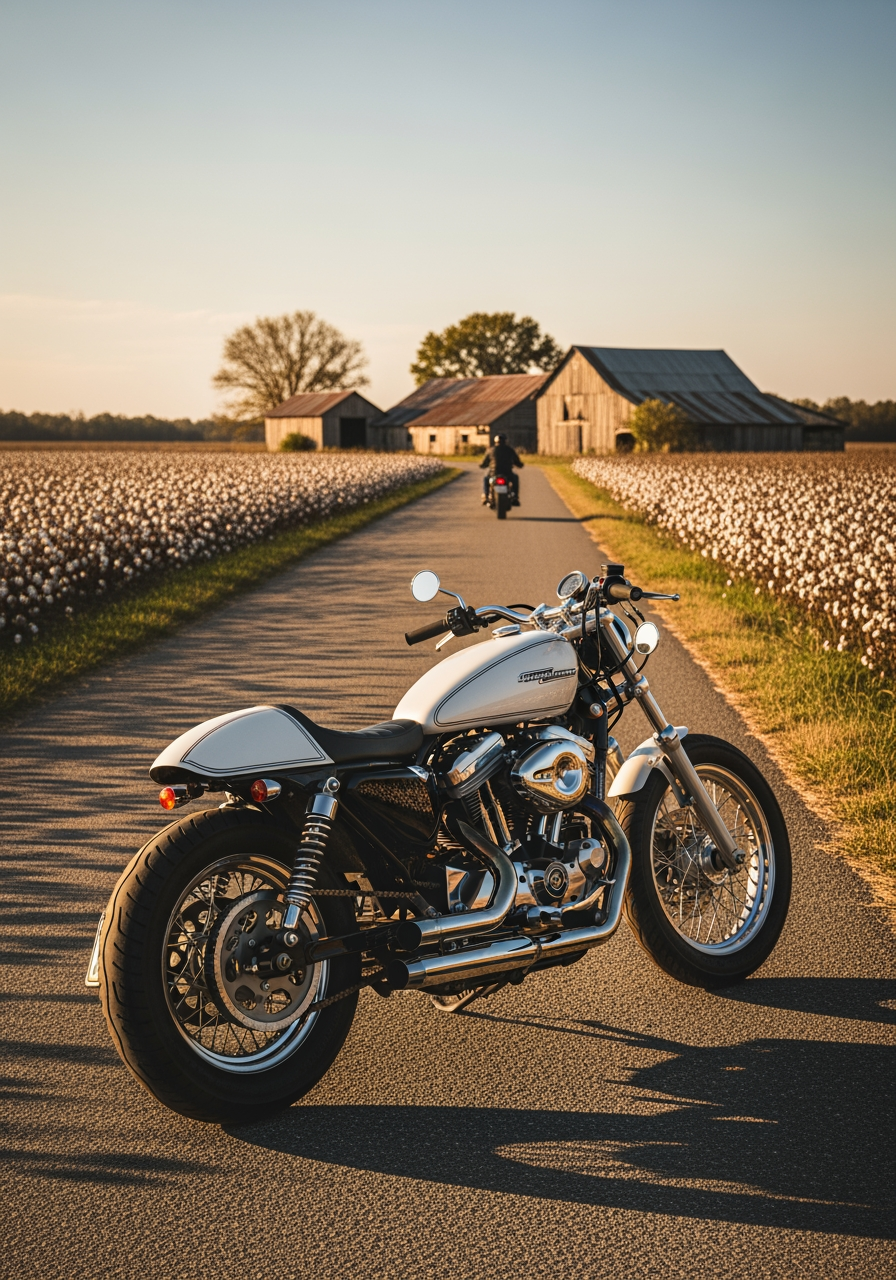
Giveaway & Countdown
Sunday ride plan. Coffee, open road, and 30 seconds to enter the BikersWin $20,000 giveaway before you roll out. Knock it out now so future you is in the running December 10. Link in the comments. ☕ #RideNationColumbia #BikersWin #SundayRide #ColumbiaSC
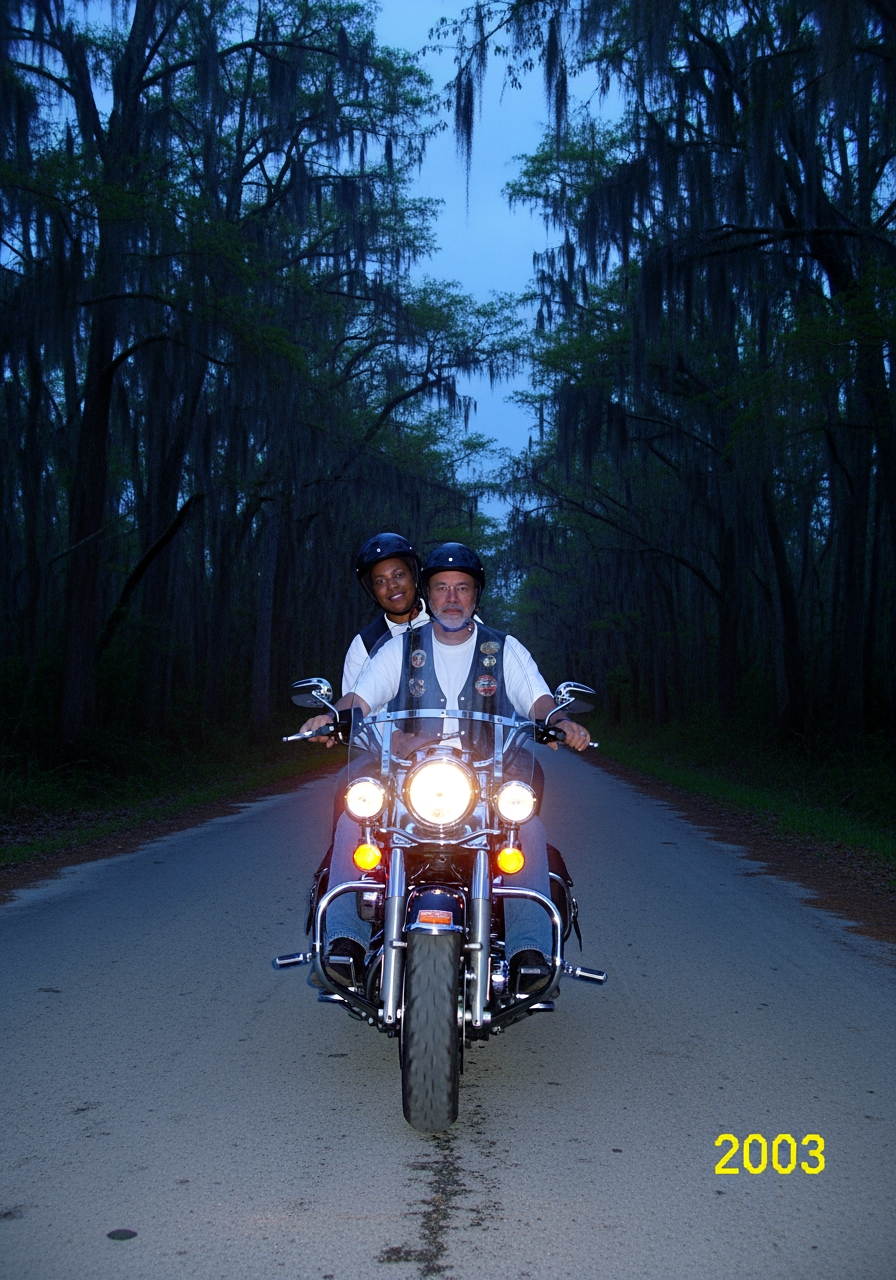
Local SC & Rides
Upstate foothills season is open. The Blue Ridge edge gives SC riders real elevation and real curves without leaving the state. Pack a jacket for the morning chill up high. Trust us, it gets cooler than the Midlands fast. Who is heading up to the mountains this weekend?
#RideNationColumbia #UpstateRiders #BlueRidge #SouthCarolinaRiding
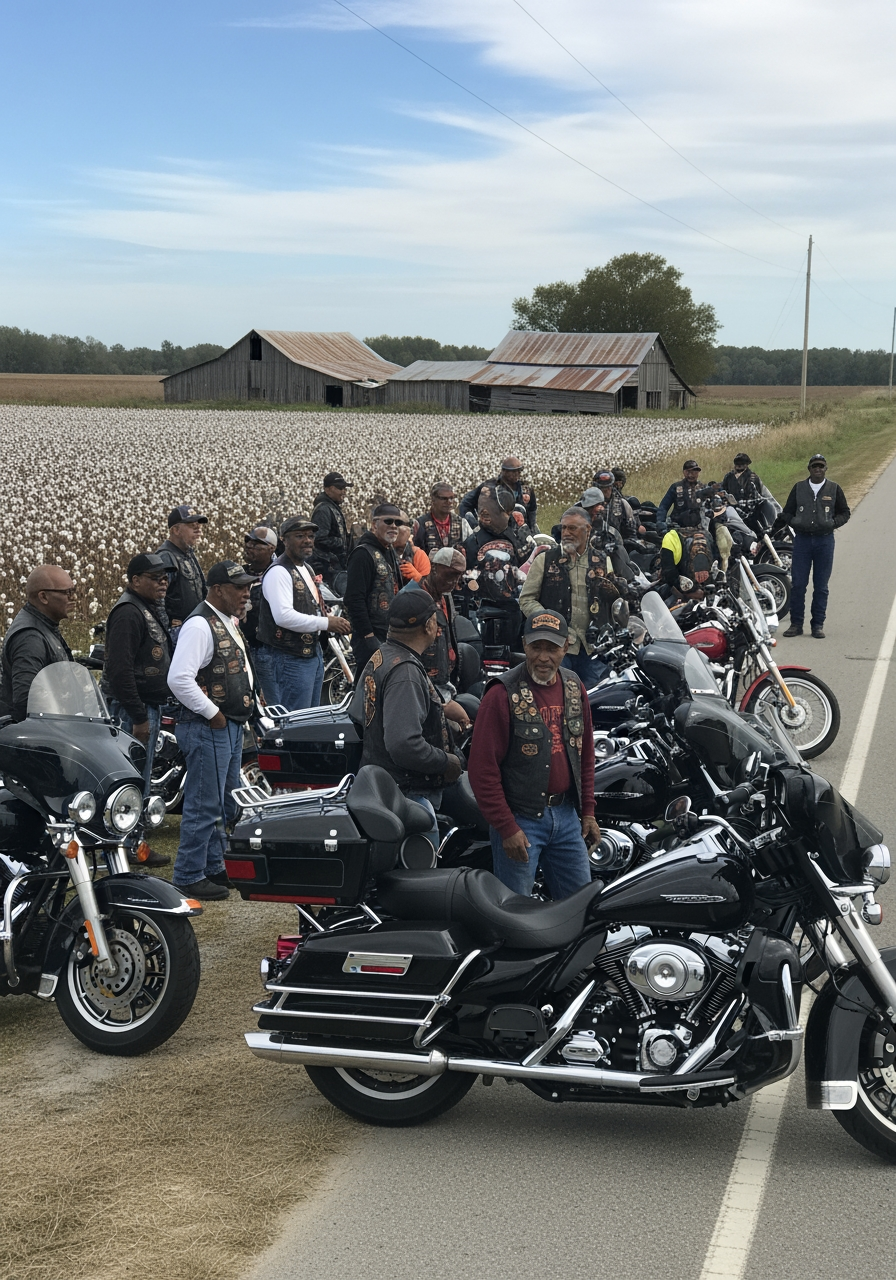
Engagement
Would you rather only ride at sunrise for the rest of your life, or only ride at midnight? Pick a side and own it.
#RideNationColumbia #WouldYouRather #SCRiders #RideNation
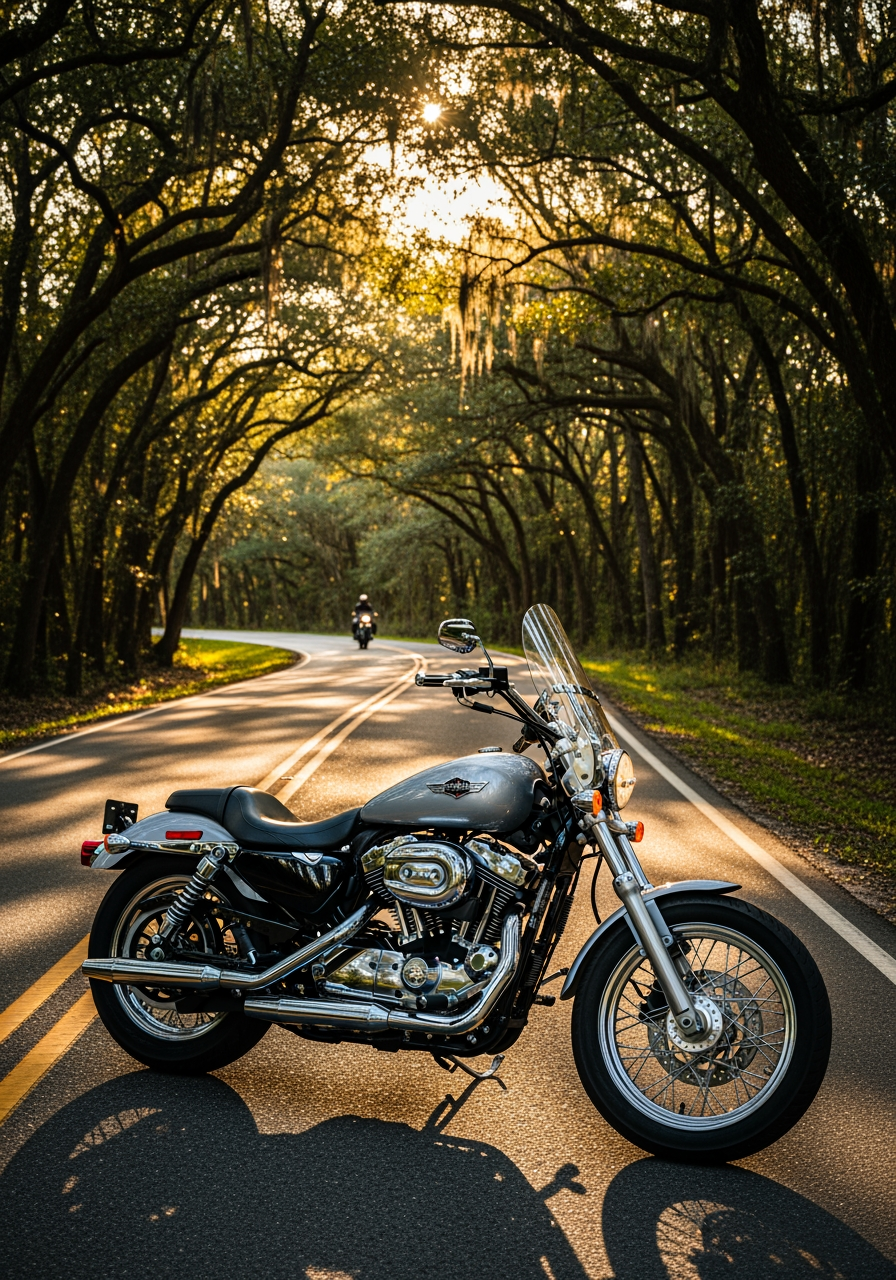
Giveaway & Countdown
Real talk. $20,000 toward any motorcycle is a life changer for a lot of riders out there. The BikersWin giveaway is free to enter and one of you is going to win it December 10. Get in. Link in the comments. 🏁 #RideNationColumbia #BikersWin #MotorcycleGiveaway #SouthCarolina
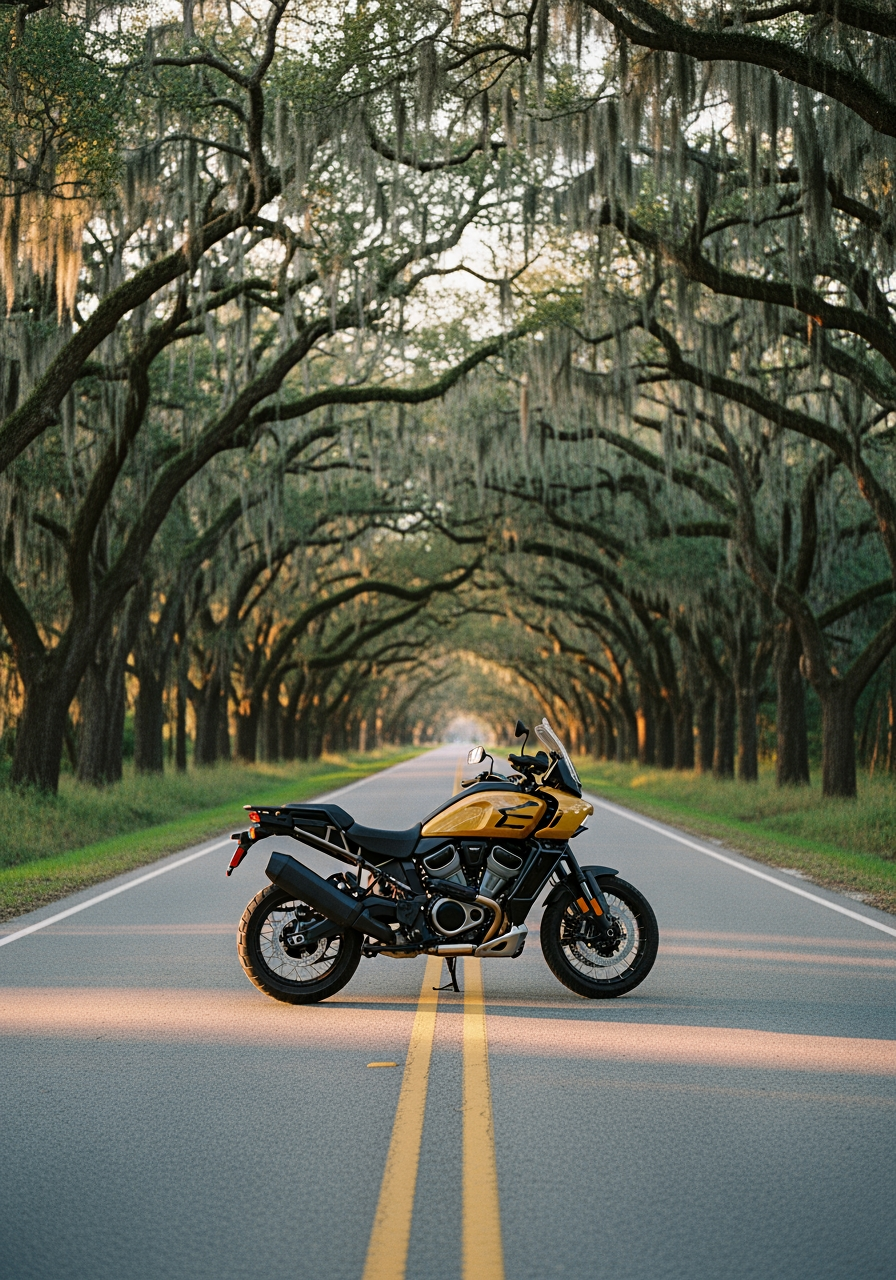
Gear & New Iron
Riding boots over sneakers, every single time. Ankle protection, a sole that grips a wet peg, and a shank that keeps your foot from twisting if the bike lands on it. Sneakers shred on contact and offer your ankle zero support. The good news is modern riding boots look like regular boots and shoes now, so you can walk into work or a Columbia brewery without clomping around in moon boots. Feet are easy to ruin and slow to heal. What are you riding in?
#RideNationColumbia #RidingBoots #ATGATT #GearUp
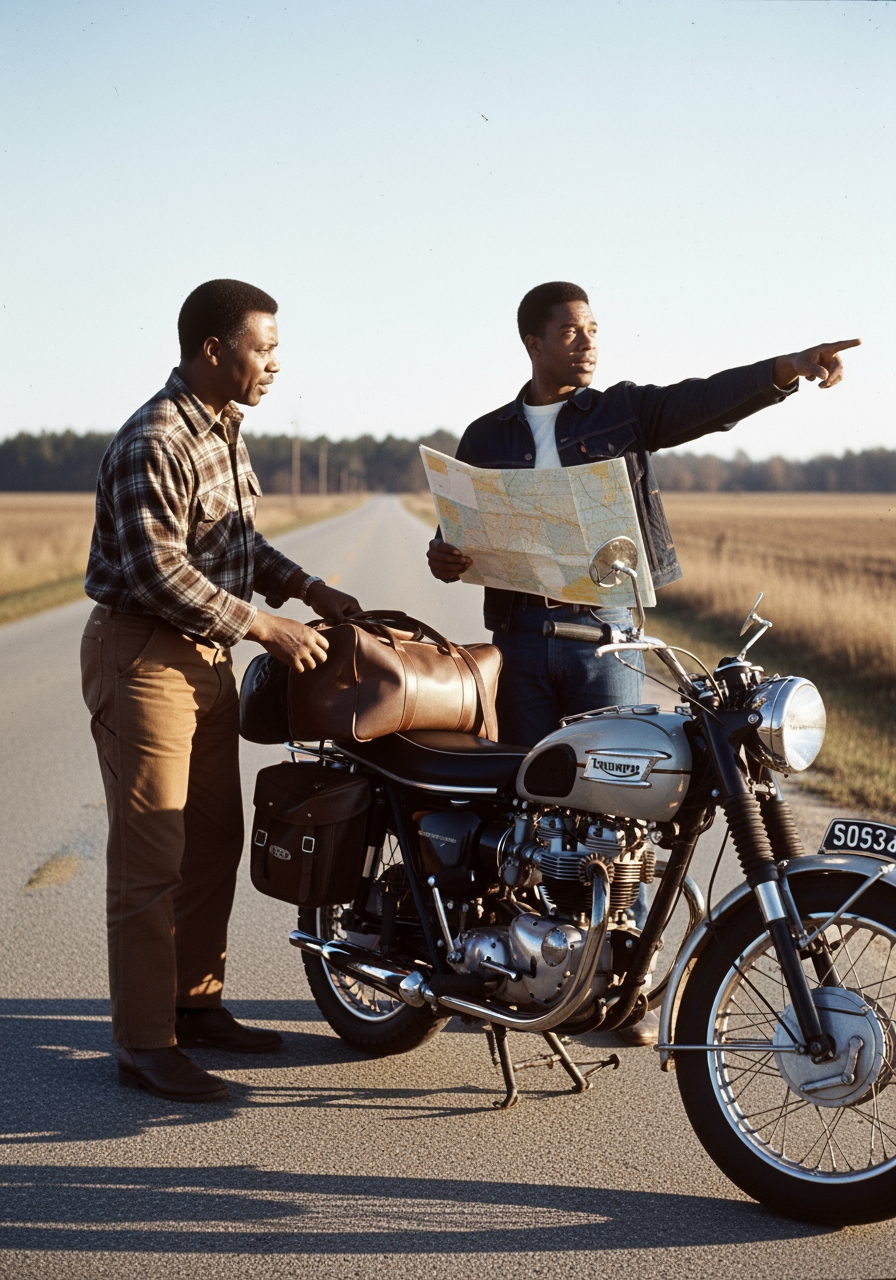
Safety & SC Law
Your tires are the only thing between you and the road. Treat them that way.
Midlands heat cooks rubber. Check pressure cold before every ride, eyeball the tread depth, and run your hand around for dry rot cracks if the bike sat all winter. A slow leak you ignore becomes a blowout at 65 on I-20.
Five minutes in the garage beats a tow truck on the interstate.
#RideNationColumbia #RideSafe #MotorcycleMaintenance #SCRiders
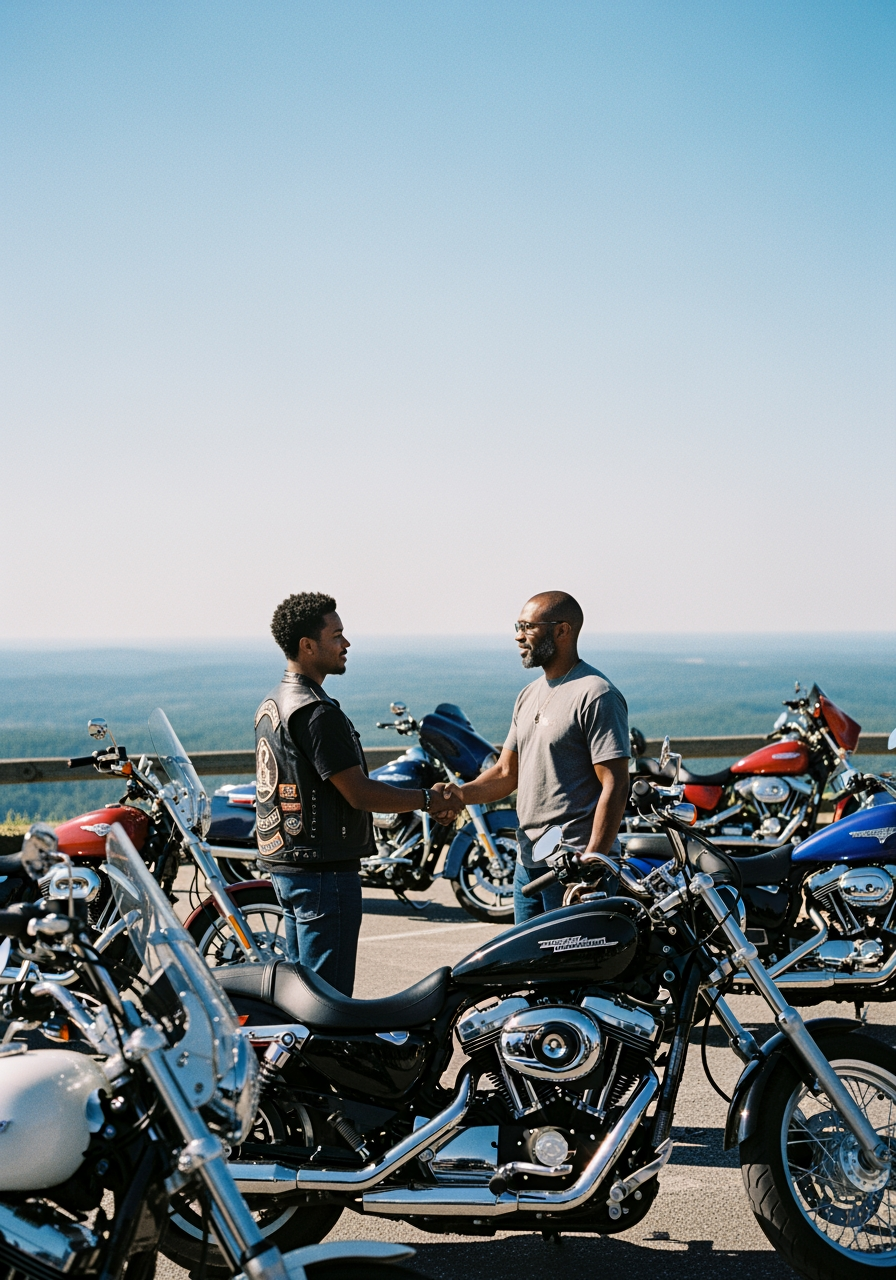
Local SC & Rides
Chrome and sunsets. There is a reason riders chase that golden hour light across the Midlands. The whole bike catches fire in the last hour before dark. Where is your favorite spot to catch the sun going down in SC? Tag the location.
#RideNationColumbia #GoldenHour #MidlandsRiders #SCRides
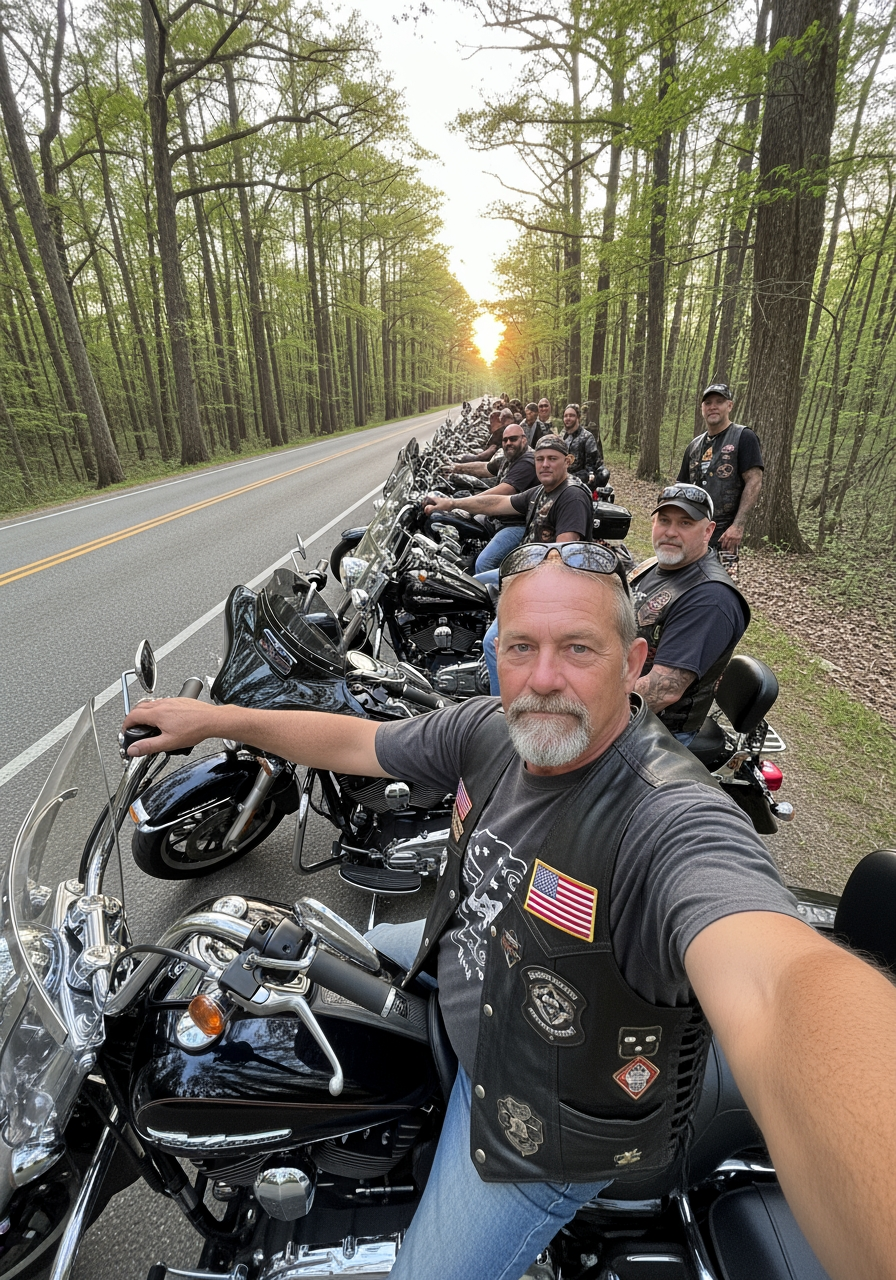
Engagement
Tag the friend you're dragging on the next Grand Strand run whether they like it or not. Beach run loading. Who's coming?
#RideNationColumbia #TagARider #MyrtleBeach #SCRiders
Giveaway & Countdown
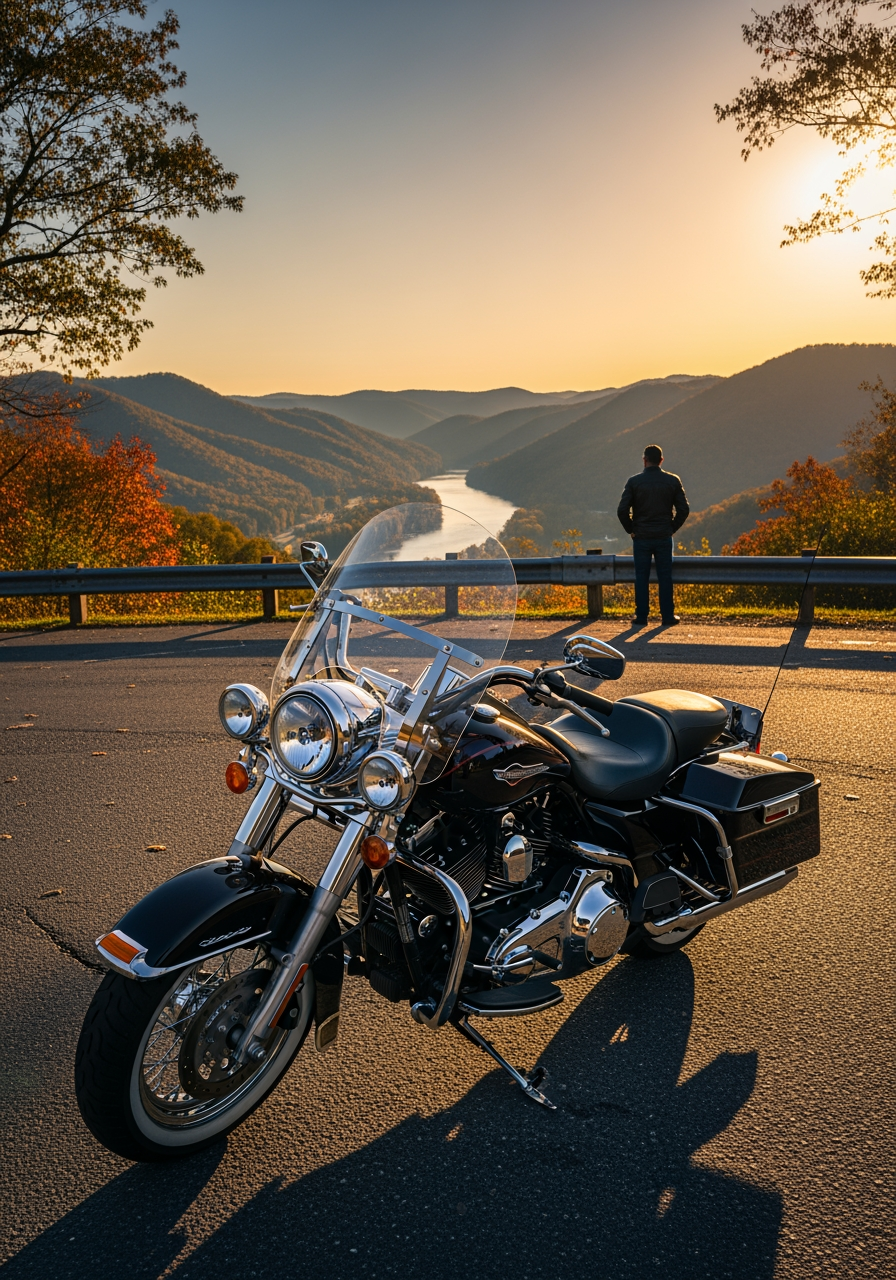
Lake Murray to the Blue Ridge foothills, South Carolina has some of the best riding in the Southeast. Now imagine carving it on a bike you won for free. BikersWin, $20,000, December 10. Link in the comments. 🏞️ #RideNationColumbia #BikersWin #LakeMurray #Upstate
Local SC & Rides
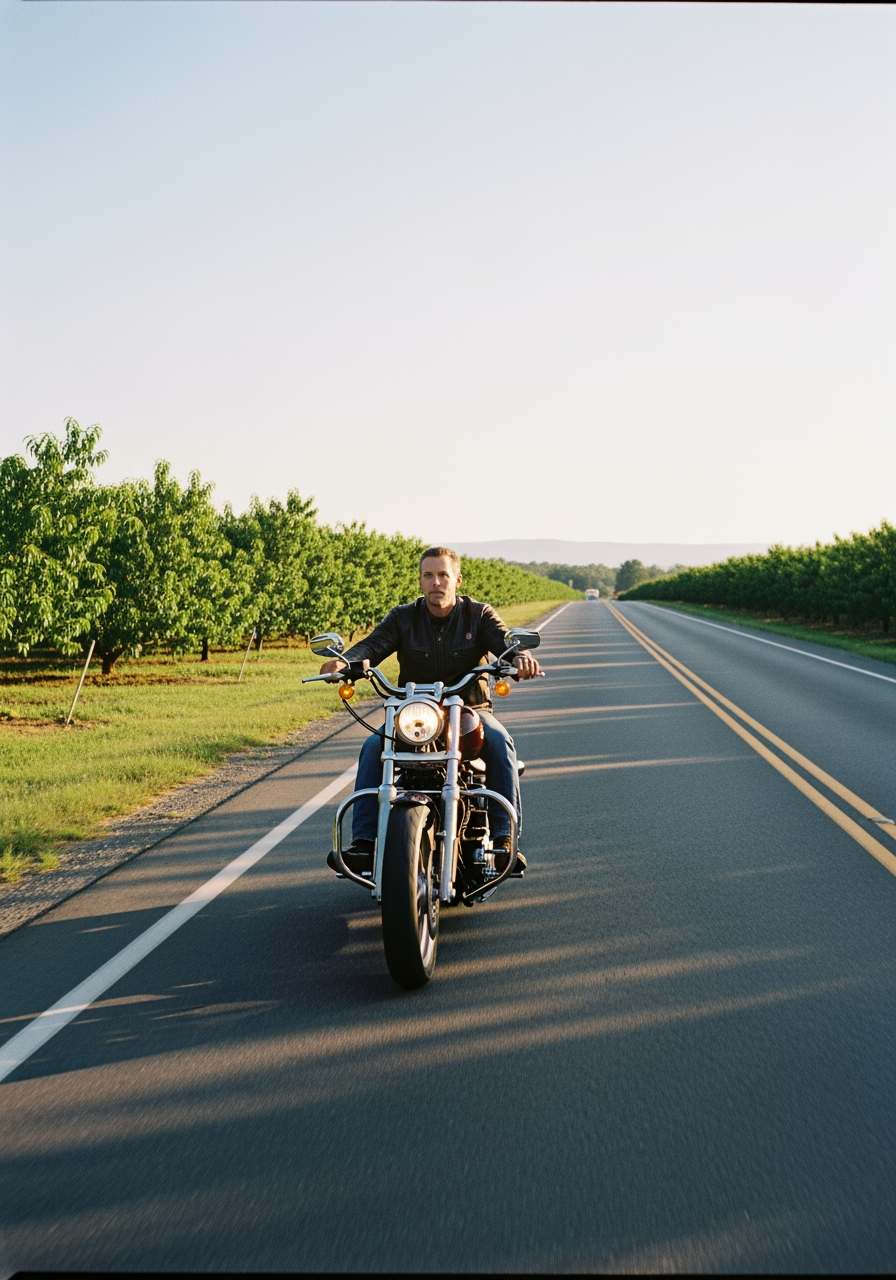
Lake Murray dam at sunrise is a Midlands rite of passage. The water goes glass smooth, the air is still cool, and you basically have the road to yourself. If you have not done a dawn run across it, this is your sign. Who is in for the next one?
#RideNationColumbia #LakeMurray #ColumbiaSC #MidlandsRiders
Gear & New Iron
Cooling vests are the secret weapon for SC summer rides. Soak it, wring it, wear it under your jacket, and evaporative cooling keeps your core temperature down for hours on a hot run to Myrtle Beach. Heat exhaustion on a bike is no joke, it slows your reactions and clouds your judgment right when you need both. Twenty bucks for one that keeps you sharp in August traffic is a steal. Anybody running a cooling vest through these Midlands summers?
#RideNationColumbia #SummerRiding #RidingTech #StayCool
Safety & SC Law
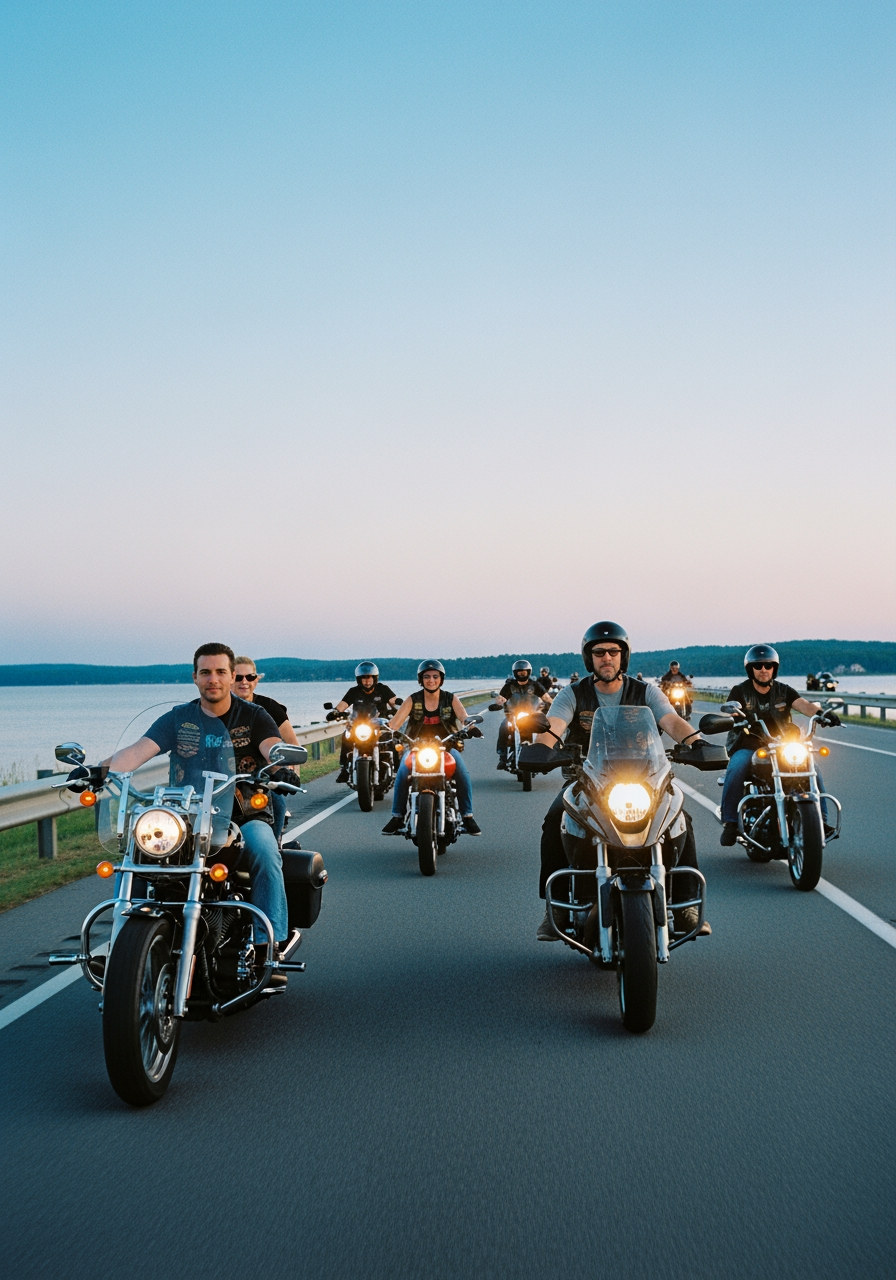
Got hit and the other driver had no insurance? You are not out of luck in SC.
This is exactly why South Carolina requires UM coverage on every policy. When the at-fault driver has nothing, your own uninsured motorist coverage steps in to handle your injuries. A lot of riders do not even know they have it until they need it.
Know what is on your policy before you ever have to use it.
Michael Jeffcoat and The Jeffcoat Firm fight for SC riders. (803) 200-2000.
#RideNationColumbia #UninsuredMotorist #SCMotorcycleLaw #RideSafe
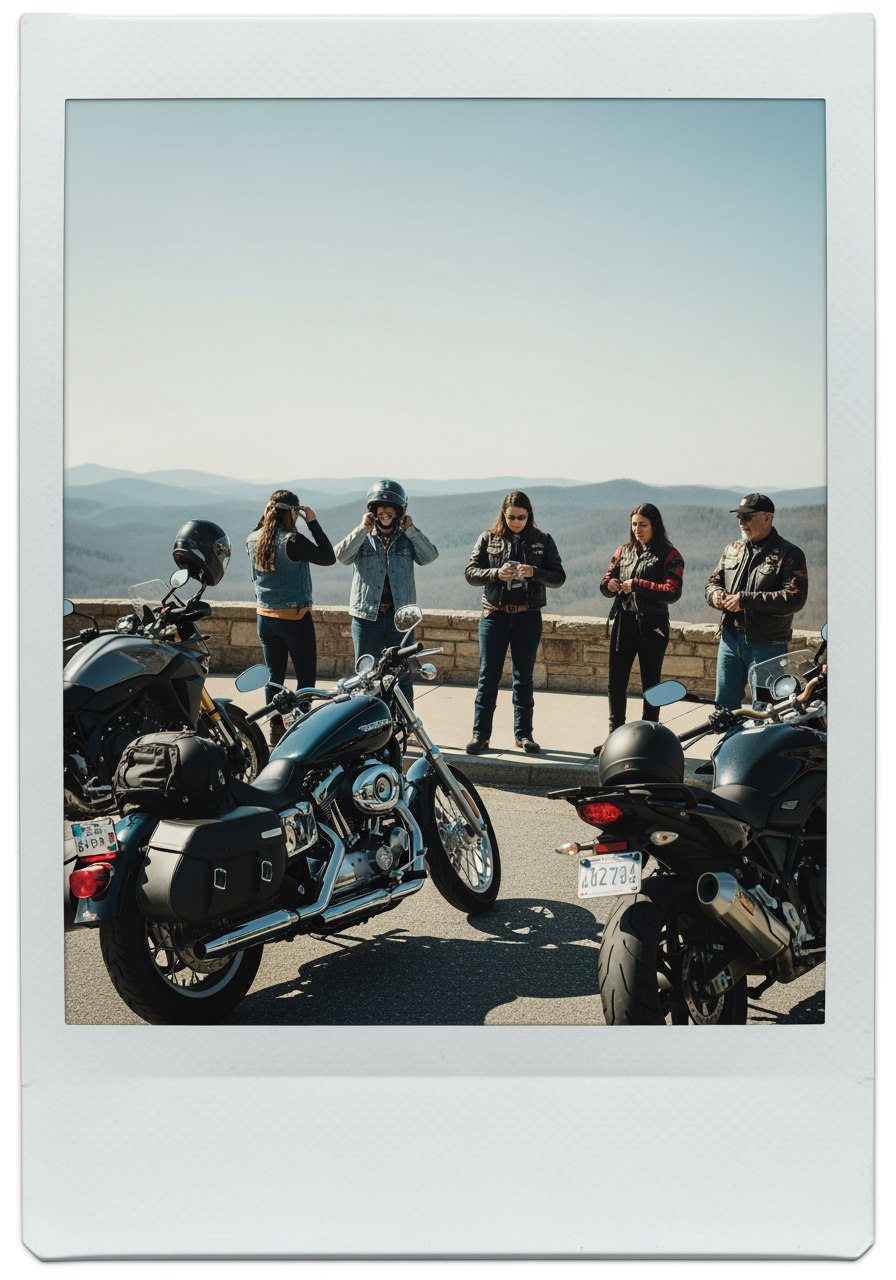
Engagement
POLL. How many bikes do you actually own? Be honest, no judgment here.
1. Just the one, she's perfect
2. Two, one for each mood
3. Three or more, it's a problem and I love it
4. Counting projects in the garage? Don't make me
#RideNationColumbia #SCRiders #GarageLife #MotorcyclePoll
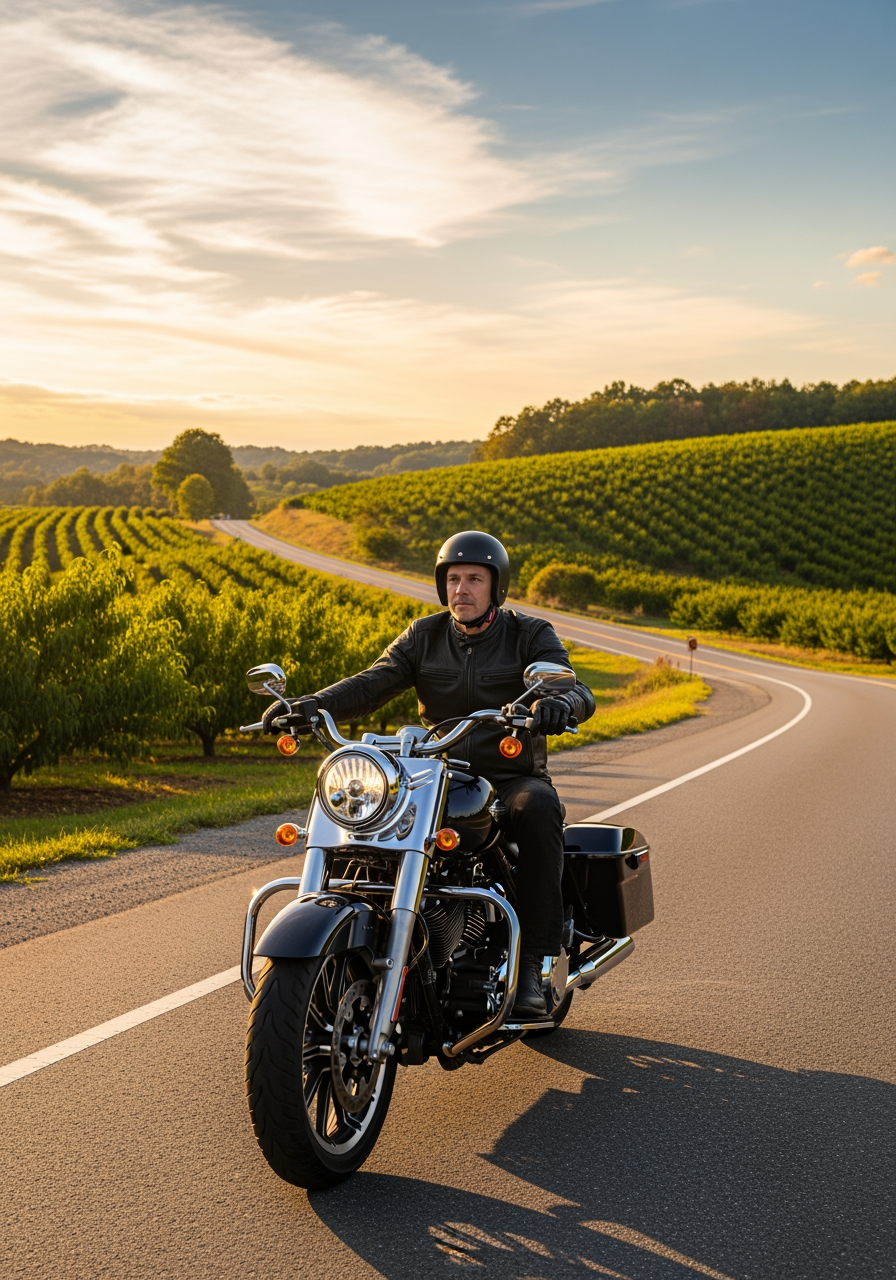
Giveaway & Countdown
Be honest. How many times have you scrolled past a giveaway and never entered? Break the habit this once. The BikersWin $20,000 prize is free, takes seconds, and drawn December 10. Link in the comments. 🙌 #RideNationColumbia #BikersWin #Countdown #SCriders
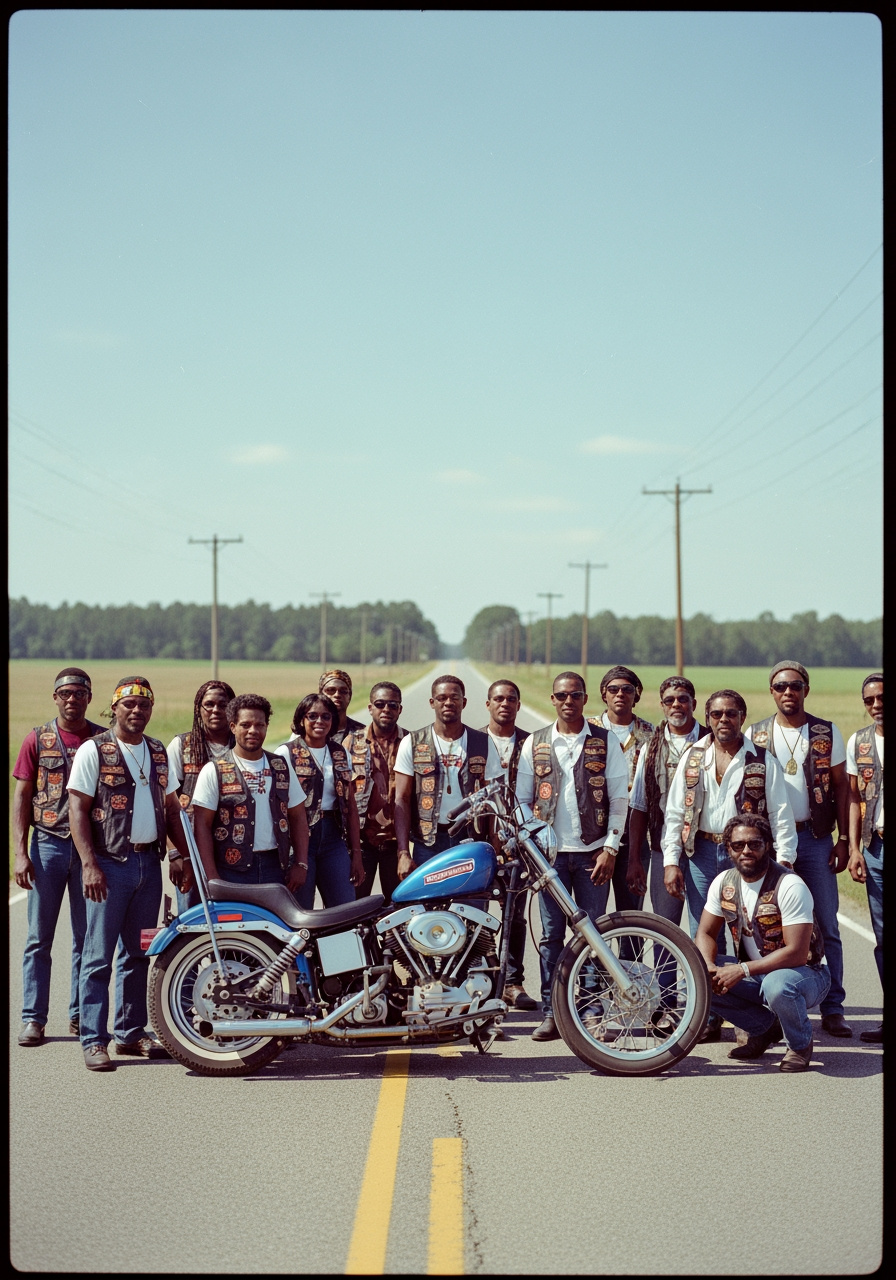
Local SC & Rides
Peach country runs deep through the SC-11 corridor. Spring blossoms, summer stands, the whole drive smells like the Upstate doing what it does best. Stop at a roadside stand, grab a bag, ride on. Simple pleasures. What roadside stop is a must on your SC-11 run?
#RideNationColumbia #SC11 #PeachCountry #UpstateRiders
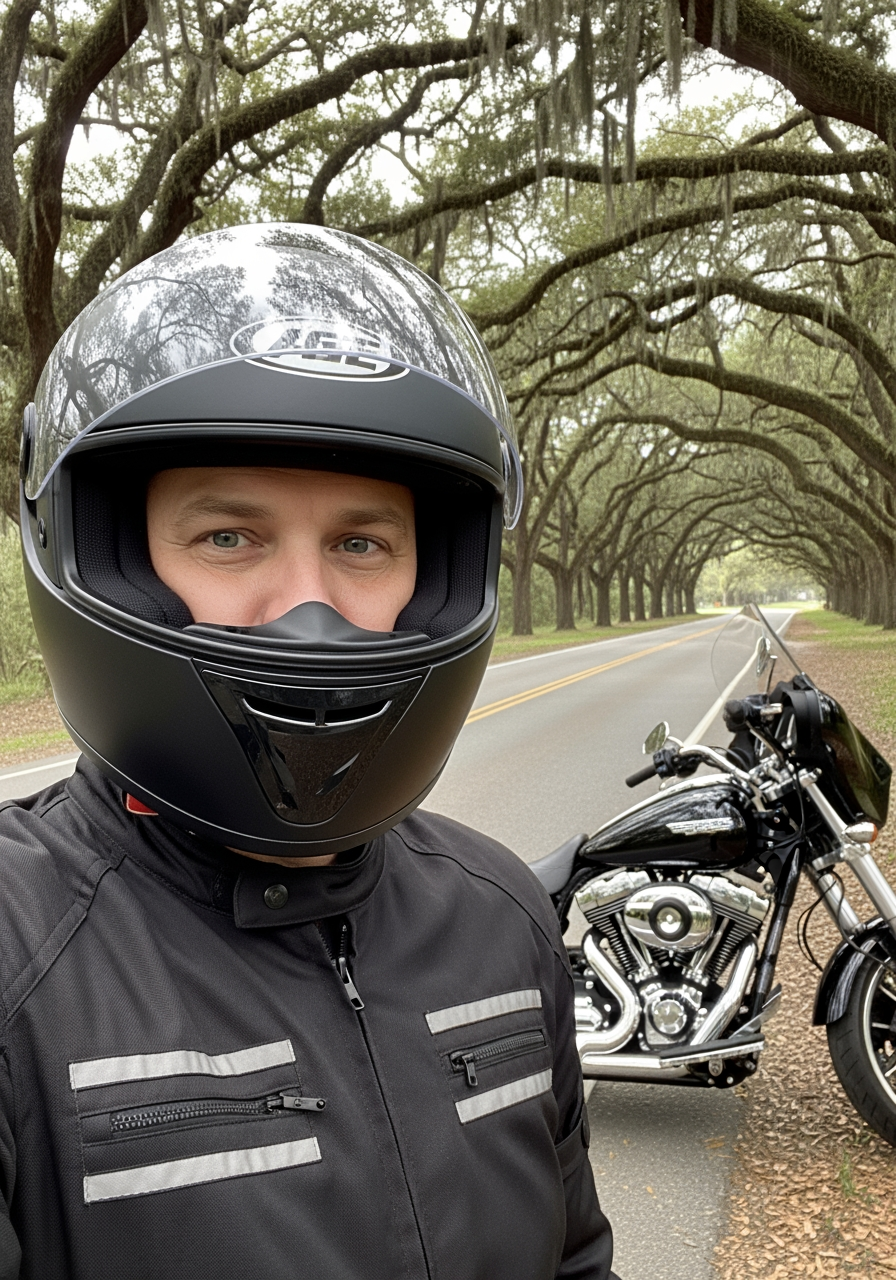
Engagement
This or that. Full face helmet or open road wind in your teeth? We're not here to lecture, just to count hands. Which one?
#RideNationColumbia #SCRiders #RideSafe #MotorcycleLife
Gear & New Iron
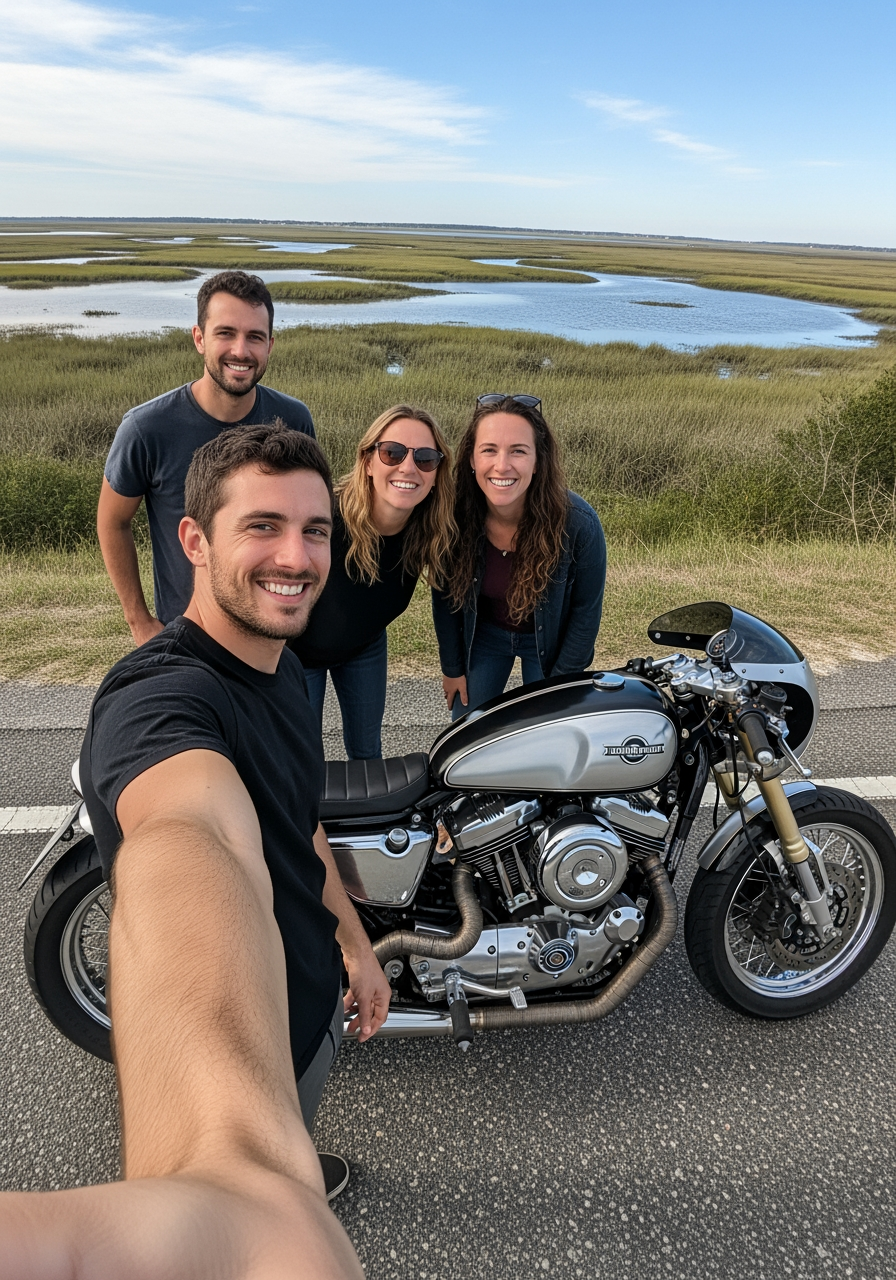
The 2025 Kawasaki Eliminator brought the classic cruiser nameplate back and it is aimed right at new and returning riders. Light, low 28 inch seat, the proven 451 parallel twin, and a price that does not scare off first time buyers. Easy to flat foot at a stop, easy to flick through neighborhood corners, but enough grunt for the highway. A genuinely friendly entry into cruising. Good first bike or skip it? Tell us what you started on.
#RideNationColumbia #KawasakiEliminator #NewIron #FirstBike
Safety & SC Law
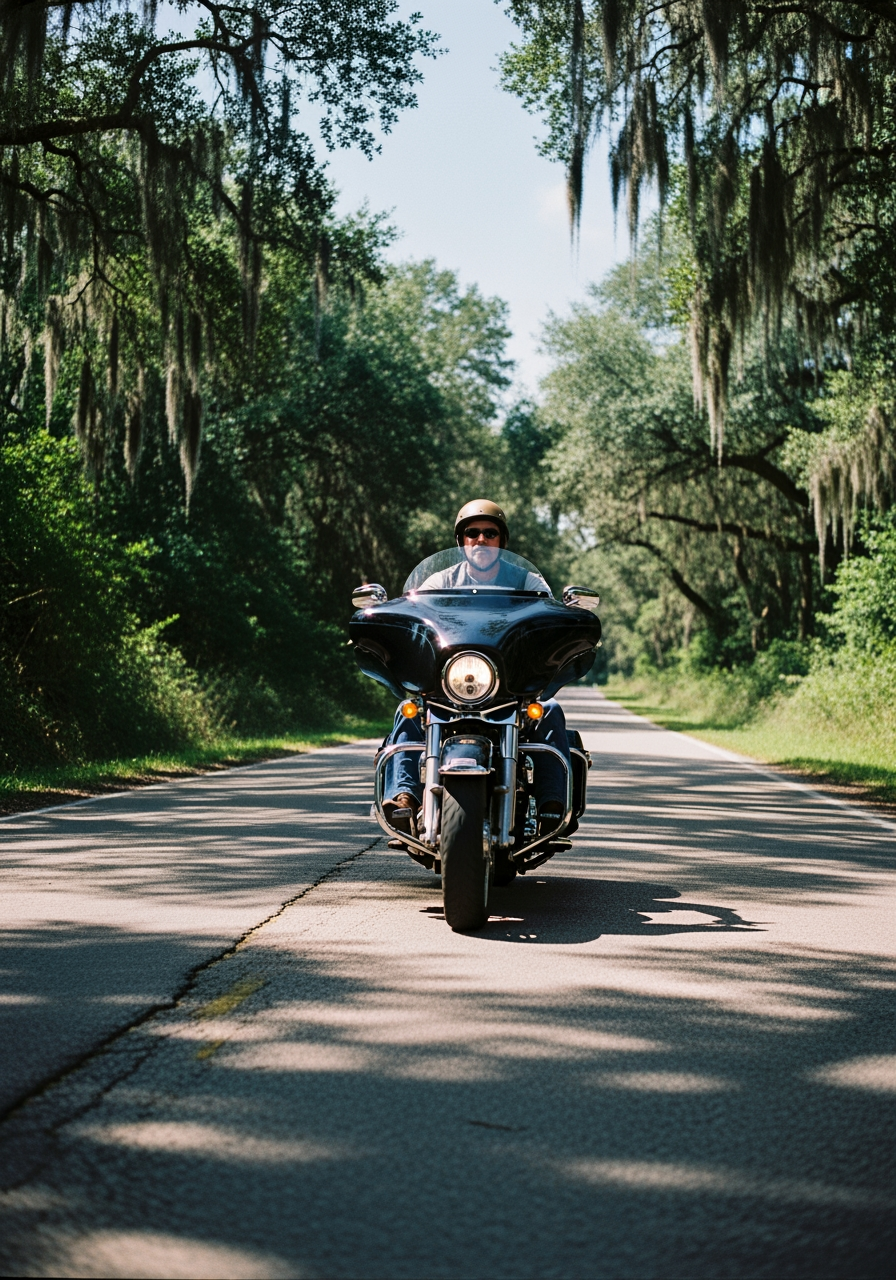
Loud pipes save lives is a nice bumper sticker. Bright gear actually does.
Noise goes backward. By the time a driver hears your pipes you are already past the danger. Visibility goes everywhere, all the time. A hi-viz jacket or a reflective vest gets you spotted from angles your exhaust never reaches.
Wear the bright stuff. Save the pipes argument for the parking lot.
#RideNationColumbia #RideSafe #MotorcycleSafety #SCRiders
Giveaway & Countdown
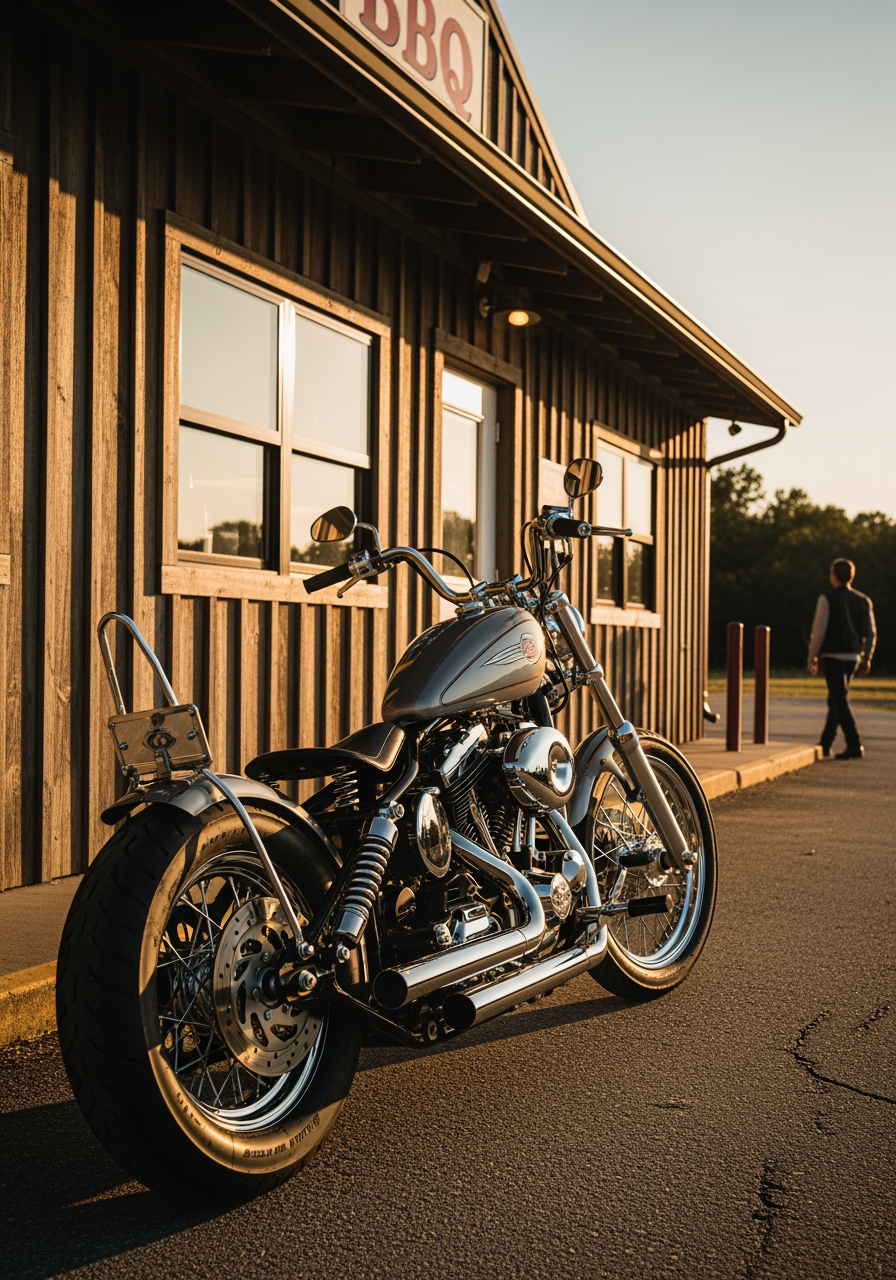
Drop a 🔥 if you would put the whole $20,000 into one dream build. Drop a 🛠️ if you would buy a solid bike and stash the rest for mods. Either way, enter the BikersWin giveaway first. Link in the comments. #RideNationColumbia #BikersWin #WhatWouldYouRide #Midlands
Engagement
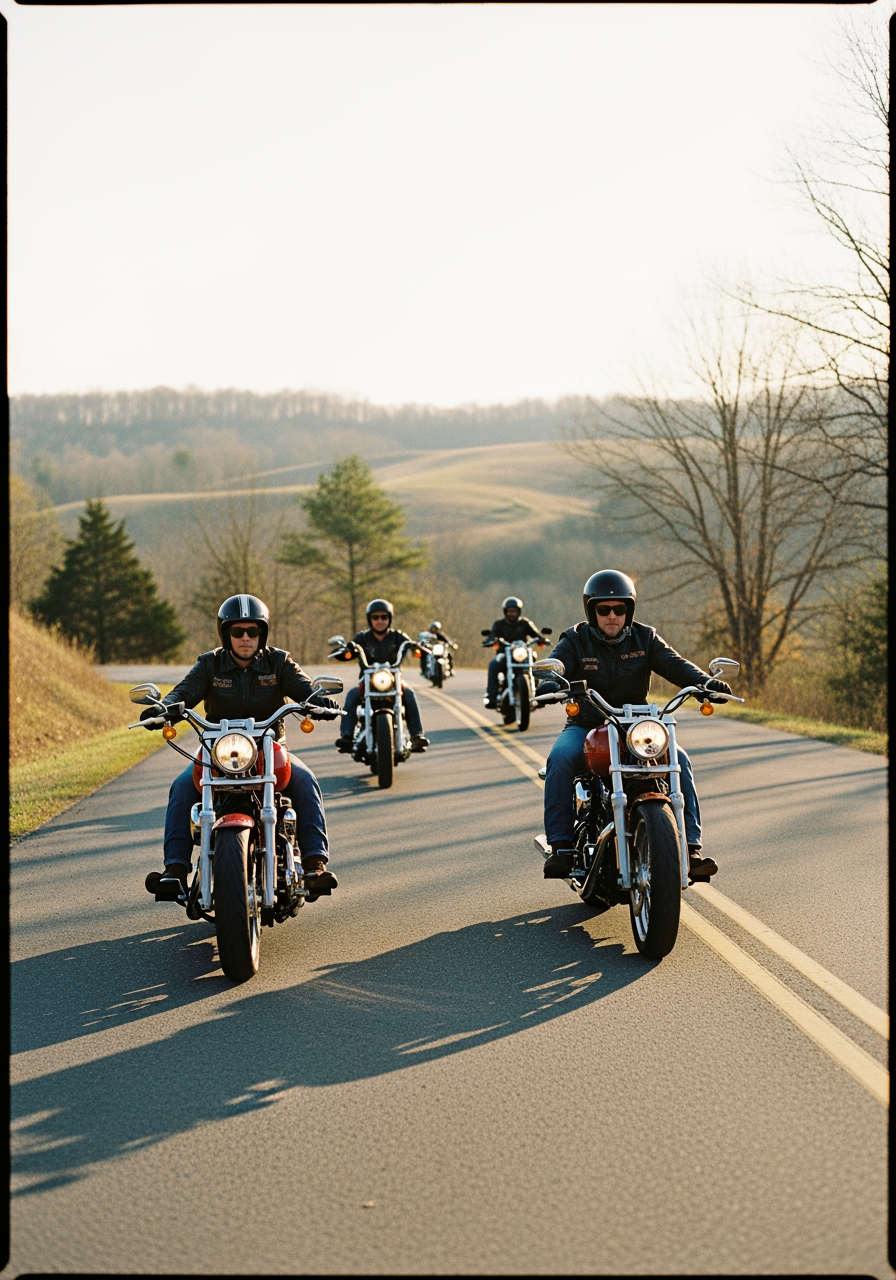
Caption this masterpiece. The before photo of every great story that ends with we should NOT have done that. Go.
#RideNationColumbia #CaptionThis #BikerHumor #SCRiders
Local SC & Rides
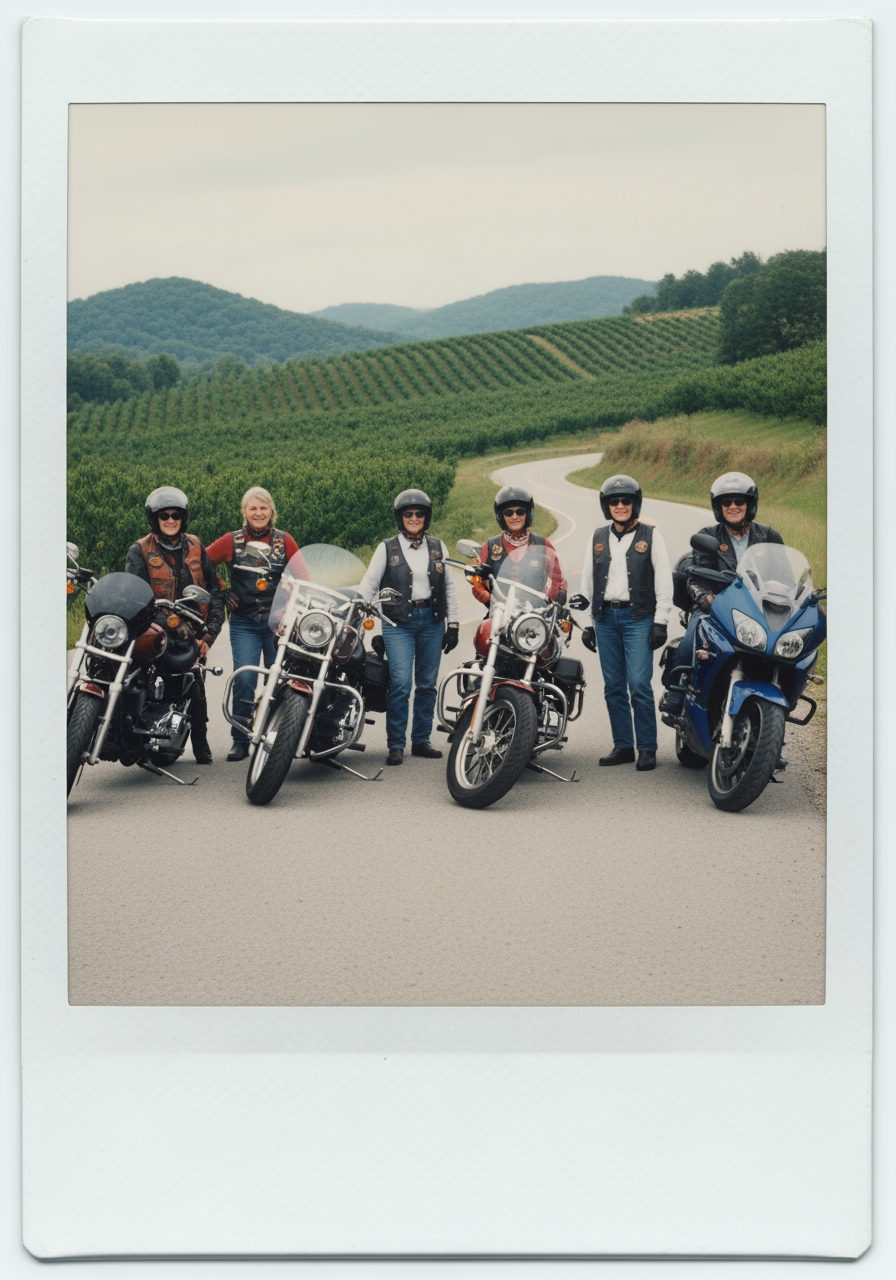
Grand Strand night rides hit different. Boulevard lit up, ocean breeze, that easy coastal cruise after the sun drops. Myrtle Beach was made for slow rolls down Ocean Boulevard. Just watch the traffic during rally weeks. Who prefers a night cruise over a day ride?
#RideNationColumbia #MyrtleBeach #NightRide #GrandStrand
Giveaway & Countdown
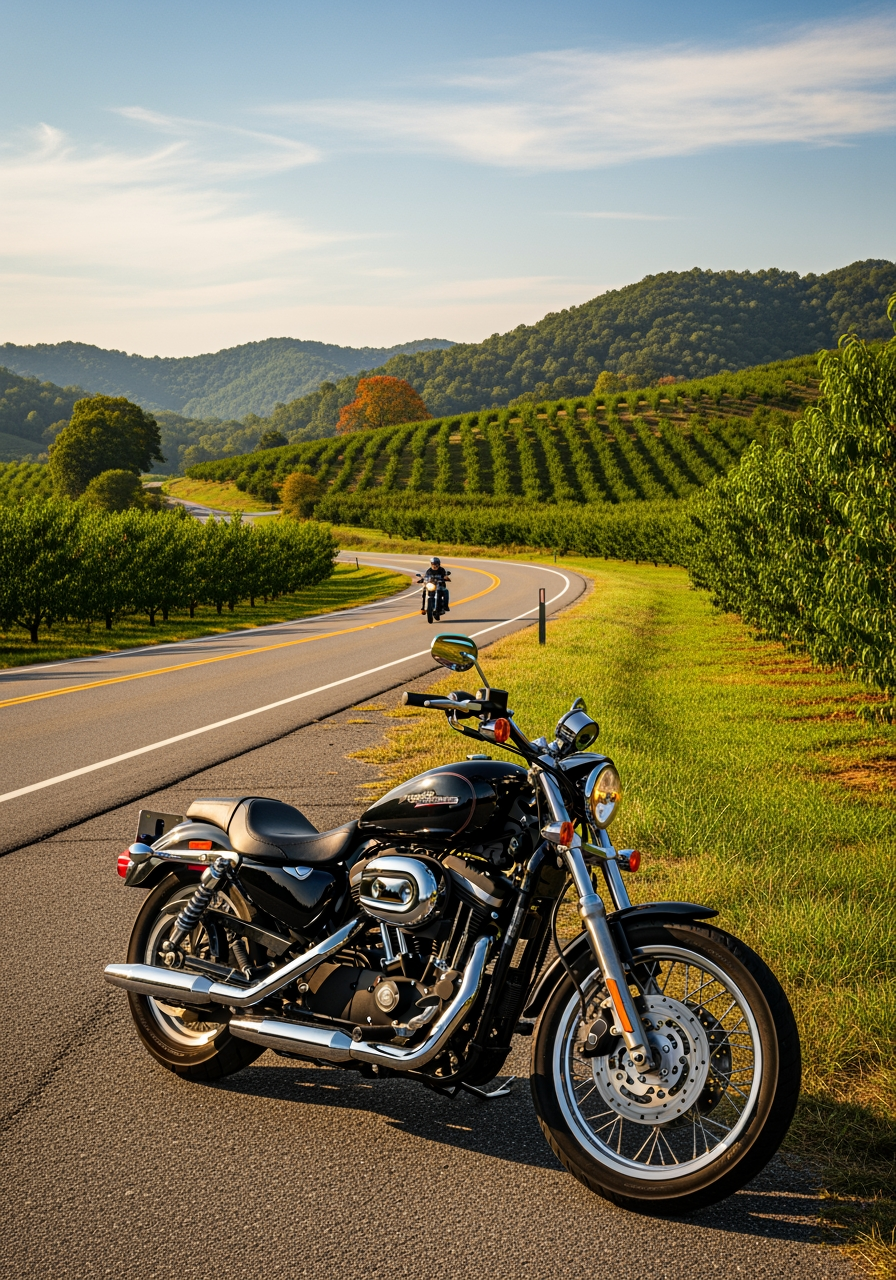
Cooler riding weather is rolling into the Midlands and so is the BikersWin countdown. One South Carolina rider wins $20,000 toward any bike December 10. Free to enter. Get your name in before the season heats up. Link in the comments. 🍂 #RideNationColumbia #BikersWin #ColumbiaSC #Countdown
Gear & New Iron
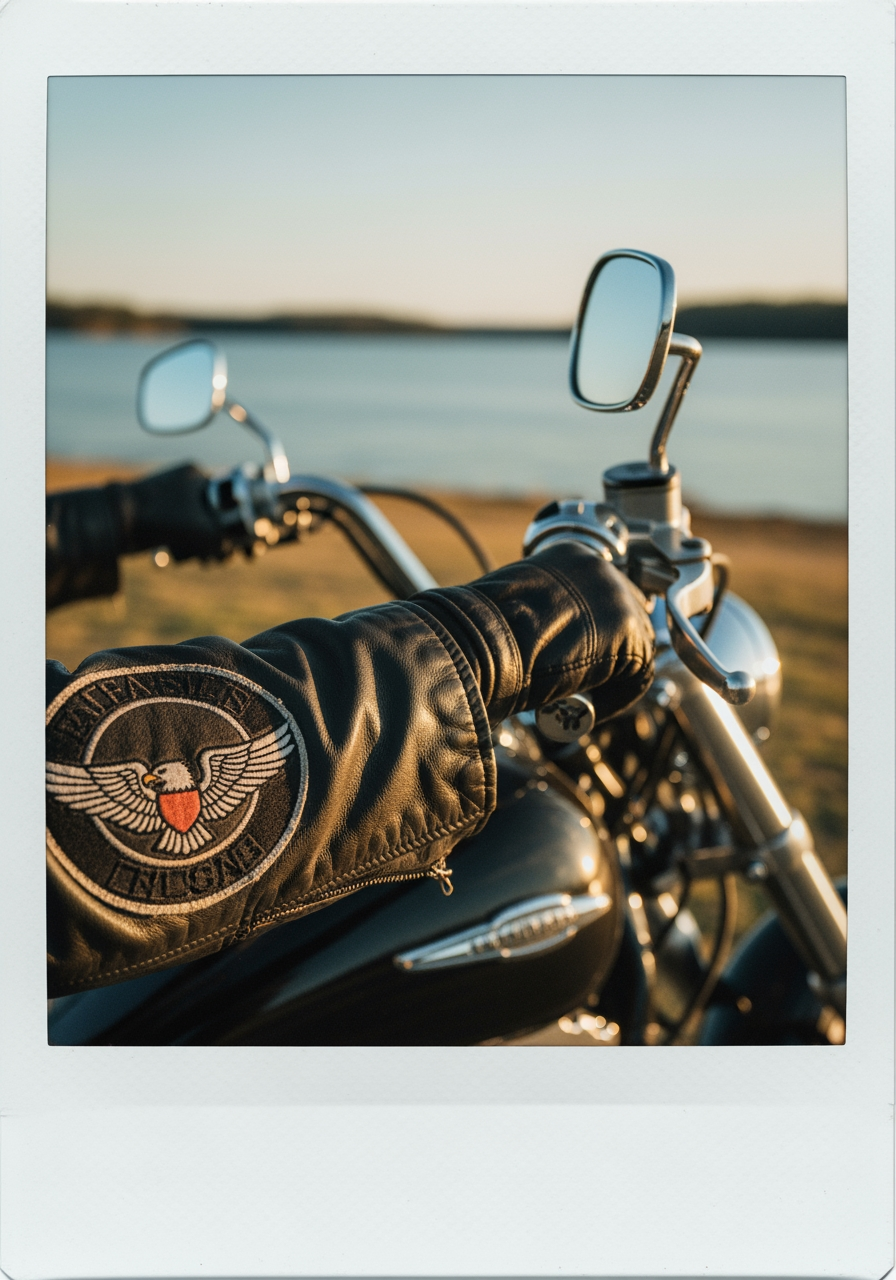
Earplugs are not for wimps, they are for riders who want to still hear at 60. Wind noise at highway speed regularly tops 100 decibels inside your helmet, and that is permanent hearing damage stacking up mile after mile. Foam plugs are a dollar, custom molded plugs run more but last for years and let you still hear engine and horn cues. Quieter rides also mean less fatigue on a long haul. Plugs in or no? Be honest down below.
#RideNationColumbia #HearingProtection #MotoTips #RideSmart
Safety & SC Law
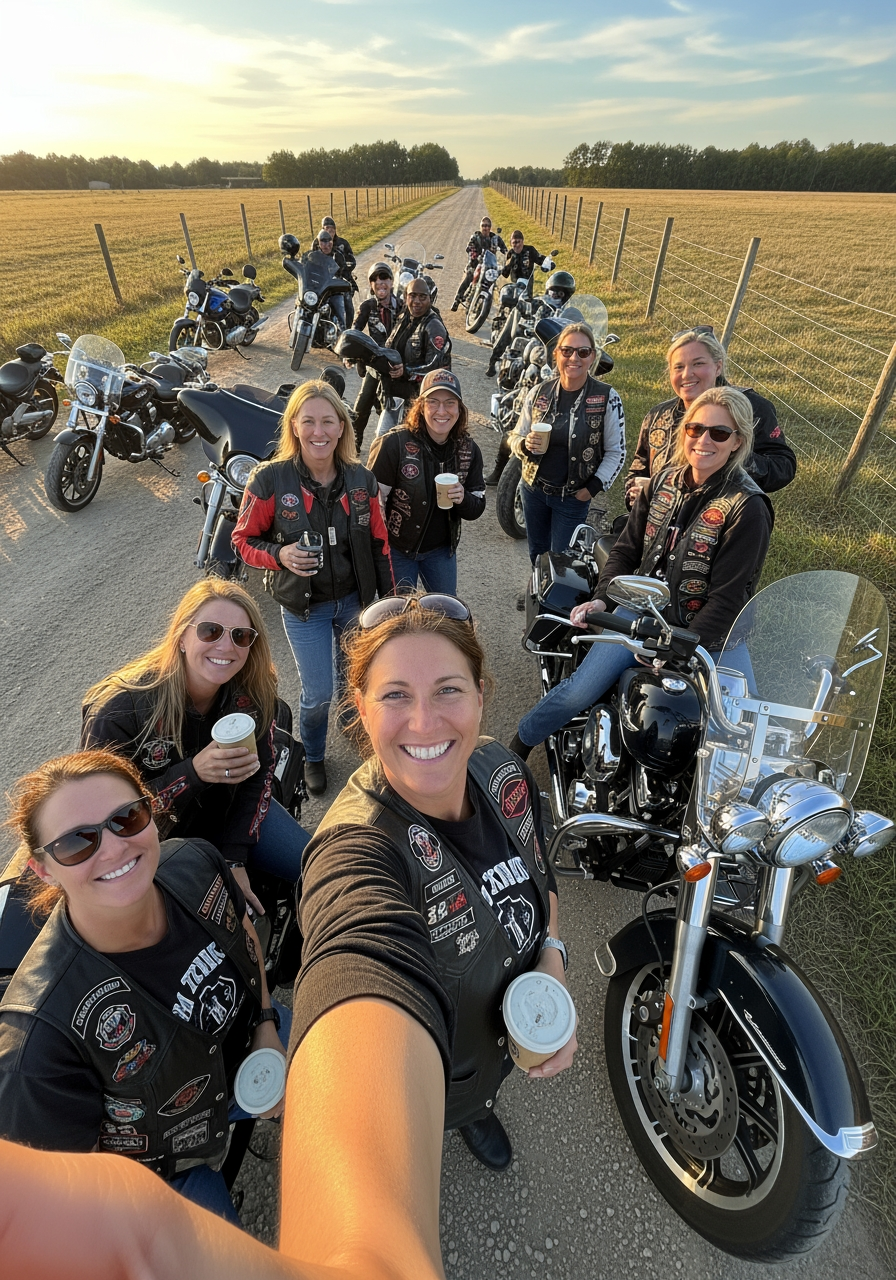
Upstate foothills riders, the elevation changes everything.
Those beautiful Cherokee Foothills curves come with shaded patches that stay wet long after the rest of the road dries, plus rapid temperature drops that catch your tires cold. Add a deer population that does not respect your right of way and you have a real challenge.
Dawn and dusk are deer hours. Slow down, scan the shoulders, and respect the shade.
#RideNationColumbia #UpstateSC #RideSafe #SCMotorcycle
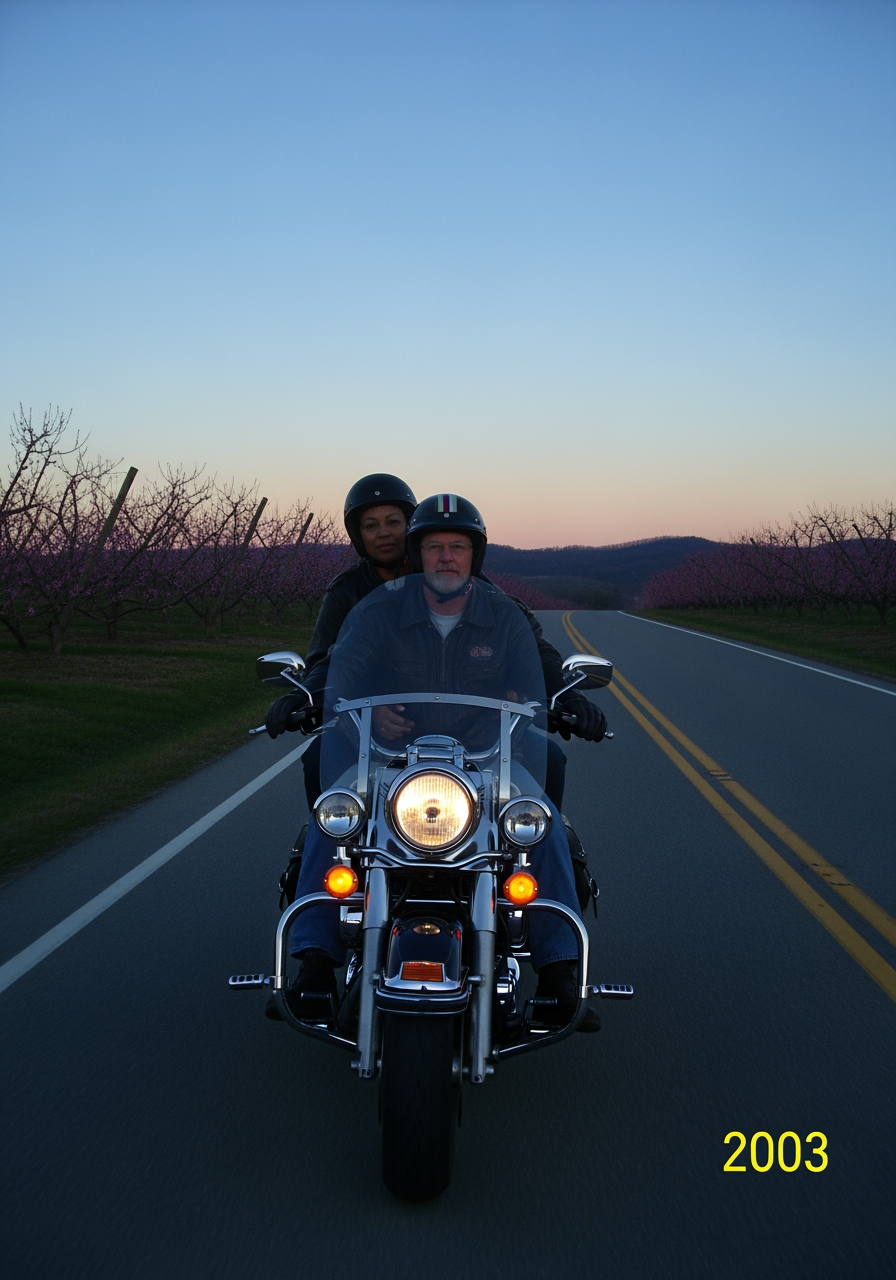
Engagement
Would you rather have a brand new bike you can never modify, or a beat up bike you can build into anything? The garage rats already know.
#RideNationColumbia #WouldYouRather #GarageLife #SCRiders
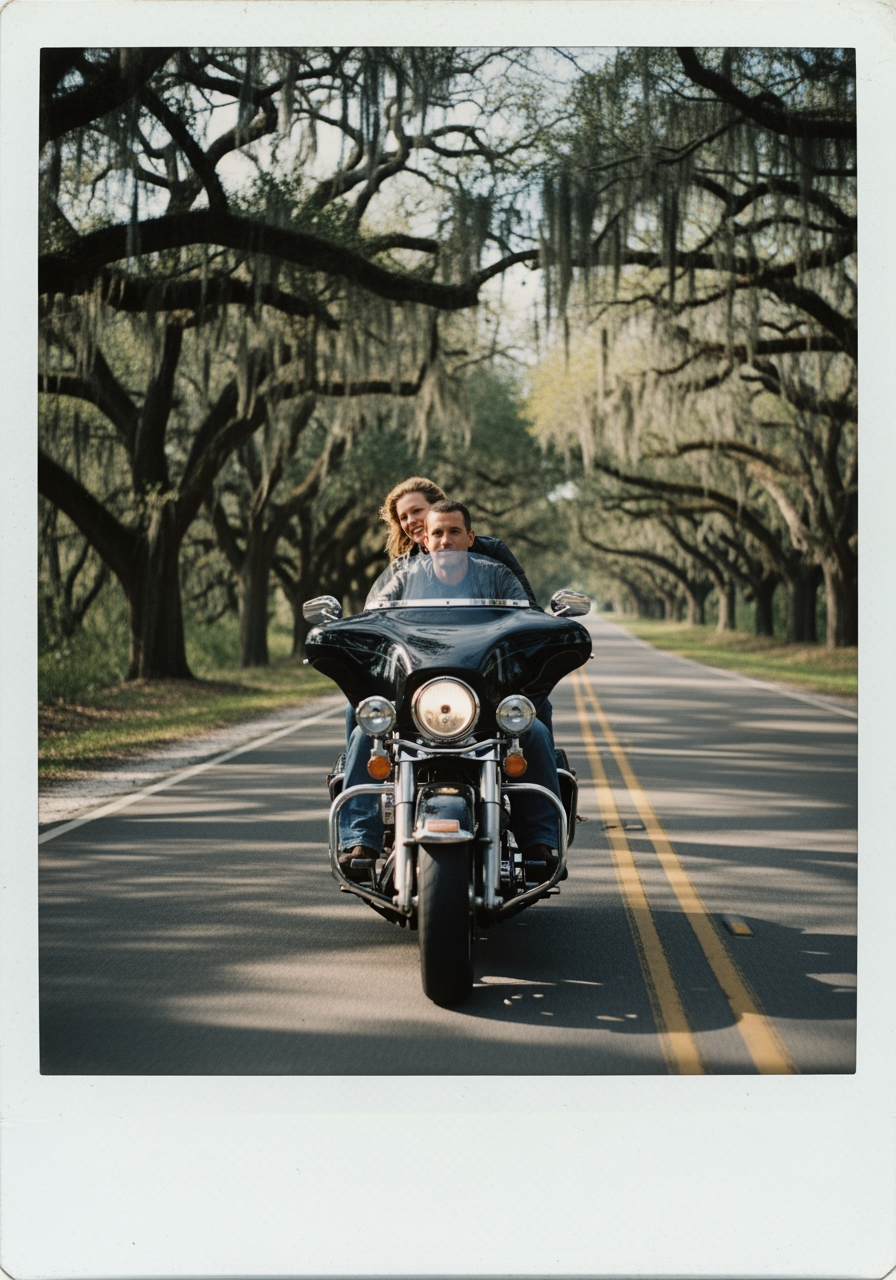
Local SC & Rides
Columbia rider checklist for July: hydrate, leave early, mesh gear only, and know where the shade is. Midlands summer does not play. Riding smart in this heat is the difference between a great day and heat exhaustion. What is your number one summer riding tip?
#RideNationColumbia #ColumbiaSC #SummerRiding #MidlandsRiders
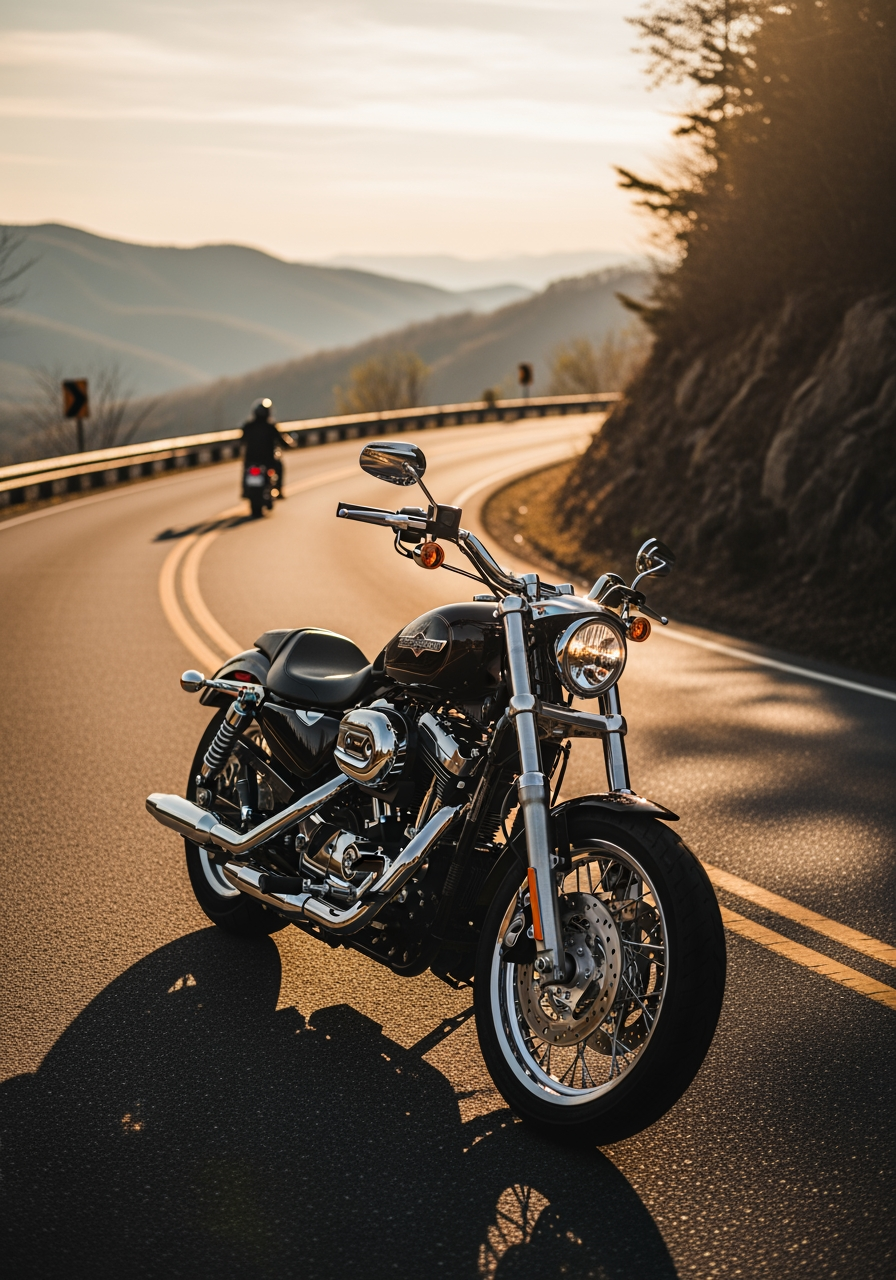
Giveaway & Countdown
New riders, this one is for you. Always wanted to get on two wheels but the cost held you back? $20,000 from the BikersWin giveaway changes that math fast. Free entry, December 10. Link in the comments. 🏱 #RideNationColumbia #BikersWin #NewRiders #SouthCarolina
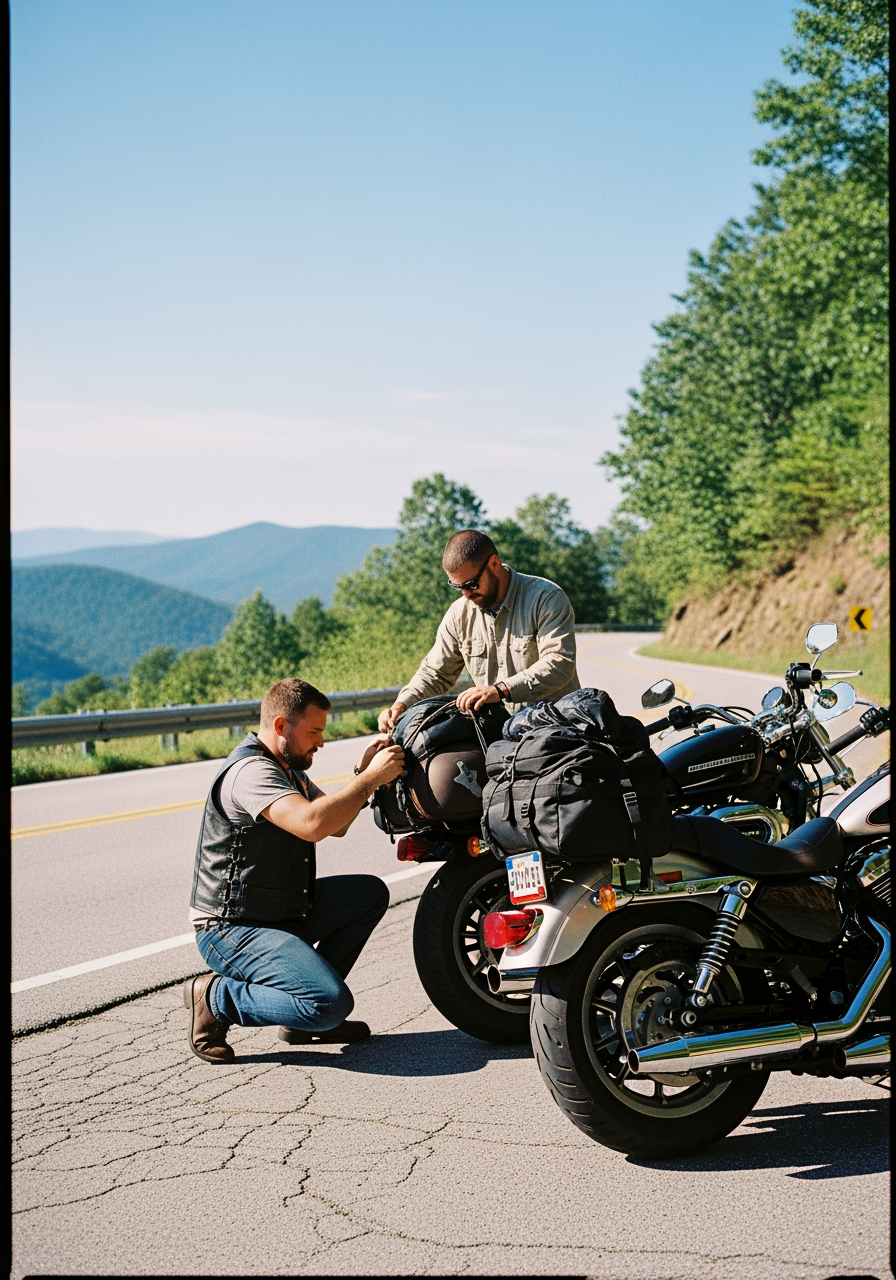
Engagement
Tag the rider who taught you everything you know. Mentors made us. Give them their flowers in the comments.
#RideNationColumbia #TagARider #SCRiders #RideNation
Gear & New Iron
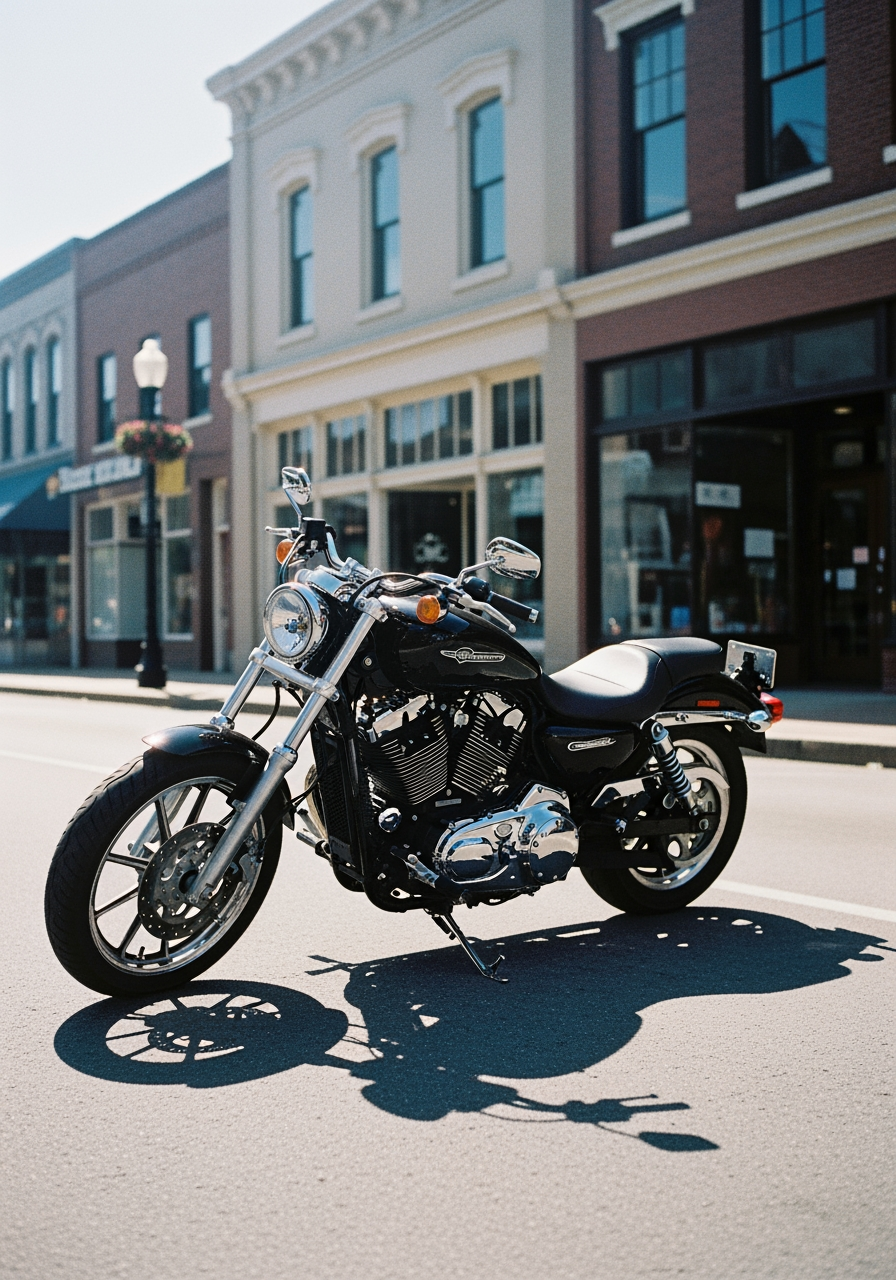
Battery tenders are the cheapest insurance against a dead bike. Modern motorcycles draw a small current even when off, and a bike that sits a couple weeks between rides can crank slow or not at all. A smart tender keeps it topped without overcharging, plug it in when you park and forget it. Beats a no start the morning of a perfect riding day. Especially clutch for the bikes that hibernate over a cold Upstate snap. Do you keep yours on a tender?
#RideNationColumbia #BatteryTender #MotoMaintenance #SCRiders
Safety & SC Law
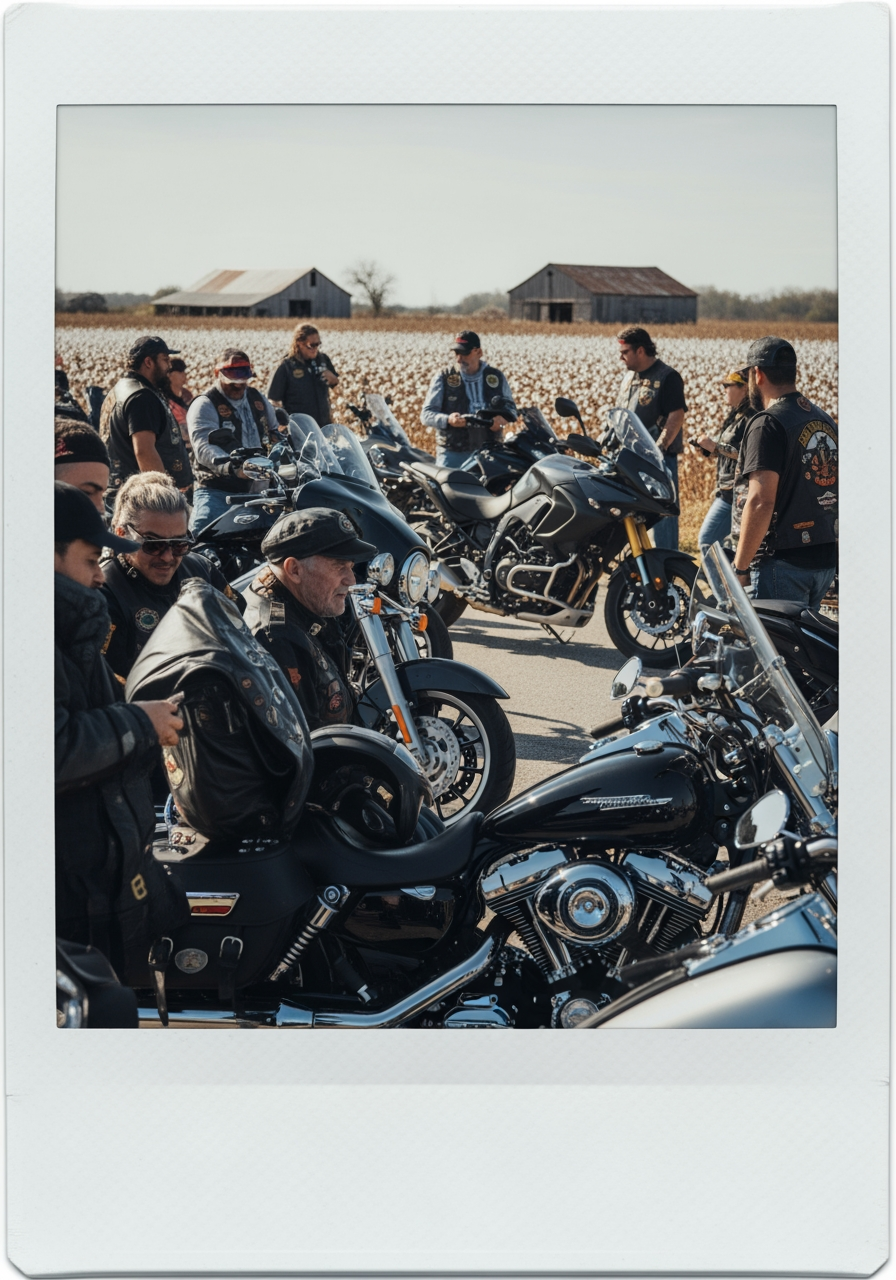
The 51 percent rule in plain English, because it matters more than people realize.
If an SC court decides you were 51 percent or more responsible for your own crash, you collect zero. Even if the other guy clearly screwed up. That is why insurance companies work so hard to shift blame onto the rider.
Do not admit fault at the scene. Do not guess. Get the facts documented and get advice.
The Jeffcoat Firm has recovered more than 90 million for SC injury victims since 1999. (803) 200-2000.
#RideNationColumbia #SCMotorcycleLaw #KnowYourRights #RideSafe
Local SC & Rides
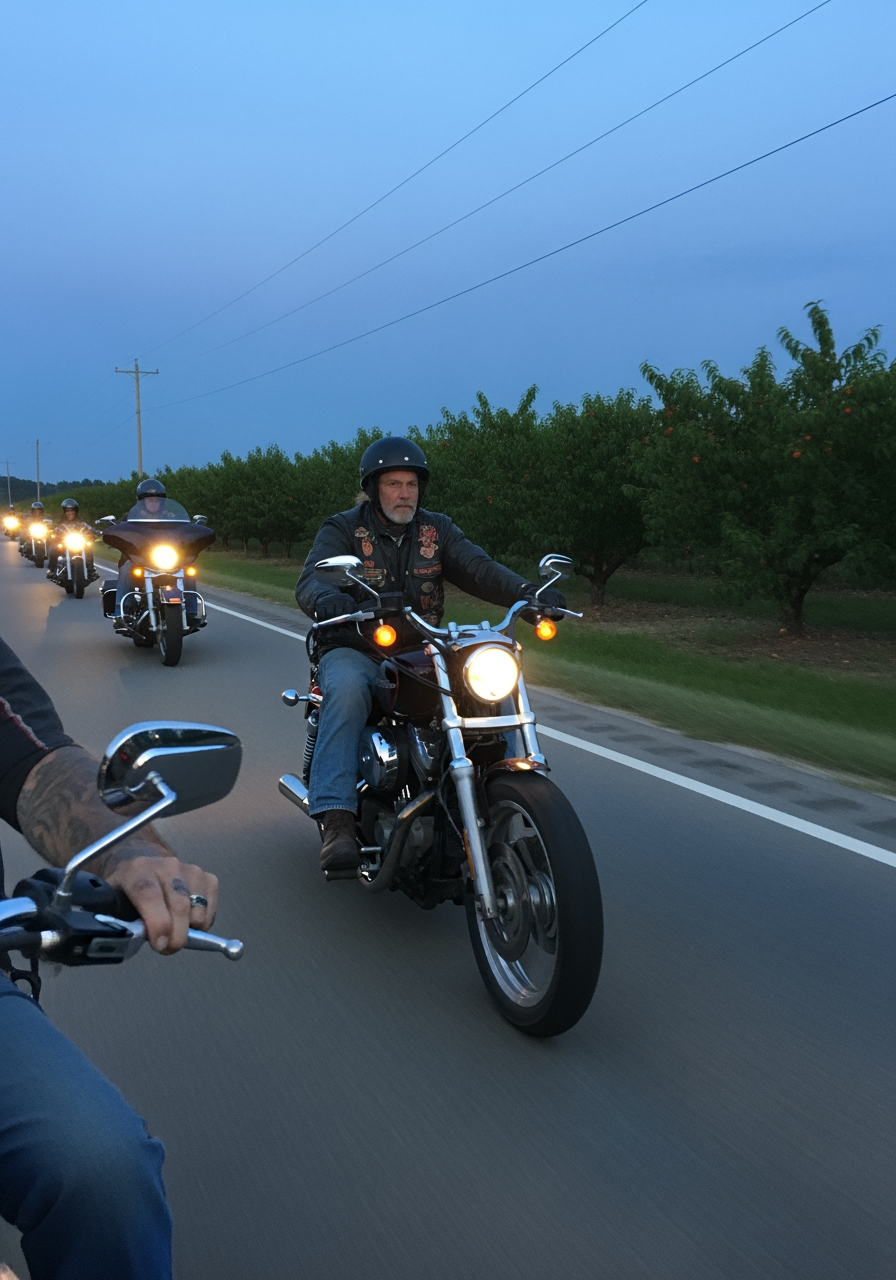
The view from Caesars Head over the Upstate foothills is worth every mile of the climb. SC-11 feeds you right into the mountain roads up there. Cooler air, real switchbacks, and a payoff overlook at the top. Who has made the run up to the gorge?
#RideNationColumbia #CaesarsHead #UpstateRiders #SC11
Giveaway & Countdown
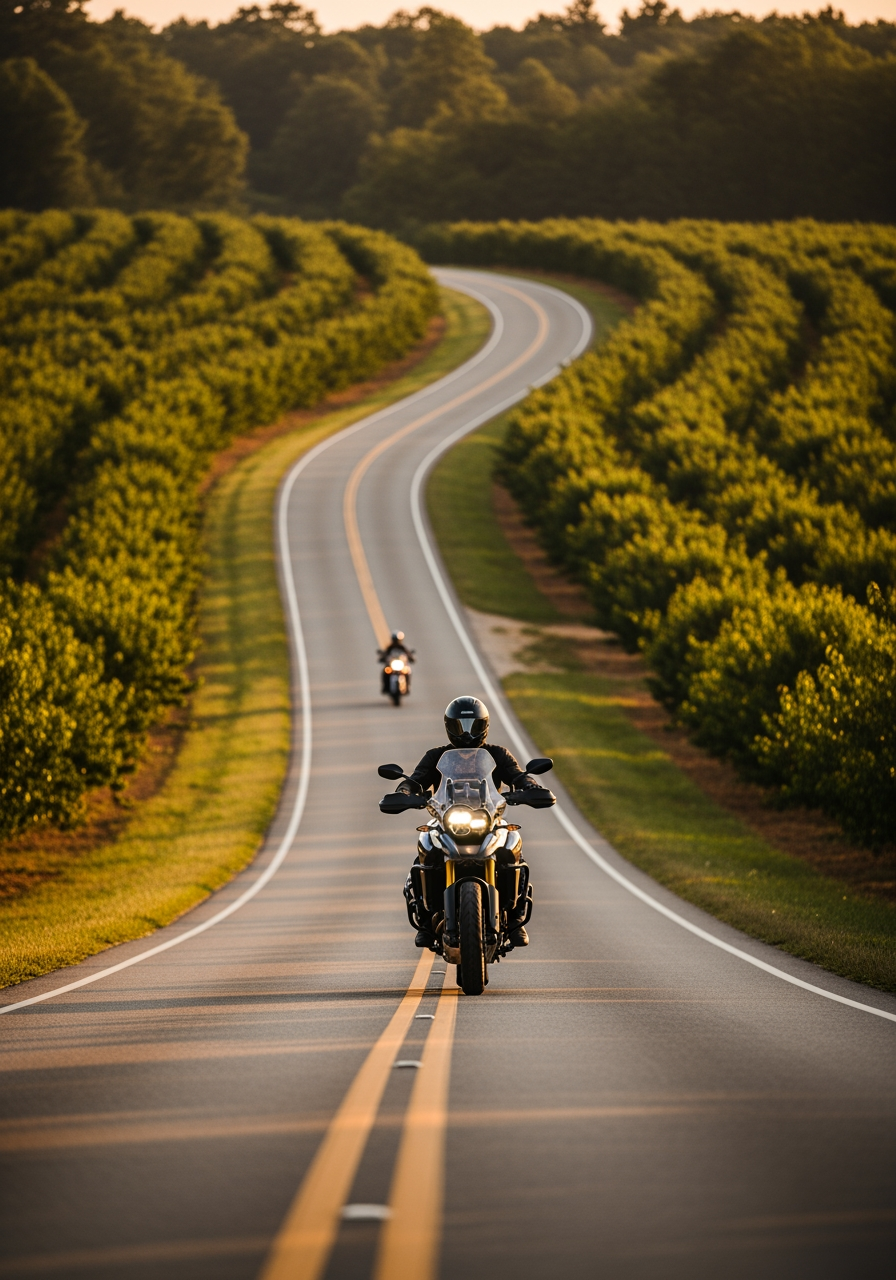
Picture December 10. The phone rings. It is the BikersWin call telling a South Carolina rider they just won $20,000 toward any bike. That call goes to someone who entered. Make sure it can be you. Link in the comments. 📞 #RideNationColumbia #BikersWin #Countdown #SCriders
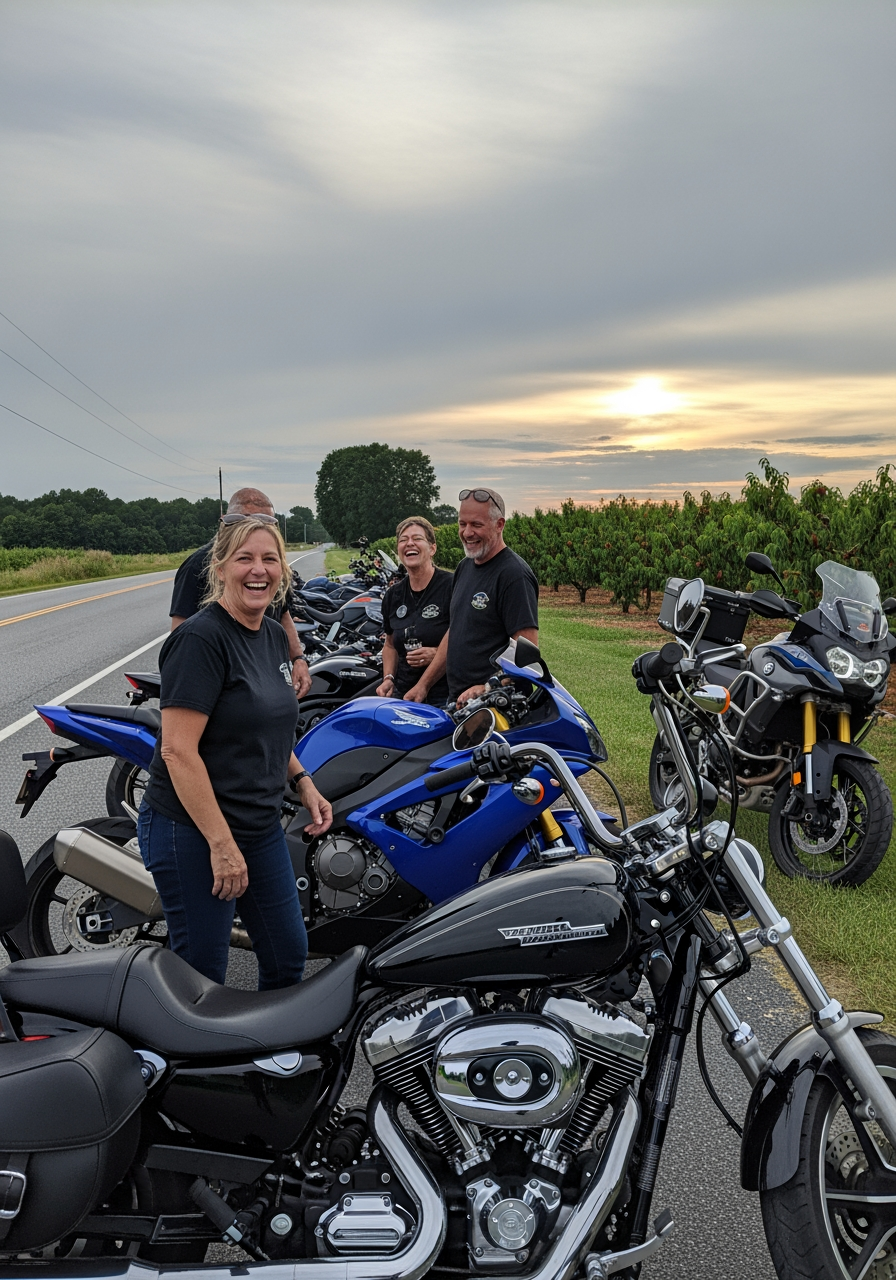
Engagement
POLL. Coffee stop or no coffee stop on a morning ride?
1. Always, the ride is just an excuse for coffee
2. Only on long hauls
3. Never, I don't stop for anything
4. Coffee? I bring it cold in a flask
#RideNationColumbia #SCRiders #CoffeeAndBikes #MotorcyclePoll
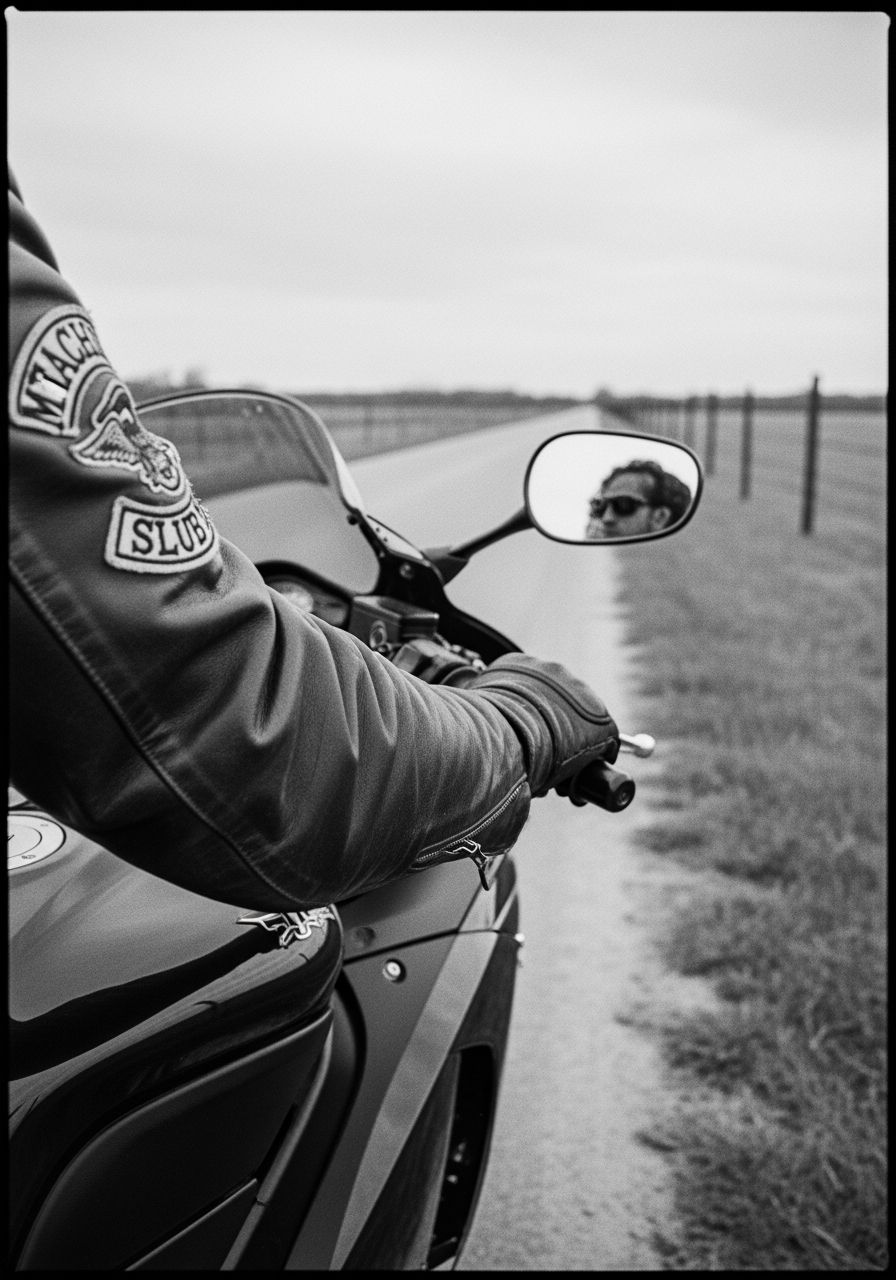
Gear & New Iron
Armored riding jeans changed the game for everyday riders. They look like normal denim, they walk into anywhere, but they pack abrasion resistant lining and pockets for hip and knee armor. Regular jeans disintegrate in about a tenth of a second of sliding on asphalt, leaving your skin to do the rest. If you have been riding in plain Levis to the coffee shop, this is your upgrade. Protection you will actually wear beats armor that stays in the closet. Anyone made the switch?
#RideNationColumbia #RidingJeans #ATGATT #GearUp
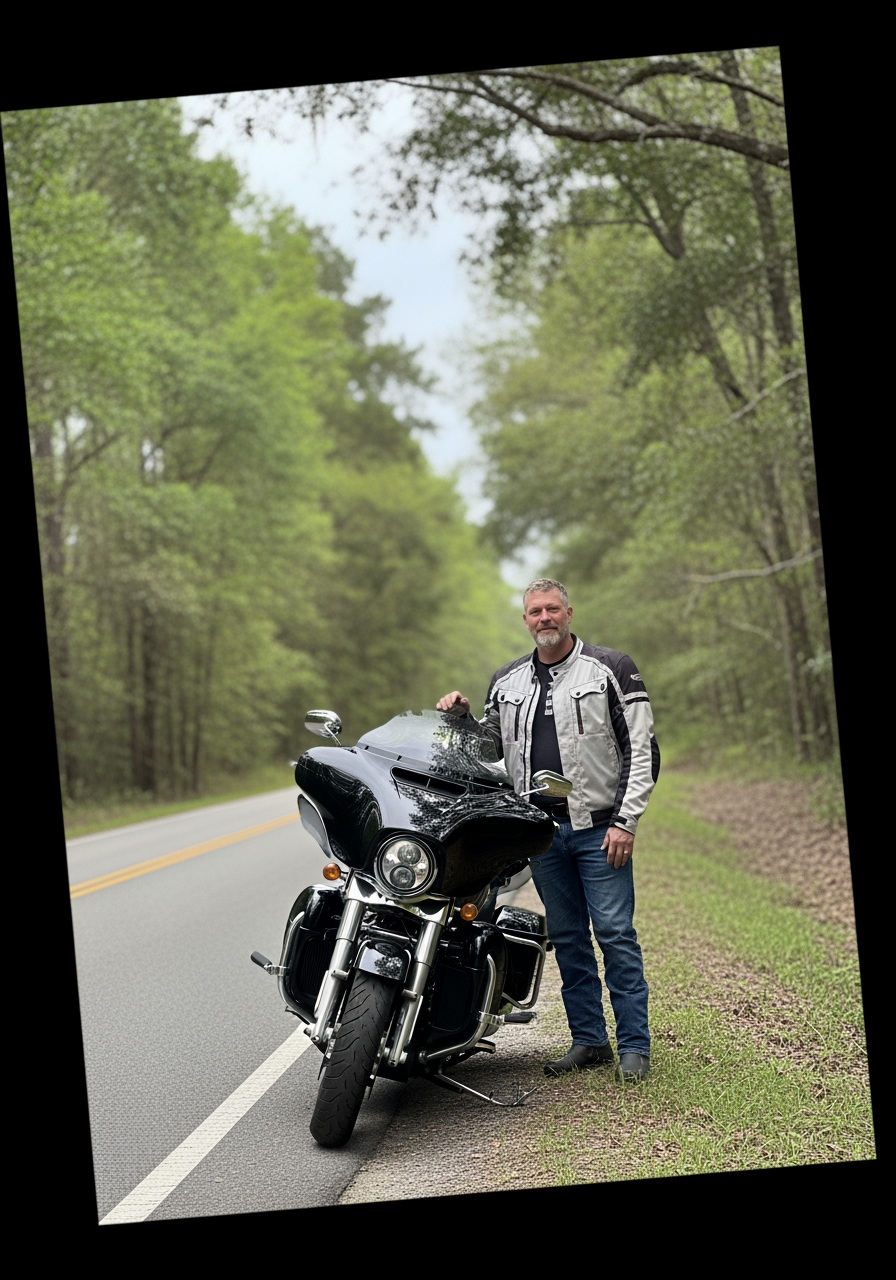
Safety & SC Law
Rain on a SC road is most dangerous in the first ten minutes.
Months of oil, rubber, and grime sit on the asphalt, and that first light rain floats it all up into a greasy film before the downpour washes it clean. Riders get caught off guard because the road LOOKS barely wet.
If you can wait out the opening of a storm, do it. If you cannot, ease everything: throttle, brakes, lean.
#RideNationColumbia #RideSafe #WetRoads #SCRiders
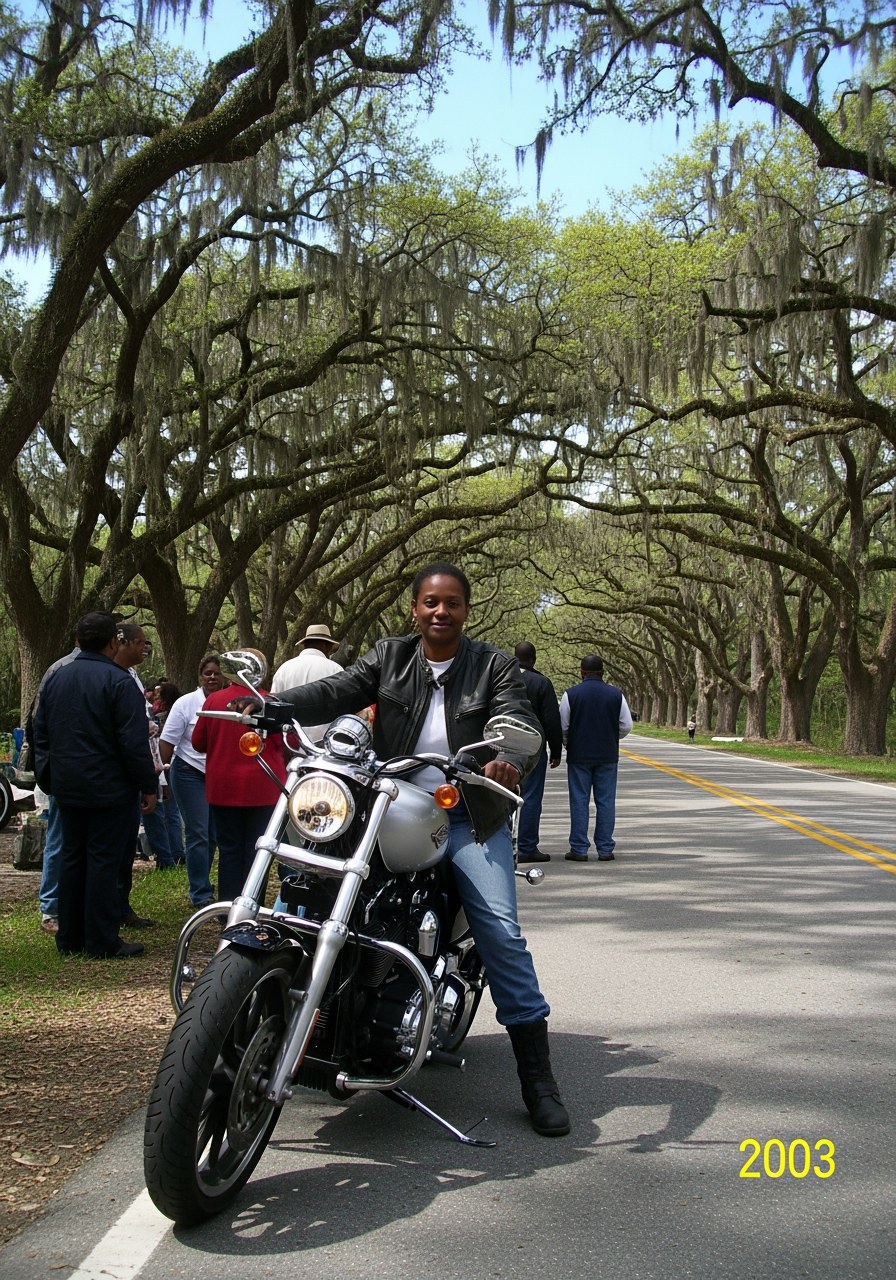
Local SC & Rides
Spring in the Midlands is the sweet spot. Not too hot, not too cold, and every road feels new again after winter. Columbia and Lake Murray come alive with riders in March and April. What is the first ride you take every spring to shake the rust off?
#RideNationColumbia #ColumbiaSC #SpringRiding #MidlandsRiders
Giveaway & Countdown
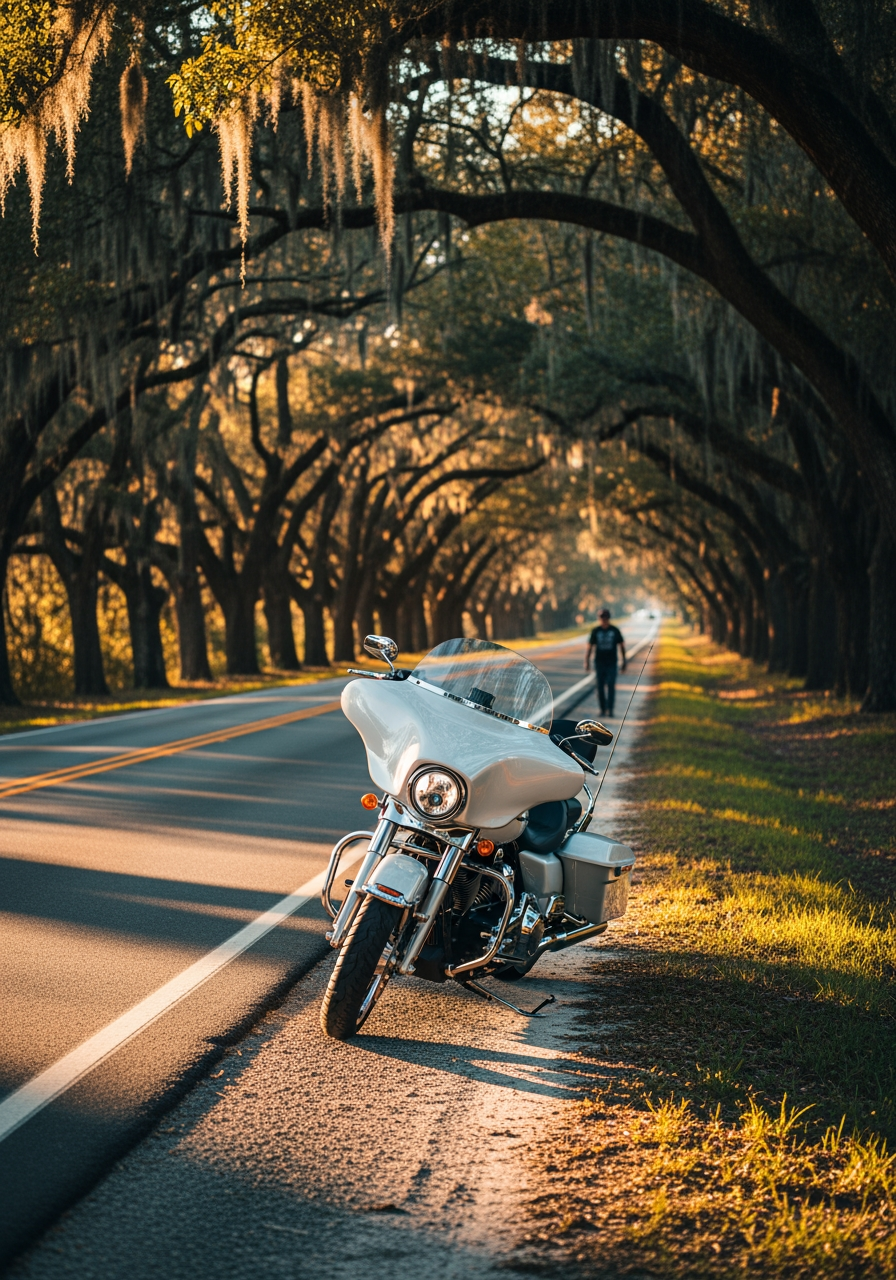
Harley, Honda, Ducati, Triumph, Indian, KTM. Doesn't matter. The BikersWin $20,000 prize goes toward any bike you want. So tell us, what badge is on your dream tank? Then enter. Link in the comments. 🏷️ #RideNationColumbia #BikersWin #WhatWouldYouRide #ColumbiaSC
Engagement
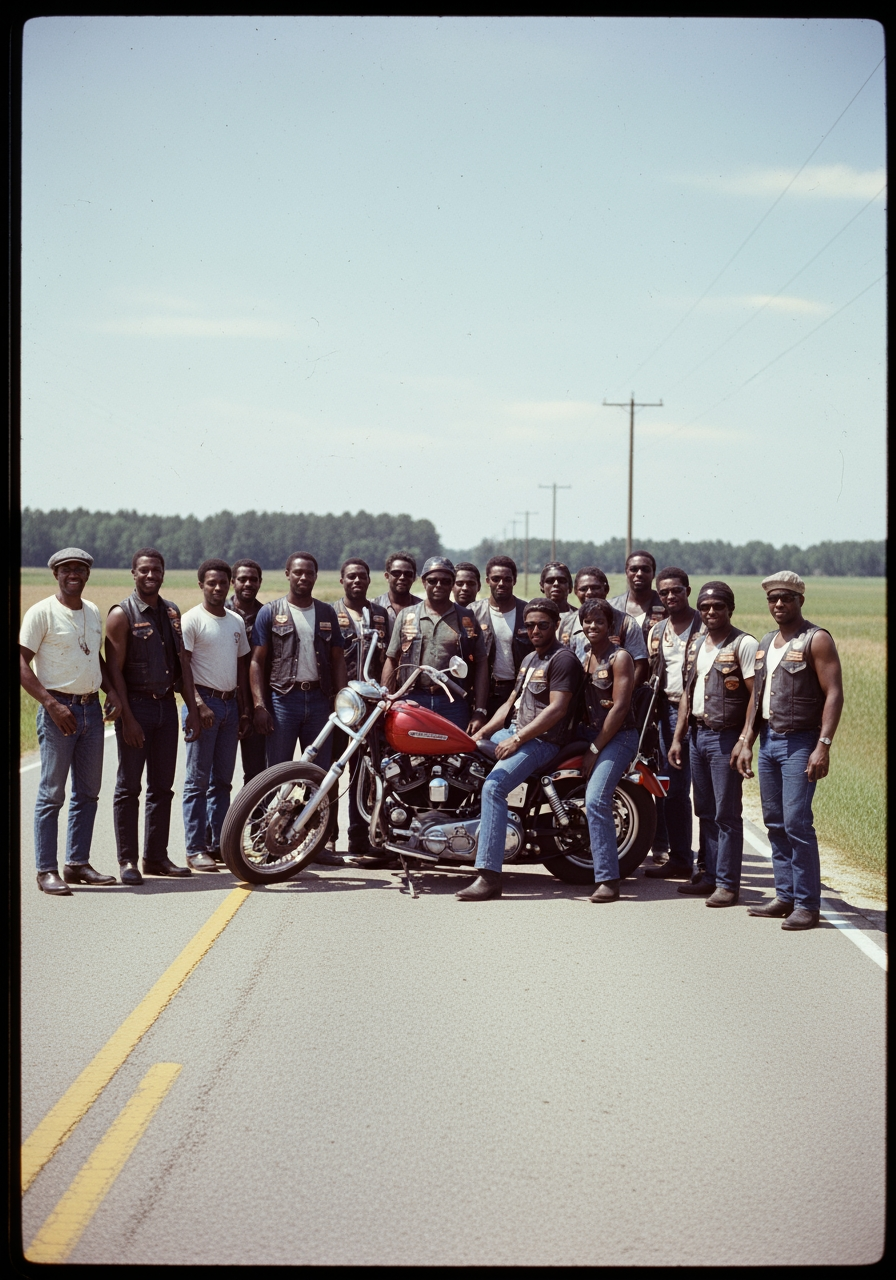
This or that. Solo ride to clear your head, or a full group rumble down the highway? Both heal. Which one heals YOU?
#RideNationColumbia #SoloRide #GroupRide #SCRiders
Local SC & Rides
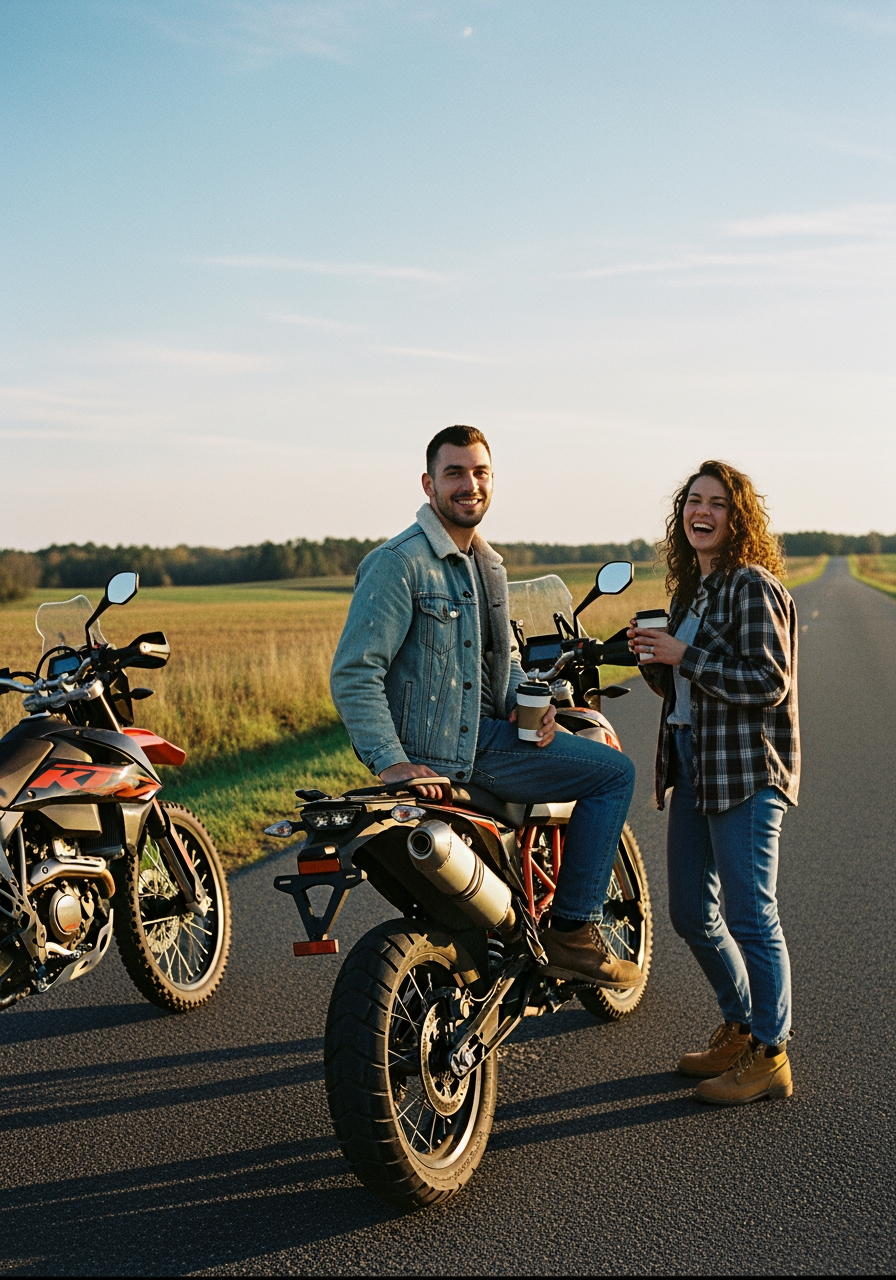
Coastal US-17 from Georgetown down to Charleston is one of the most underrated SC runs. Marsh views, oak canopies, and that low country pace the whole way. Less crowded than the Strand, just as scenic. Who has done the full low country coast stretch?
#RideNationColumbia #US17 #LowCountry #SCRides
Giveaway & Countdown
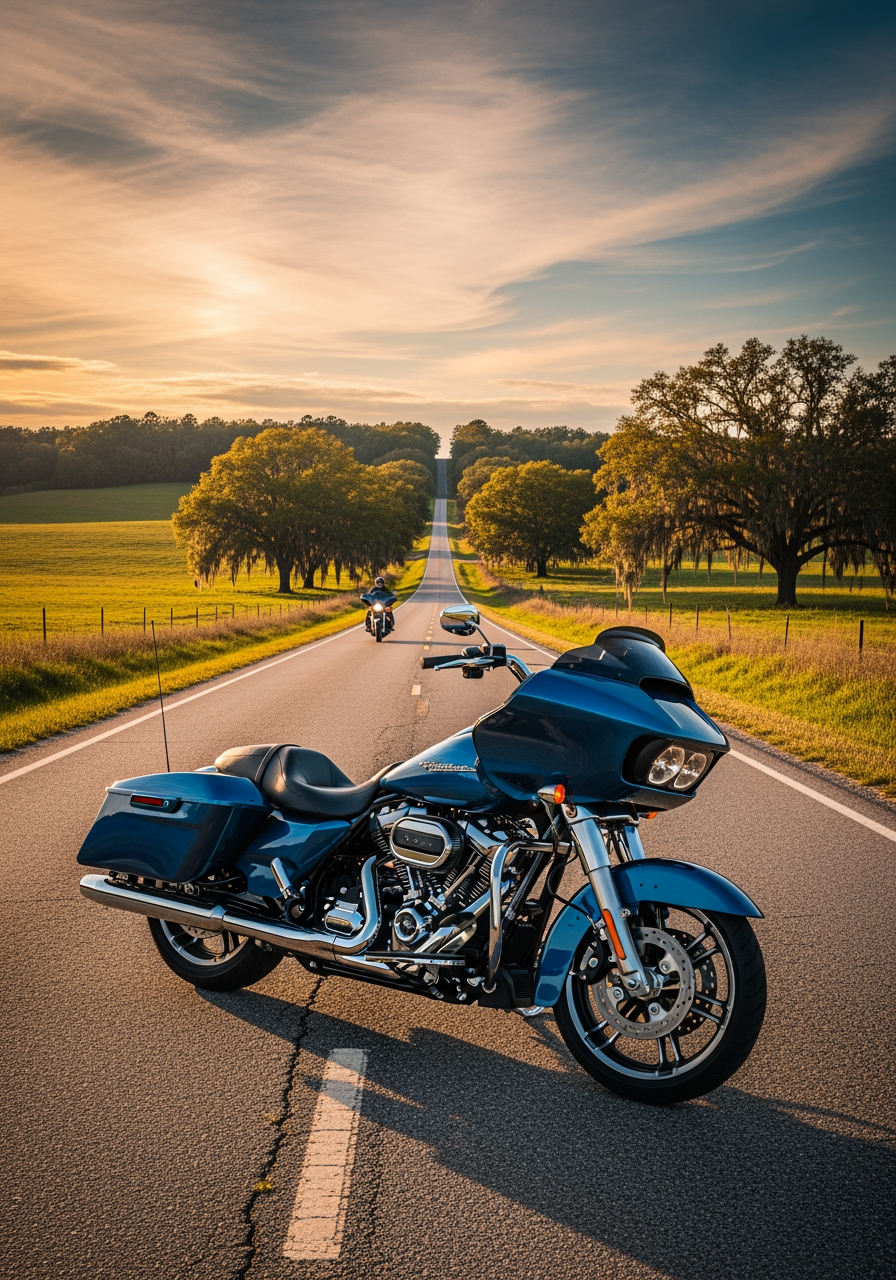
The Grand Strand crew has spoken and a lot of you would put that $20,000 into a beach cruising bagger. Solid choice. If you have not entered the BikersWin giveaway yet, fix that now. December 10. Link in the comments. 🏍️ #RideNationColumbia #BikersWin #MyrtleBeach #GrandStrand
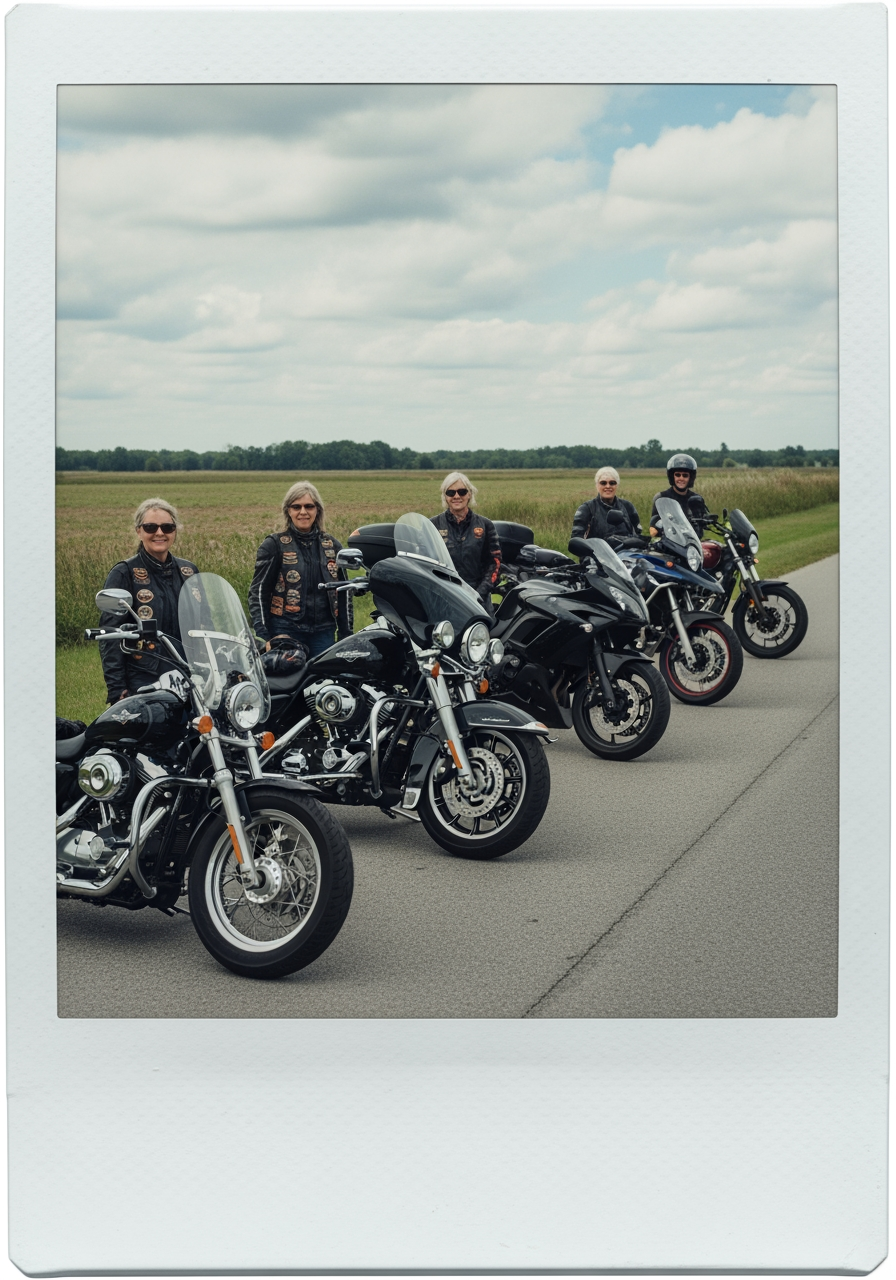
Engagement
Caption this. We have a theory about what's about to happen and none of it is good. What's your version?
#RideNationColumbia #CaptionThis #BikerHumor #SCRiders
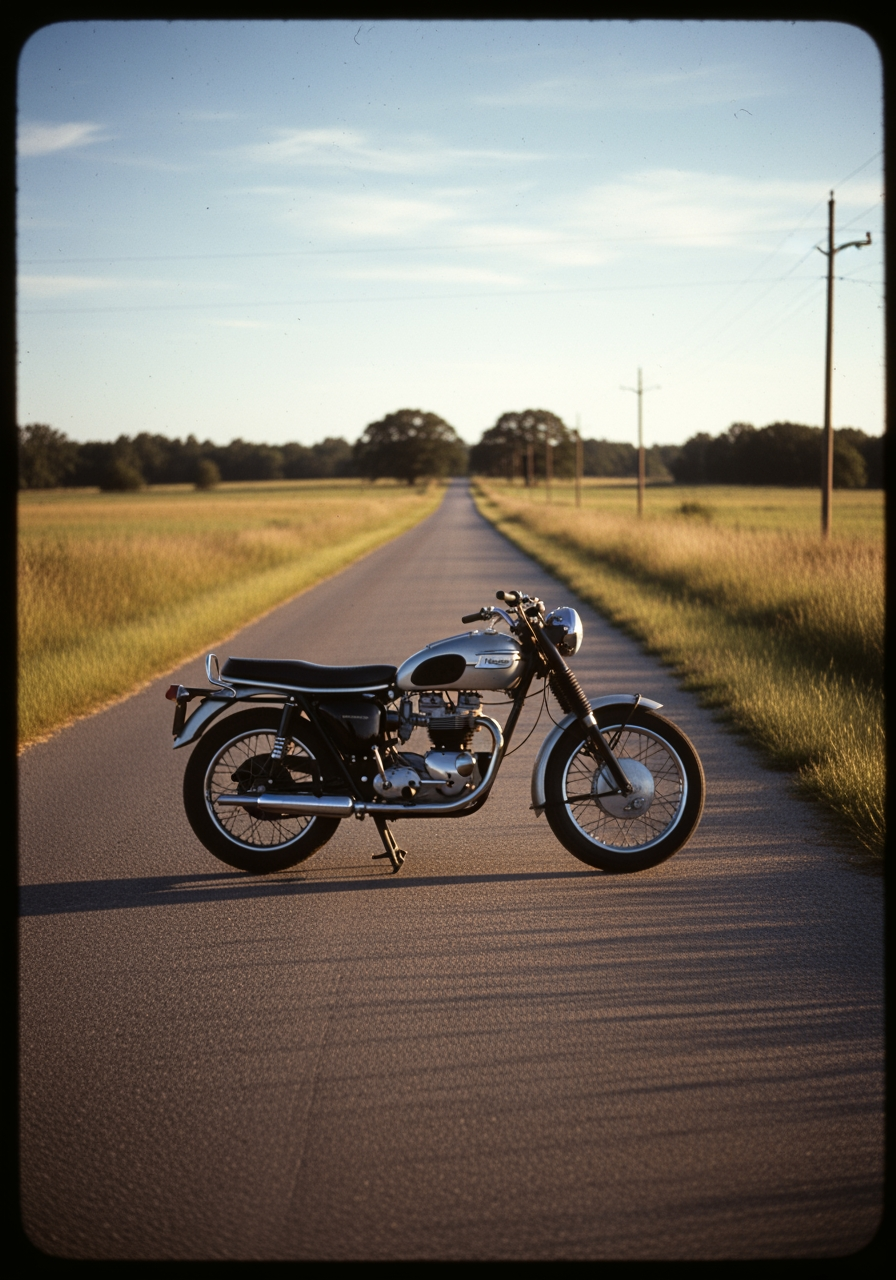
Gear & New Iron
The 2024 BMW R 1300 GS dropped a brand new engine and shed real weight from the legendary adventure platform. More power, lighter chassis, and the optional adaptive ride height that drops the bike at a stop so shorter riders can flat foot the big GS. If your dream is foothill fire roads one day and a slab run to the beach the next, this is the swiss army bike. Pricey, yes. Capable, absolutely. Who has GS dreams in the group?
#RideNationColumbia #BMWGS #AdventureBike #NewIron
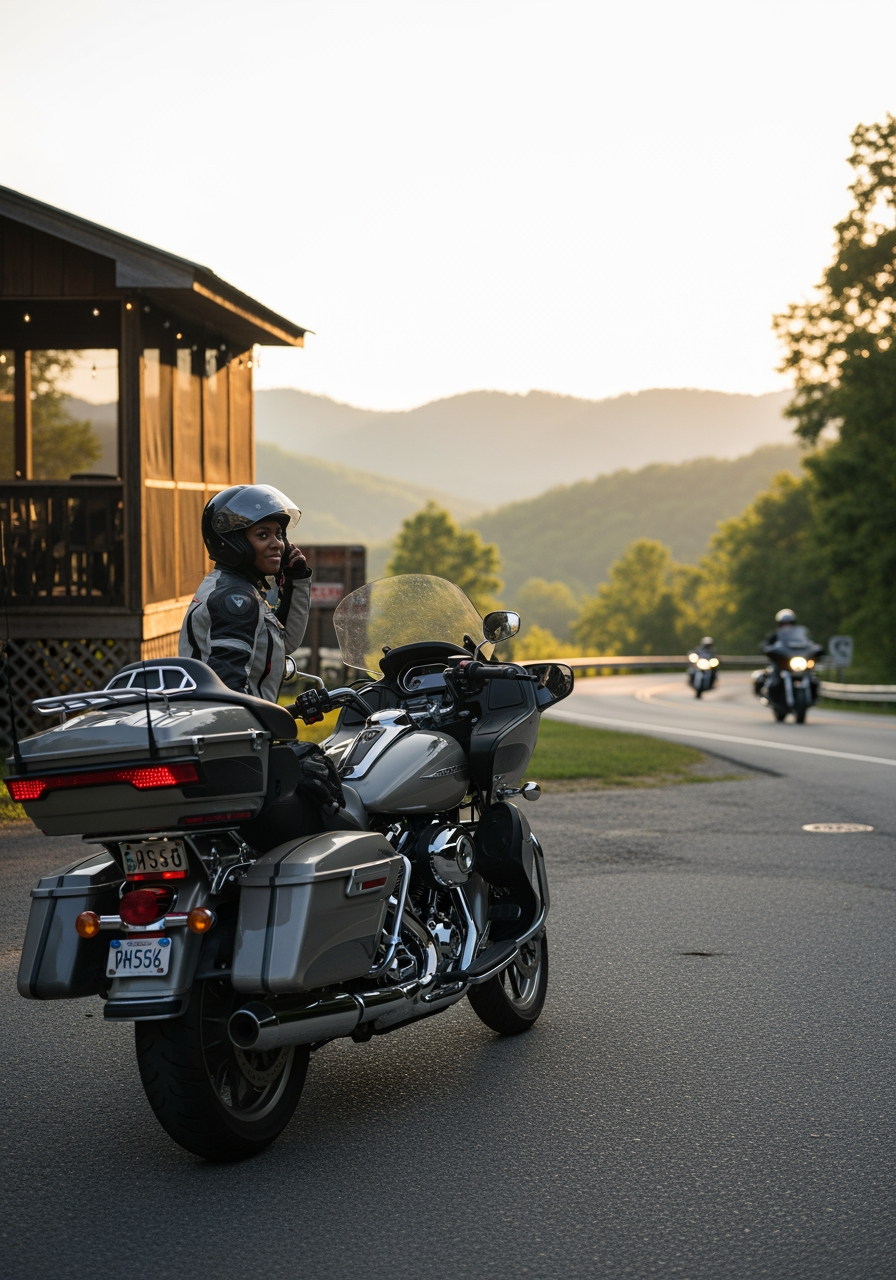
Safety & SC Law
Buying your first bike in SC? Three numbers to memorize before you ride off the lot.
25/50/25. Those are the minimum liability limits the state requires, and they are exactly that: the minimum. The cost difference between minimum coverage and solid coverage is usually pocket change per month. The cost difference after a serious crash is life changing.
Buy more than the minimum. Future you will be grateful.
Questions about SC coverage? (803) 200-2000.
#RideNationColumbia #SCMotorcycleLaw #NewRider #RideSafe
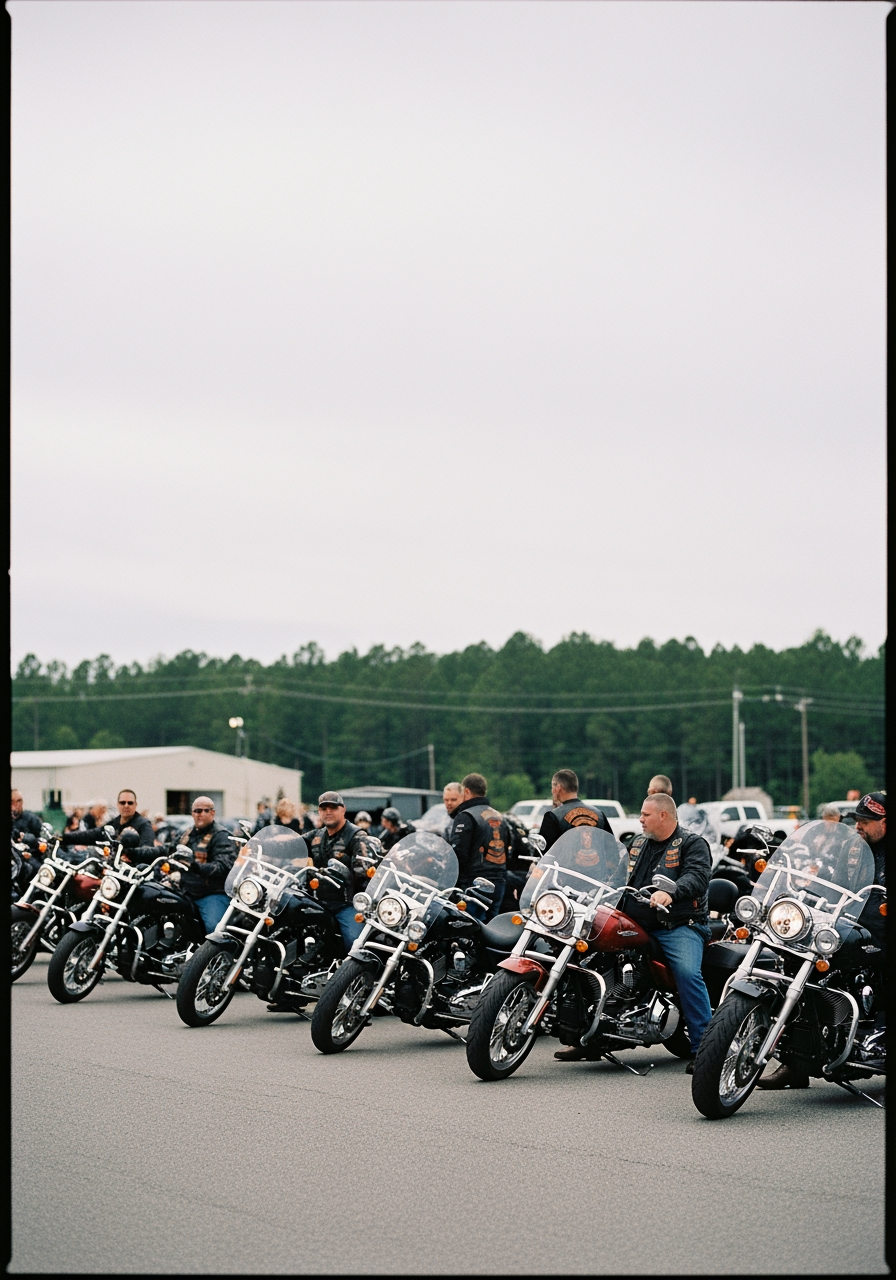
Engagement
Would you rather ride through a surprise rainstorm or 100 degree Columbia heat in full gear? Midlands summer is undefeated. Choose your suffering.
#RideNationColumbia #WouldYouRather #Midlands #SCRiders
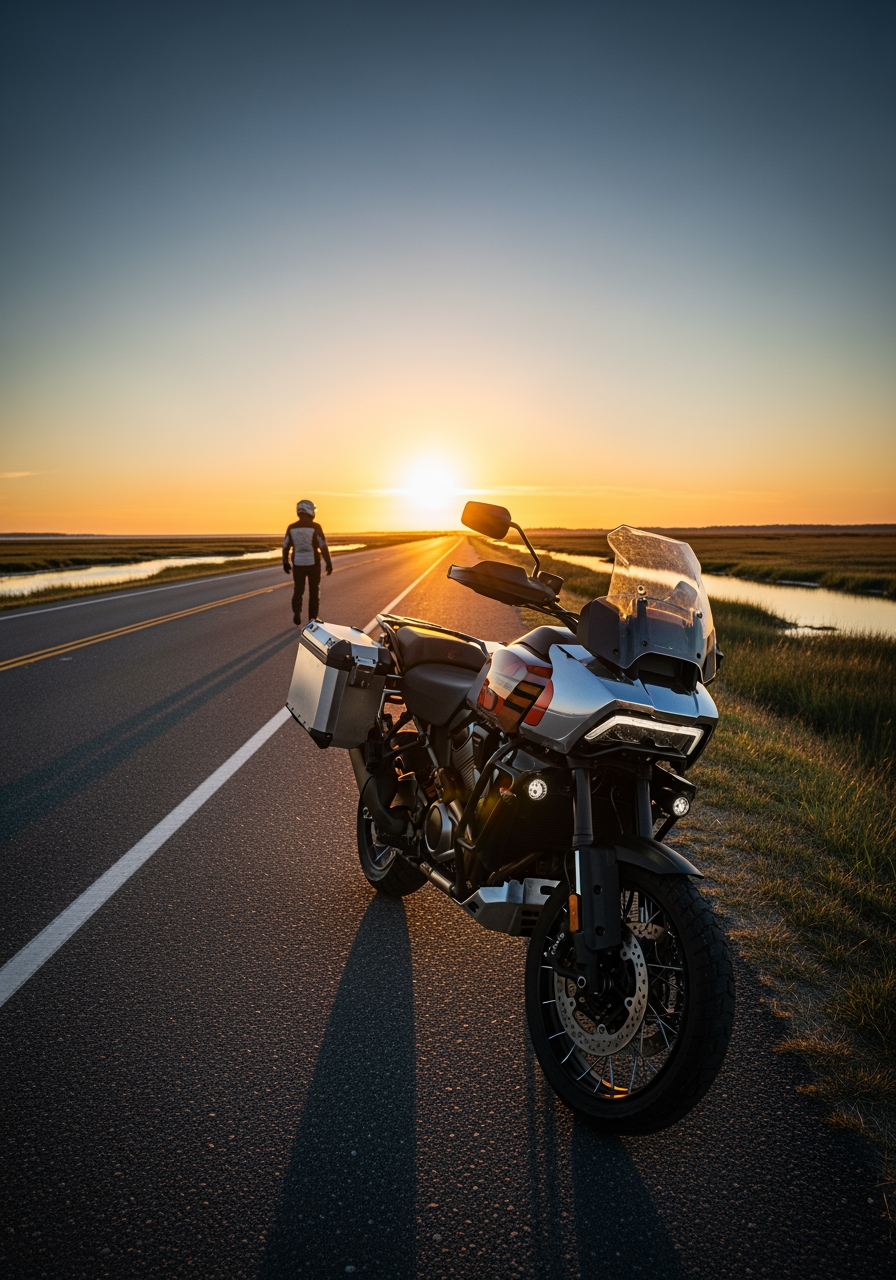
Giveaway & Countdown
Friendly reminder that the BikersWin giveaway costs you exactly nothing and could put $20,000 toward your next bike. There is no version of this where entering was a bad idea. December 10. Link in the comments. 💰 #RideNationColumbia #BikersWin #MotorcycleGiveaway #SouthCarolina
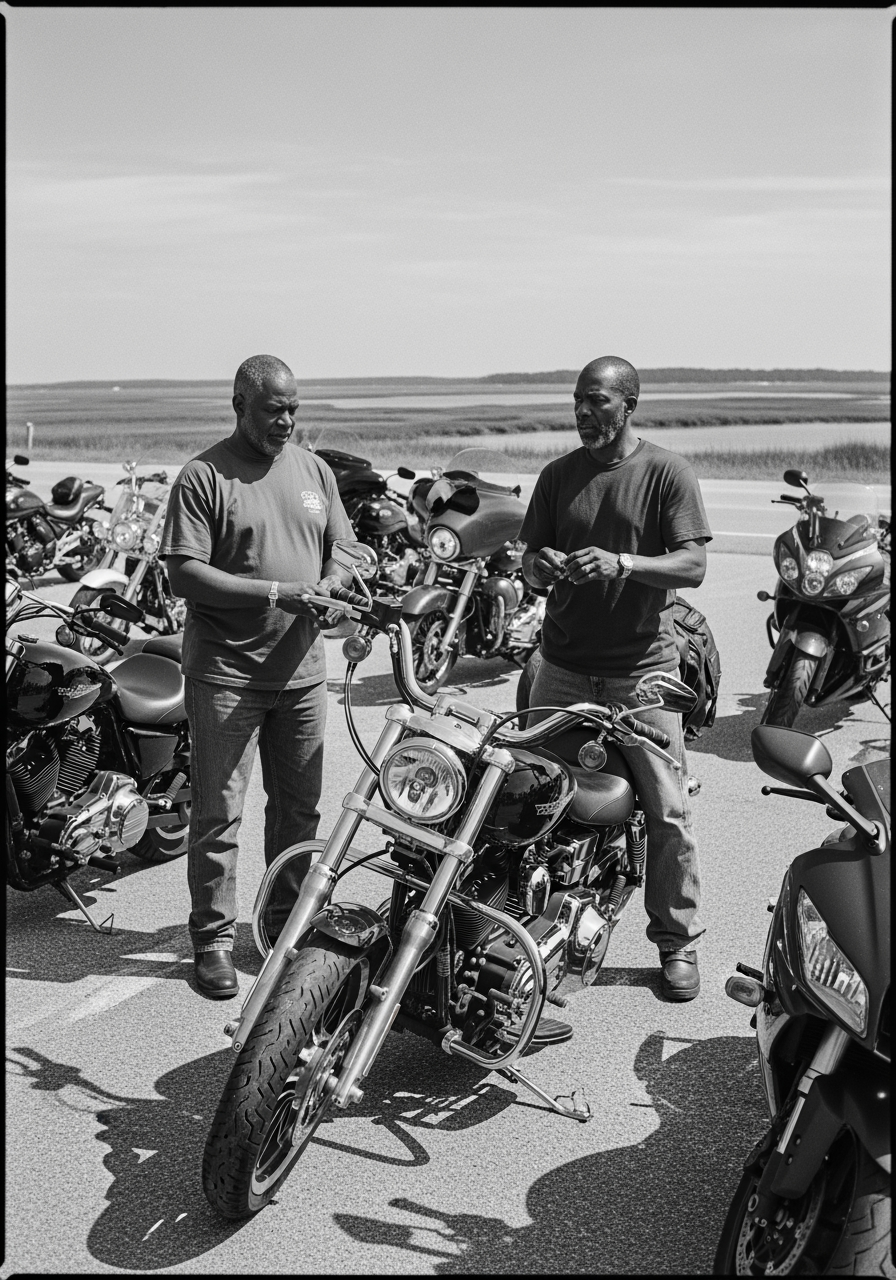
Local SC & Rides
Engine detail appreciation. There is something about clean chrome catching the SC sun that just hits right. Show us your machine cleaned up and ready to roll. Drop a pic of your pride and joy in the comments. We want to see what is rolling in the Midlands.
#RideNationColumbia #ChromeLife #SCRiders #SouthCarolinaRiding
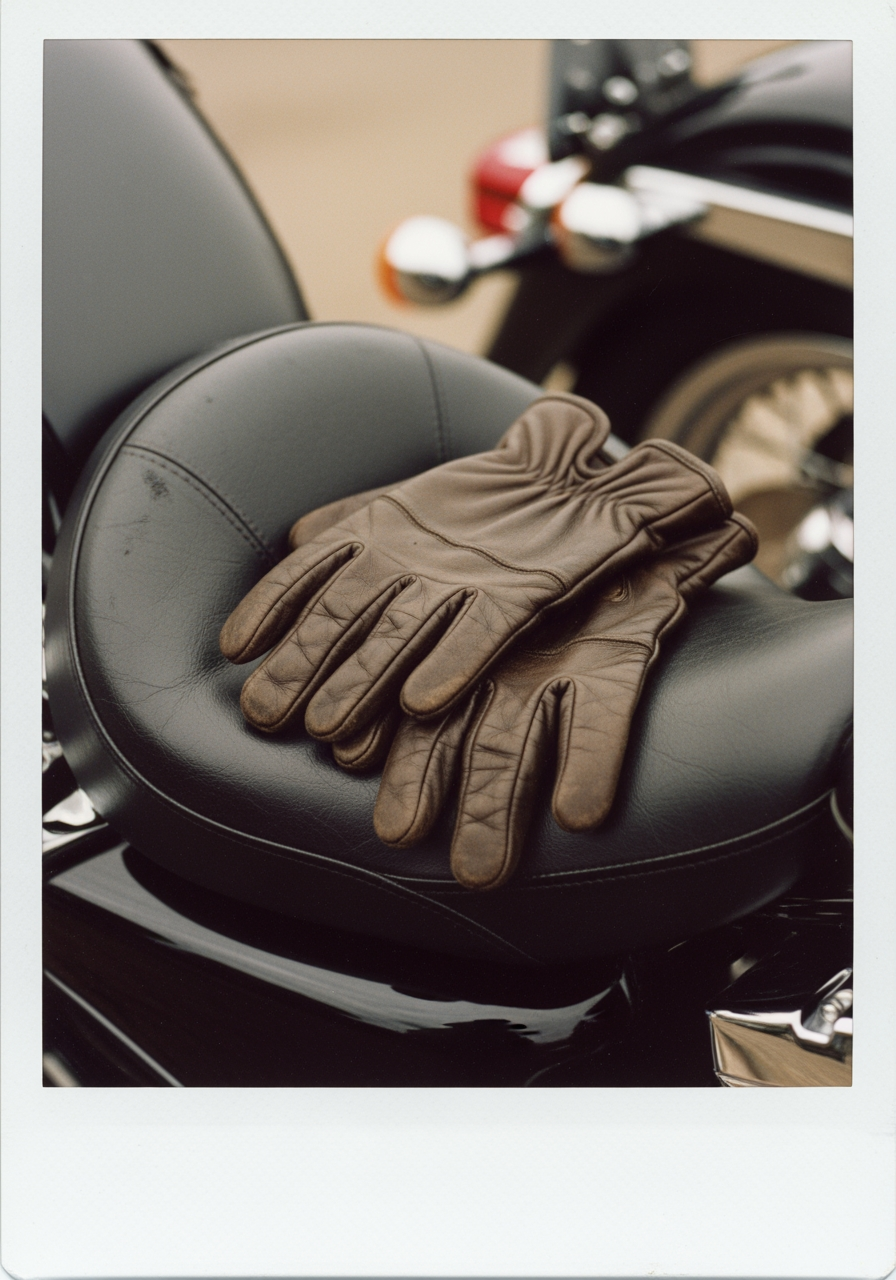
Gear & New Iron
Fork oil is the maintenance nobody talks about. Over years it breaks down and your front suspension gets harsh and unpredictable, diving hard under braking and skating over expansion joints on the interstate. A fresh fork service brings back the plush controlled feel you forgot the bike ever had. If your front end feels rough and you cannot remember the last service, that is your answer. Smooth suspension is also safer suspension. Ever had your forks freshened up?
#RideNationColumbia #Suspension #MotoMaintenance #MotoTips
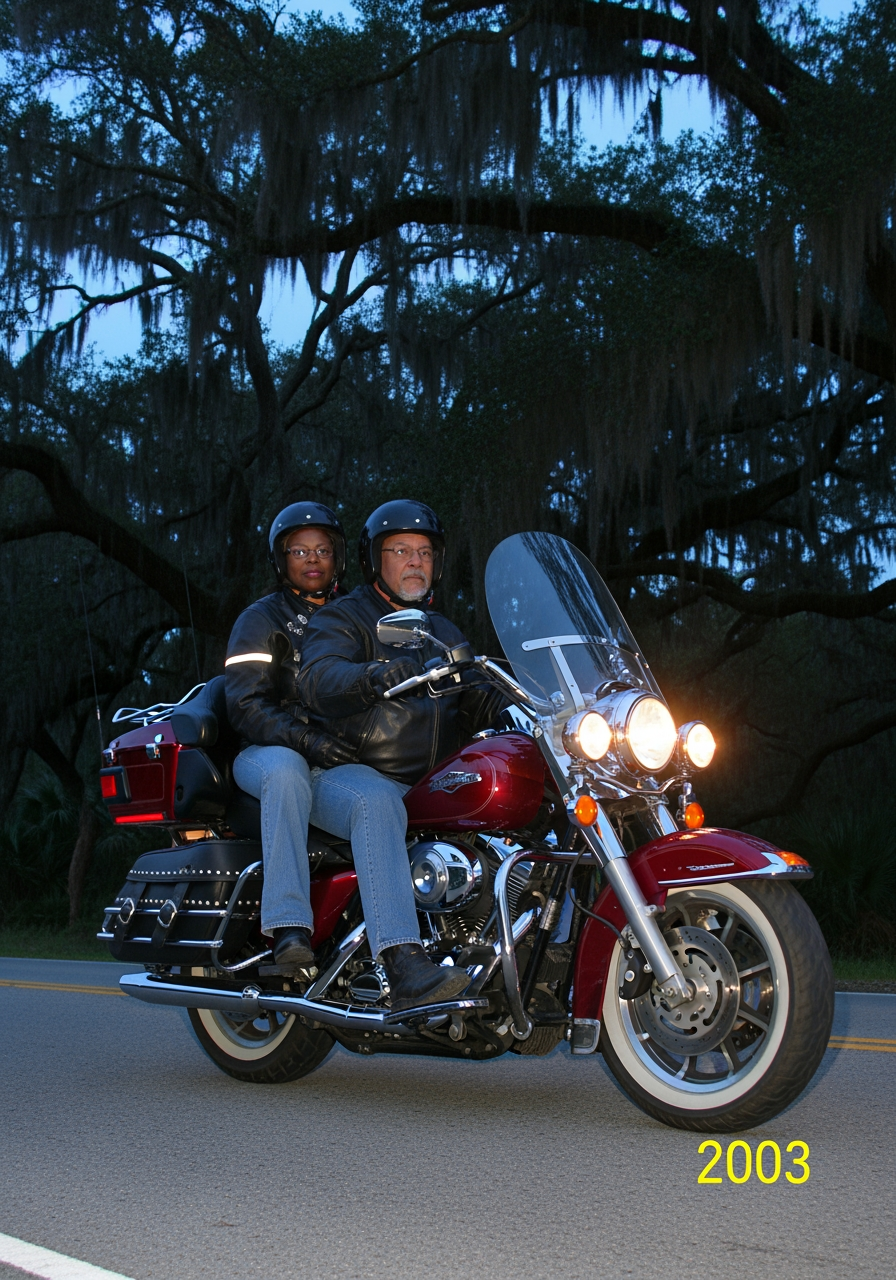
Safety & SC Law
Target fixation has ended more rides than bad luck ever did.
When something scares you, your eyes lock on it. Pothole, guardrail, stalled car. And the brutal truth of riding is your bike goes exactly where your eyes go. Stare at the hazard, hit the hazard.
Train yourself to look at the escape path, not the danger. Eyes up, eyes through, eyes where you want to be.
#RideNationColumbia #RideSafe #MotorcycleSafety #SCRiders
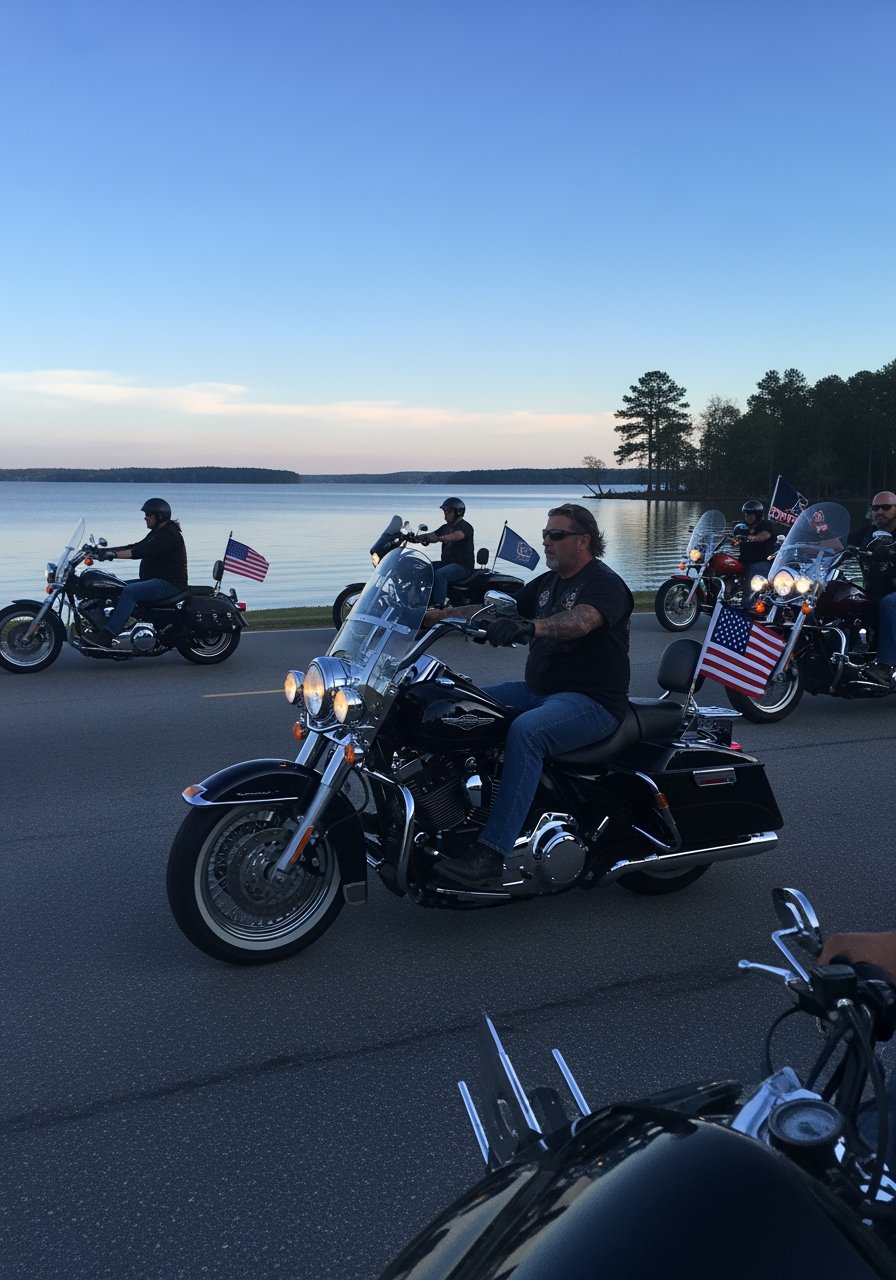
Engagement
Tag the newest rider you know. Drop some love and a tip in the comments. We all started somewhere. Let's bring them in.
#RideNationColumbia #TagARider #NewRiders #SCRiders
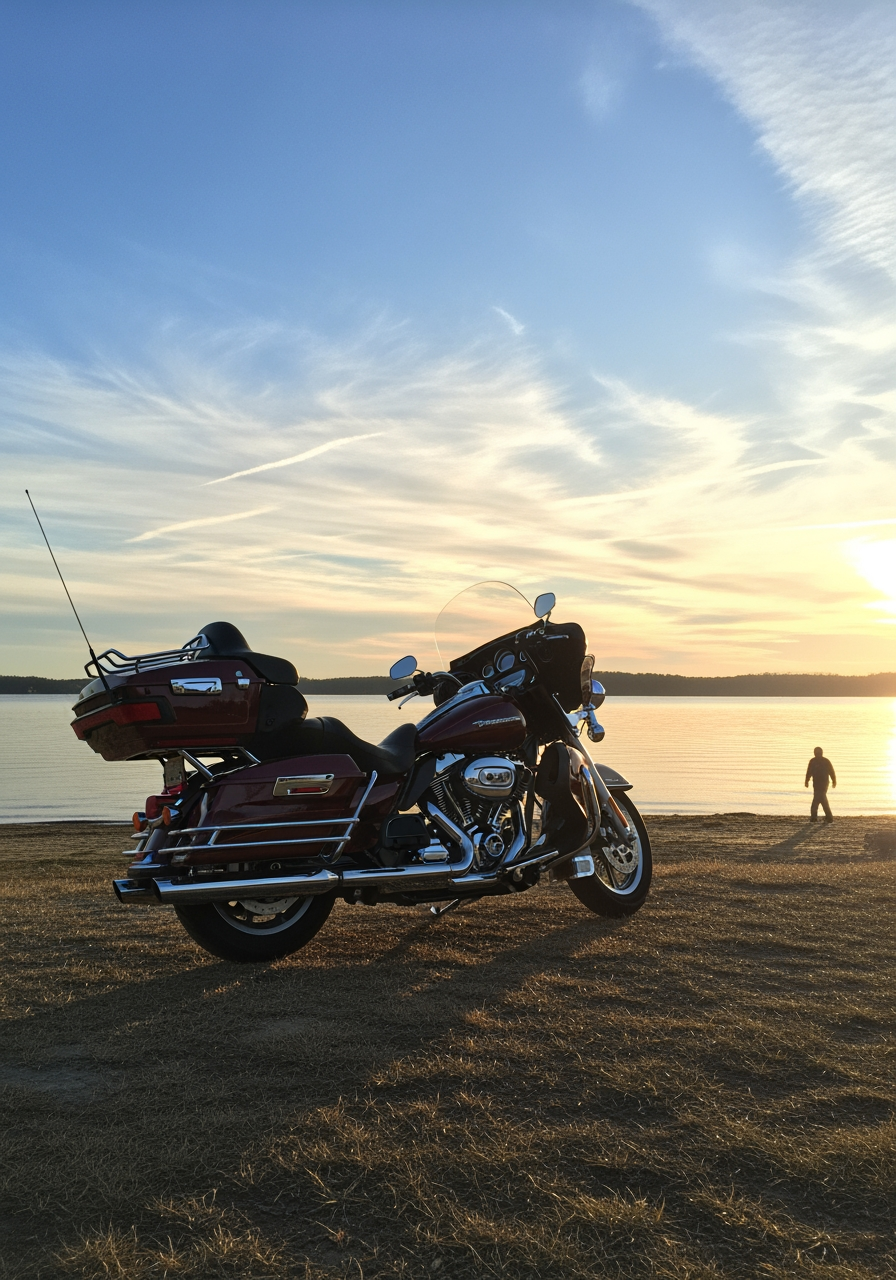
Giveaway & Countdown
Roll call. Where are you riding from? Columbia? Lexington? Greenville? Myrtle Beach? Drop your home base below and let us see how far Ride Nation reaches. Then enter the BikersWin $20,000 giveaway. Link in the comments. 📍 #RideNationColumbia #BikersWin #SCriders #Midlands
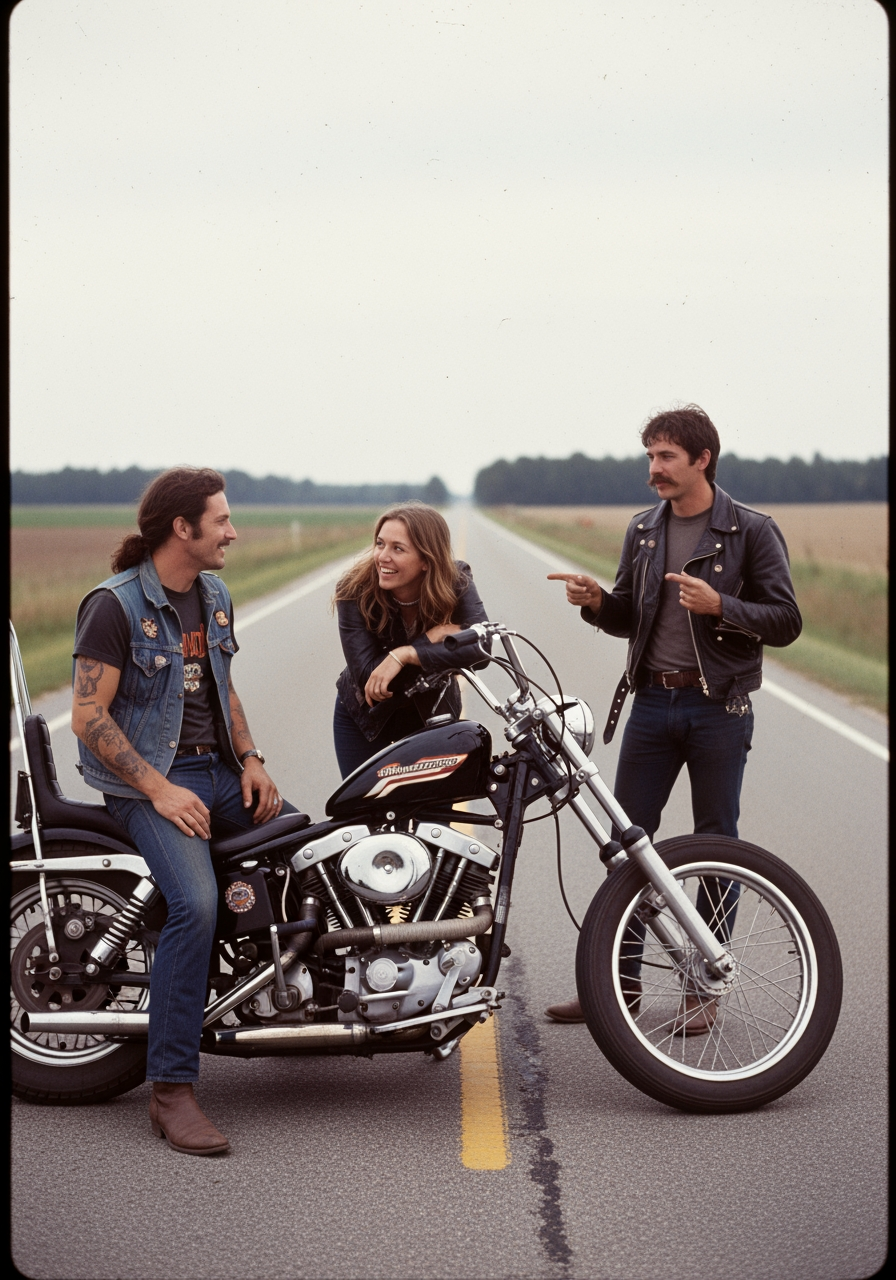
Local SC & Rides
Bike Week brings the whole rider nation to the Grand Strand. Vendors, shows, and miles of bikes you only dream about seeing in person. If you have never done Myrtle in May, put it on the list. The energy is unmatched. First timer or veteran? Let us know.
#RideNationColumbia #MyrtleBeachBikeWeek #GrandStrand #SCRides
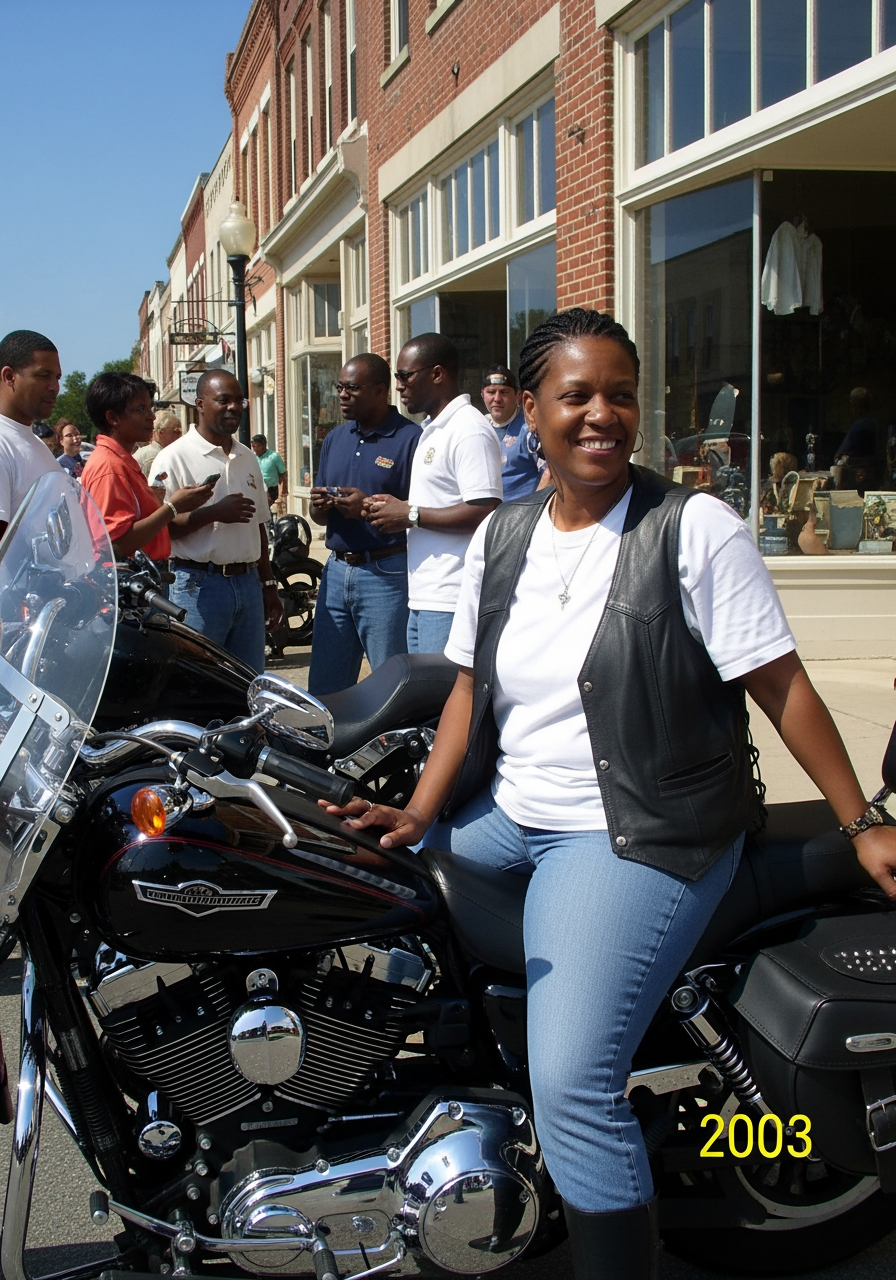
Engagement
POLL. What's your weakness when you walk into a bike shop?
1. New helmet I absolutely do not need
2. Chrome, all the chrome
3. Tools I'll use exactly once
4. Stickers. So many stickers.
#RideNationColumbia #SCRiders #BikeShop #MotorcyclePoll
Gear & New Iron
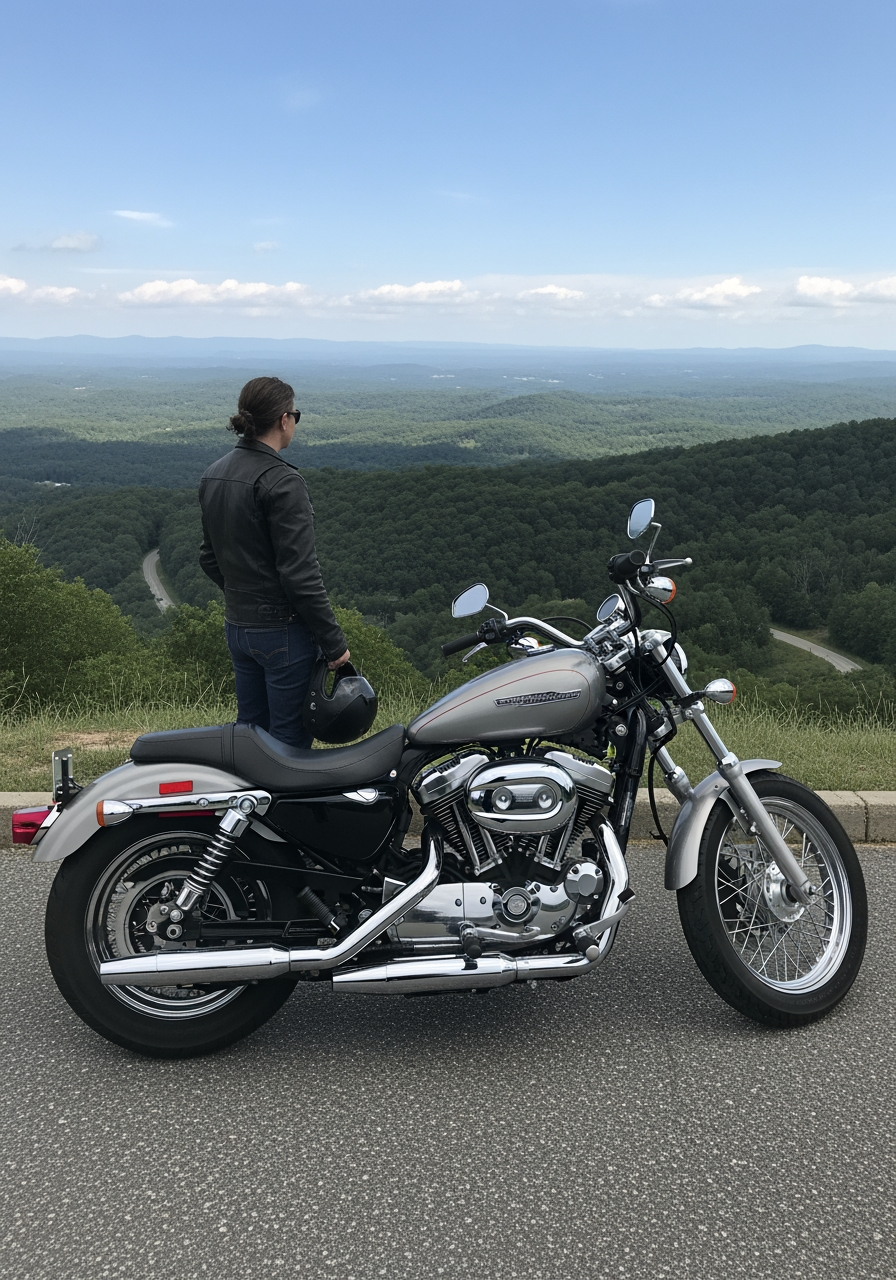
Tinted and photochromic visors are worth every penny on SC rides. Photochromic shields darken in the sun and clear up in tunnels or at dusk automatically, so you are never caught squinting into a Grand Strand sunset or blind in a shadow. Cheaper move is just keeping a clear and a tinted visor and swapping them, but the auto tint is pure convenience. Eye fatigue is real on long rides. What is on your helmet, clear, tinted, or photochromic?
#RideNationColumbia #RidingTech #HelmetVisor #GearUp
Safety & SC Law
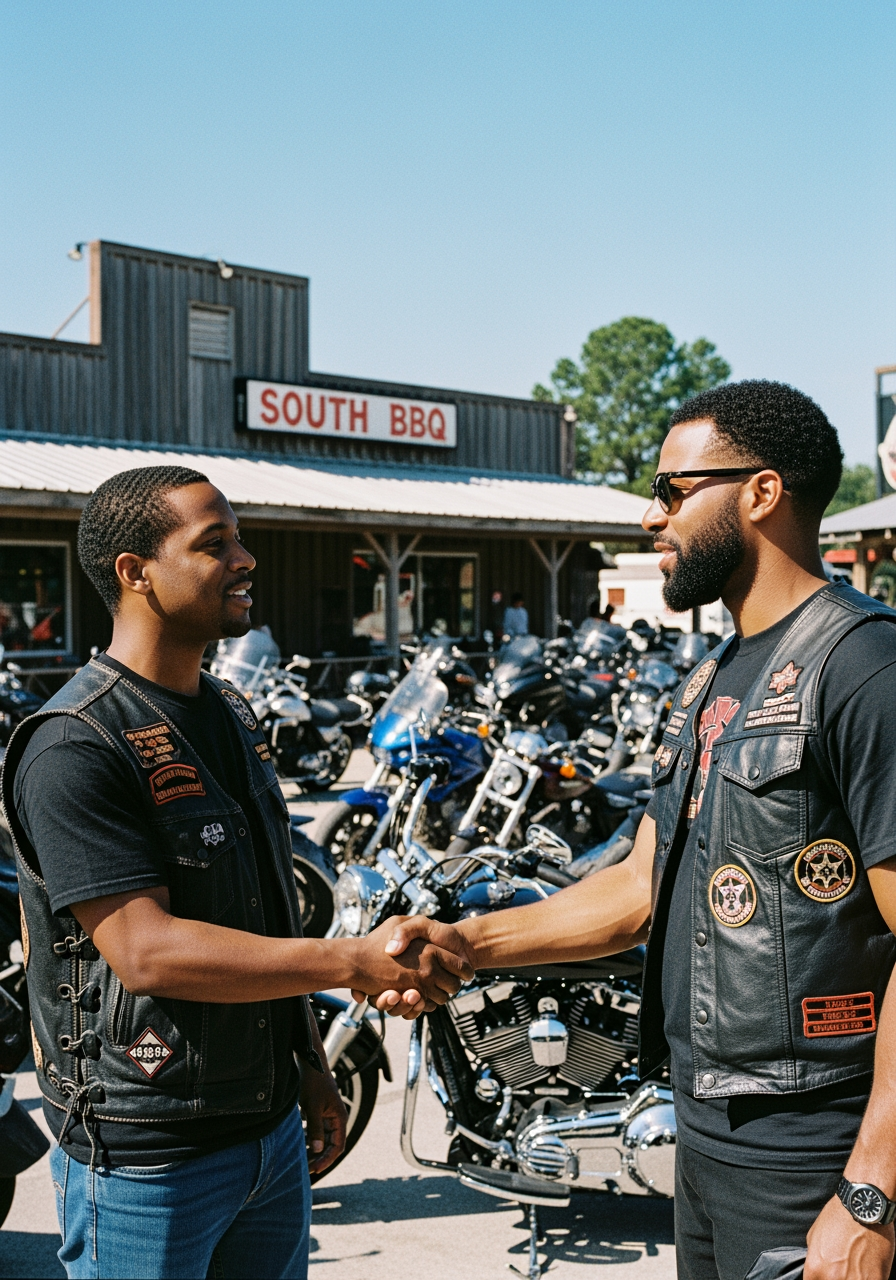
That recall postcard you tossed could have your name on a defect.
Motorcycle recalls cover serious stuff: failing brakes, fuel leaks, faulty side stands that drop while you ride. When a defective part causes a crash, that is a whole different kind of claim than a normal wreck.
Check your VIN at nhtsa.gov today. And if a part failure put you down, that is worth a conversation.
The Jeffcoat Firm rides with us. (803) 200-2000.
#RideNationColumbia #MotorcycleRecall #RideSafe #SCRiders
Giveaway & Countdown
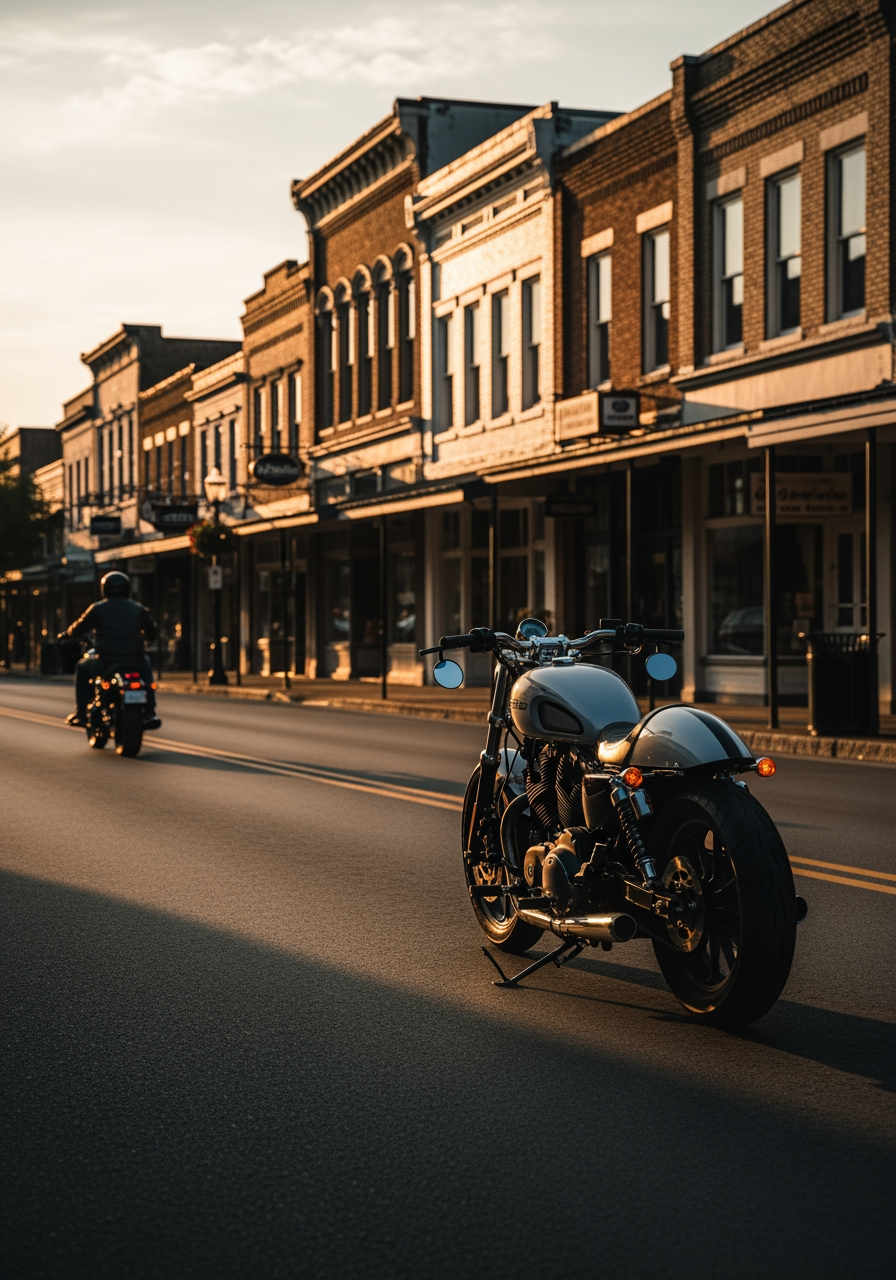
Some of you have been riding the same bike for 15 years and it has earned its retirement. $20,000 from BikersWin could be the upgrade you have put off way too long. Free to enter, December 10. Link in the comments. 🔧 #RideNationColumbia #BikersWin #Countdown #ColumbiaSC
Local SC & Rides
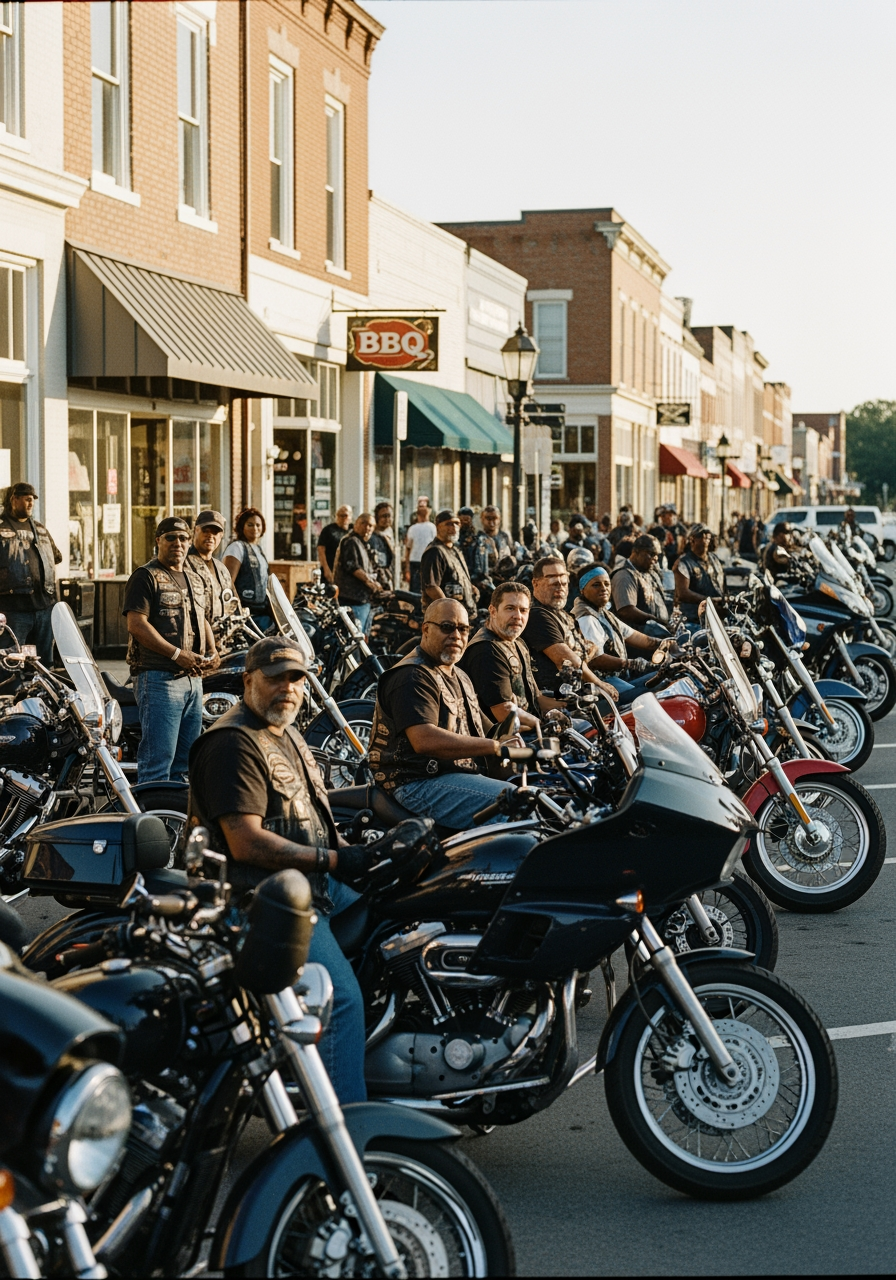
Foggy foothills mornings up near SC-11 feel like another world. The mist hangs in the valleys and burns off as you climb. Cold start, warm payoff. Just take the curves easy until that fog lifts. Who else loves an early misty mountain run?
#RideNationColumbia #SC11 #UpstateRiders #FoothillsRiding
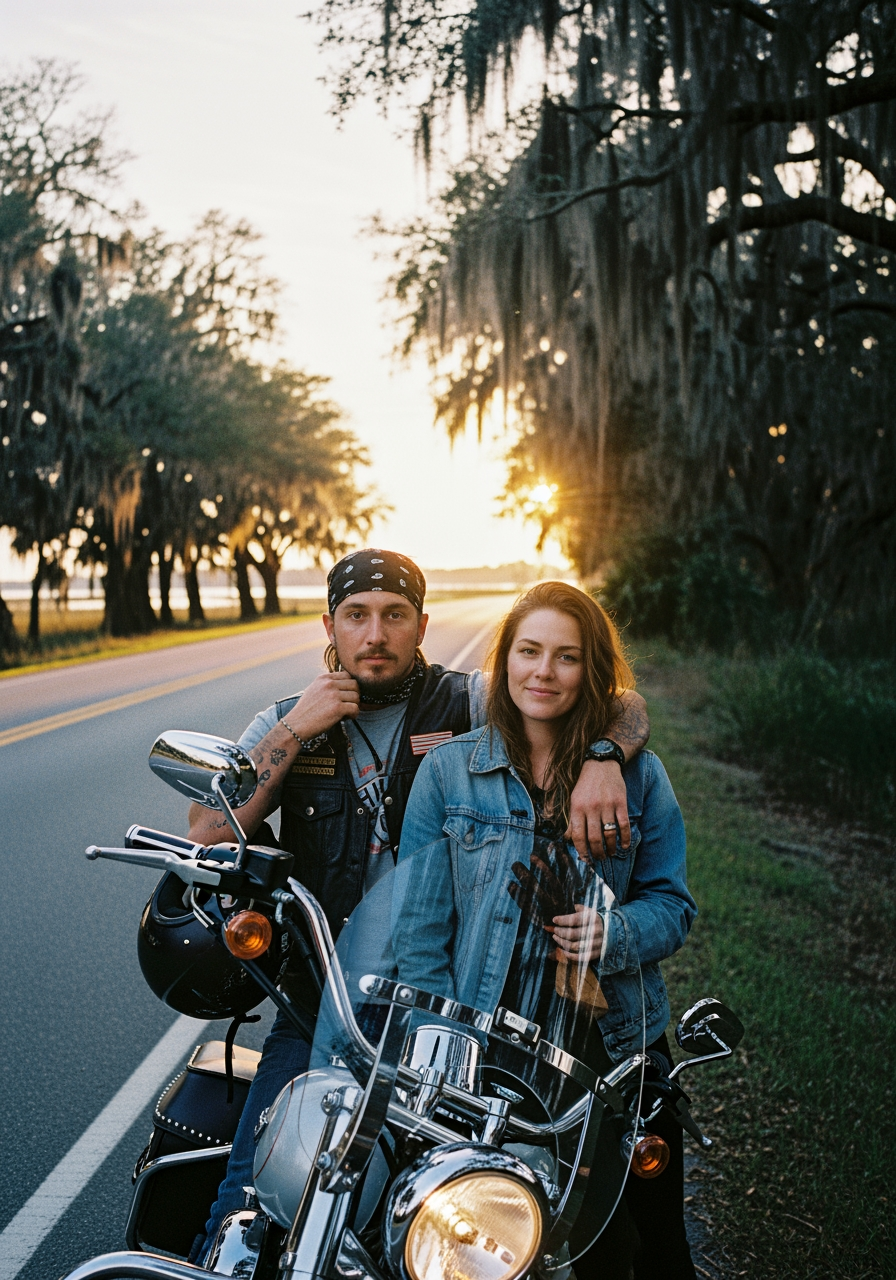
Engagement
This or that. Saddlebags packed for a week or just a backpack and a prayer? Tell us how you really travel.
#RideNationColumbia #SCRiders #MotorcycleTouring #RideNation
Giveaway & Countdown
The list of riders who entered the BikersWin giveaway keeps growing across South Carolina. The list of riders who win is exactly one. The only way to be on the second list is to be on the first. December 10. Link in the comments. 📊 #RideNationColumbia #BikersWin #MotorcycleGiveaway #SouthCarolina
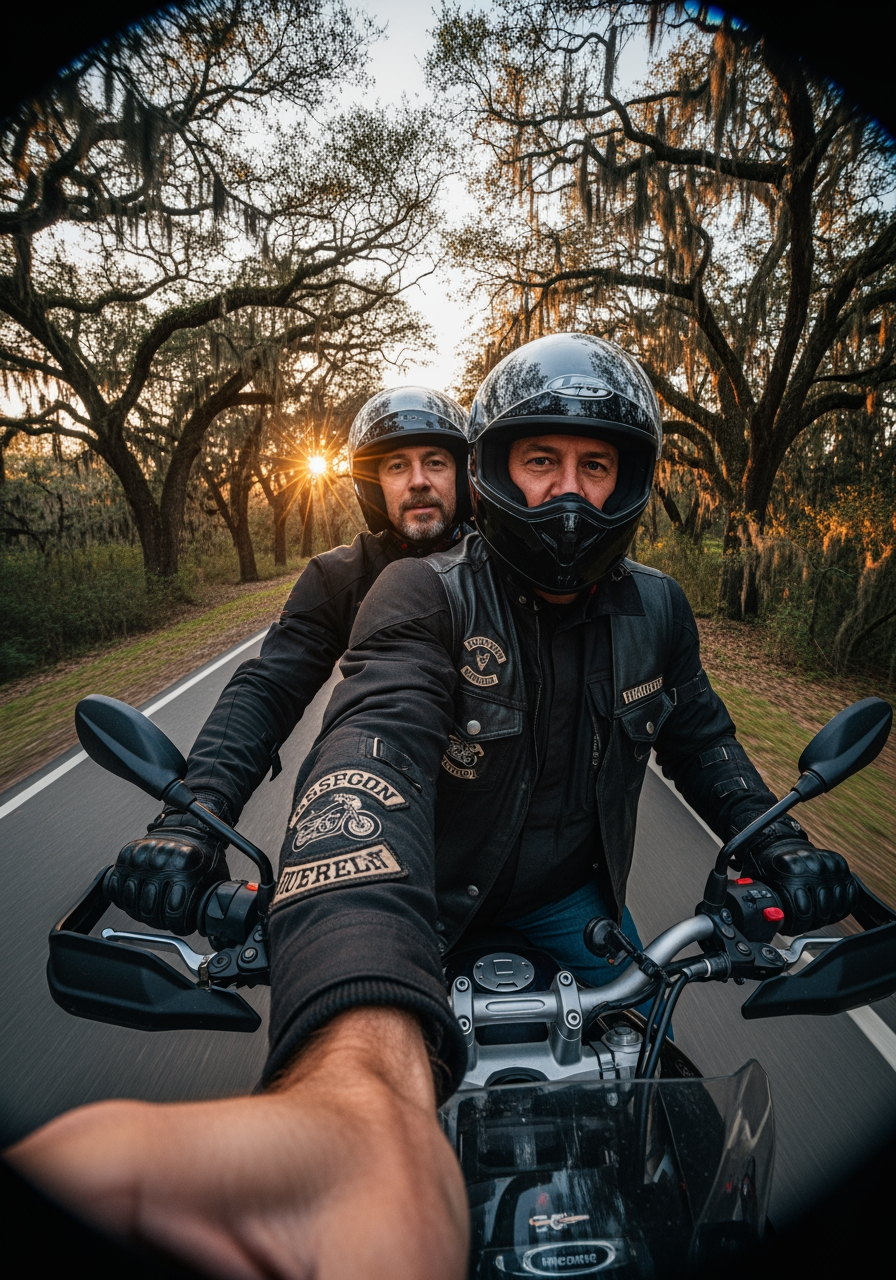
Gear & New Iron
The Triumph Speed 400 brought a real Triumph in under most riders budgets and it shook up the small bike market. Single cylinder, light, gorgeous classic styling, and the badge on the tank that usually costs a lot more. It is a perfect Midlands backroad bike and a legit option for new riders who want something with soul instead of plastic. Modern build quality with old school looks. Would you daily a 400 around Columbia? Let us know.
#RideNationColumbia #Triumph #NewIron #BeginnerBike
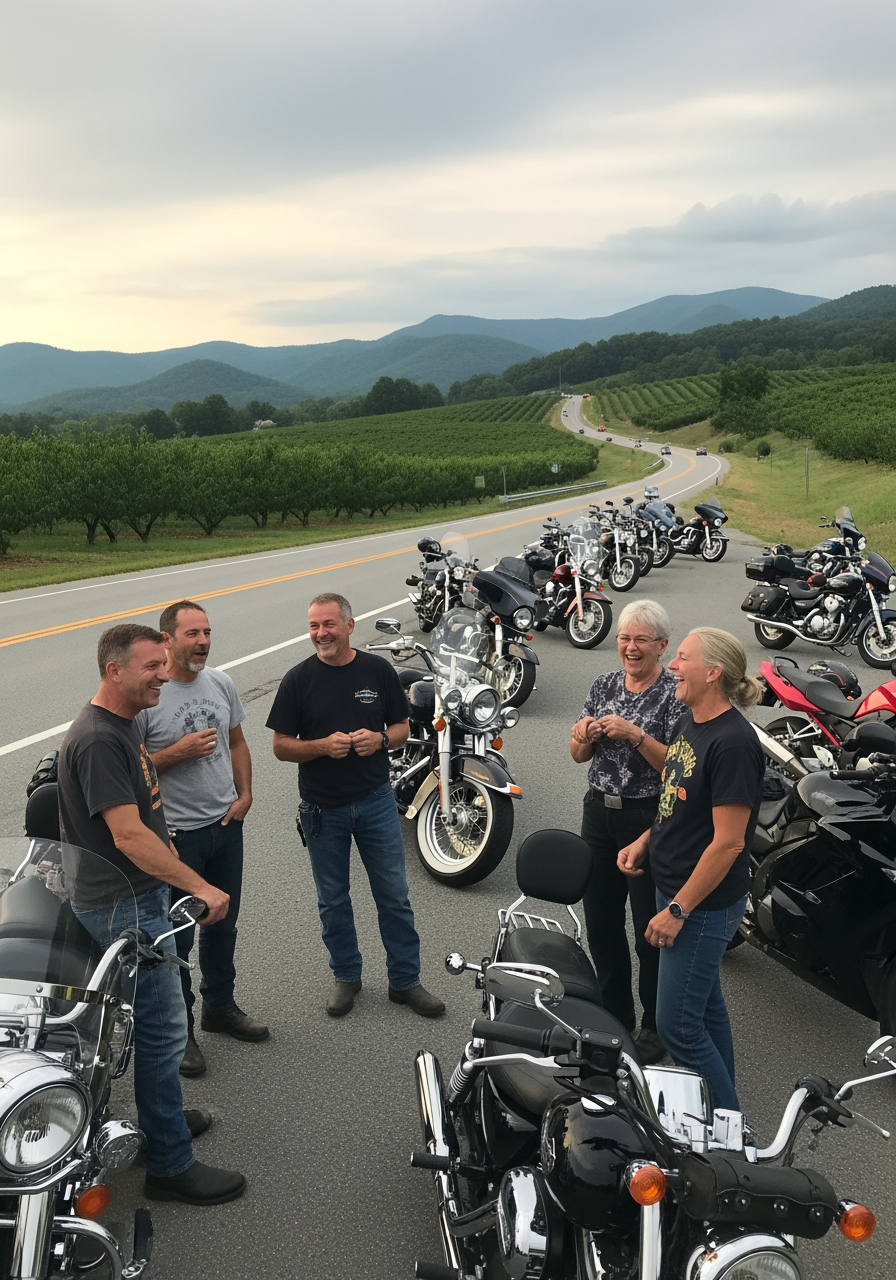
Safety & SC Law
Lane splitting is NOT legal in South Carolina. Know it before you try it.
Unlike a handful of western states, SC has no law permitting riders to slip between lanes of stopped or slow traffic. Do it here and you are taking on the citation AND a big chunk of fault if anything goes wrong.
Sit in your lane, stay visible, and leave yourself an out in stop-and-go traffic instead.
Know the law, ride the law.
#RideNationColumbia #SCMotorcycleLaw #RideSafe #SCRiders
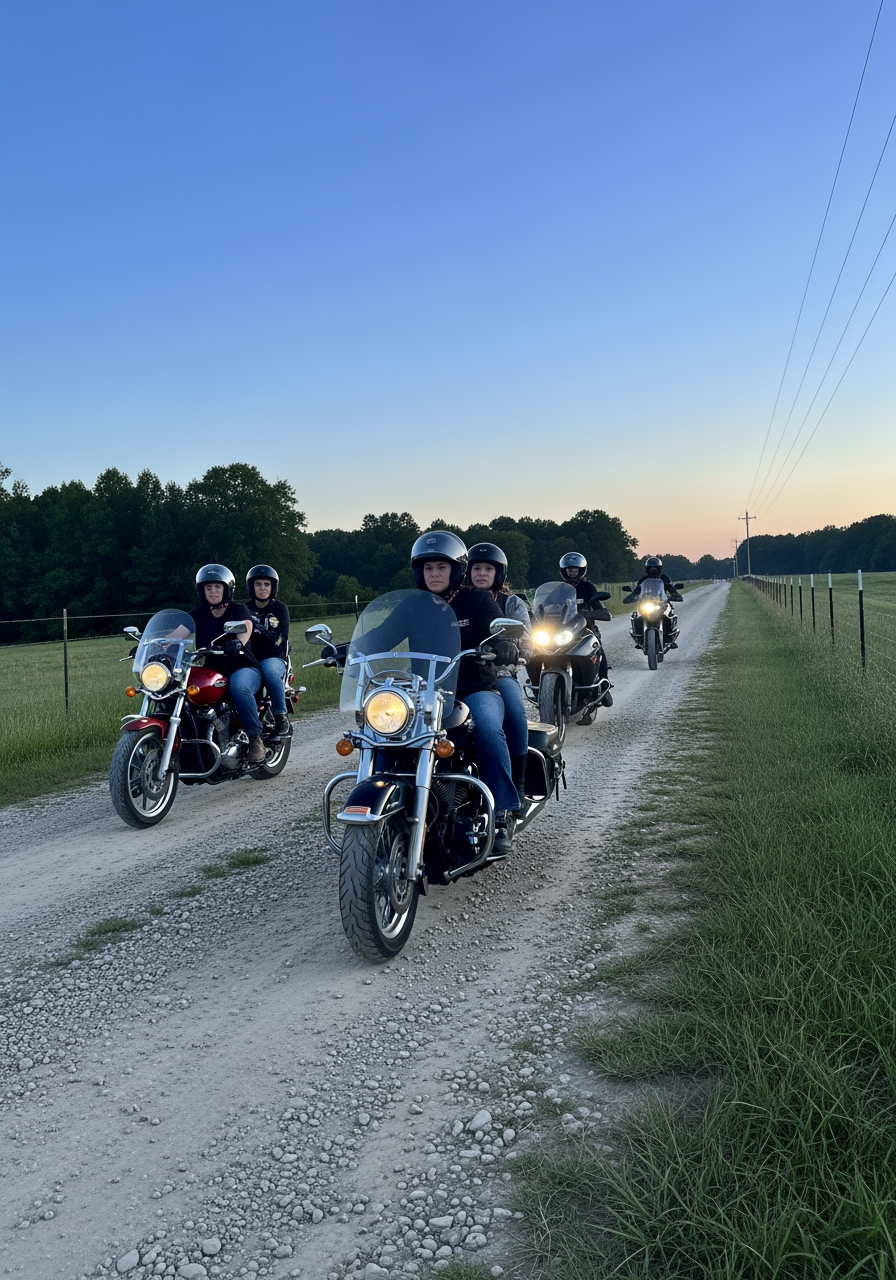
Local SC & Rides
Midlands group ride season is here. Nothing beats rolling out of Columbia ten bikes deep on a Sunday. Lake Murray loop, lunch stop, easy ride home. That is the formula. Who runs a regular weekend group around the Midlands? We want to ride with you.
#RideNationColumbia #ColumbiaSC #GroupRide #MidlandsRiders
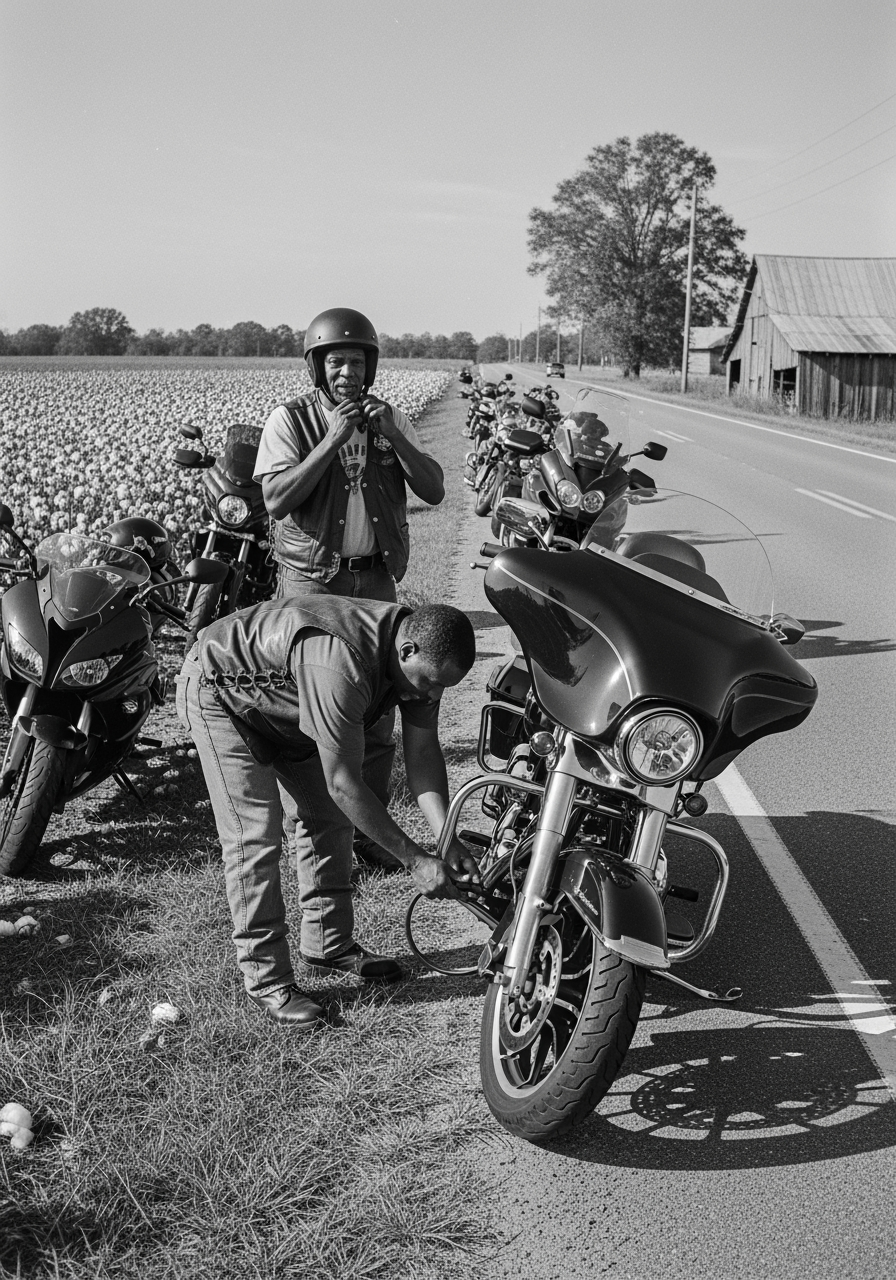
Engagement
Caption this. Somewhere between a great idea and a tow truck. What's running through this rider's head?
#RideNationColumbia #CaptionThis #BikerHumor #SCRiders
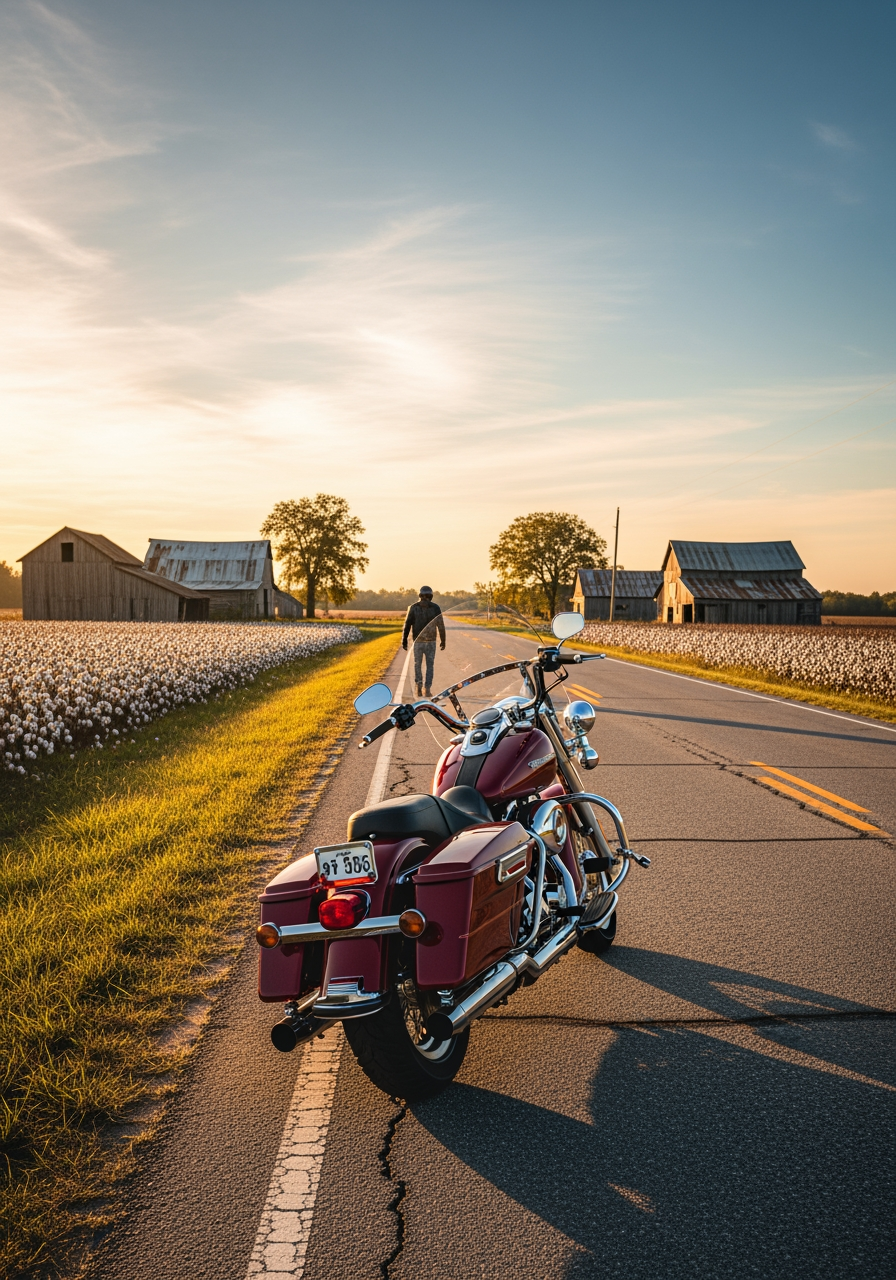
Giveaway & Countdown
Two up riders, weigh in. If you won $20,000 would you build a comfy long haul tourer for the both of you or a solo machine just for the twisties? Comment your call, then enter BikersWin. Link in the comments. 💑 #RideNationColumbia #BikersWin #WhatWouldYouRide #LakeMurray
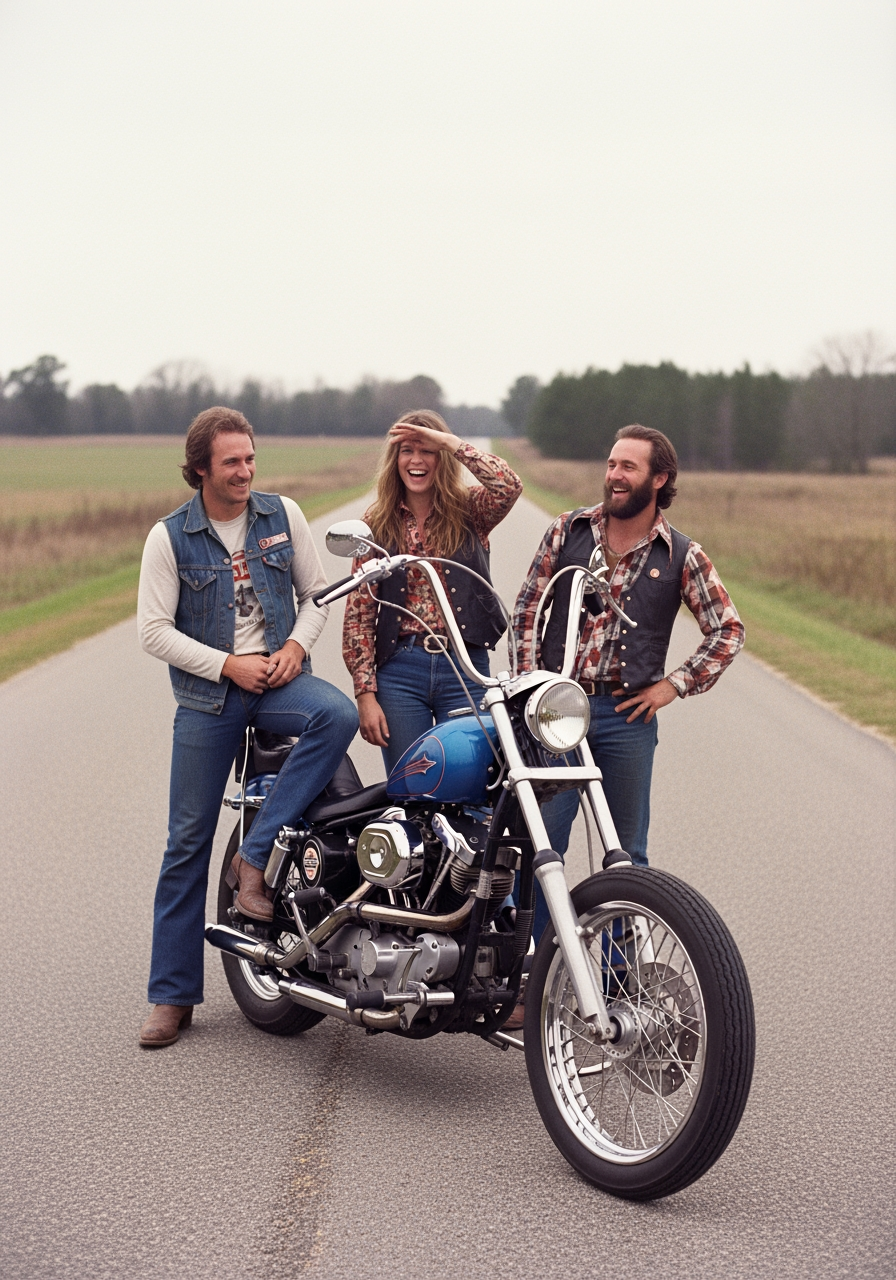
Engagement
Would you rather ride the entire South Carolina coast in one day, or all the Upstate mountain roads in one day? Pick the trip of a lifetime.
#RideNationColumbia #WouldYouRather #SCRiders #RideNation
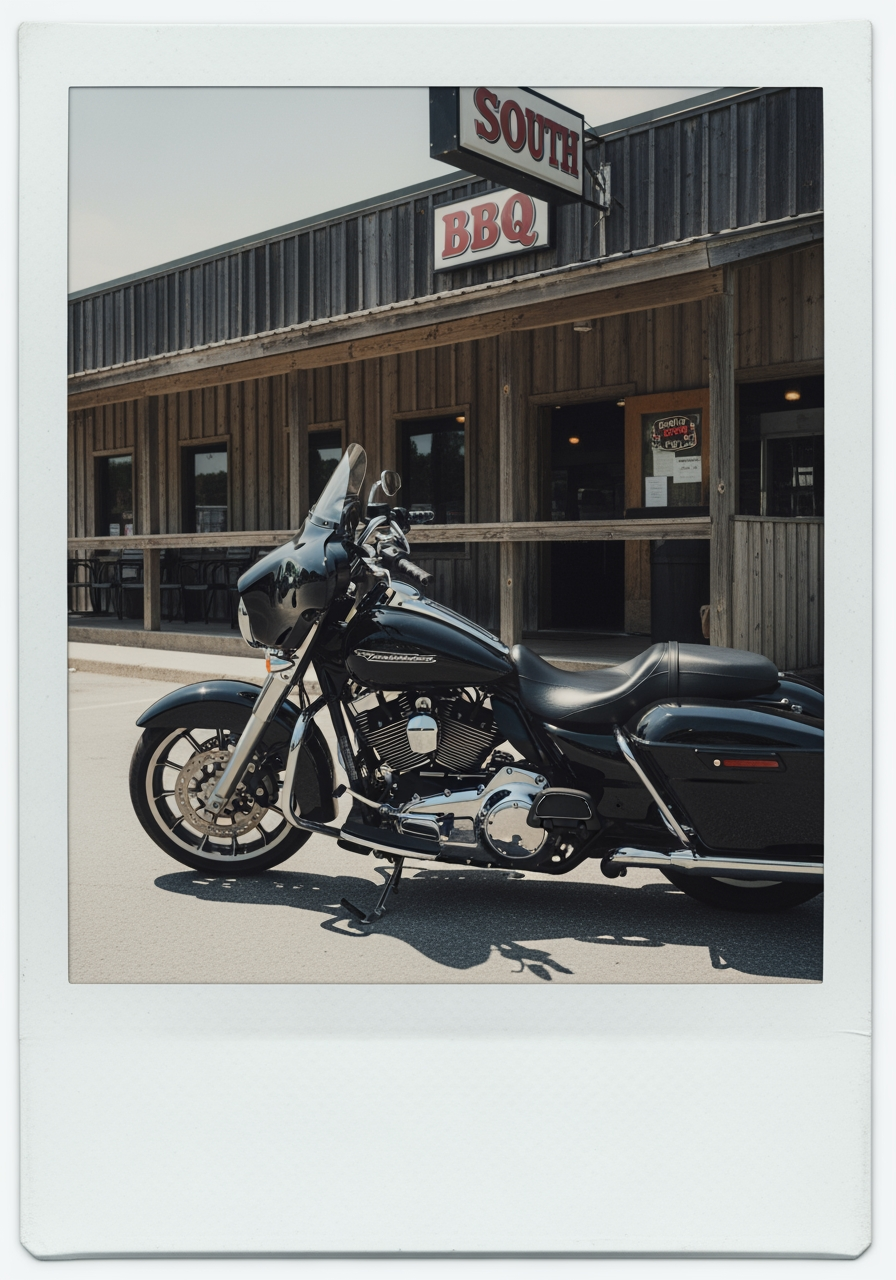
Gear & New Iron
Heated grips are not just a winter toy, they save your hands on chilly Upstate mornings and foggy coastal dawns. Cold stiff fingers react slower and grip worse, both bad on a bike. A set of heated grips or even heated gloves keeps your hands working when the temperature drops, extending your riding season by months on both ends. SC winters are mild but those 40 degree morning rides bite. Anybody running heated grips year round?
#RideNationColumbia #HeatedGrips #RidingTech #ColdWeatherRiding
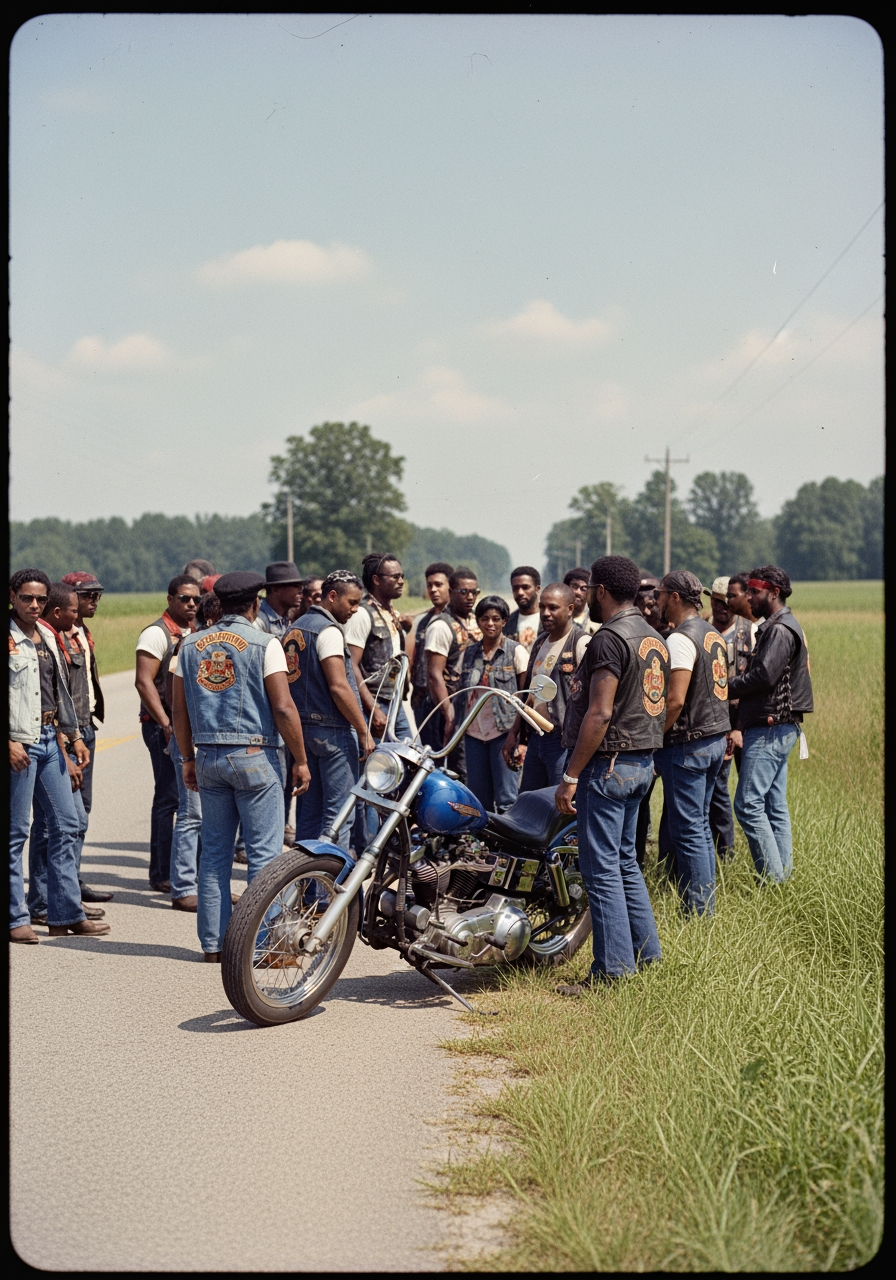
Safety & SC Law
Cars do not see you at night. Your job is to fix that.
A single headlight in a sea of paired car lights barely registers to a tired driver. Reflective gear, a clean bright headlight, and reflective tape on your bags and helmet turn you from a dot into something a brain recognizes as close and moving.
Night riding is doable. Invisible night riding is not.
#RideNationColumbia #RideSafe #NightRiding #SCRiders
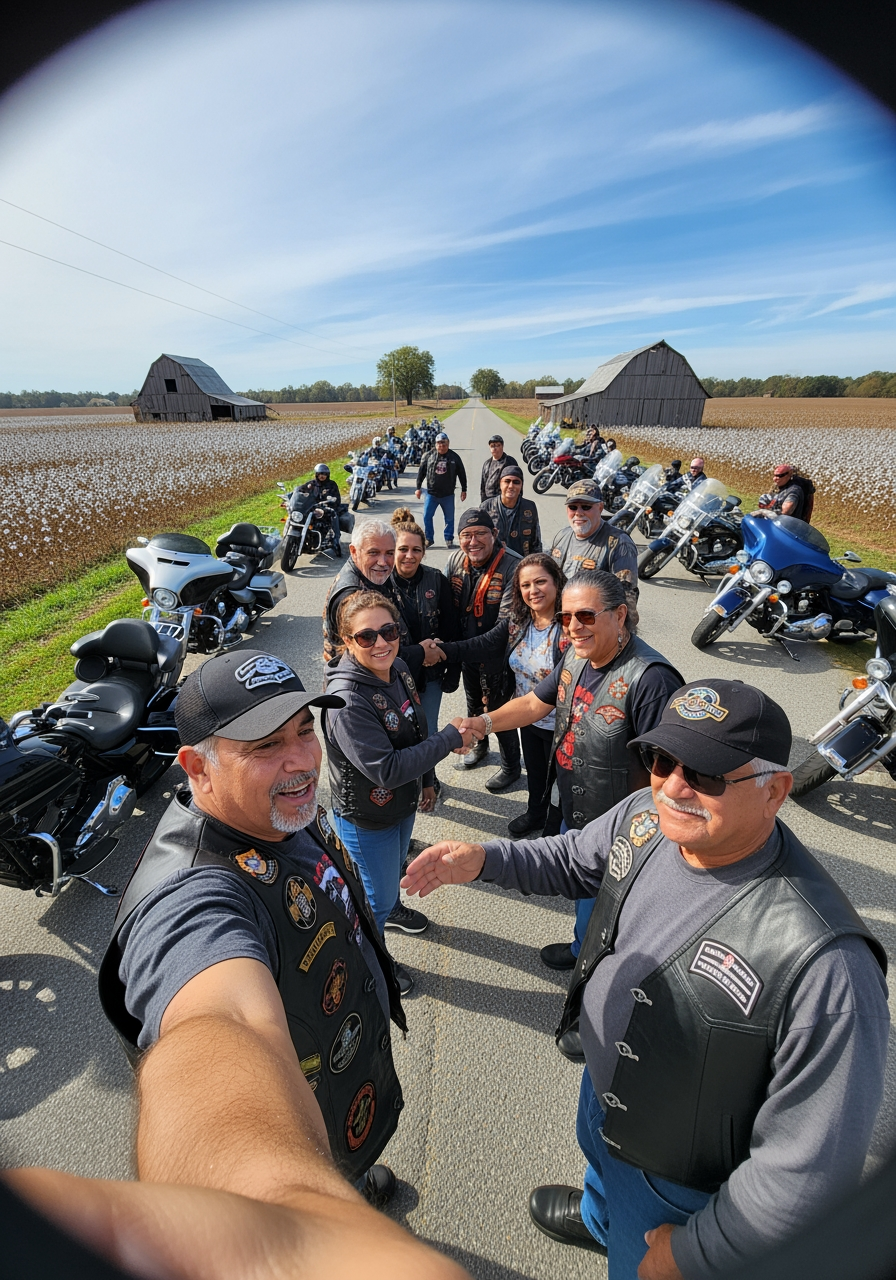
Local SC & Rides
Late summer rides on the Grand Strand mean beating the afternoon storms. Coast in the morning, off the bike by lunch, watch the clouds roll in from the porch. Myrtle in August is all about timing. How do you plan around the coastal afternoon pop ups?
#RideNationColumbia #MyrtleBeach #GrandStrand #SummerRiding
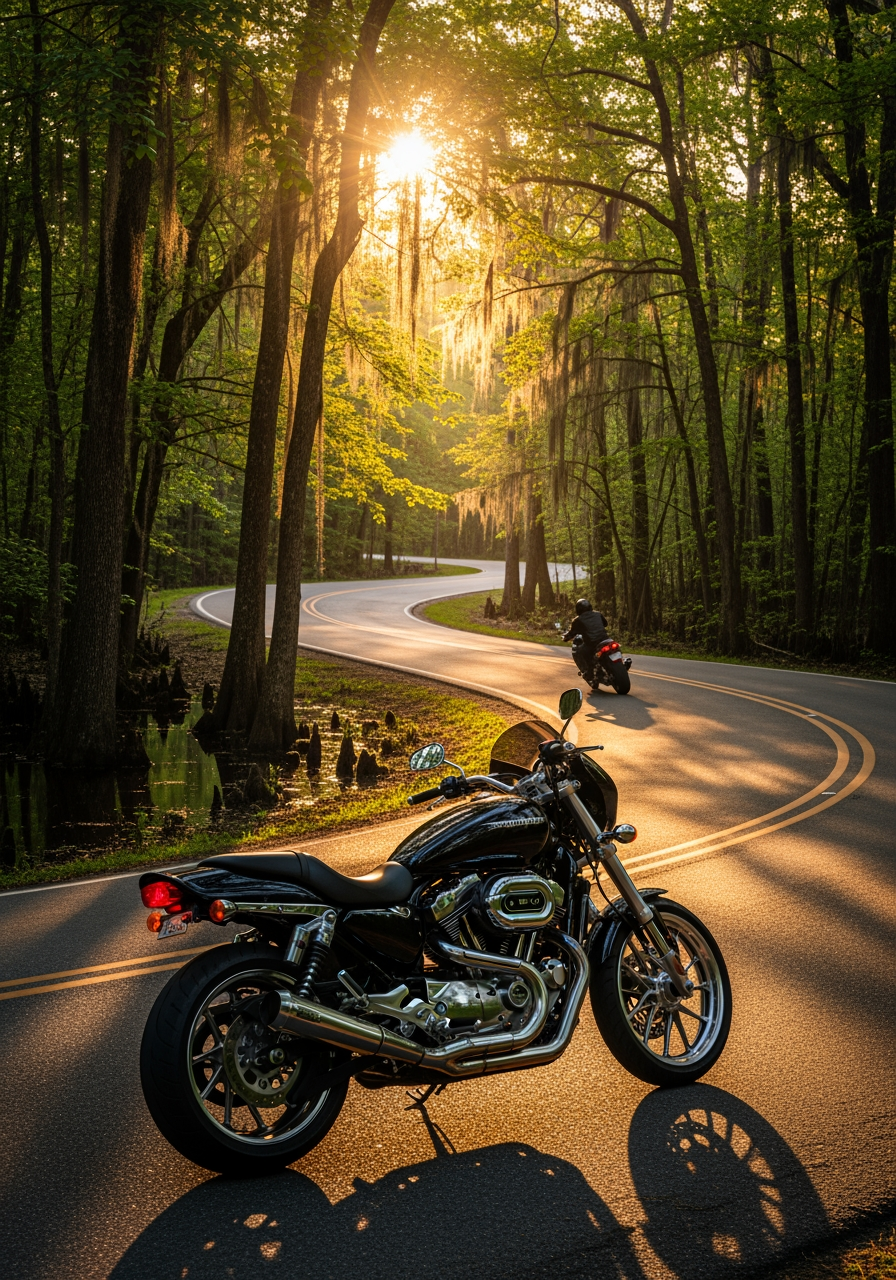
Giveaway & Countdown
Midweek motivation. You are one free entry away from a shot at $20,000 toward any bike. The BikersWin draw is December 10 and procrastination has never won anybody a motorcycle. Link in the comments. ⚡ #RideNationColumbia #BikersWin #Countdown #SCriders
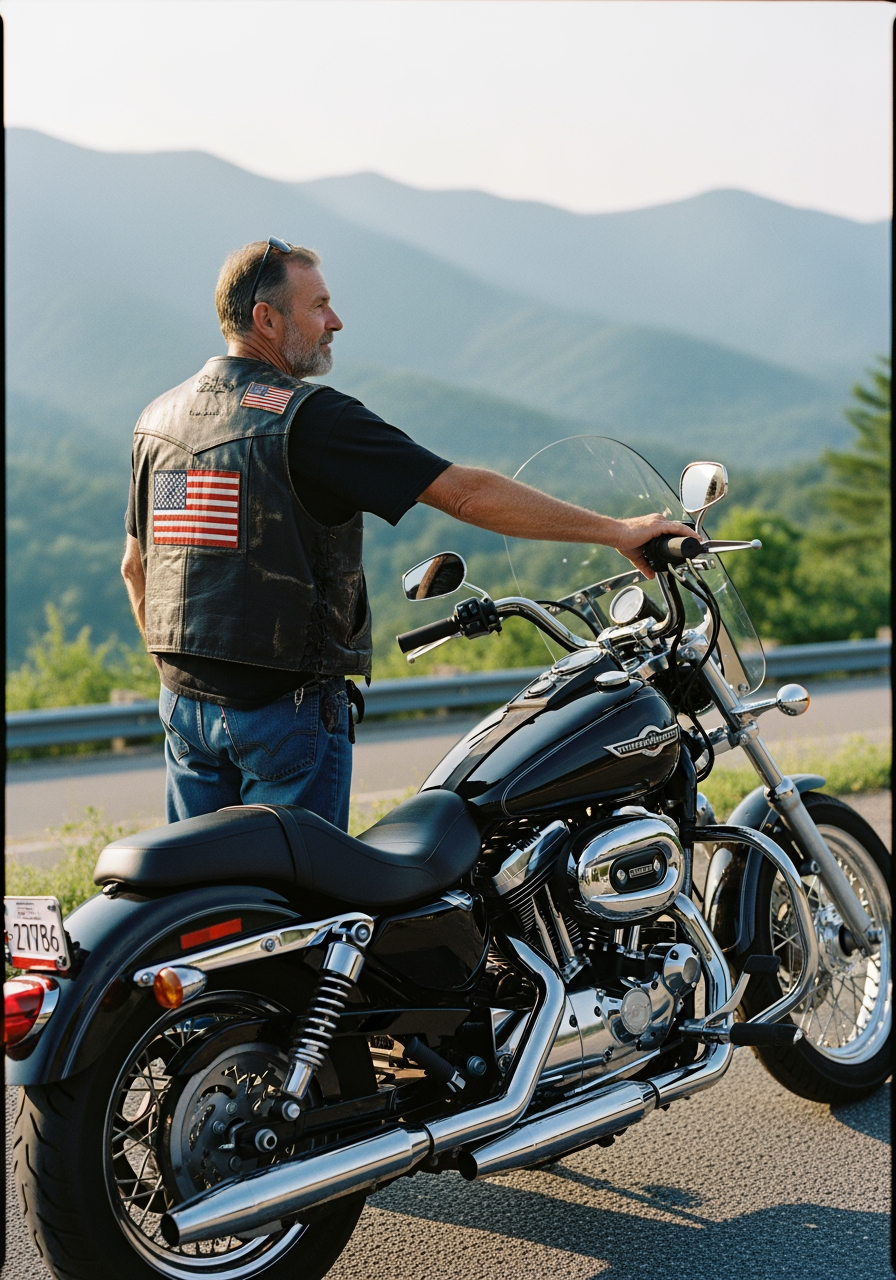
Engagement
Tag your favorite riding buddy and say one word that describes them on the road. Just one. Make it count.
#RideNationColumbia #TagARider #SCRiders #BikerLife
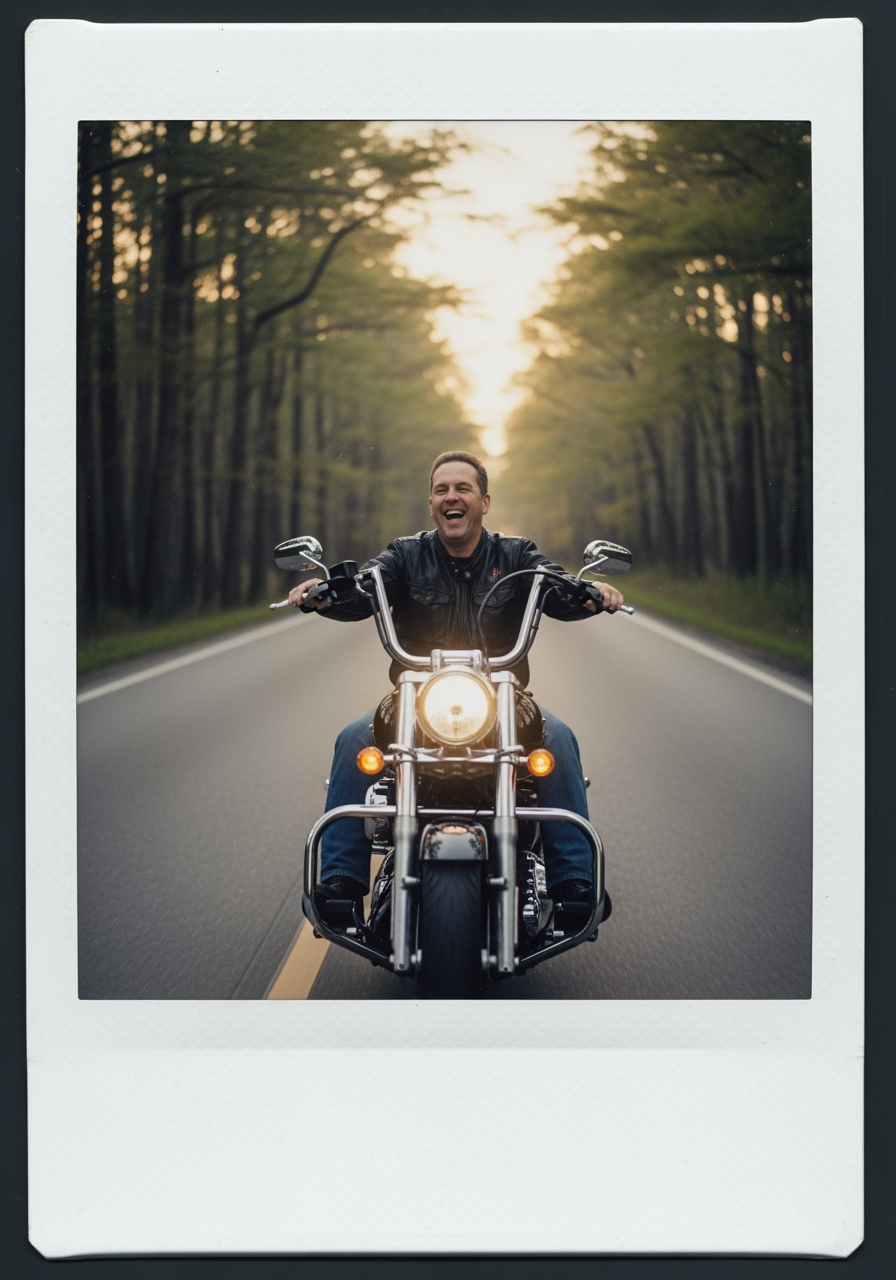
Local SC & Rides
Some of the best Midlands roads have no name on the map. The little two lanes connecting Columbia out to the country are where you actually learn your bike. No traffic, real corners, pure riding. What is your favorite no name backroad around the Midlands?
#RideNationColumbia #ColumbiaSC #BackroadsSC #MidlandsRiders
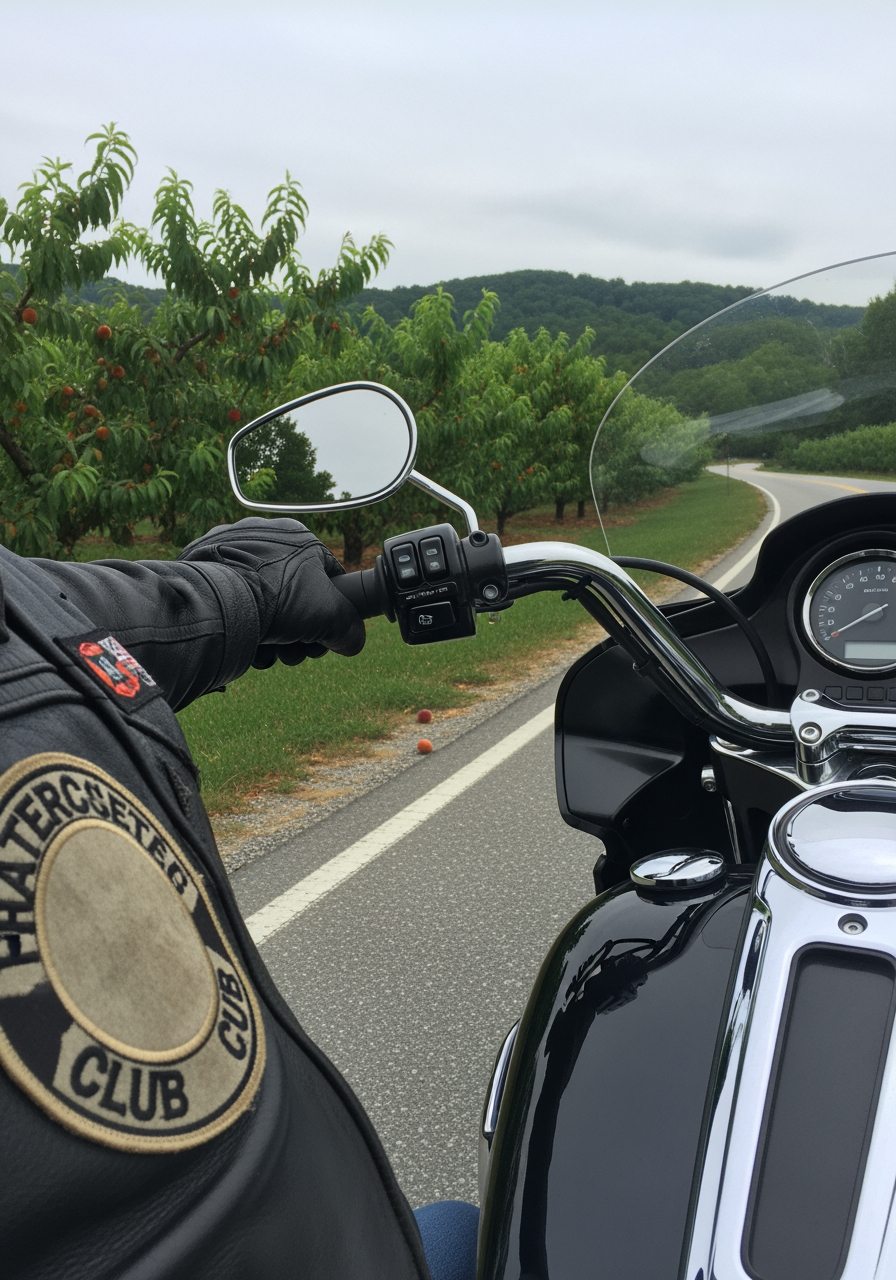
Gear & New Iron
Spark plugs are a cheap tune up most riders skip until the bike runs rough. Fouled or worn plugs cause hard starts, weak idle, and that hesitation off the line that drives you nuts in traffic. Pulling and reading your plugs also tells you a story, too rich, too lean, or just tired. A fresh set is a few bucks and an afternoon, and the bike wakes right back up. When did your plugs last get changed? Bet some of you cannot remember.
#RideNationColumbia #SparkPlugs #MotoMaintenance #MotoTips
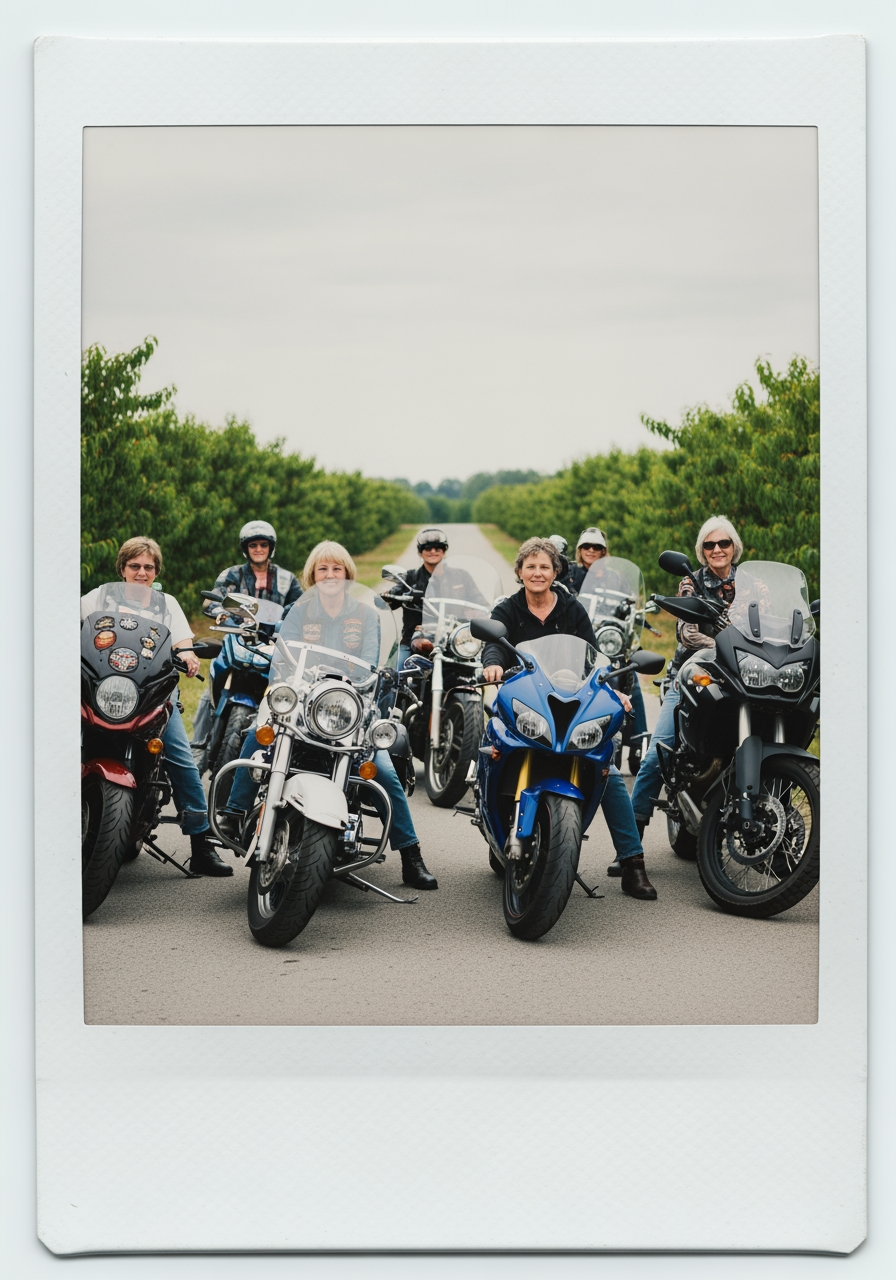
Safety & SC Law
After a crash in SC, what you do in the first hour shapes everything.
Get safe, call the police, and get a report filed even if it seems minor. Photograph everything. Get names and plates. See a doctor the same day, because adrenaline hides injuries and insurers love a gap in your medical record.
Documentation is your best friend in a 3 year claim window.
Not sure what to do next? Michael Jeffcoat and The Jeffcoat Firm. (803) 200-2000.
#RideNationColumbia #SCMotorcycle #KnowYourRights #RideSafe
Giveaway & Countdown
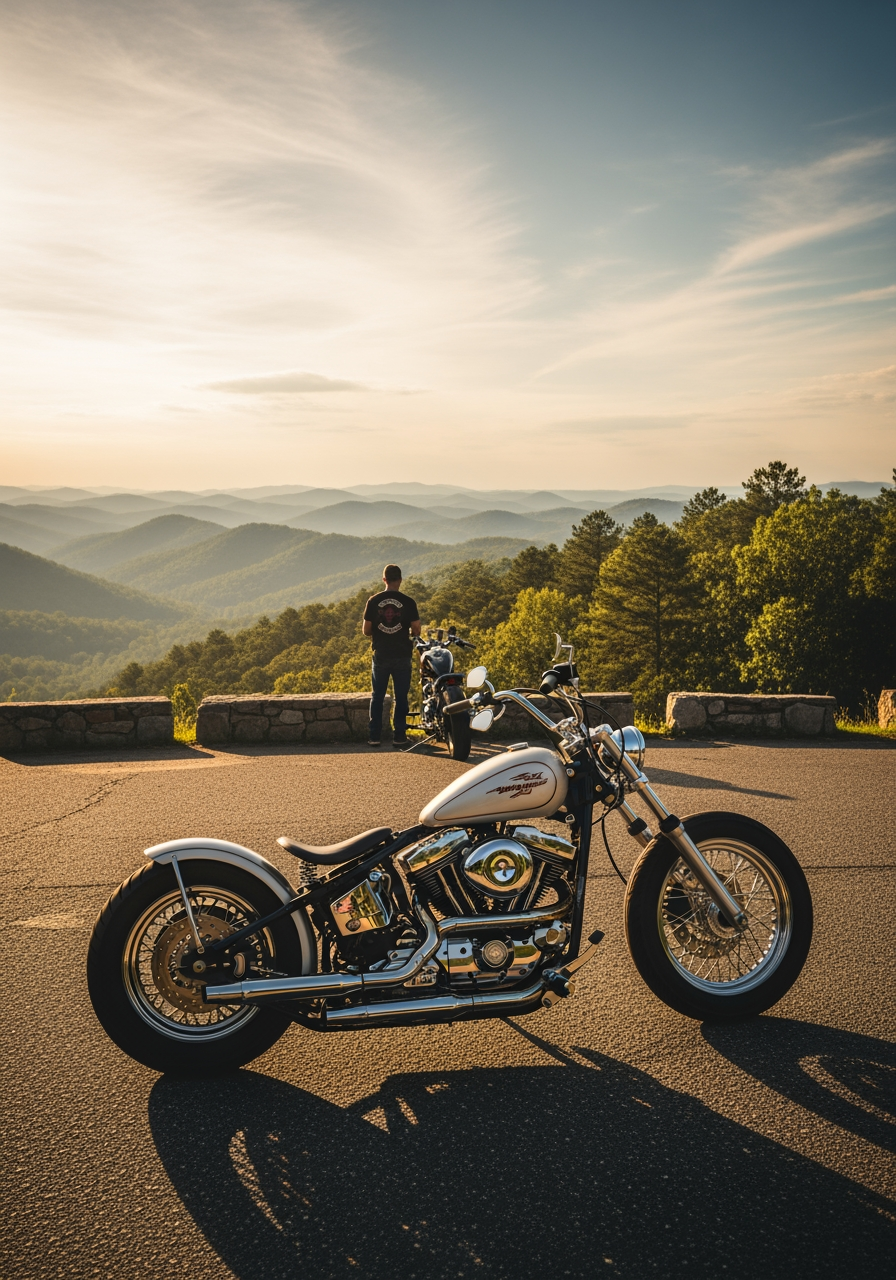
Upstate riders, the foothills are calling and so is a $20,000 prize. Imagine answering both on a brand new bike. The BikersWin giveaway is free to enter and drawn December 10. Get in. Link in the comments. 🌄 #RideNationColumbia #BikersWin #Upstate #SouthCarolina
Engagement
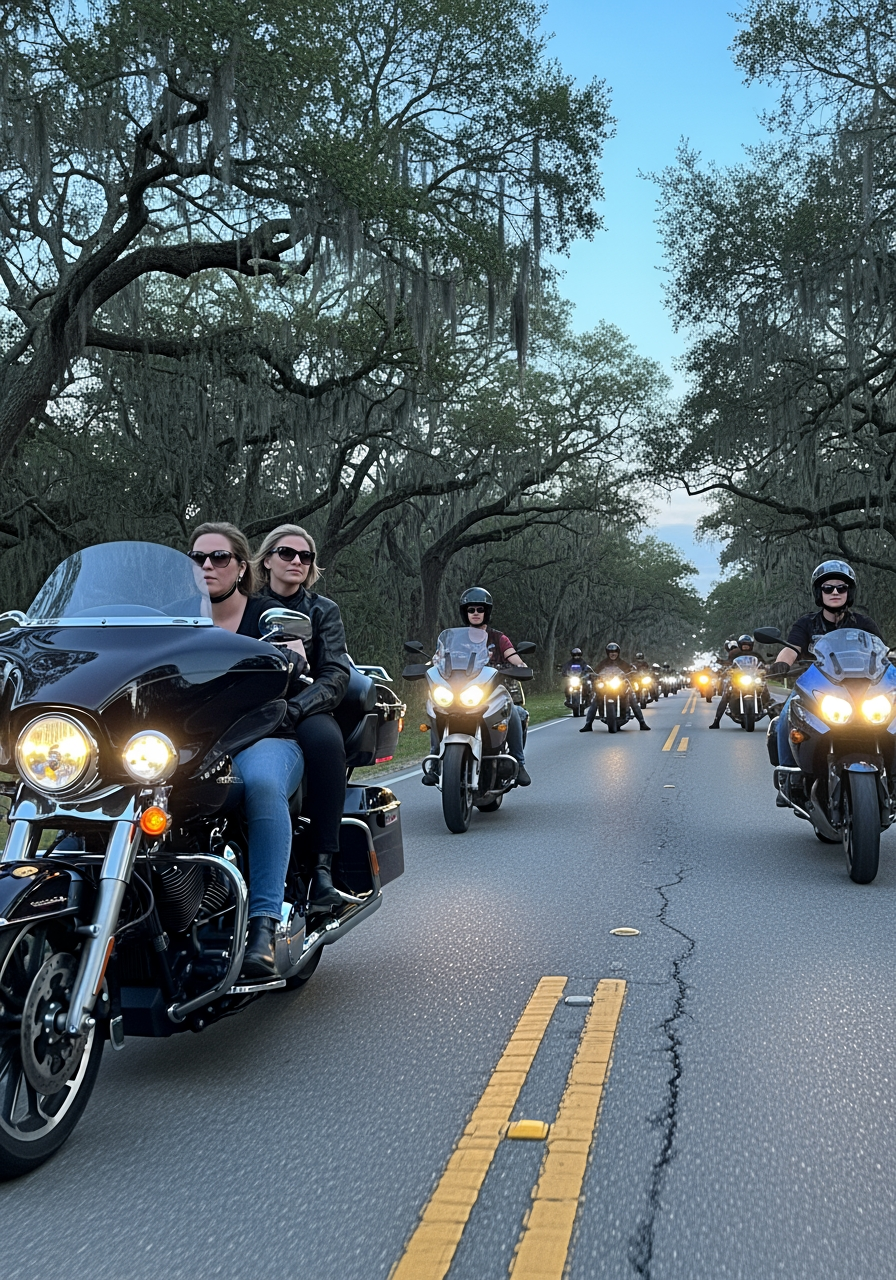
POLL. First thing you do when the weather finally breaks?
1. Wash the bike
2. Skip the wash, just RIDE
3. Check tires and oil like a responsible adult
4. Text the crew the second I wake up
#RideNationColumbia #SCRiders #RidingSeason #MotorcyclePoll
Local SC & Rides
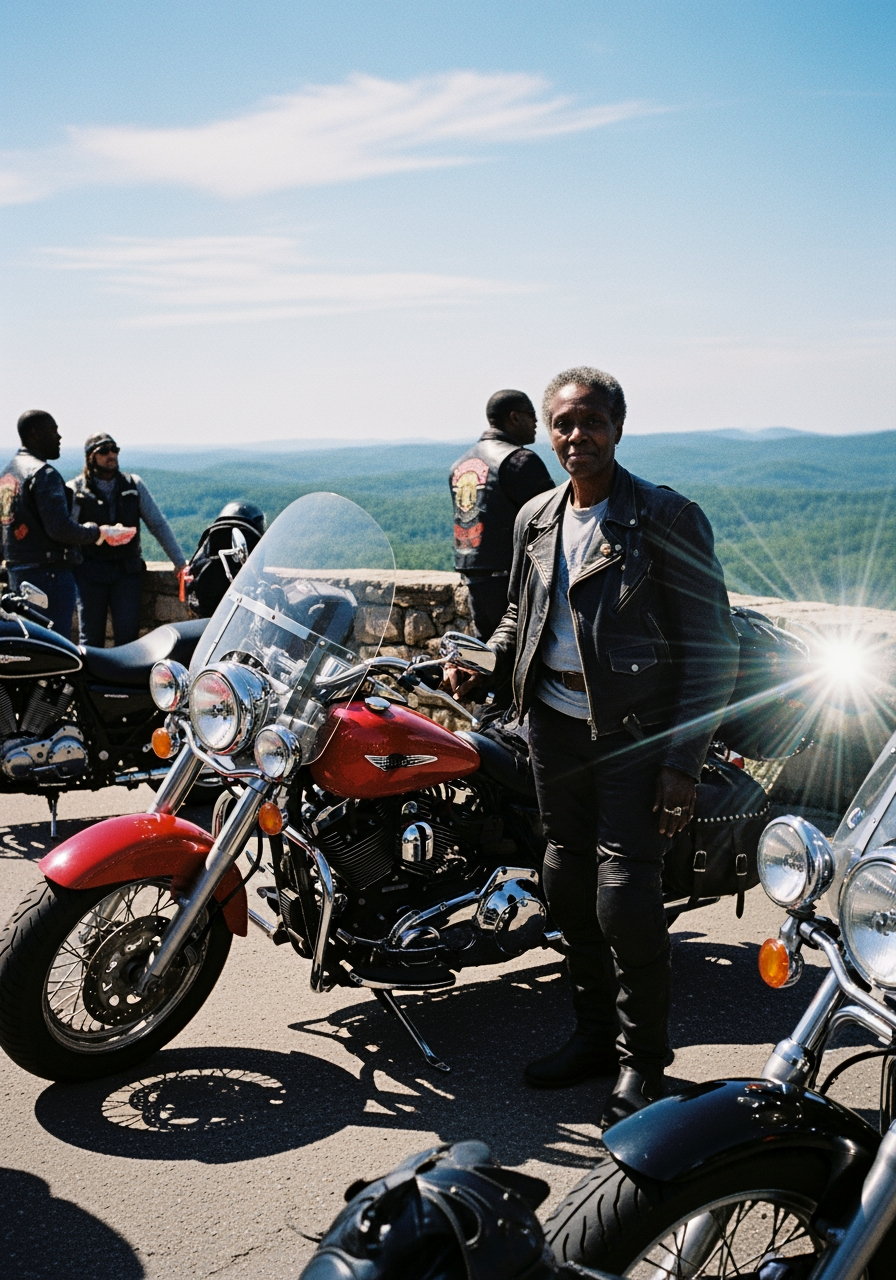
Cold weather riders know the SC winter window is real. Pick a clear high 50s day, layer up, and the roads are wide open and empty. The Midlands stays rideable most of the year if you dress for it. Who refuses to put the bike away in winter?
#RideNationColumbia #WinterRiding #ColumbiaSC #SCRiders
Giveaway & Countdown
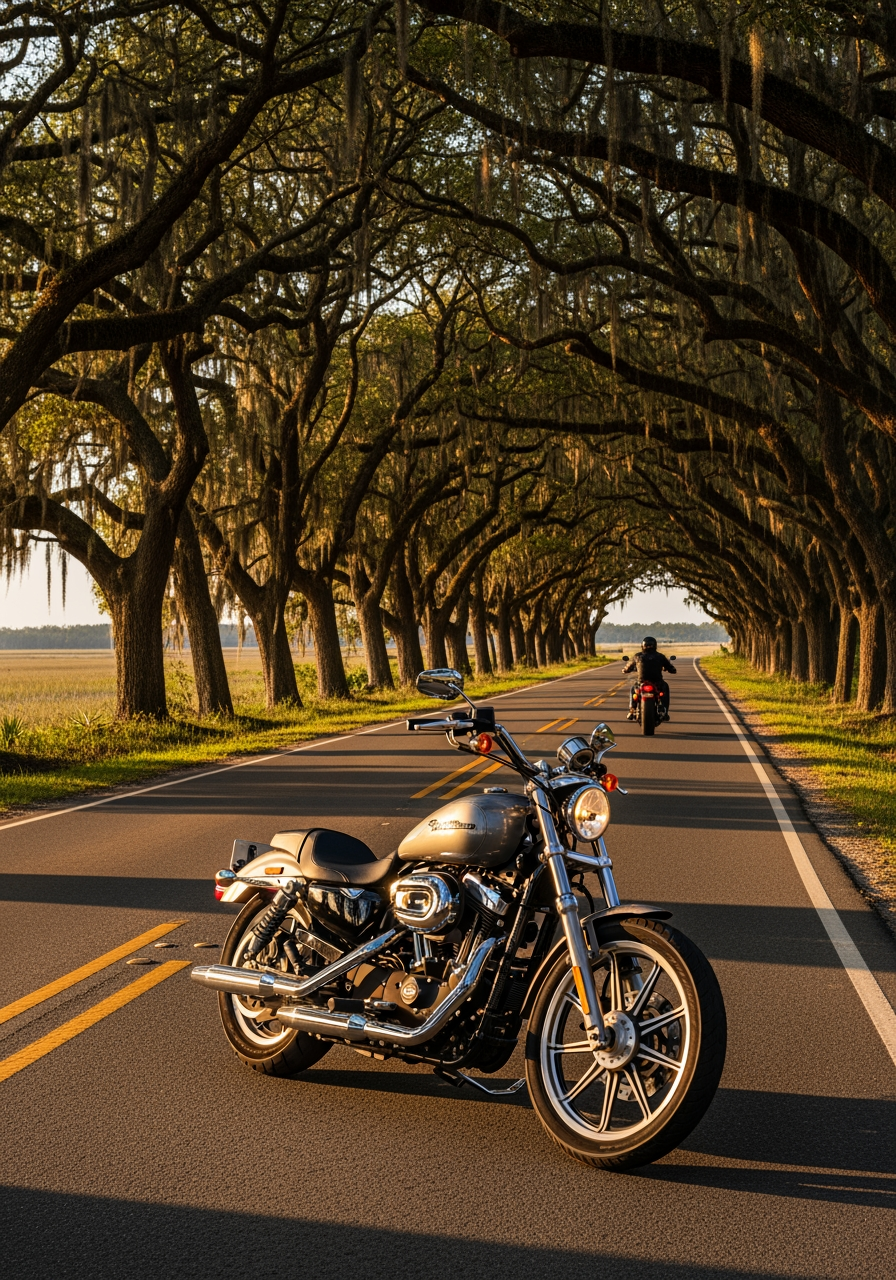
Let's settle it in the comments. Cruiser or sport bike for your $20,000 BikersWin build? No wrong answers, just strong opinions. Cast your vote, then make sure you actually entered. December 10. Link in the comments. 🗳️ #RideNationColumbia #BikersWin #WhatWouldYouRide #Midlands
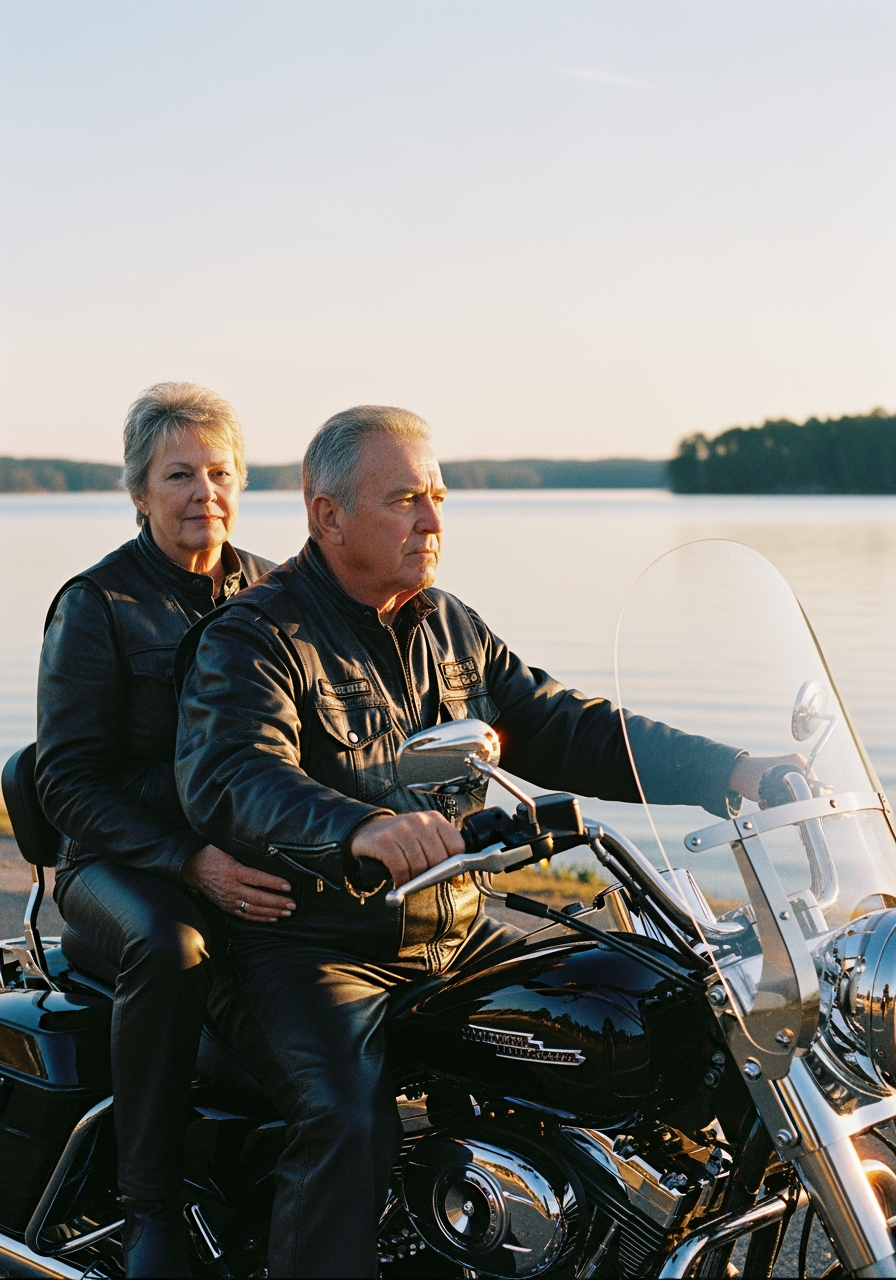
Engagement
This or that. V-twin rumble or inline four scream? Your ears already picked. Now your fingers have to type it.
#RideNationColumbia #SCRiders #EngineSound #MotorcycleLife
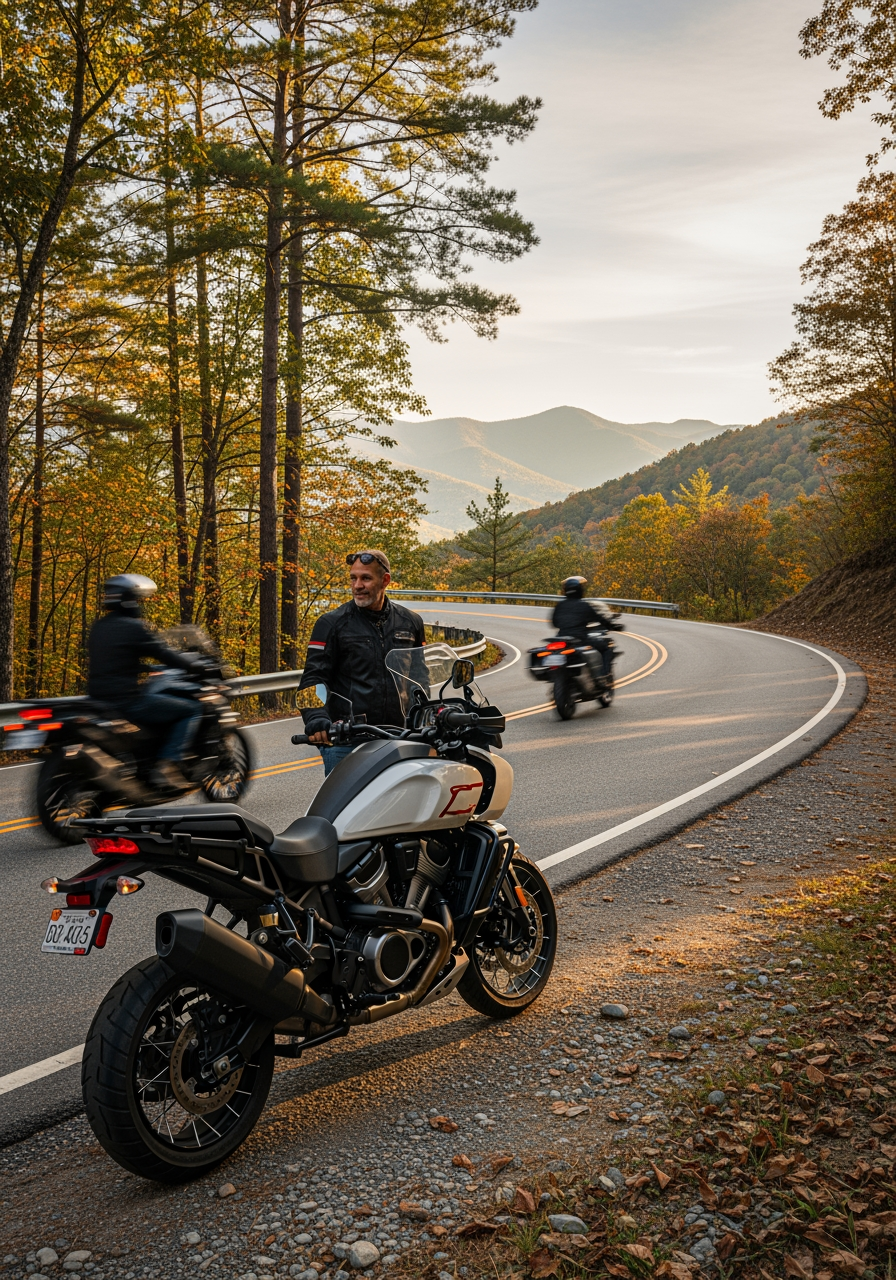
Gear & New Iron
The 2025 Honda Rebel 1100 with the DCT is the bike that converts people who swore they would never ride. Automatic dual clutch transmission means no clutch lever, no stalling at lights, just twist and go, while still being a real 1100 cruiser with attitude. Great for riders coming back after years off or anyone fighting a bad clutch hand. Honda reliability on top of it. Automatic transmission on a motorcycle, yes or no? This one always sparks a debate.
#RideNationColumbia #HondaRebel #NewIron #CruiserLife
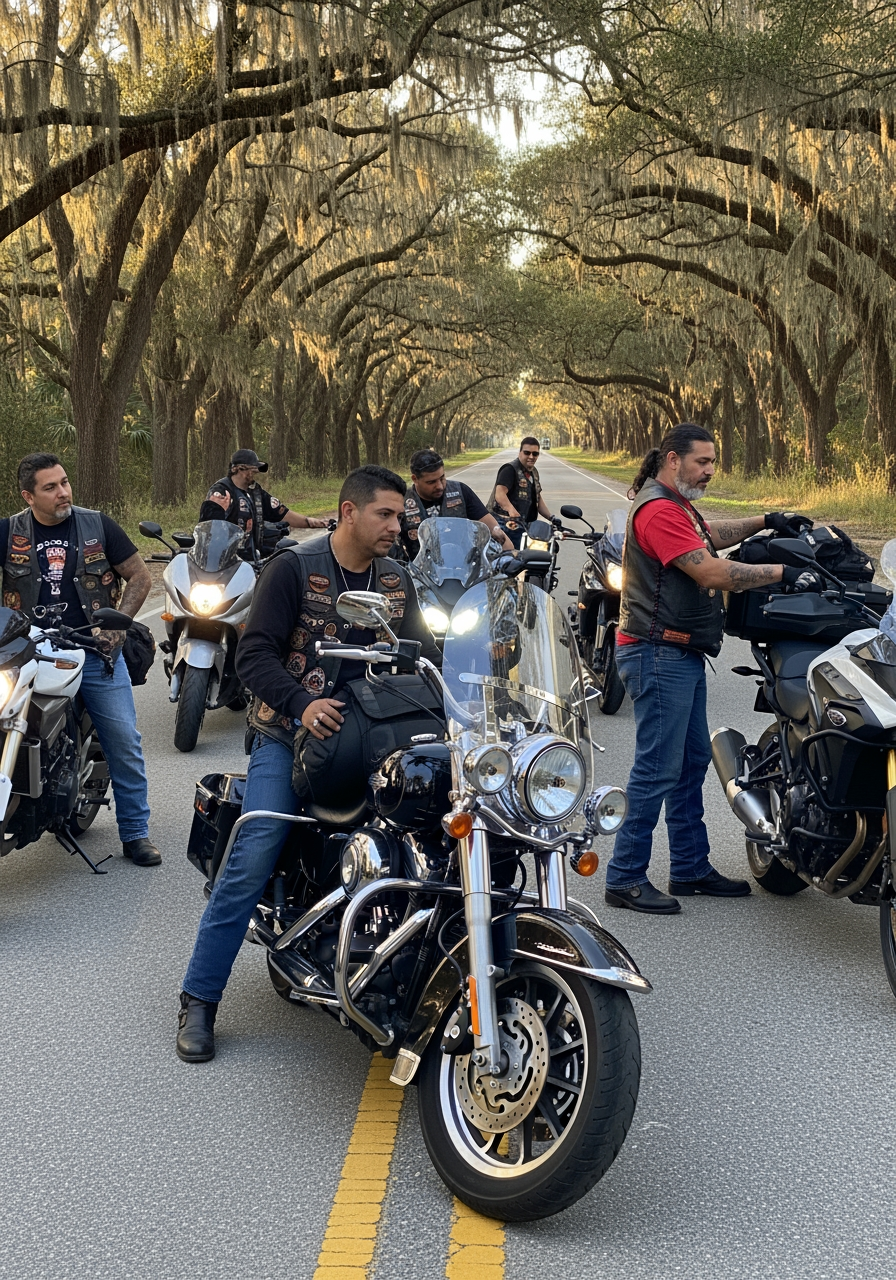
Safety & SC Law
Why we keep preaching UIM: the at-fault driver's minimum might not cover you.
Picture this. Someone with the bare 25k per person limit puts you in the hospital with a 90k bill. That gap of 65k is yours unless you carry Underinsured Motorist. SC law requires insurers to offer it, and waving it off is one of the most expensive mistakes a rider makes.
Call your agent. Add the UIM. Sleep better.
The Jeffcoat Firm fights these battles. (803) 200-2000.
#RideNationColumbia #SCMotorcycleLaw #RideSafe #SCRiders
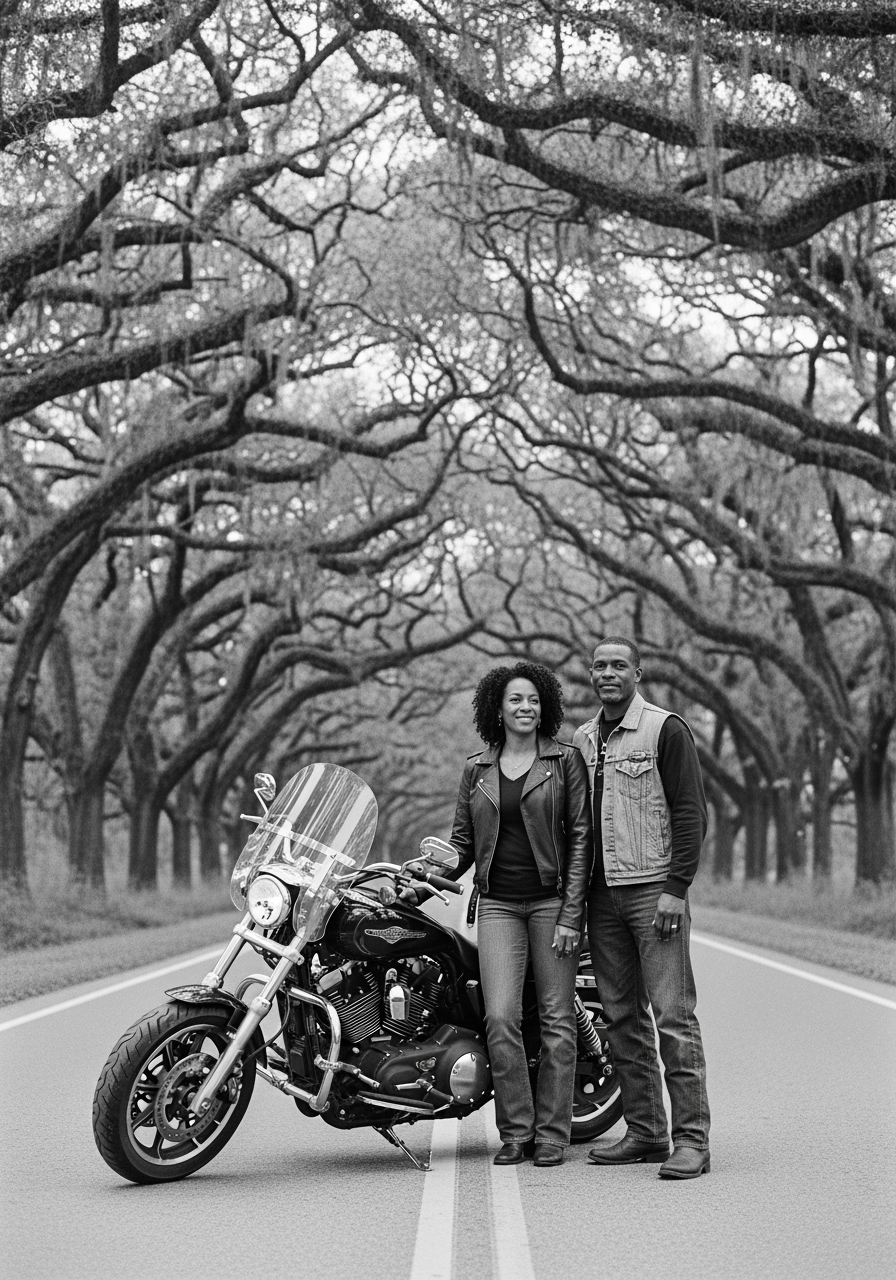
Local SC & Rides
The full SC-11 run end to end is a bucket list ride for any South Carolina rider. Roughly 130 miles of scenic highway from the Georgia line to the foothills. Make a day of it, take the overlooks slow. Have you done the whole thing in one ride?
#RideNationColumbia #SC11 #CherokeeFoothills #SouthCarolinaRiding
Giveaway & Countdown
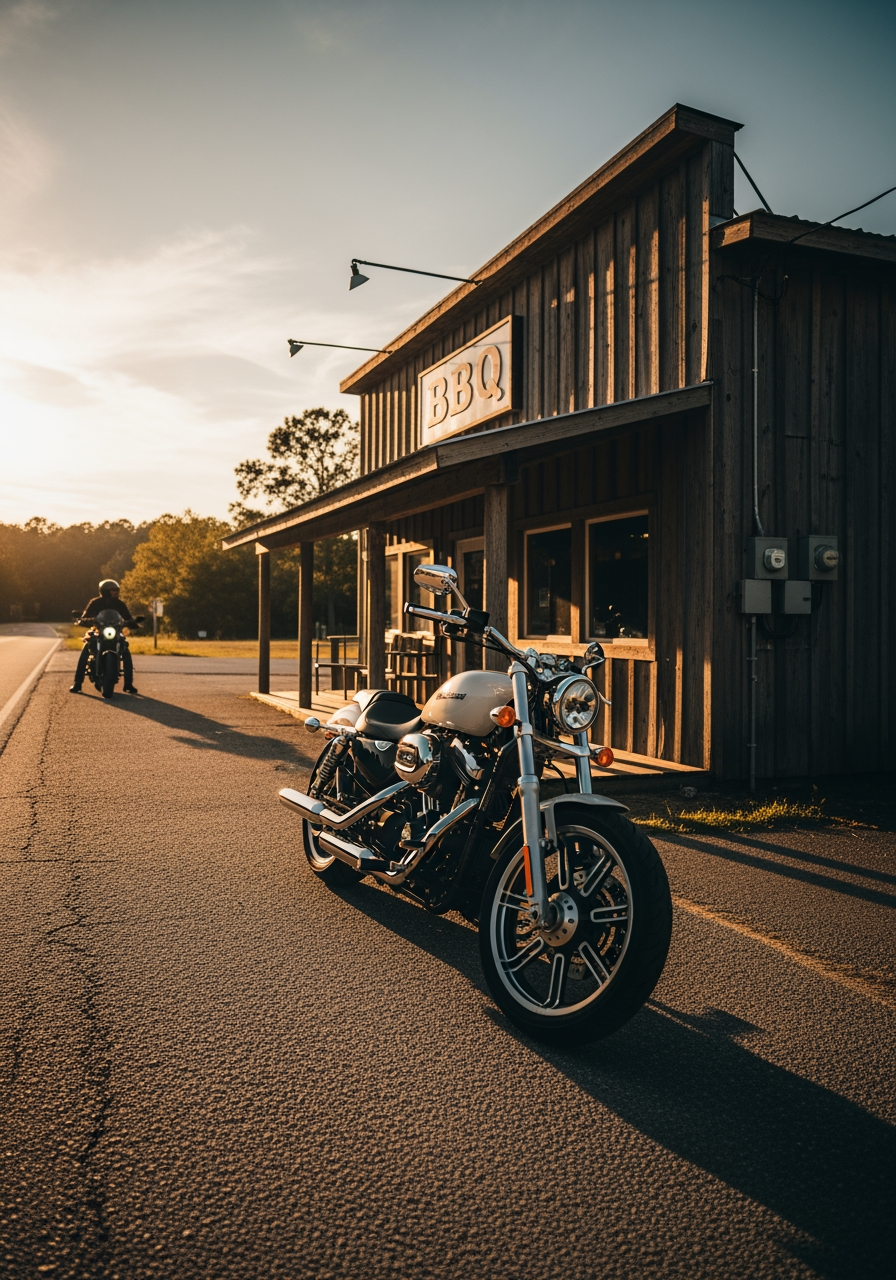
The clock keeps ticking toward December 10. One South Carolina rider, $20,000, any bike. Free to enter and it takes less time than warming up your engine on a cold morning. Link in the comments. 🕛 #RideNationColumbia #BikersWin #Countdown #ColumbiaSC
Engagement
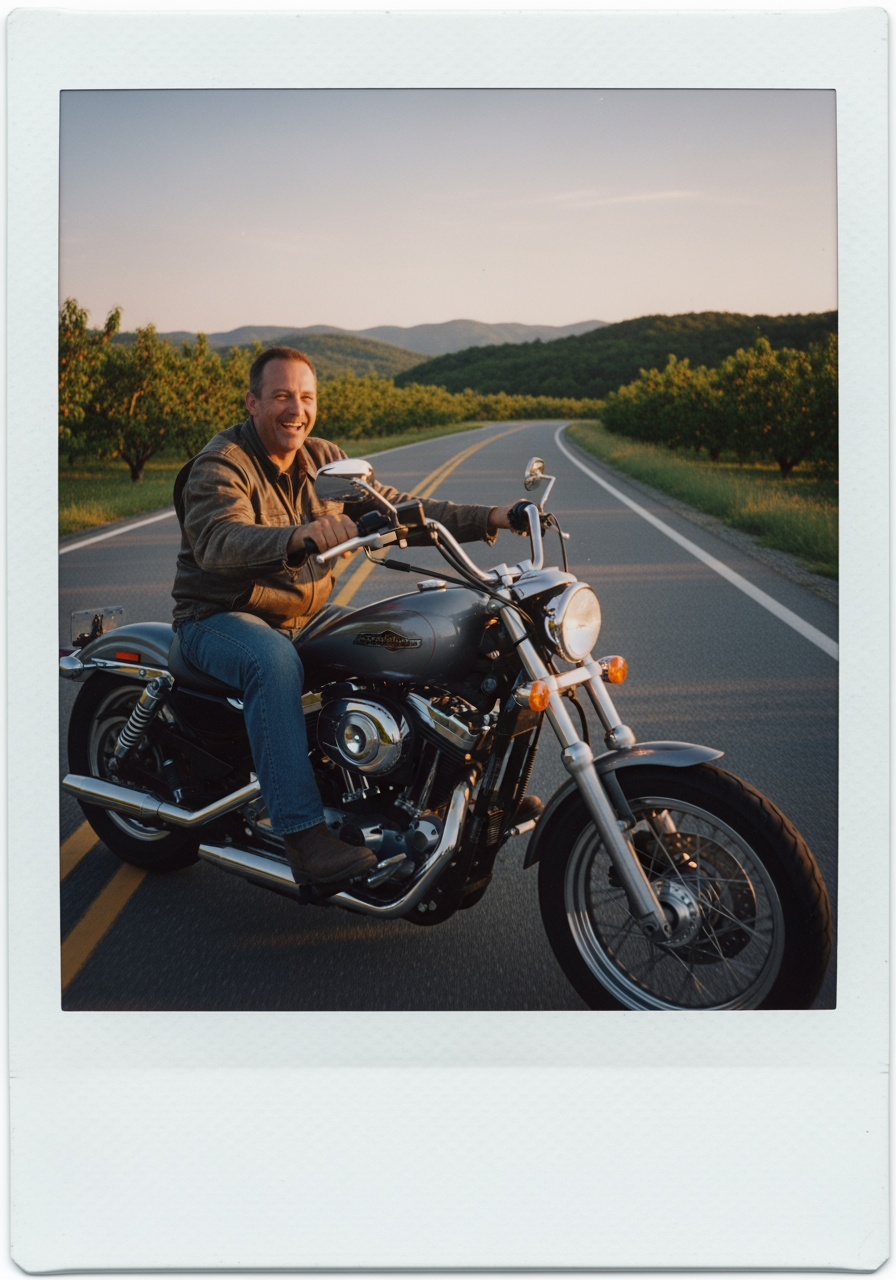
Caption this. The official mascot of nope. Best caption gets featured next week. Send it.
#RideNationColumbia #CaptionThis #BikerHumor #SCRiders
Gear & New Iron
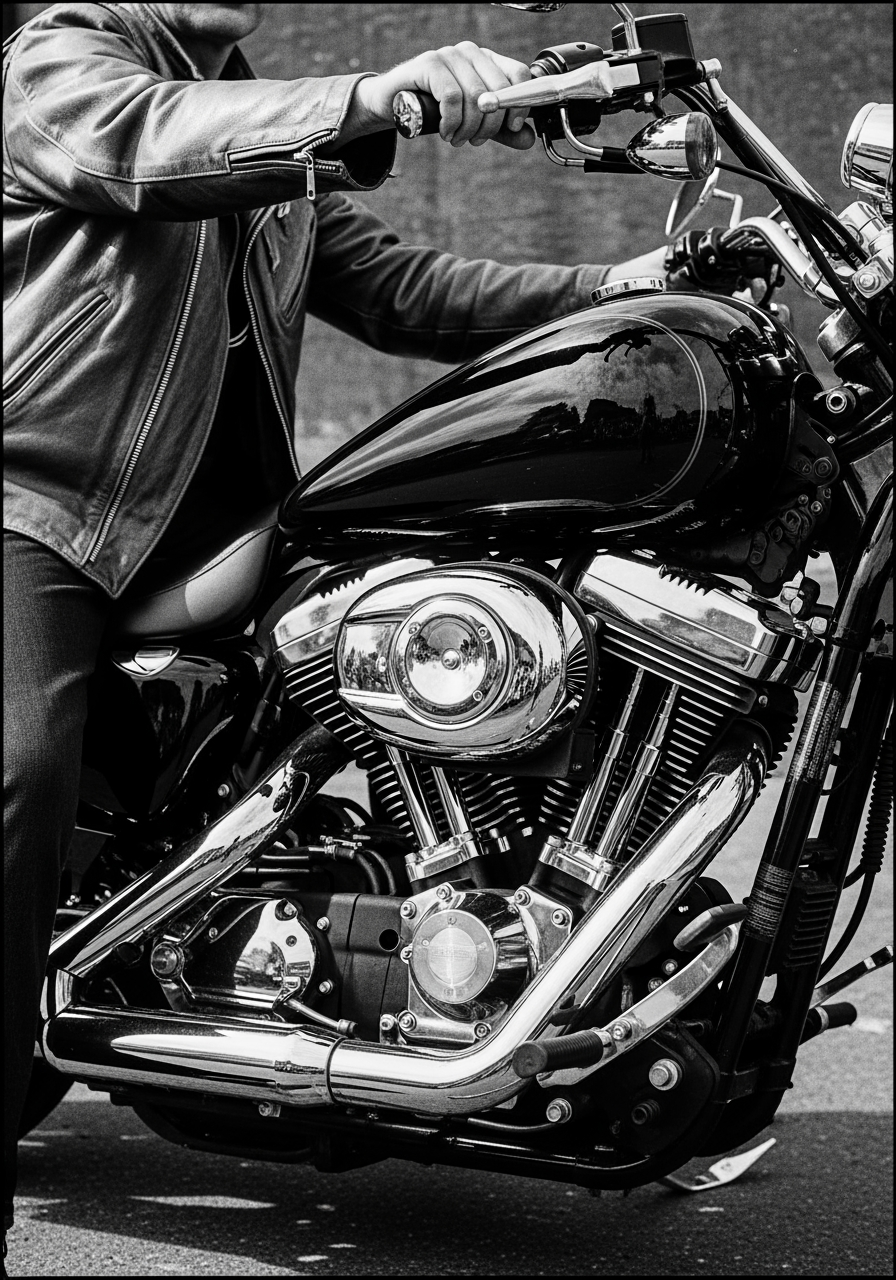
A back protector is the piece of armor most riders never add and the one your spine will thank you for. The thin foam pad that comes in most jackets is bare minimum. A real CE Level 2 back insert spreads impact and protects the part of you that does not heal. They slide right into the back pocket of most armored jackets. Spend on the gear that protects what cannot be replaced. Does your jacket have a real back protector or just the factory foam?
#RideNationColumbia #BackProtector #ATGATT #RideSafe
Safety & SC Law
Pre-ride checklist takes 60 seconds and catches the stuff that kills.
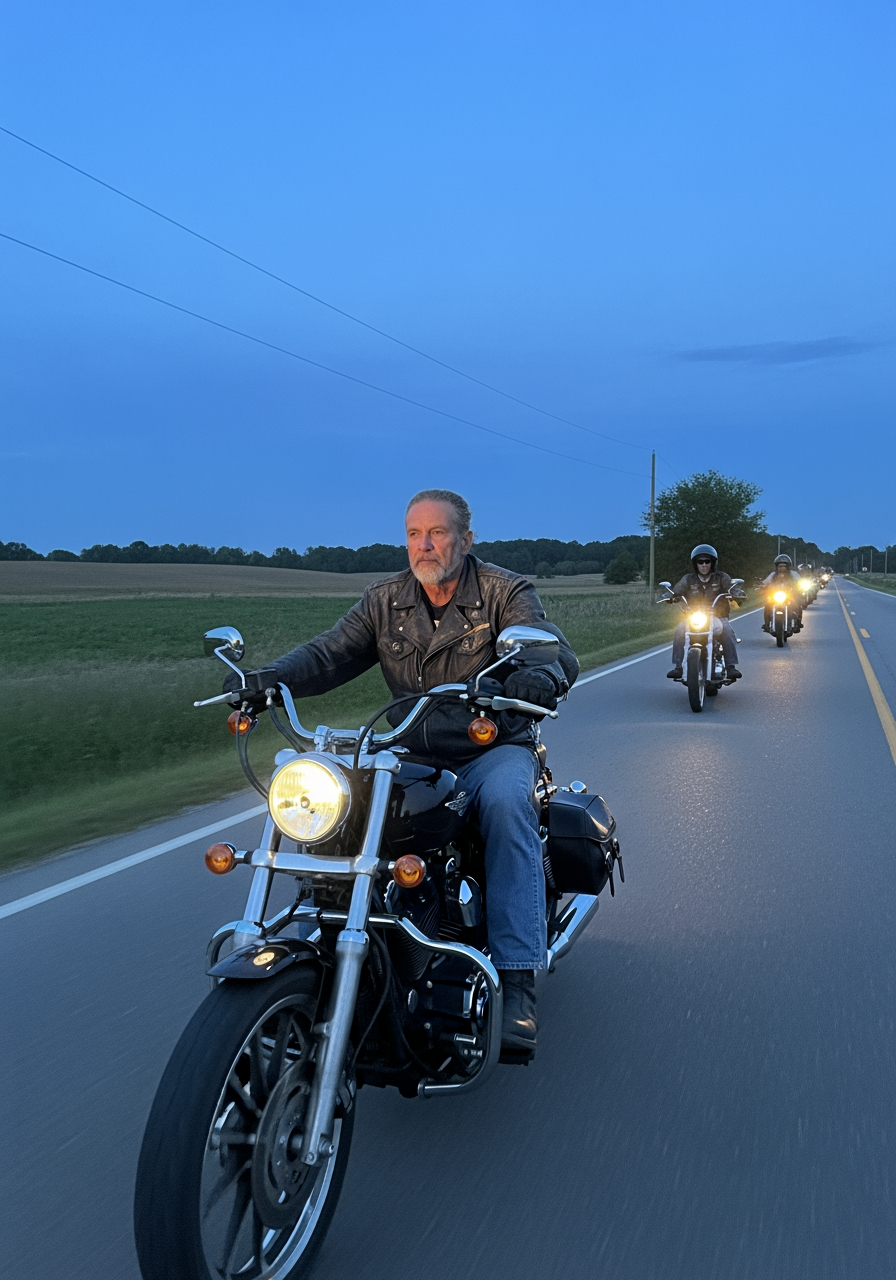
T-CLOCS the old school way: Tires, Controls, Lights, Oil, Chassis, Stands. Squeeze the brakes, bounce the suspension, check that your headlight and both blinkers actually work before you pull out.
The day you skip the check is the day the rear brake light is dead and nobody behind you knows you are stopping.
Make it a habit Midlands.
#RideNationColumbia #RideSafe #MotorcycleMaintenance #SCRiders
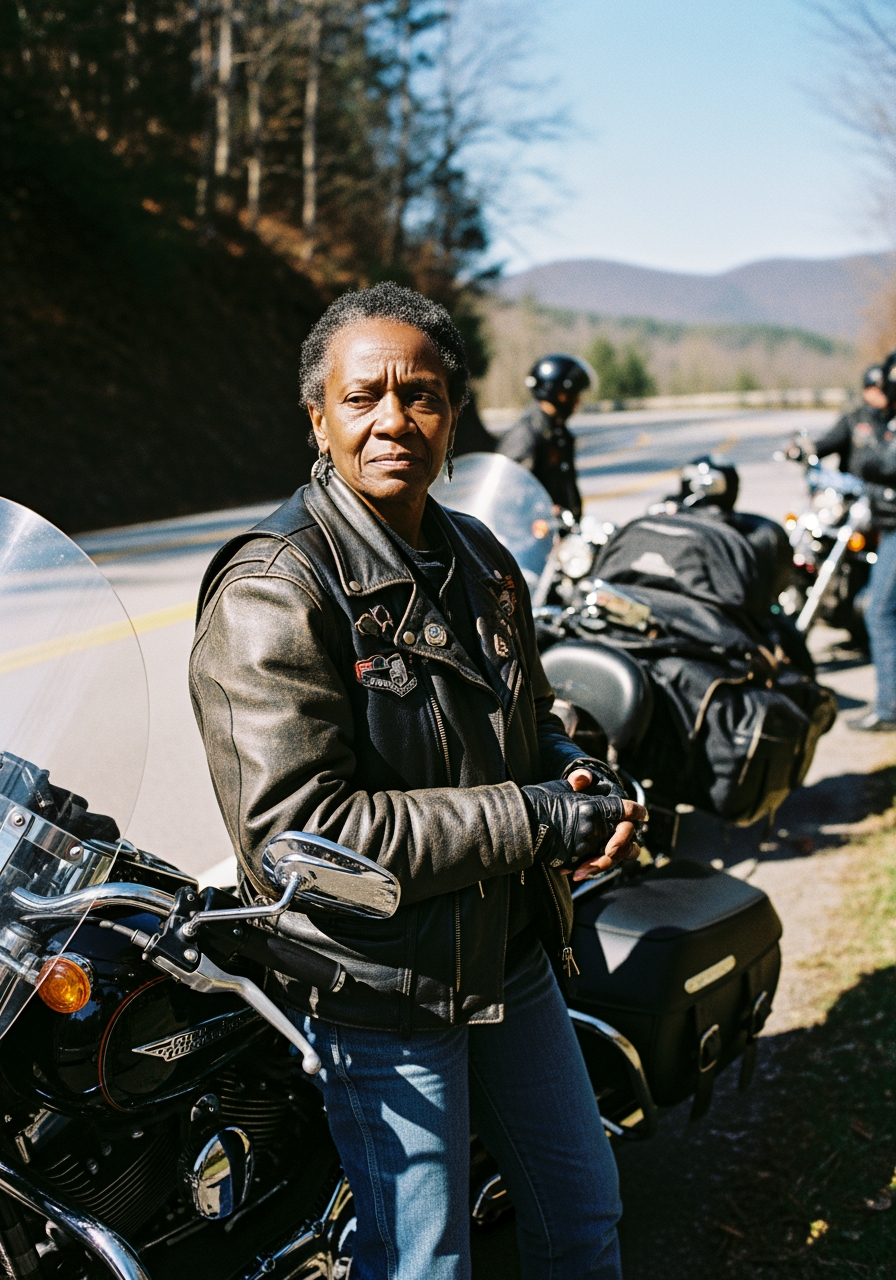
Engagement
Would you rather never get a flat again, or never hit traffic again? One saves your back, one saves your soul. Choose.
#RideNationColumbia #WouldYouRather #SCRiders #RideNation
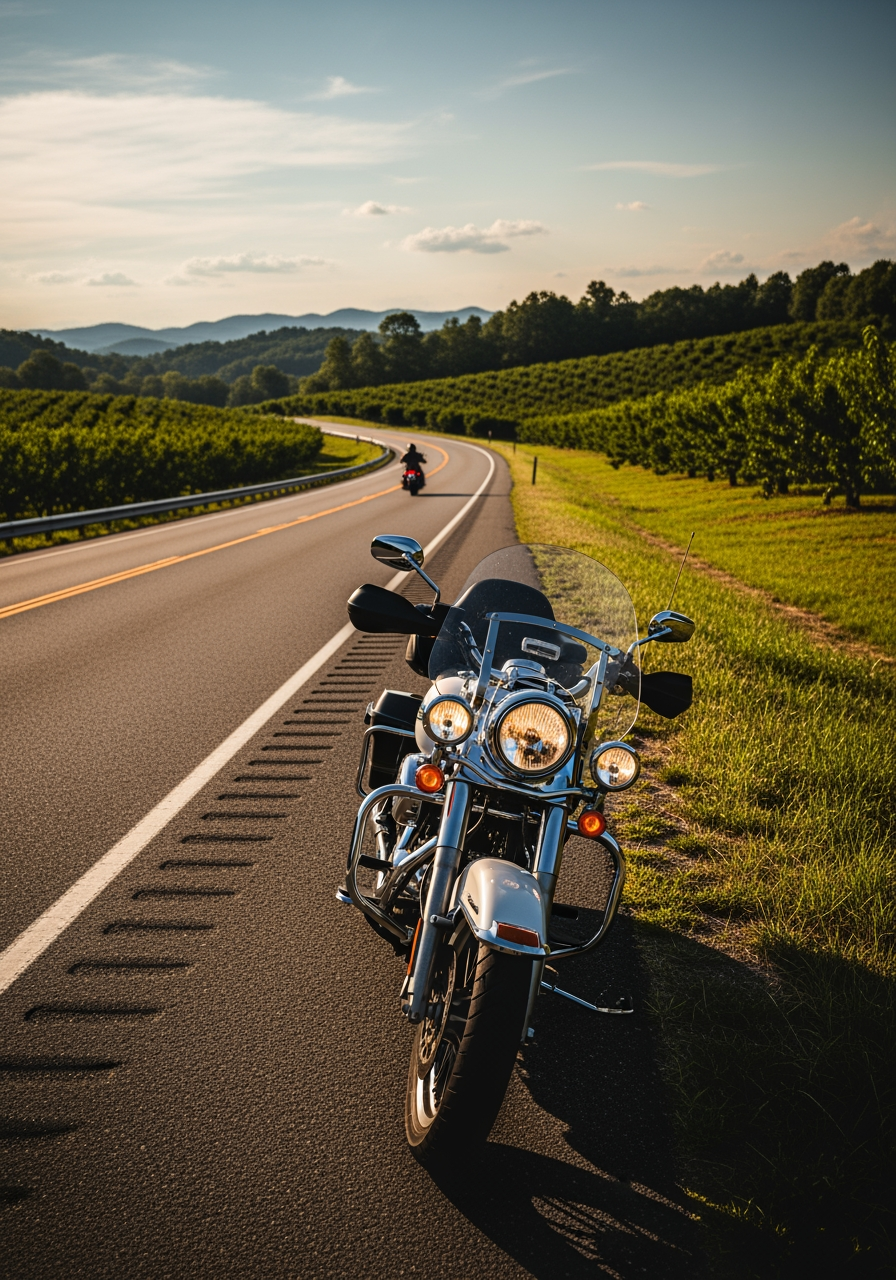
Giveaway & Countdown
Garage dreamers, this is your sign. That bike you have been pinning, screenshotting, and walking past at the dealership? $20,000 from BikersWin could make it real. Free entry, December 10. Link in the comments. 🖼️ #RideNationColumbia #BikersWin #MotorcycleGiveaway #SCriders
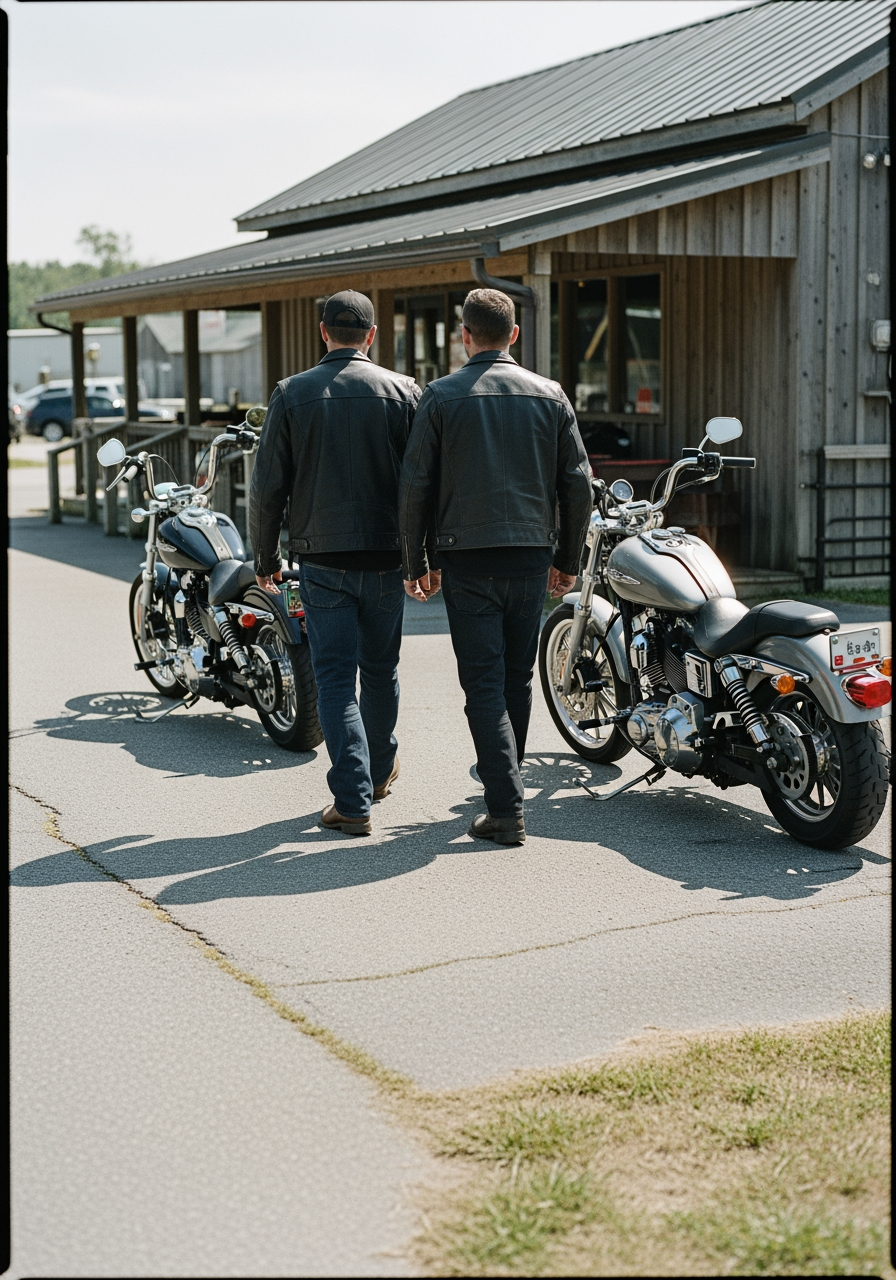
Local SC & Rides
Lake Murray sunset rides close out the day right. Park near the water, watch the sky go orange over the lake, then an easy cruise back into Columbia. The Midlands knows how to do a sunset. Where is your go to spot to end a ride near the lake?
#RideNationColumbia #LakeMurray #ColumbiaSC #MidlandsRiders
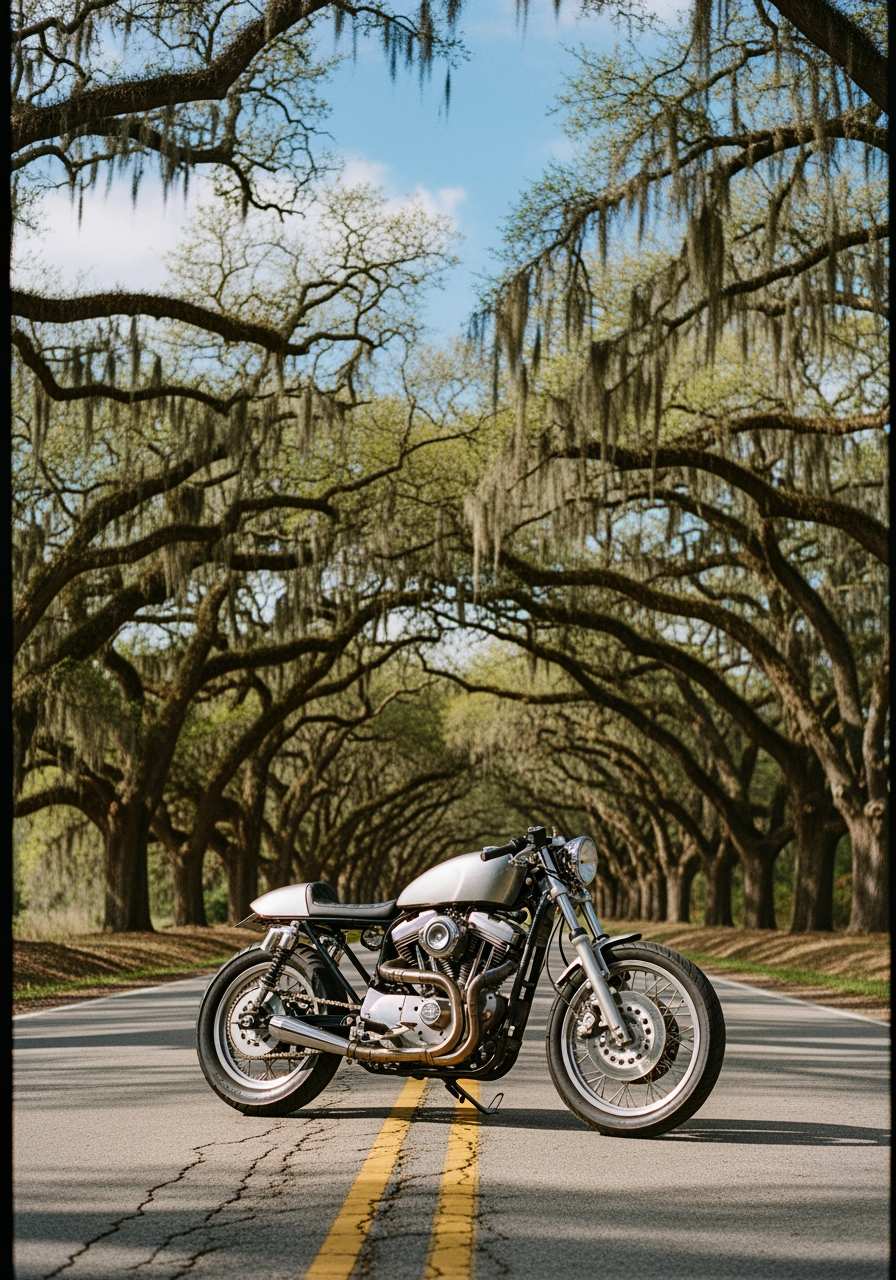
Gear & New Iron
The Zero SR/F and the electric wave are real, and SC riders are starting to take notice. Instant torque off the line, near silent running, and basically zero maintenance, no oil, no chain fuss, no spark plugs. Range is the catch for long Myrtle Beach hauls, but for Columbia commuting and Midlands day rides the numbers work now. Whether you love or hate the silence, electric is coming to the lineup. Would you ever go electric? Genuinely curious where this group stands.
#RideNationColumbia #ElectricMotorcycle #ZeroMotorcycles #NewIron
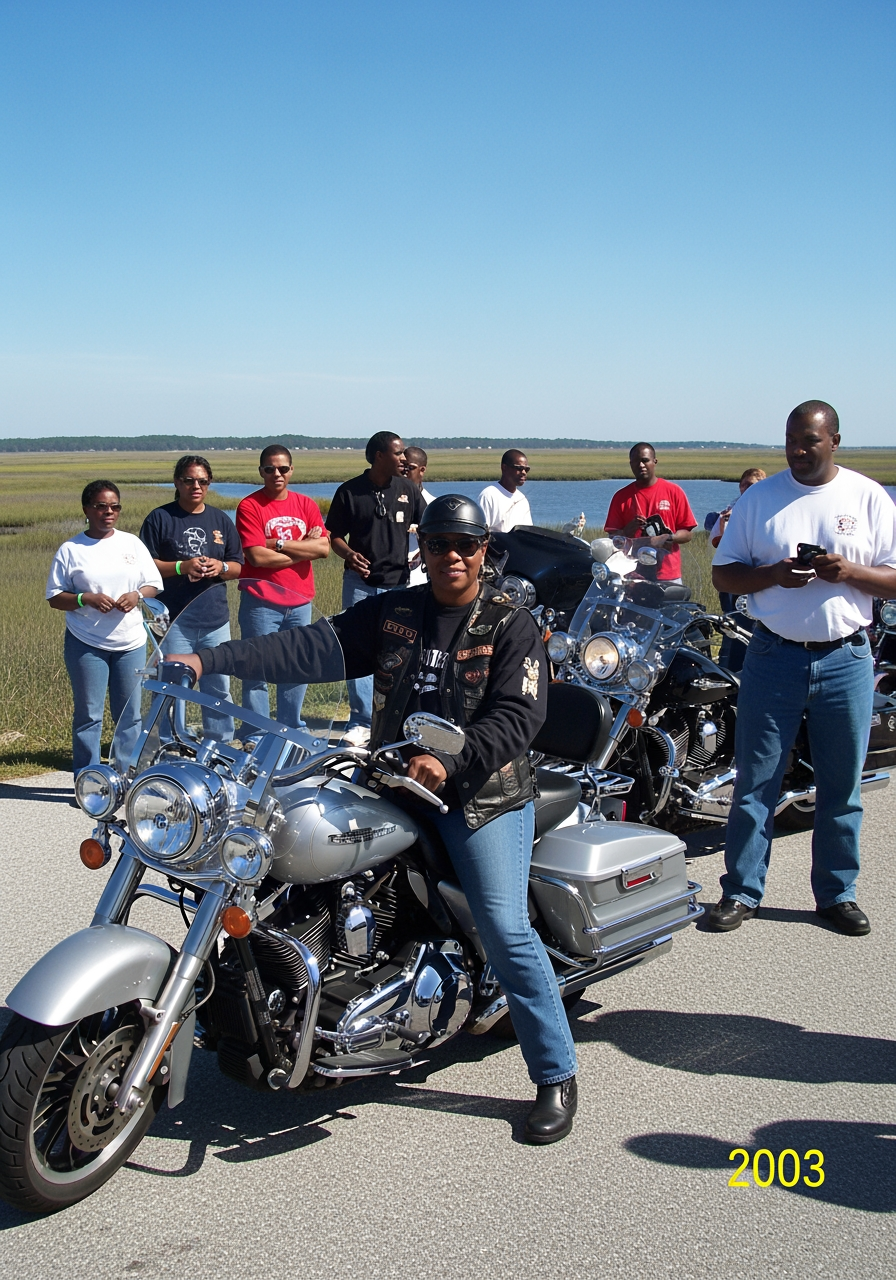
Safety & SC Law
Group ride season is back. Stagger up and stay tight in the rules, loose in the spacing.
Staggered formation gives every rider their own space cushion while keeping the group compact. Two second gap to the rider directly ahead, one second to the one diagonal. Designate a lead and a sweep, and never let pride push you past your own skill level.
We ride together, we look out for each other.
#RideNationColumbia #GroupRide #RideSafe #SCRiders
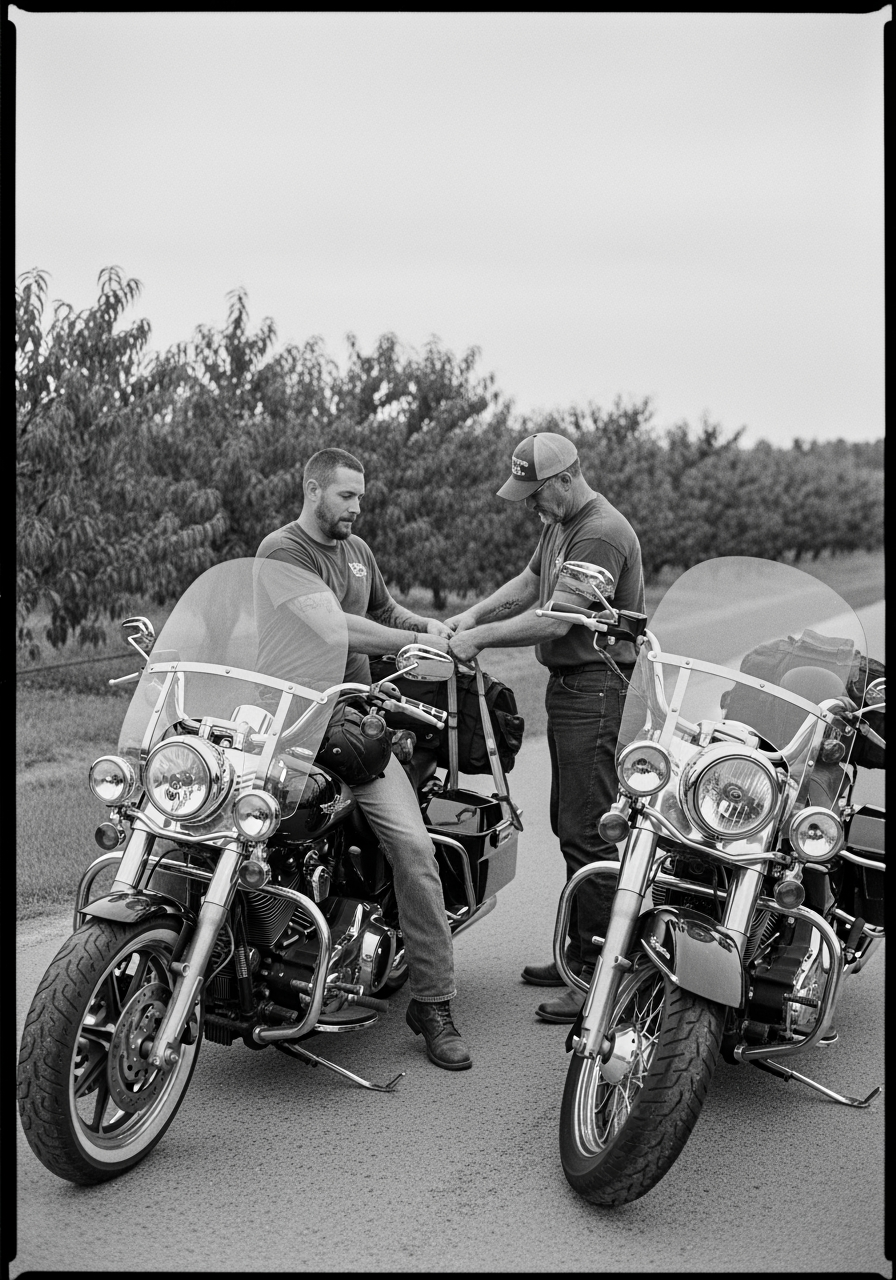
Engagement
Tag the rider with the loudest bike in your group. The whole neighborhood already knows them. Out them in the comments.
#RideNationColumbia #TagARider #LoudPipes #SCRiders
Giveaway & Countdown
We love seeing the dream bikes in the comments. Keep them coming. Whatever yours is, $20,000 from the BikersWin giveaway gets you a lot closer to it. Free to enter, drawn December 10. Link in the comments. 💬 #RideNationColumbia #BikersWin #WhatWouldYouRide #SouthCarolina
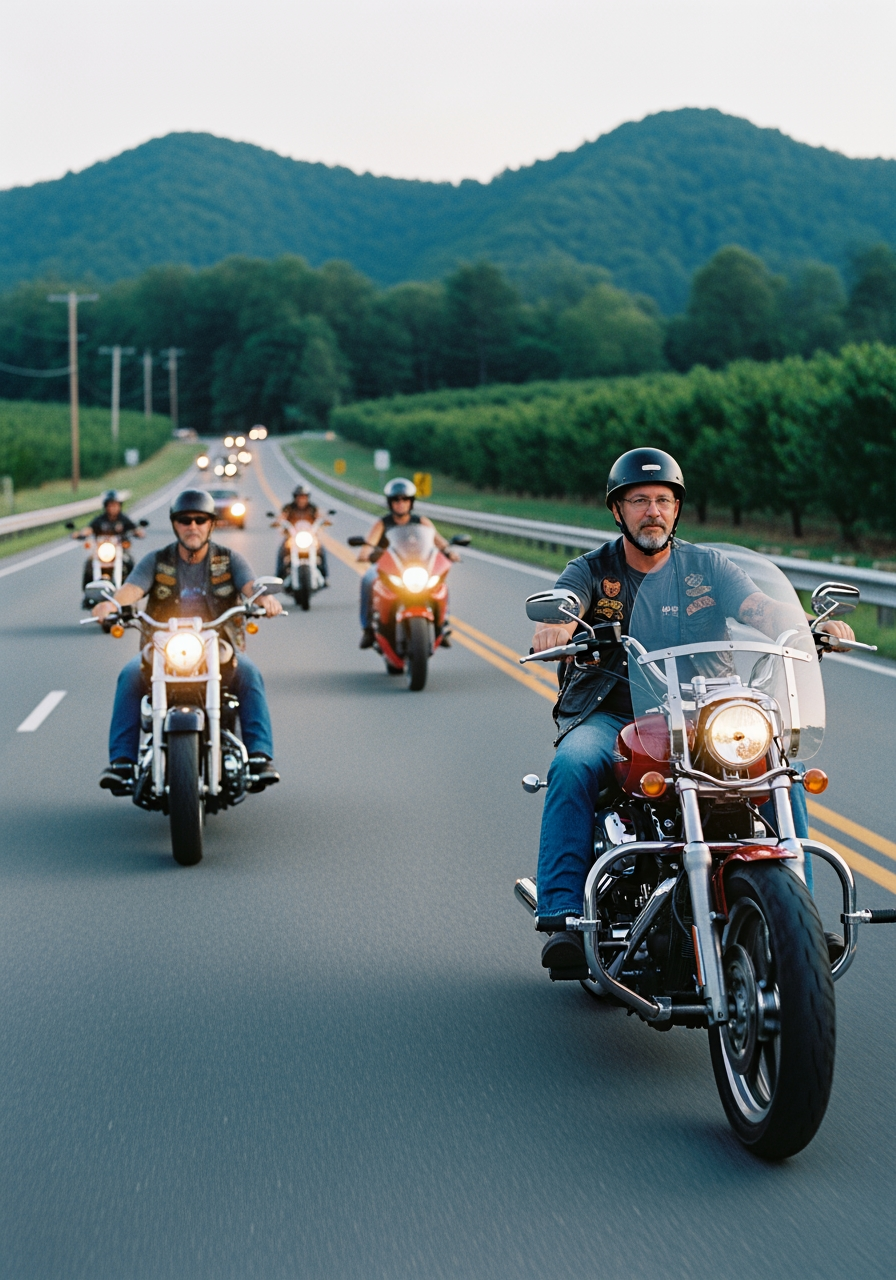
Local SC & Rides
Saluda and the western Midlands hide some of the best riding around Columbia. Rolling farmland, smooth pavement, and barely any traffic out that way. Worth the trip out of the city for a quiet afternoon. Who rides west of Columbia regular? Show us your route.
#RideNationColumbia #ColumbiaSC #MidlandsRiders #SCRides
Engagement
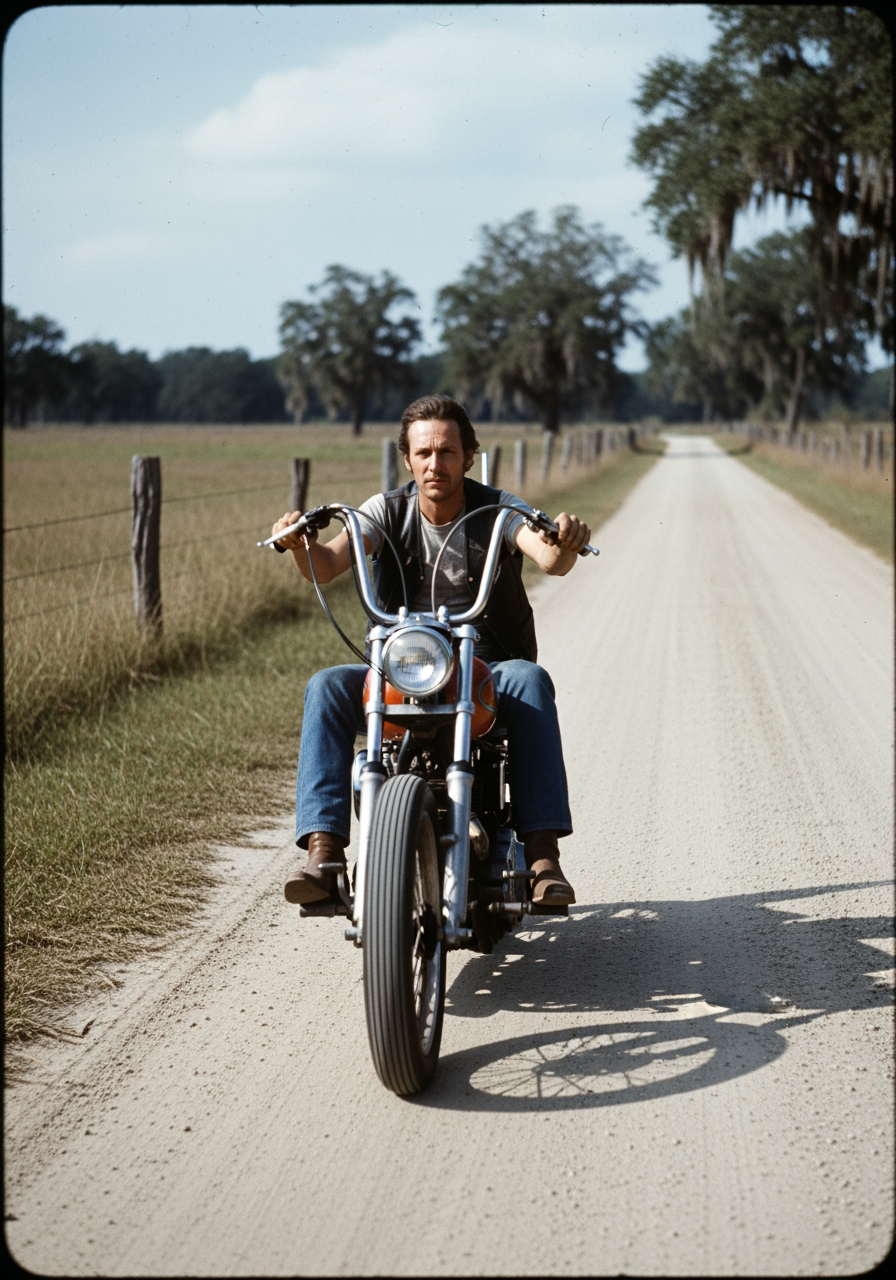
POLL. Pick your dream garage addition.
1. A vintage classic restoration
2. A track ready sport bike
3. A bagger built for the long haul
4. An adventure bike for going anywhere
#RideNationColumbia #SCRiders #DreamGarage #MotorcyclePoll
Giveaway & Countdown
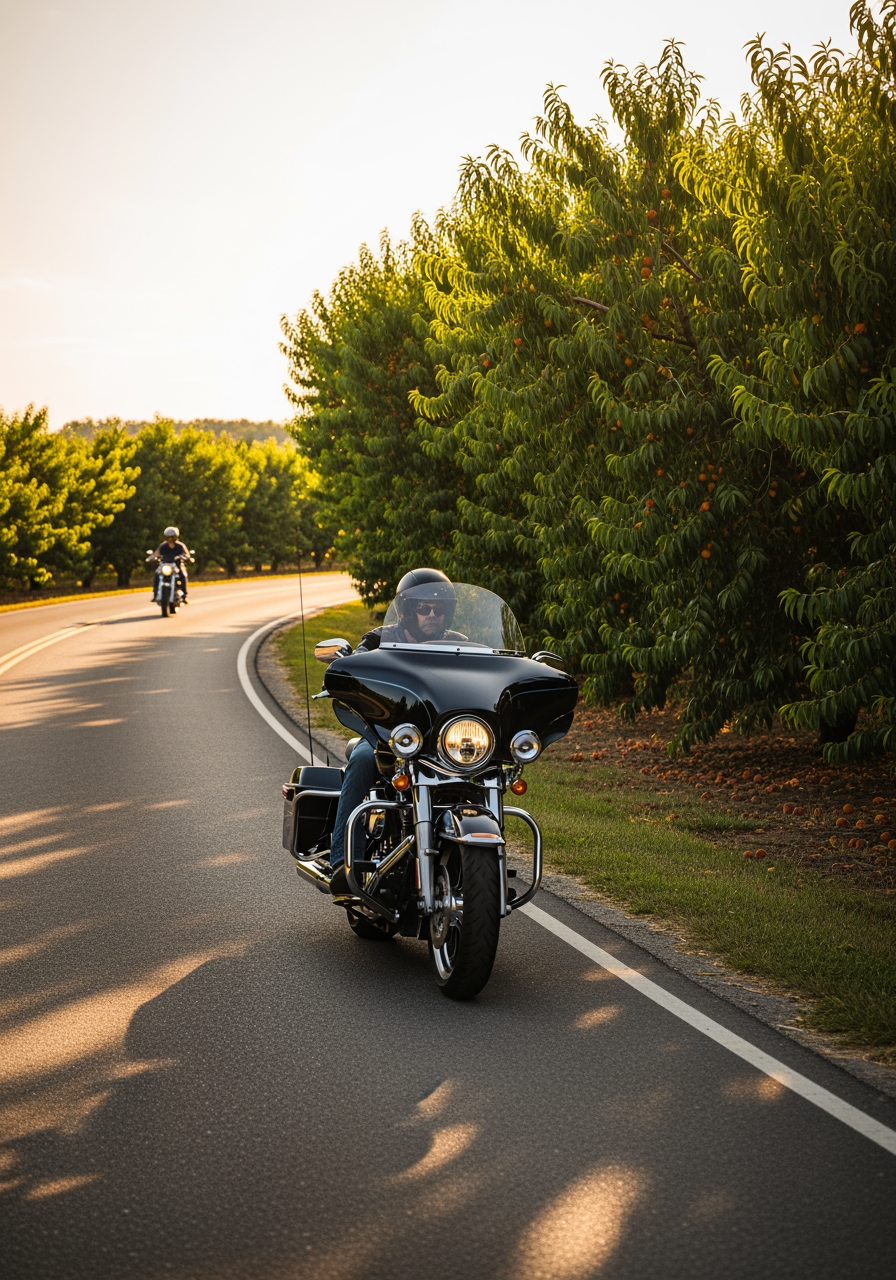
No purchase. No fee. No gimmick. The BikersWin giveaway is a flat out free shot at $20,000 toward any motorcycle for a South Carolina rider. December 10. Whats stopping you? Link in the comments. 🚫💸 #RideNationColumbia #BikersWin #MotorcycleGiveaway #Midlands
Gear & New Iron
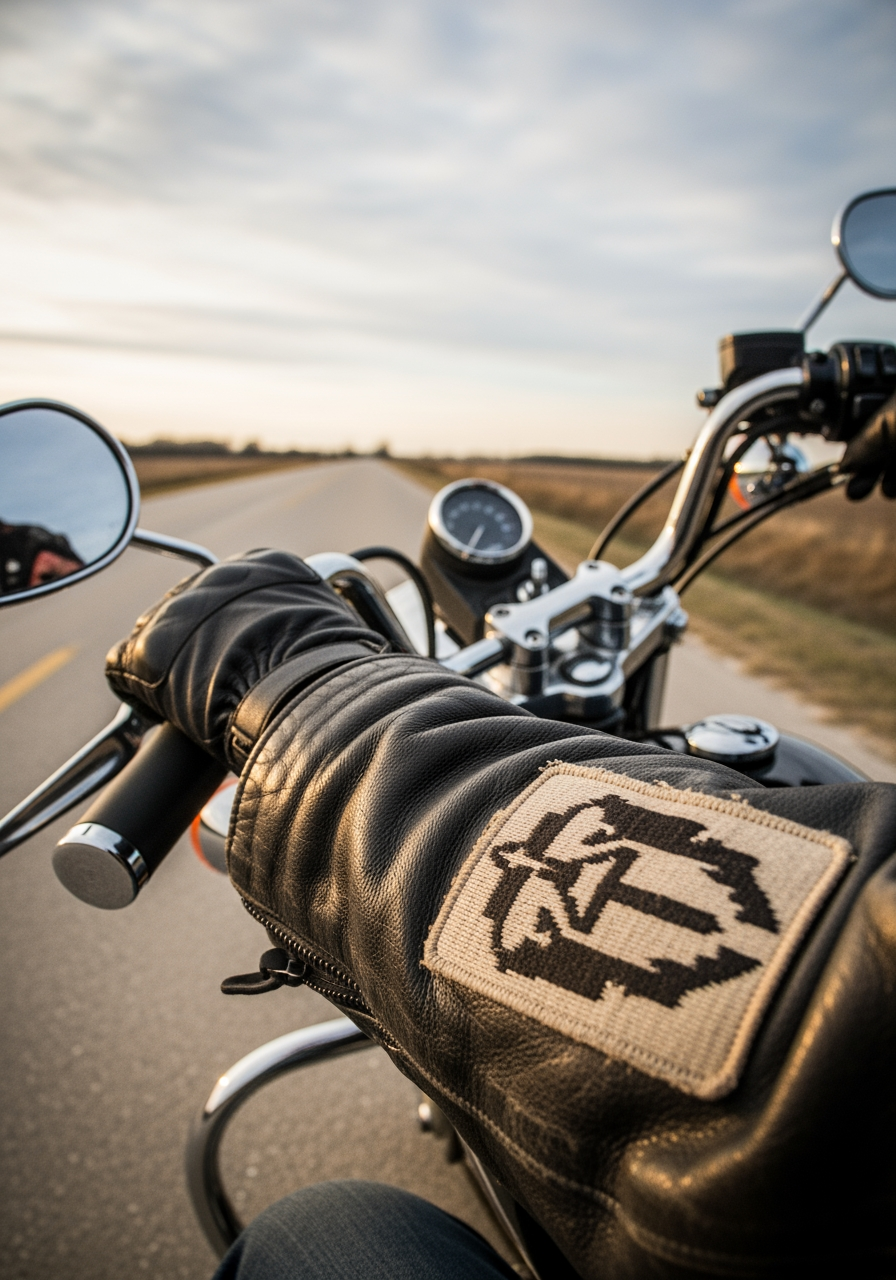
Valve clearance checks are the maintenance that quietly saves engines. As valves wear, the clearance drifts out of spec, and ignoring it long enough means burned valves and a big repair bill. Most bikes want a check somewhere between 16,000 and 24,000 miles, so dig out your manual. It is not a glamorous job but it is the difference between a motor that lasts forever and one that grenades. High mileage riders, have you ever had your valves checked?
#RideNationColumbia #ValveAdjustment #MotoMaintenance #EngineCare
Safety & SC Law
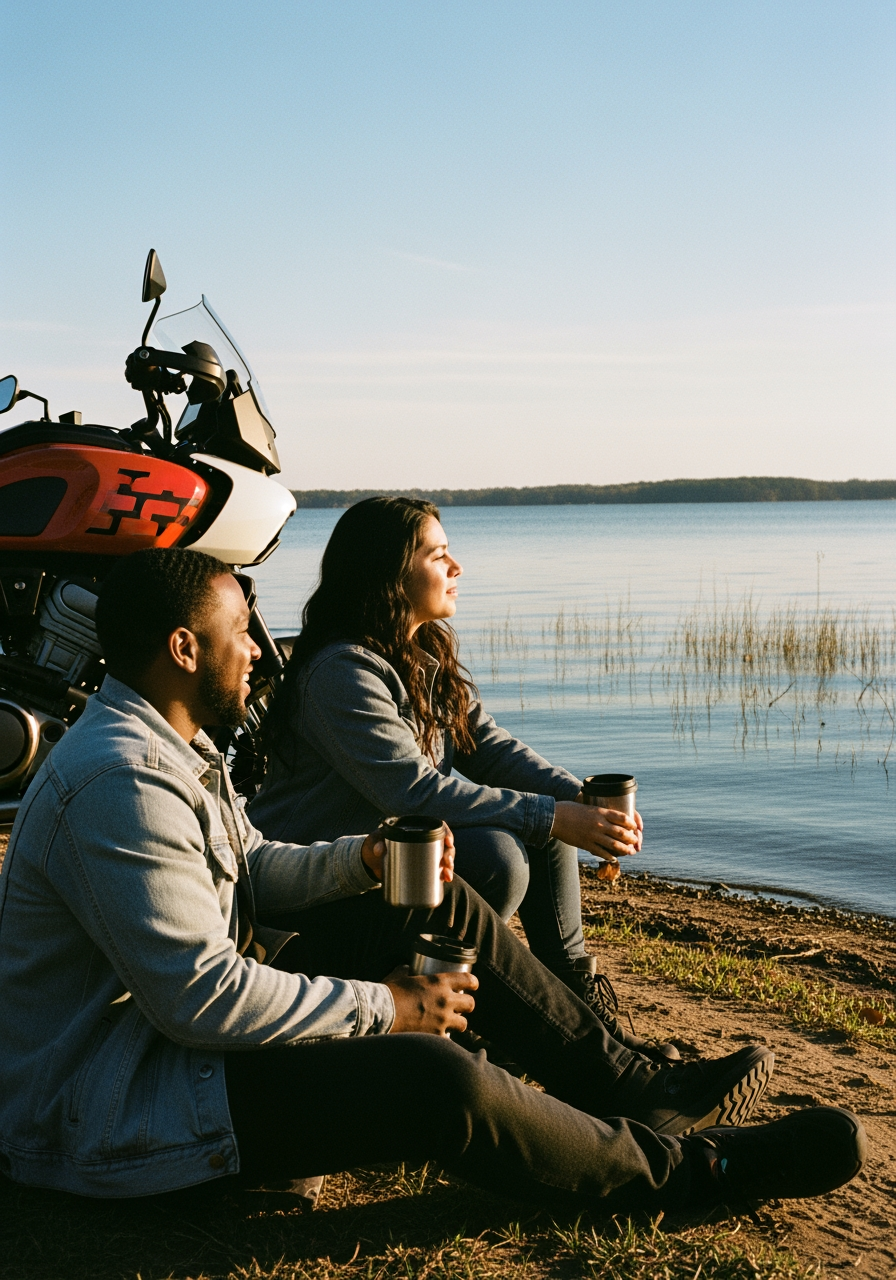
Columbia summer heat is a safety issue, not just a comfort one.
Dehydration sneaks up at highway speed because the wind dries your sweat before you feel it. Heat fatigue slows your reactions, blurs your judgment, and turns a sharp rider into a sluggish one. Mesh gear, water at every stop, and an honest read on how you feel.
Gear that breathes still beats road rash. Never trade the jacket for the heat.
#RideNationColumbia #RideSafe #SummerRiding #SCRiders
Local SC & Rides
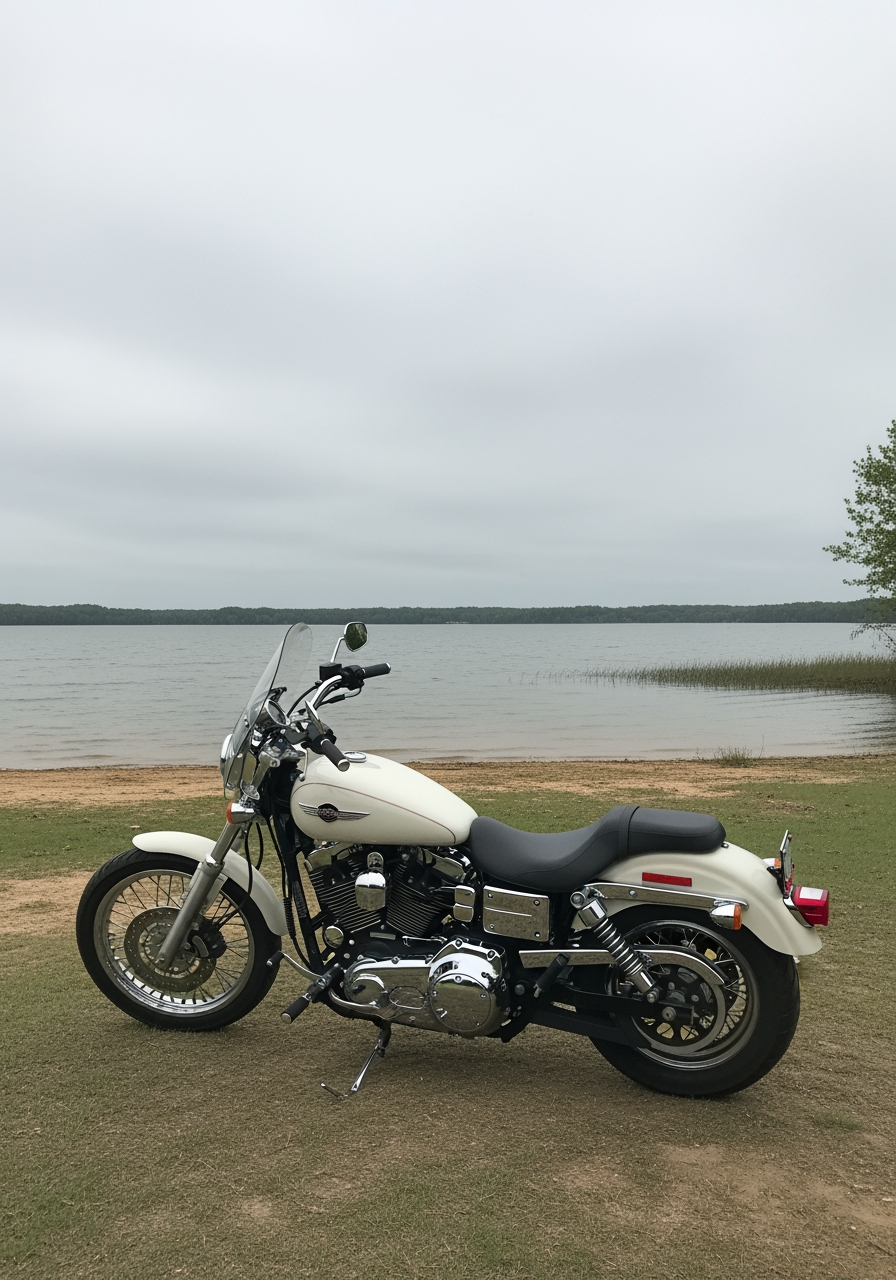
Grand Strand boardwalk season brings the bikes out in force. Cruise the boulevard, grab a bite, watch the ocean. Myrtle Beach is a rider town through and through. Just respect the speed limits and the families. What is your favorite coast stop after a ride?
#RideNationColumbia #MyrtleBeach #GrandStrand #SCRides
Engagement
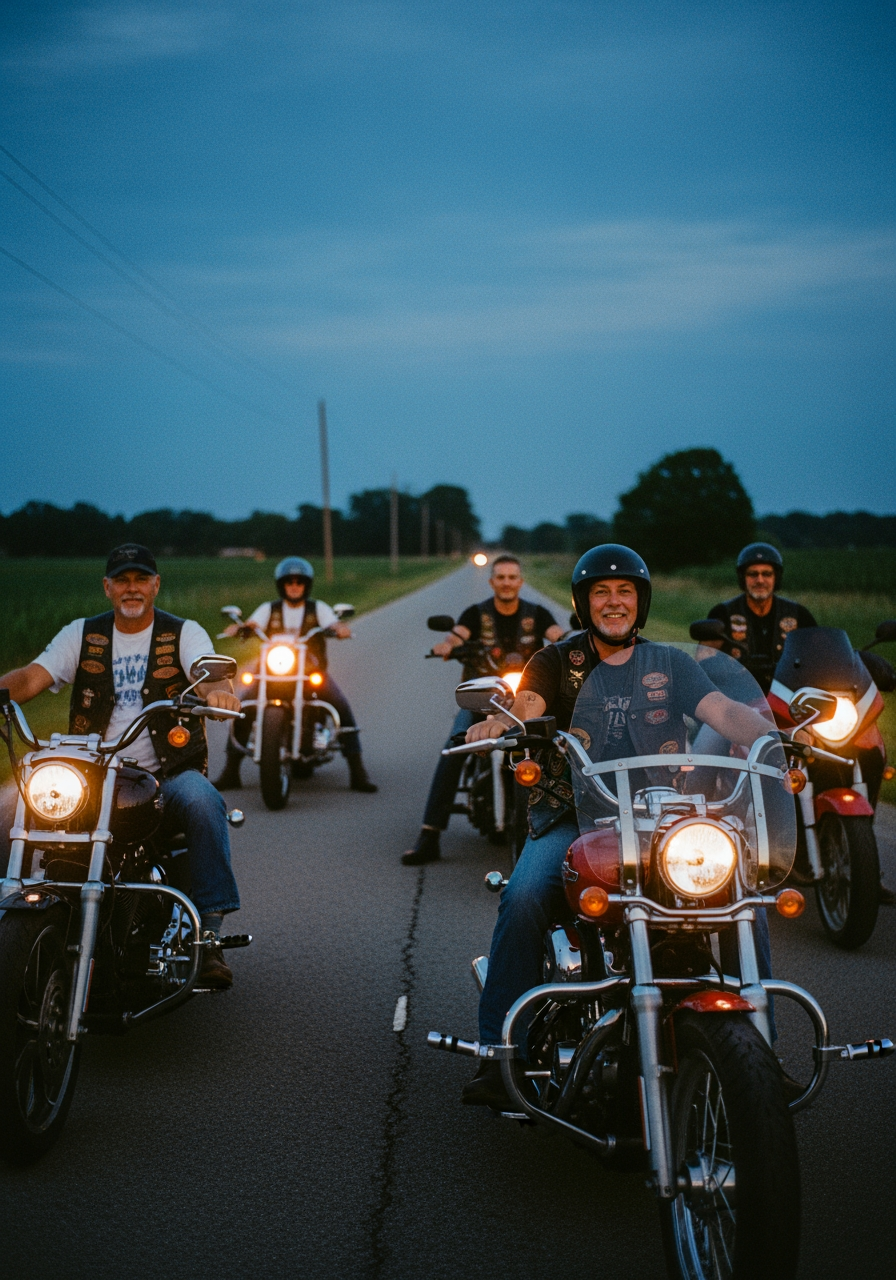
This or that. Helmet cam for every ride or no cameras, just memories? Document it or live it? Tell us where you stand.
#RideNationColumbia #SCRiders #RideNation #MotorcycleLife
Giveaway & Countdown
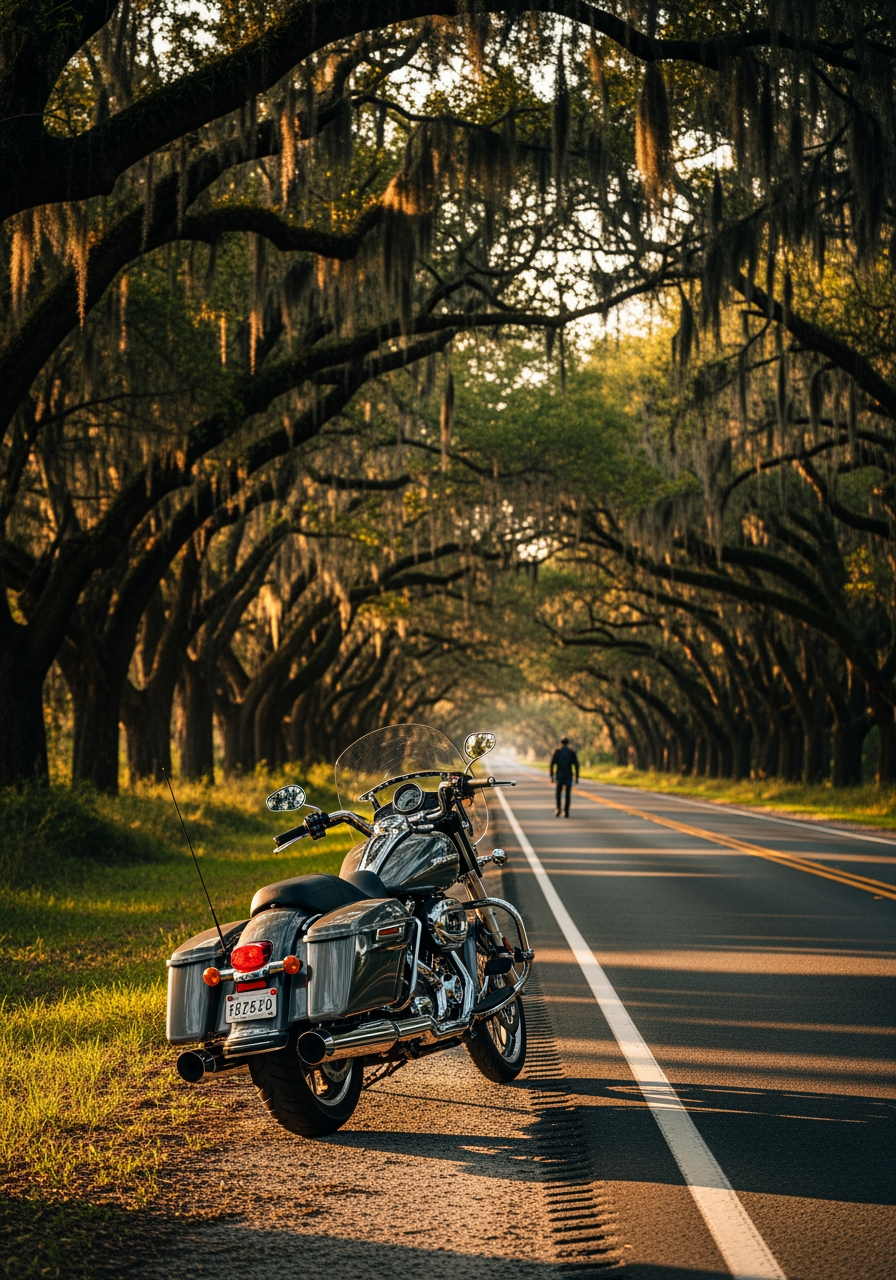
Lake Murray sunsets hit different from the saddle. Now picture that view from a bike you won for free. $20,000, BikersWin, December 10. Get your name in before the next sunset. Link in the comments. 🌇 #RideNationColumbia #BikersWin #LakeMurray #ColumbiaSC
Local SC & Rides
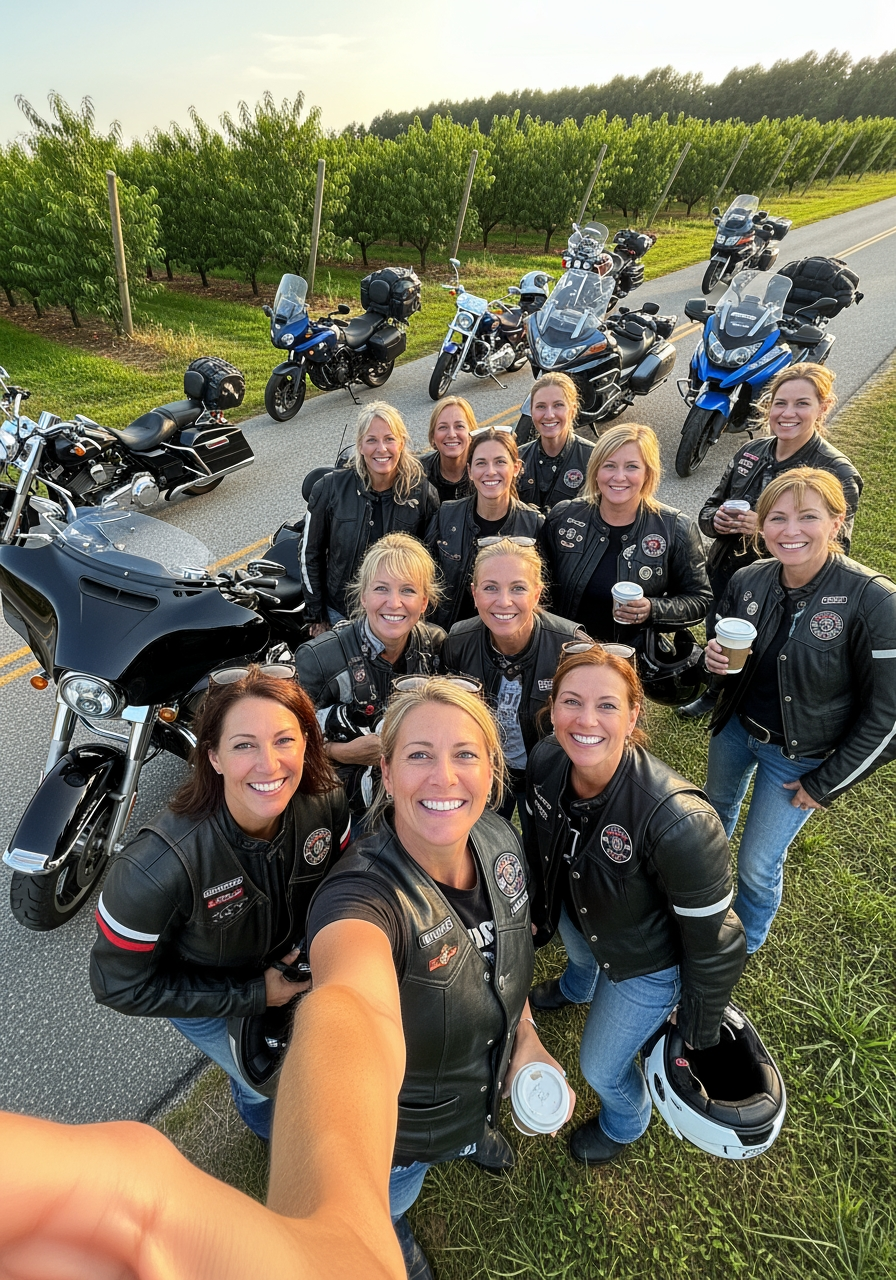
Upstate elevation means real temperature swings. Leave the Midlands in shorts weather, hit the foothills and suddenly you want that extra layer. Always pack for the mountains when you ride SC-11. Who has been caught off guard by the cold up high?
#RideNationColumbia #UpstateRiders #SC11 #FoothillsRiding
Gear & New Iron
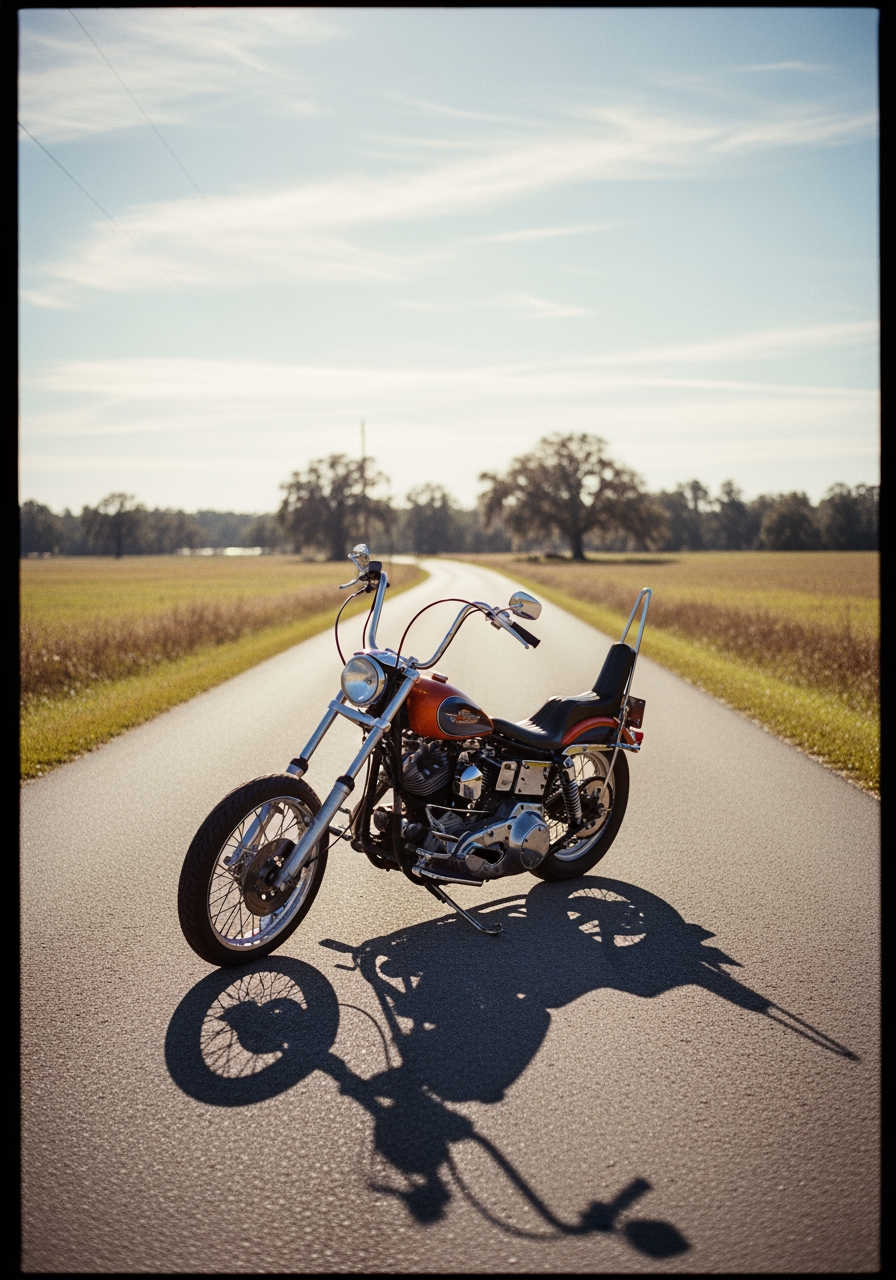
A neck gaiter or buff is the cheapest gear upgrade that punches way above its weight. Blocks wind off your collar, keeps sun off your neck on a long Lake Murray loop, pulls up over your nose against gnats and road grit, and keeps you warmer on cool mornings. Costs about as much as a gas station coffee and lives crumpled in your jacket pocket. Small piece, huge comfort. Who keeps one stashed in their jacket at all times?
#RideNationColumbia #RidingGear #MotoTips #GearUp
Safety & SC Law
The deadline that quietly ends valid SC claims: three years.
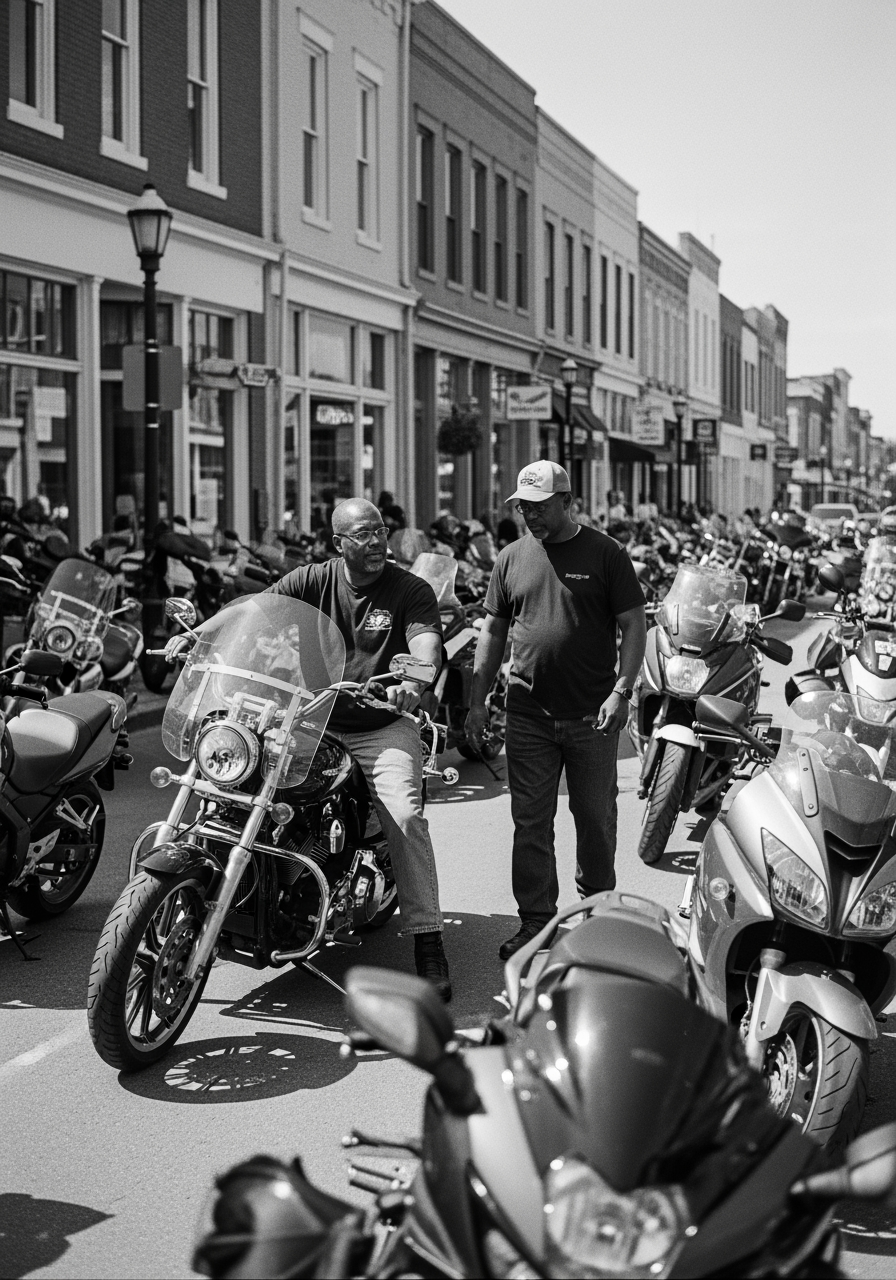
South Carolina's statute of limitations gives injured riders 3 years to file. People assume that is plenty and then life happens. Treatment drags, the insurance company stalls on purpose, and one day the window slams shut with a real case still inside it.
Do not let the clock decide for you. Get advice early and keep your options open.
Michael Jeffcoat and The Jeffcoat Firm, member of NAMIL. (803) 200-2000.
#RideNationColumbia #SCMotorcycleLaw #KnowYourRights #RideSafe
Engagement
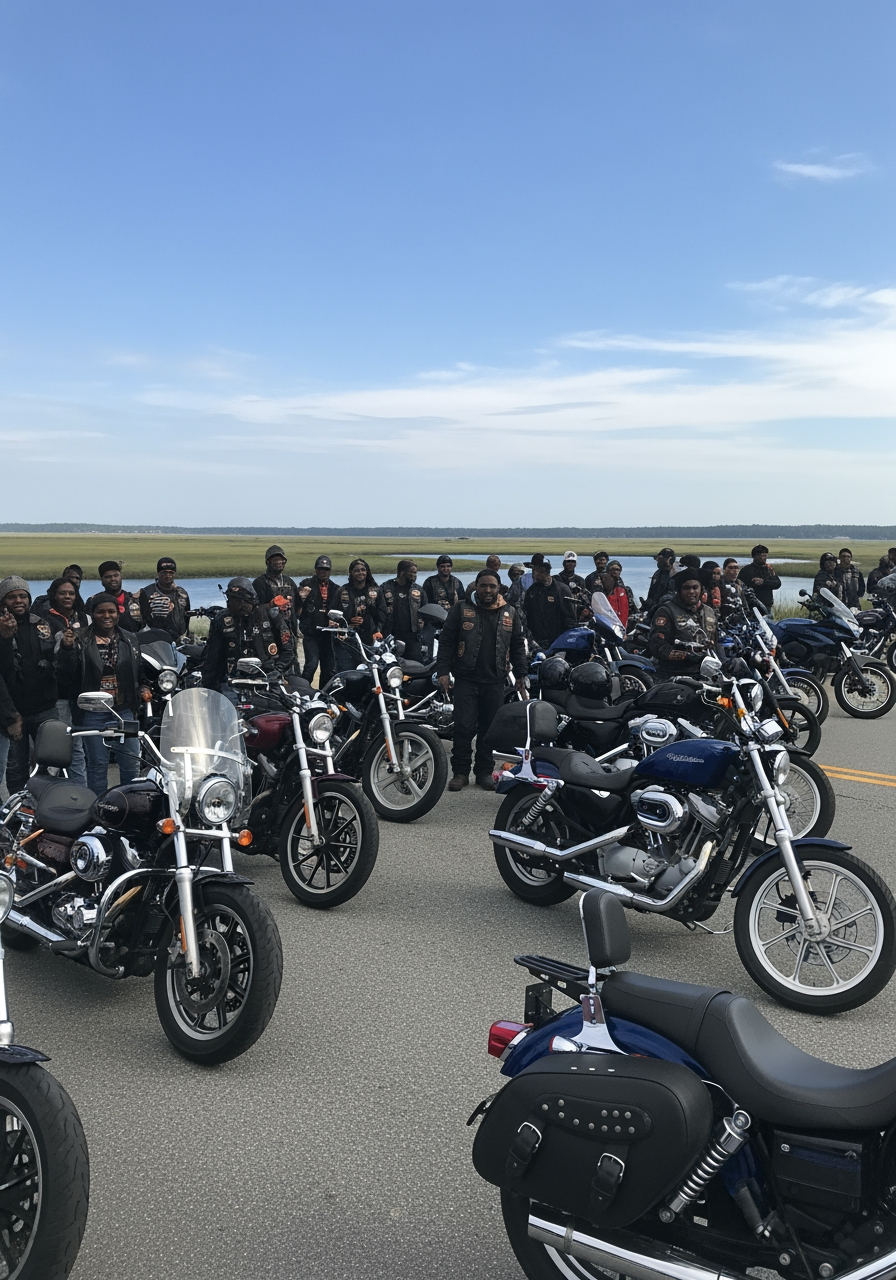
Caption this. The exact moment the ride got way more interesting than planned. What happened next?
#RideNationColumbia #CaptionThis #BikerHumor #SCRiders
Giveaway & Countdown
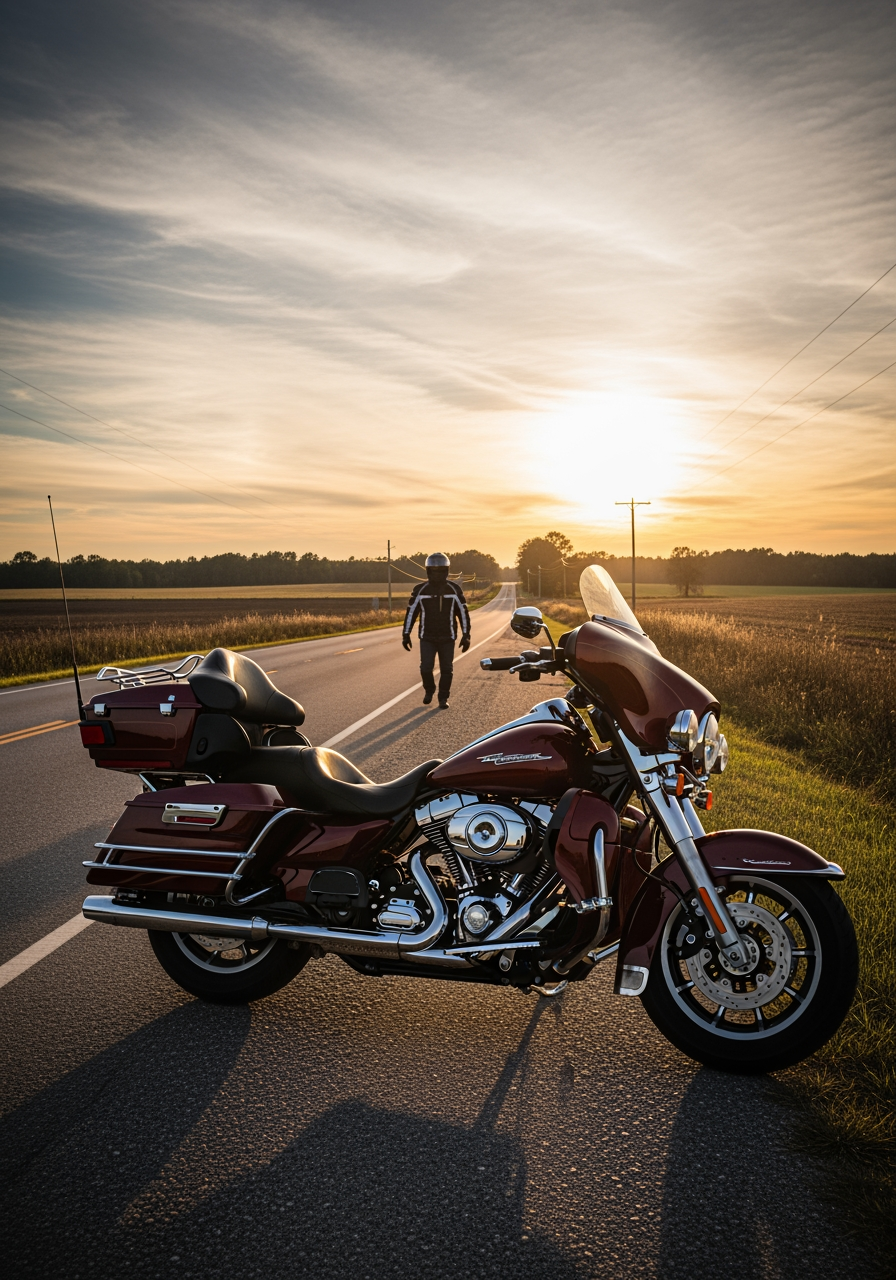
Half a year out and the BikersWin energy is already building across the Palmetto State. $20,000 toward any bike for one rider, December 10, free to enter. Are you in yet? Link in the comments. 🏟️ #RideNationColumbia #BikersWin #Countdown #SouthCarolina
Local SC & Rides
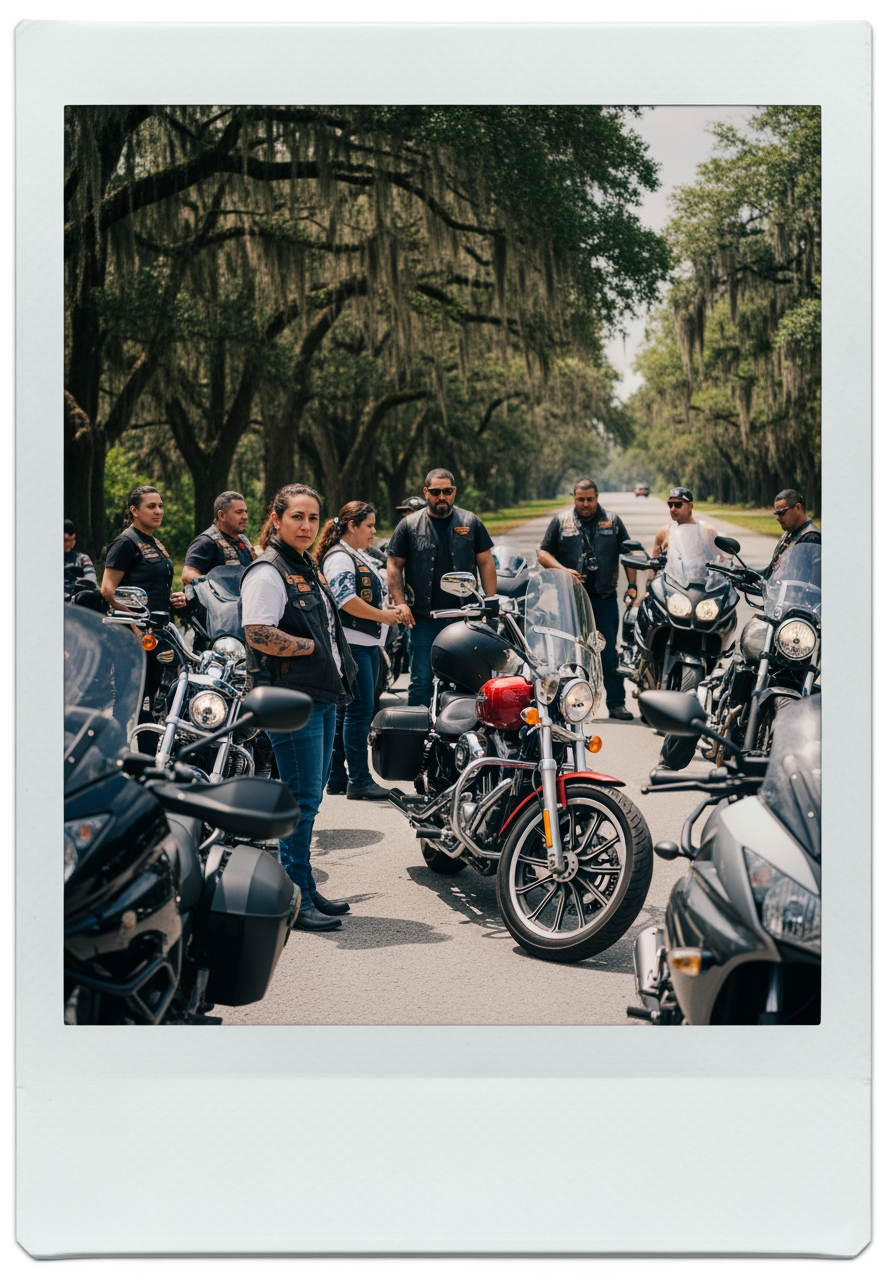
There is a special kind of quiet on a Congaree morning ride. Mist over the swamp, cool air, and roads that feel forgotten in the best way. The Midlands has more wild beauty than people give it credit for. Ever ride out there just to escape the city noise?
#RideNationColumbia #Congaree #MidlandsRiders #SouthCarolinaRiding
Engagement
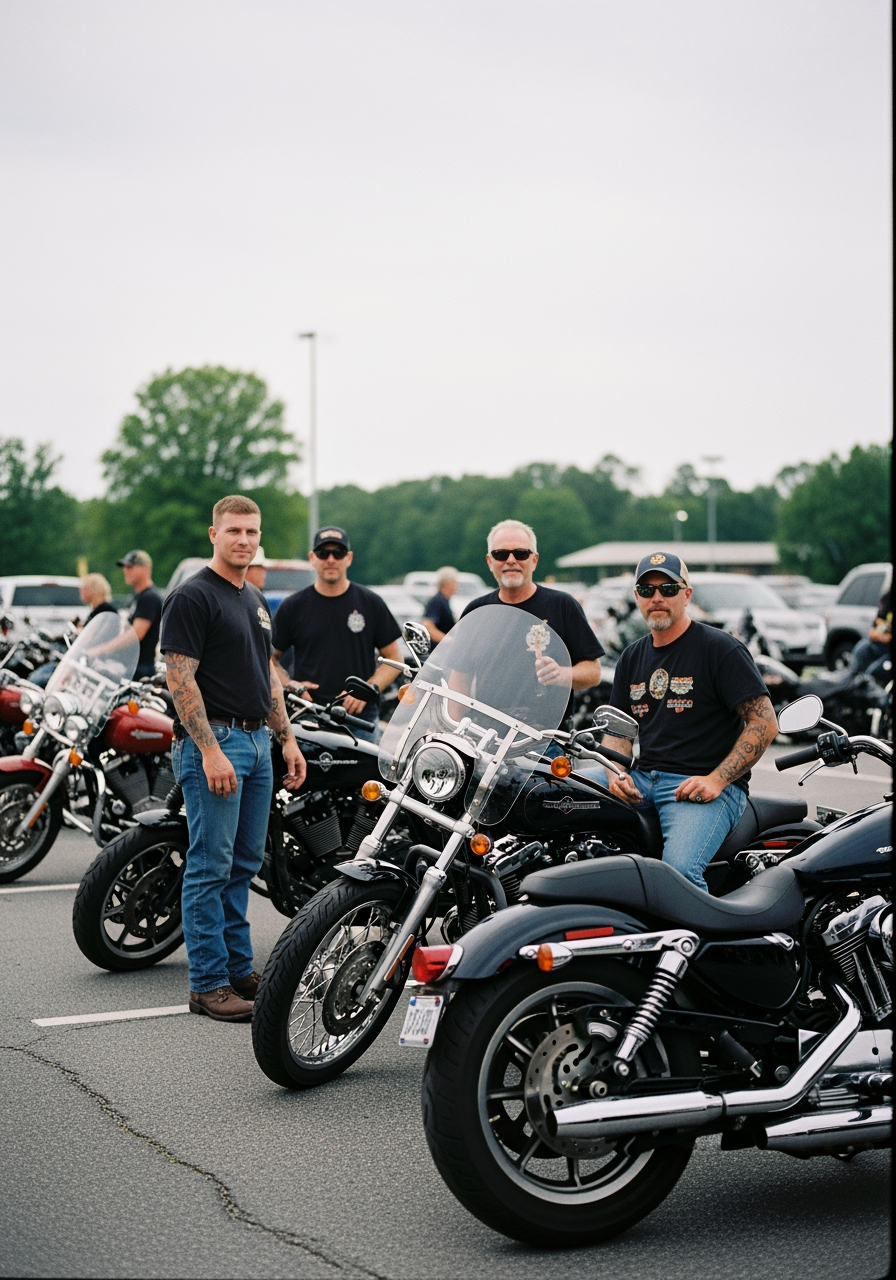
Would you rather ride with a group of strangers who are great riders, or your best friends who are a little reckless? Be honest about your weekends.
#RideNationColumbia #WouldYouRather #SCRiders #BikerLife
Gear & New Iron
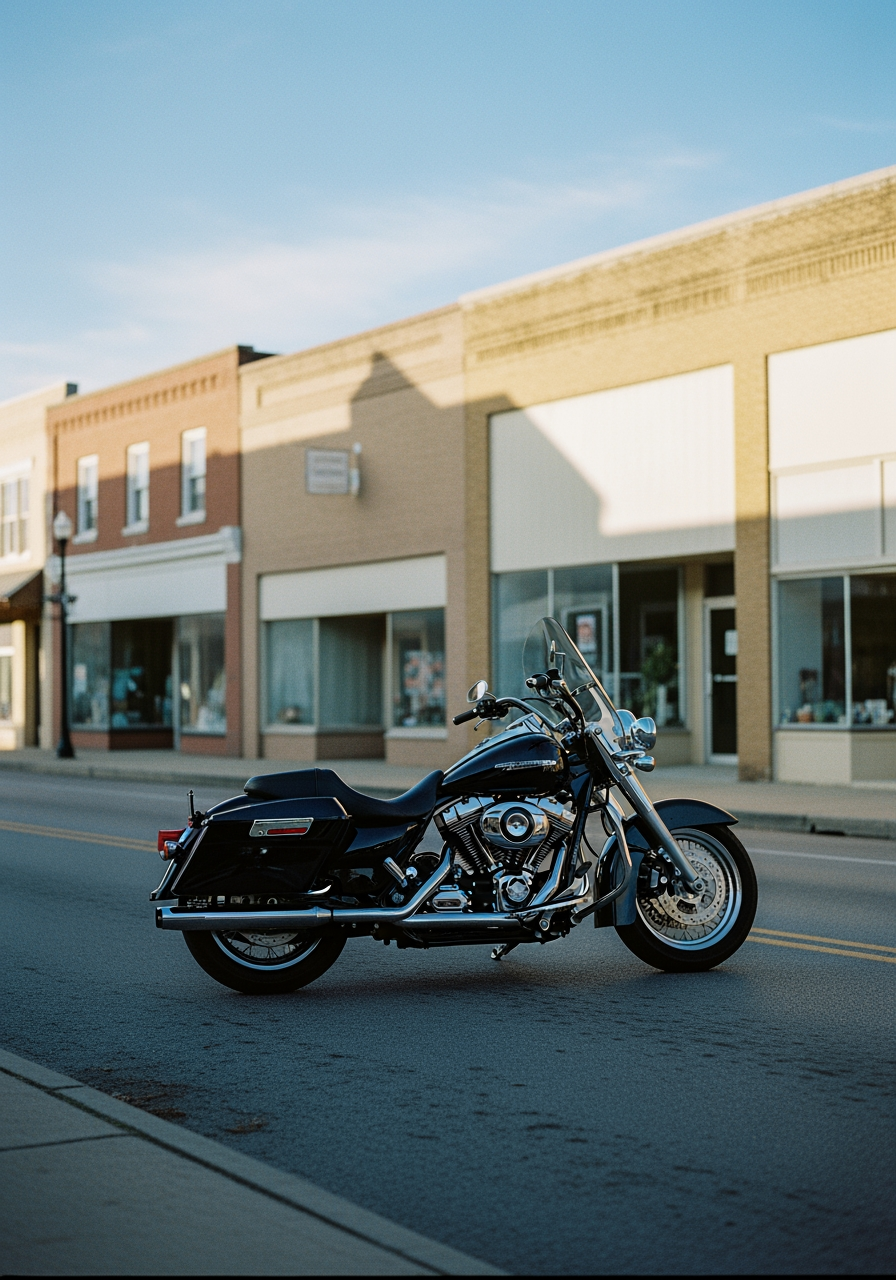
The 2024 Yamaha Tenere 700 keeps winning hearts for one reason, it does everything without a computer babysitting you. Bulletproof CP2 twin, simple and rugged, light enough to pick up when you drop it in the dirt, and happy on the slab to the coast or the gravel in the foothills. No fancy ride modes, just an honest adventure bike that goes anywhere. Sometimes simple wins. Adventure riders, is the Tenere on your short list?
#RideNationColumbia #Tenere700 #AdventureBike #NewIron
Safety & SC Law
Blind spots are where riders disappear. Live outside them.
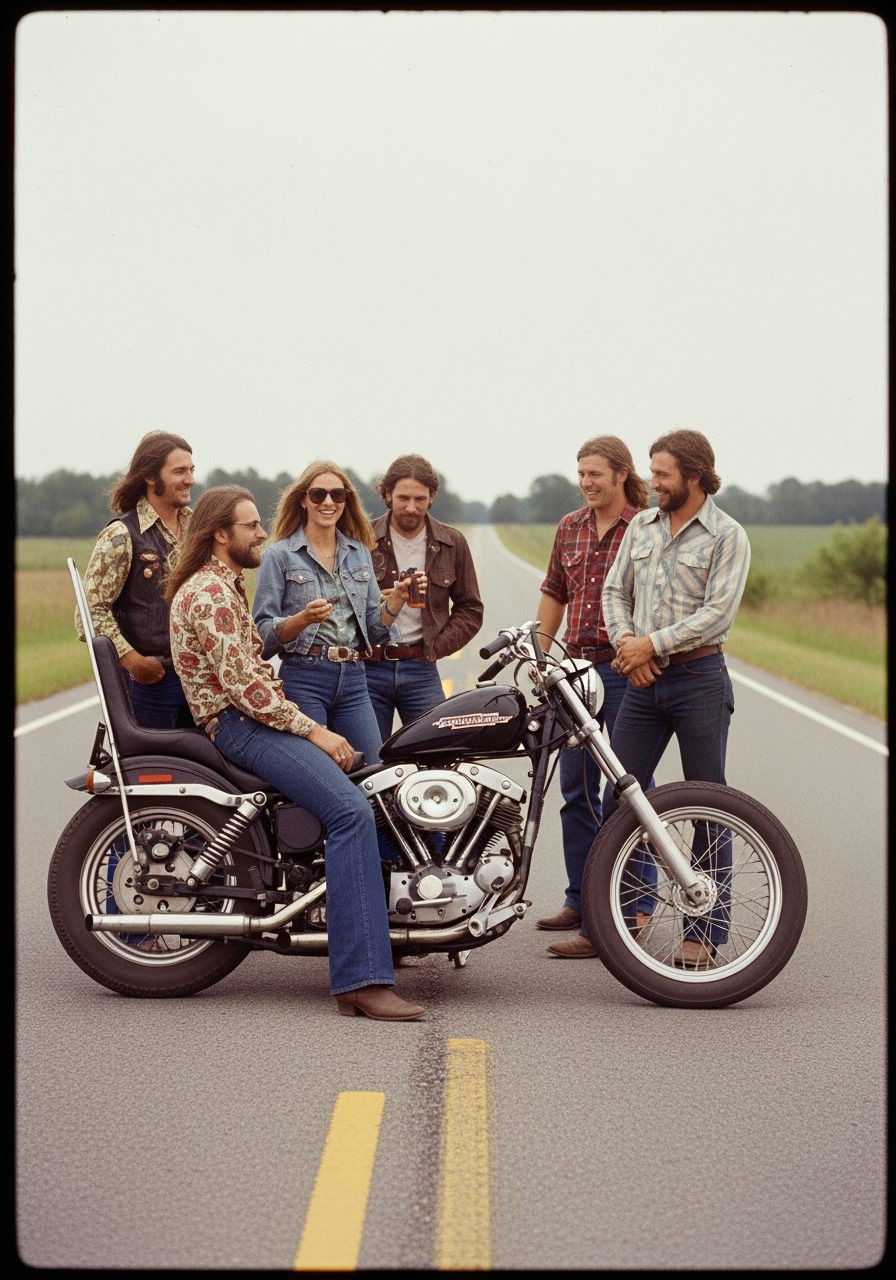
If you cannot see the driver's eyes in their mirror, they cannot see you. Do not linger beside a car, especially a big truck with a blind spot the size of a parking lot. Either drop back or get past with purpose. Loitering in the danger zone is how the lane-change surprise happens.
Be somewhere the driver's mirror can actually find you.
#RideNationColumbia #RideSafe #MotorcycleSafety #SCRiders
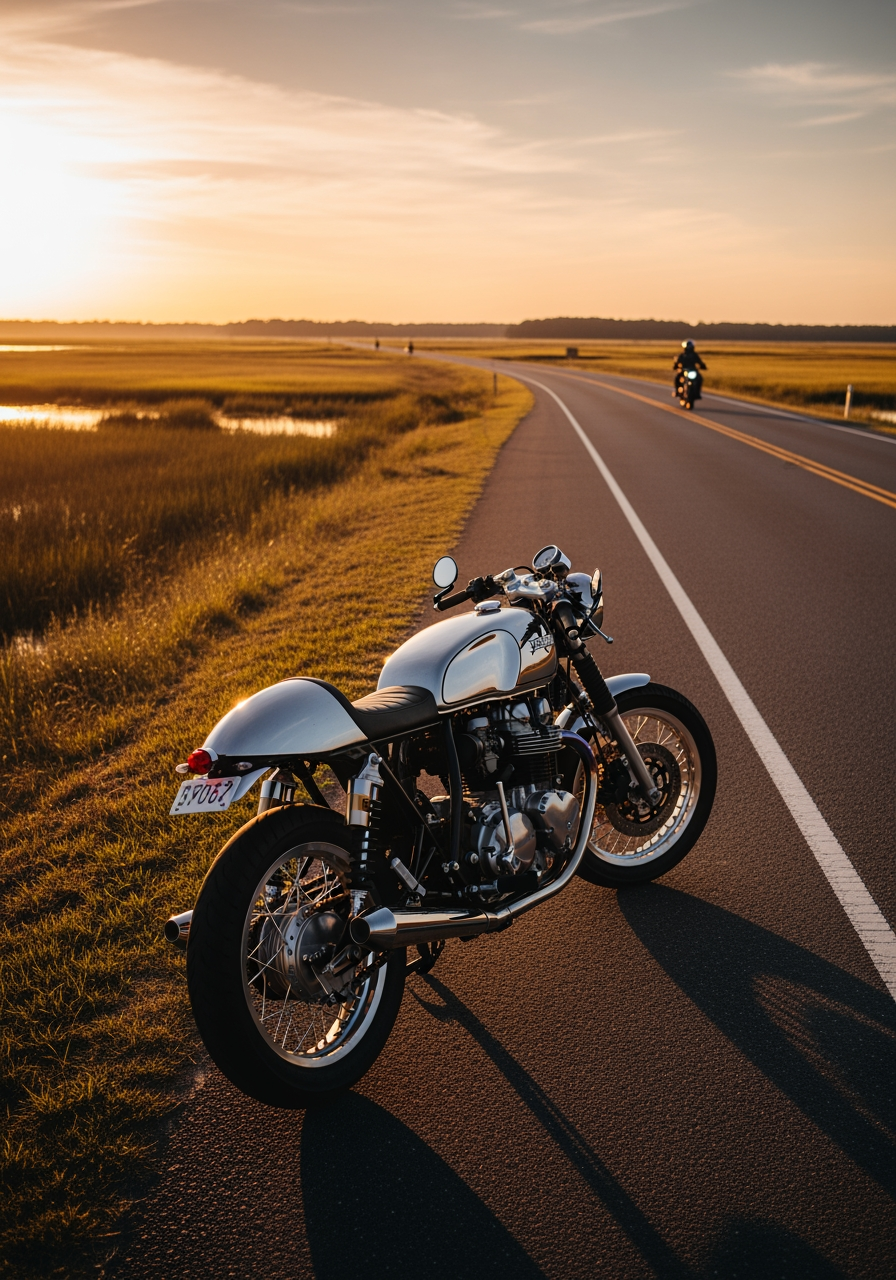
Giveaway & Countdown
Tell us the truth. Whats the bike you would buy with $20,000 that your spouse would absolutely question? We will not judge. Drop it below and enter the BikersWin giveaway while you are at it. December 10. Link in the comments. 😏 #RideNationColumbia #BikersWin #WhatWouldYouRide #SCriders
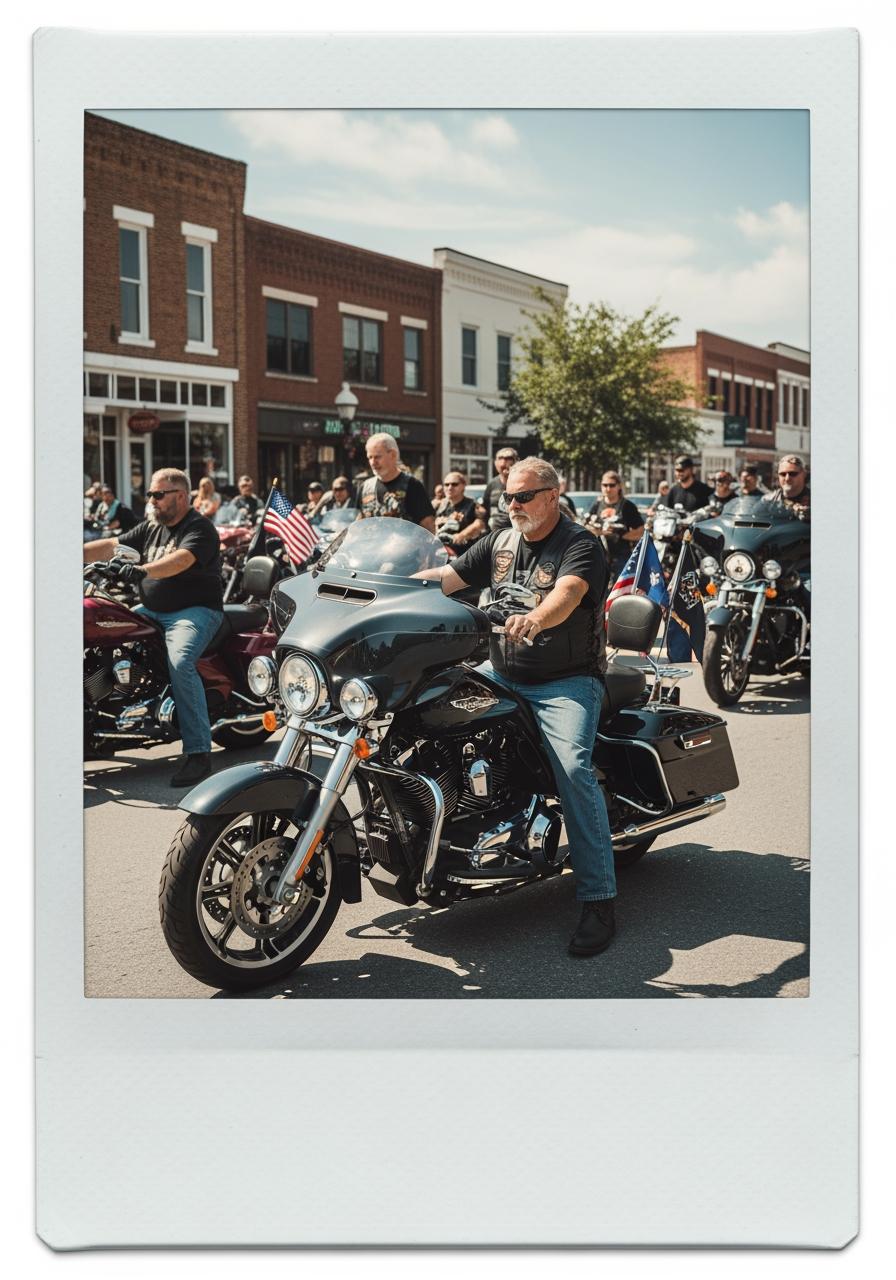
Engagement
Tag a rider you haven't ridden with in too long. Use this as your sign to plan the next one. Comment a date and make it real.
#RideNationColumbia #TagARider #SCRiders #RideNation
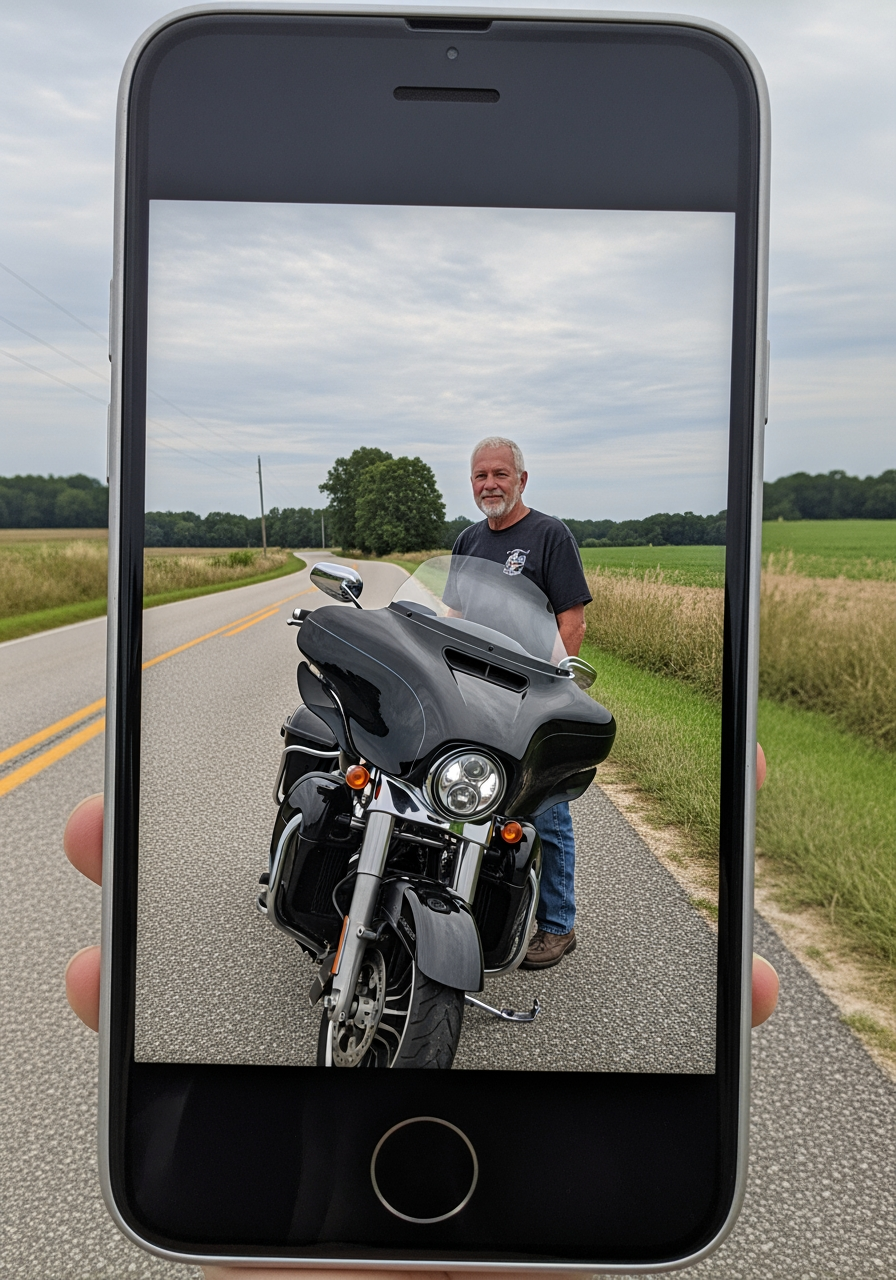
Local SC & Rides
Rally season etiquette reminder for the Grand Strand. Keep it tight, watch your speed in the crowds, and look out for the new riders. Myrtle Beach Bike Week is best when everybody rolls home safe. We ride together, we look out for each other. Spread the word.
#RideNationColumbia #MyrtleBeachBikeWeek #RideSafe #GrandStrand
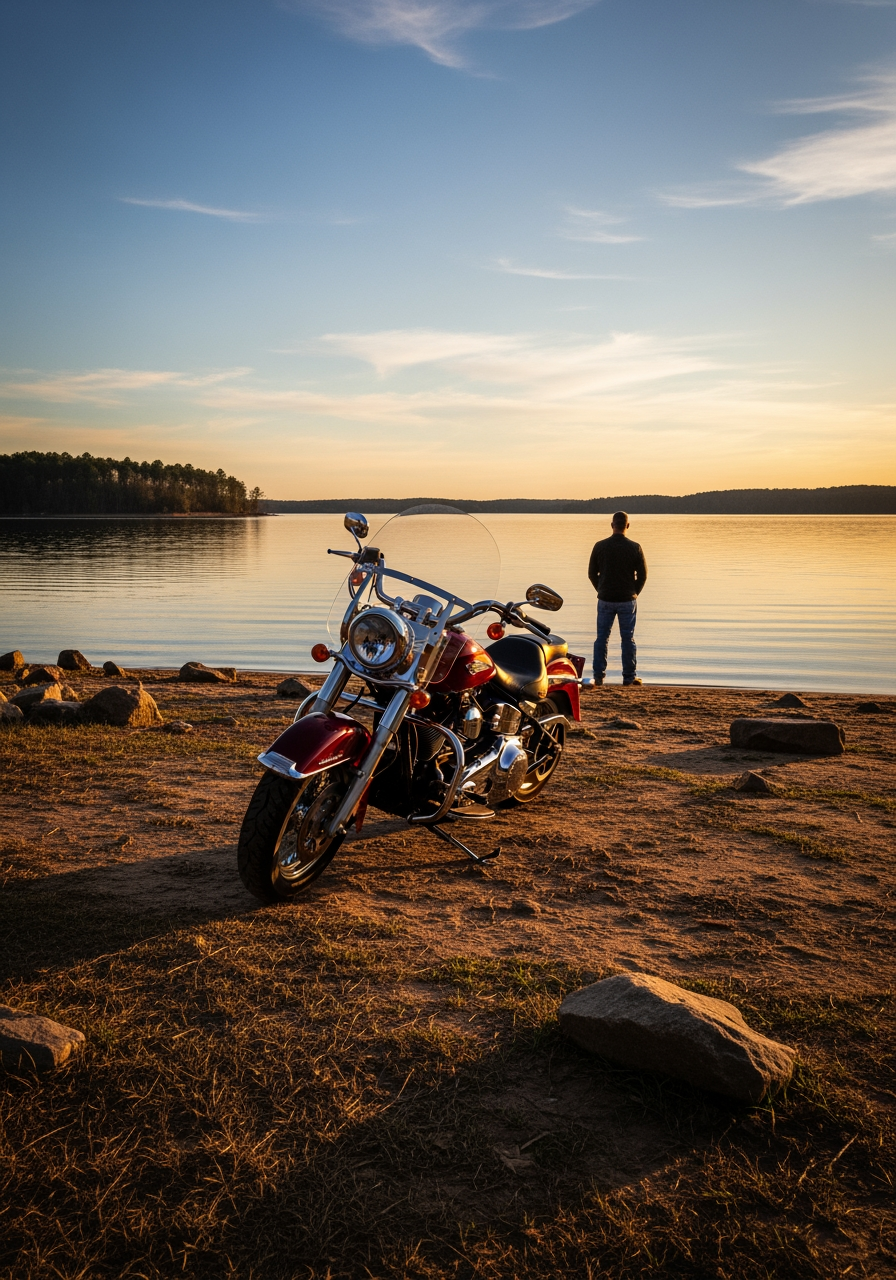
Giveaway & Countdown
Weekend warriors, the BikersWin giveaway does not care if you ride every day or just on Saturdays. $20,000 toward any bike, one South Carolina winner, December 10, free to enter. Get in. Link in the comments. 🗓️ #RideNationColumbia #BikersWin #WeekendRide #Midlands
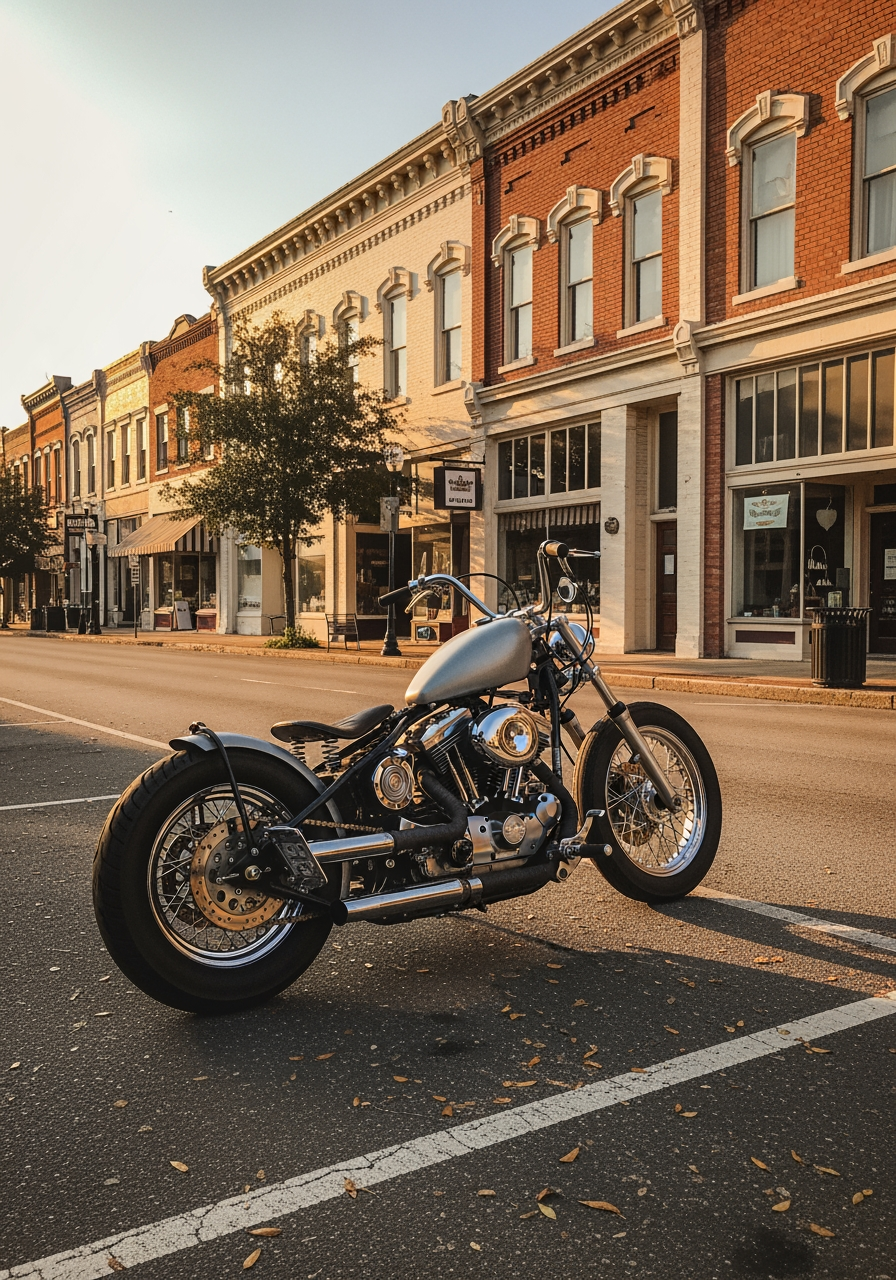
Gear & New Iron
Auxiliary LED lights are a real safety upgrade, not just a look. Adding a pair of amber or white aux lights up front makes you dramatically more visible to the distracted driver pulling out in front of you, which is how most bike accidents happen. Run them low and wide for daytime visibility, and you get bonus night vision on dark Midlands backroads with no streetlights. Being seen is staying alive. Anybody running aux lighting on their bike?
#RideNationColumbia #RidingTech #Visibility #RideSafe
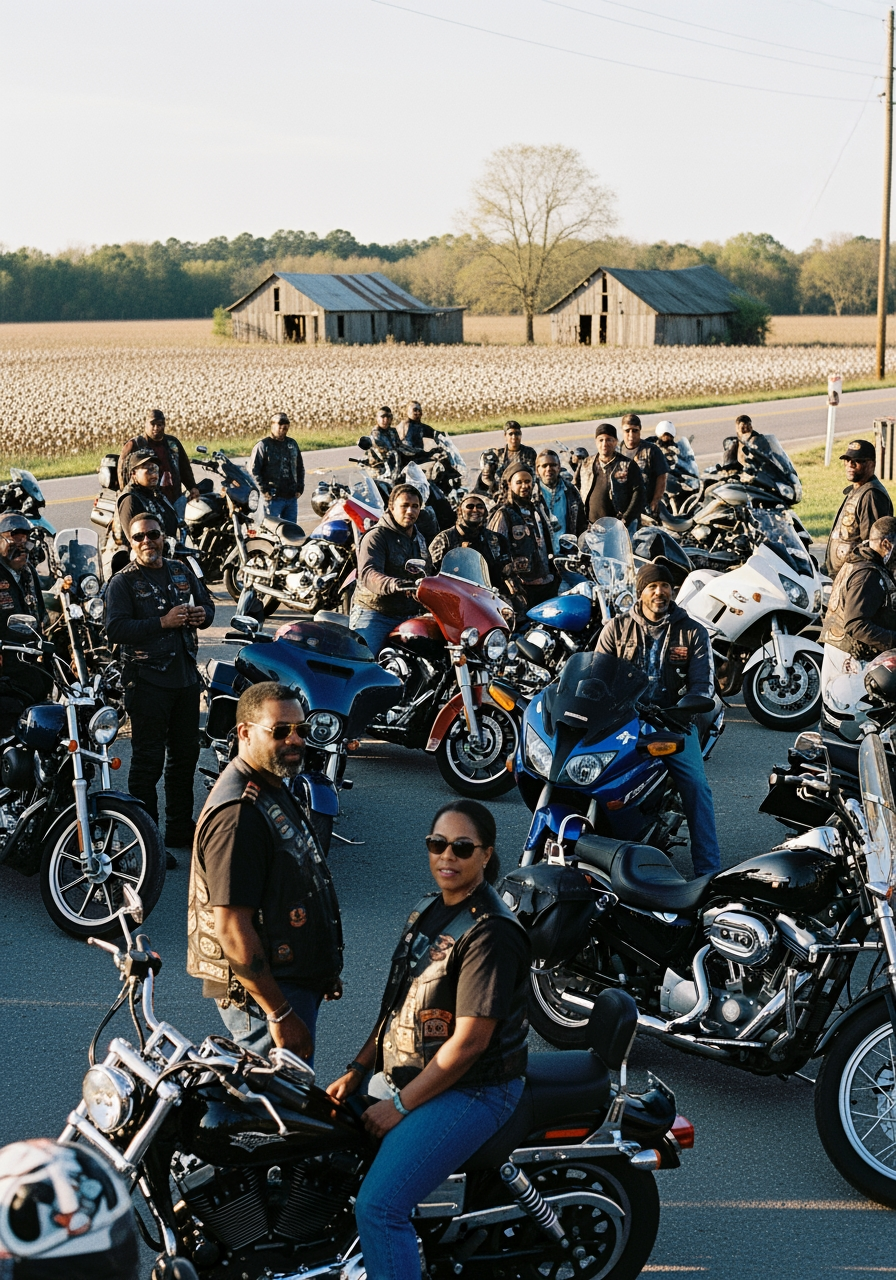
Safety & SC Law
Helmet optional at 21 in SC does not mean helmet pointless.
The law lets adult riders choose. We get it, freedom matters and that is your right. But the physics never signed off on the freedom. A modern full-face is lighter, quieter, and more comfortable than the bricks you remember, and it is the one piece of gear that protects the part of you that cannot be replaced.
Your call. Just make it an informed one.
#RideNationColumbia #SCMotorcycleLaw #HelmetSaves #RideSafe
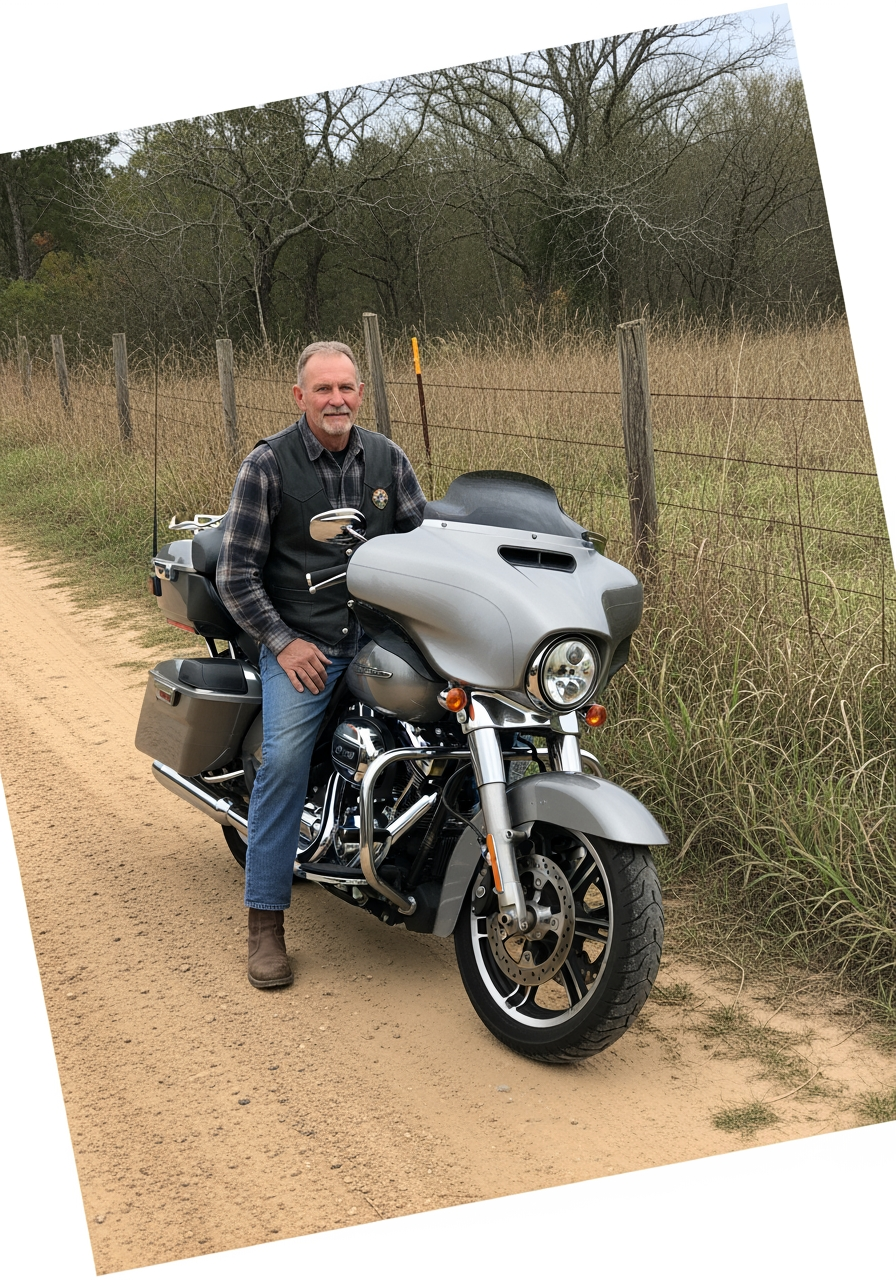
Engagement
POLL. Be honest, how fast do you check the forecast on a Friday?
1. Hourly, all week
2. Friday night, that's it
3. I don't check, I just go
4. The radar app is my whole personality
#RideNationColumbia #SCRiders #WeekendRide #MotorcyclePoll
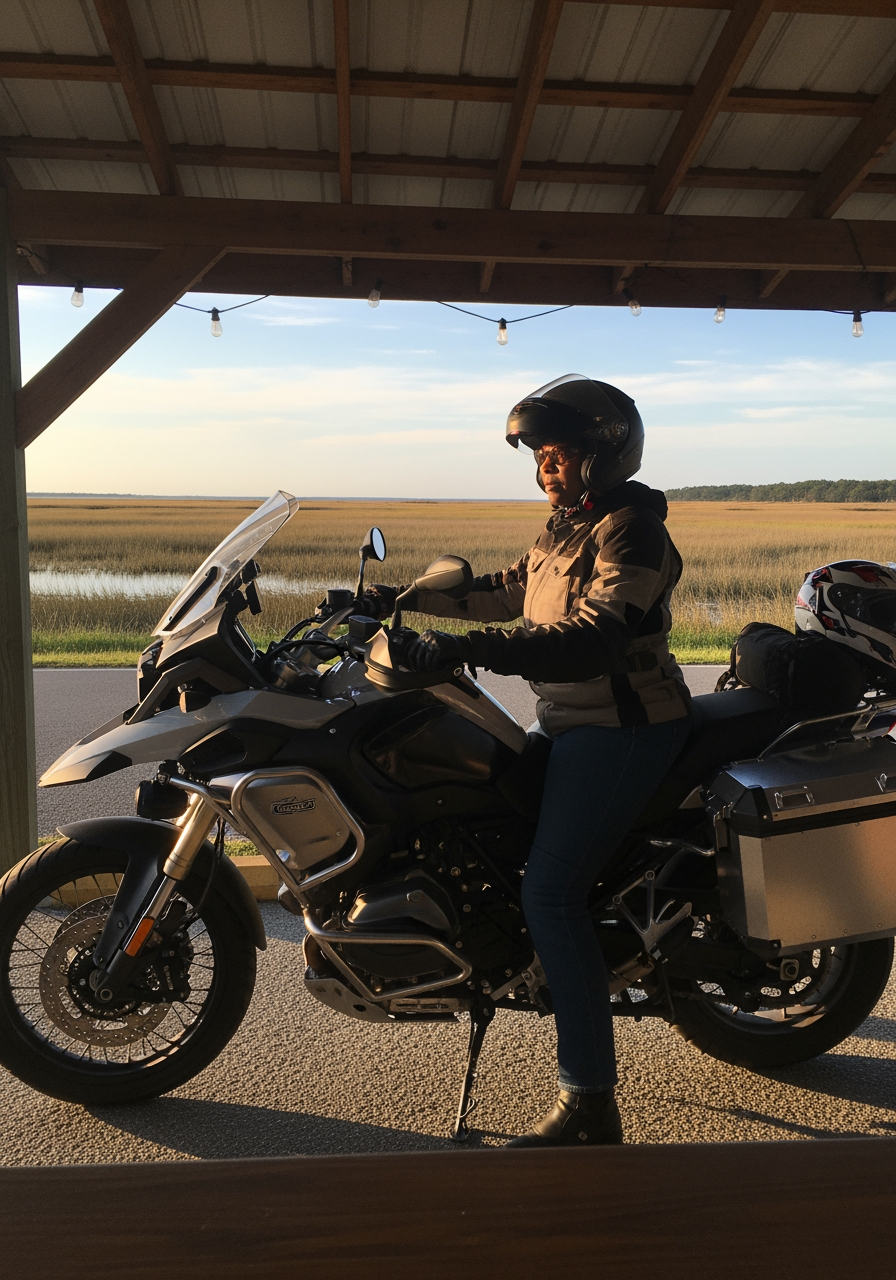
Local SC & Rides
First warm Saturday of the year in Columbia and every garage door in the Midlands goes up. You can feel spring riding season start. Battery charged, tires checked, ready to roll. What is the first thing you do to wake your bike up after winter?
#RideNationColumbia #ColumbiaSC #SpringRiding #MidlandsRiders
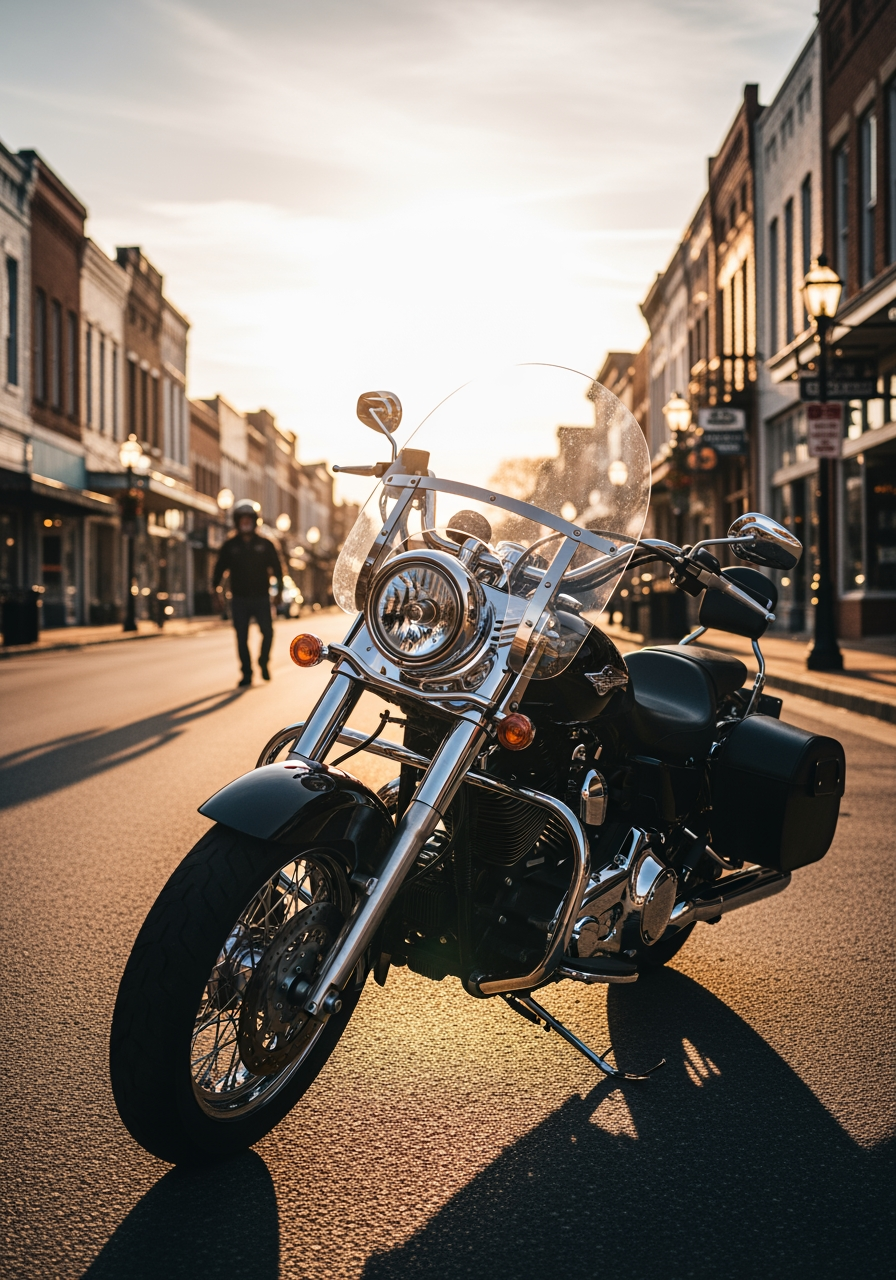
Giveaway & Countdown
Picture the December 10 winner pulling into the next Ride Nation meetup on a brand new machine. Everyone asking how. The answer is they entered a free giveaway and got lucky. Could be you. Link in the comments. 🎁 #RideNationColumbia #BikersWin #Countdown #ColumbiaSC
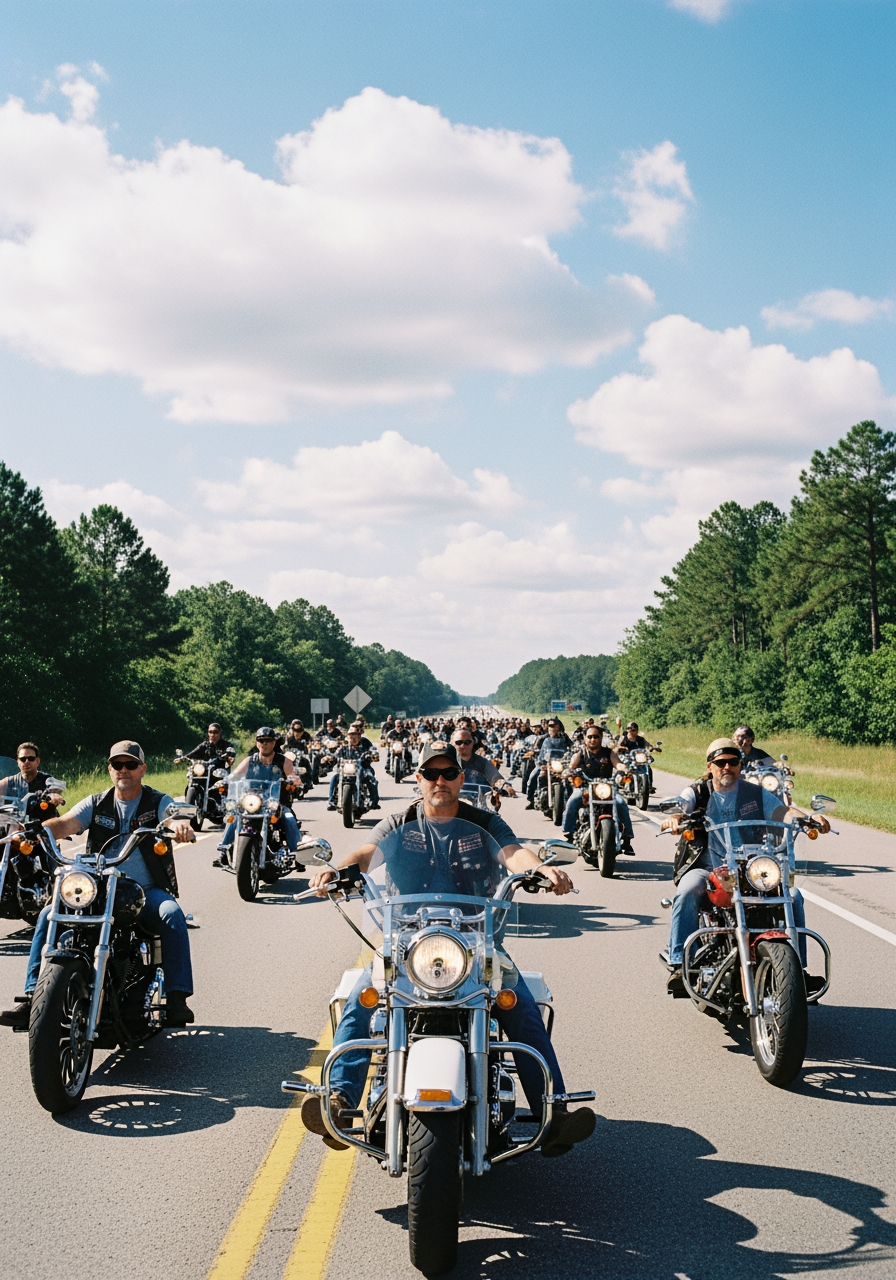
Engagement
This or that. Beach run to Myrtle or mountain run to the Upstate? South Carolina gives you both. Where's the bike pointed this weekend?
#RideNationColumbia #MyrtleBeach #Upstate #SCRiders
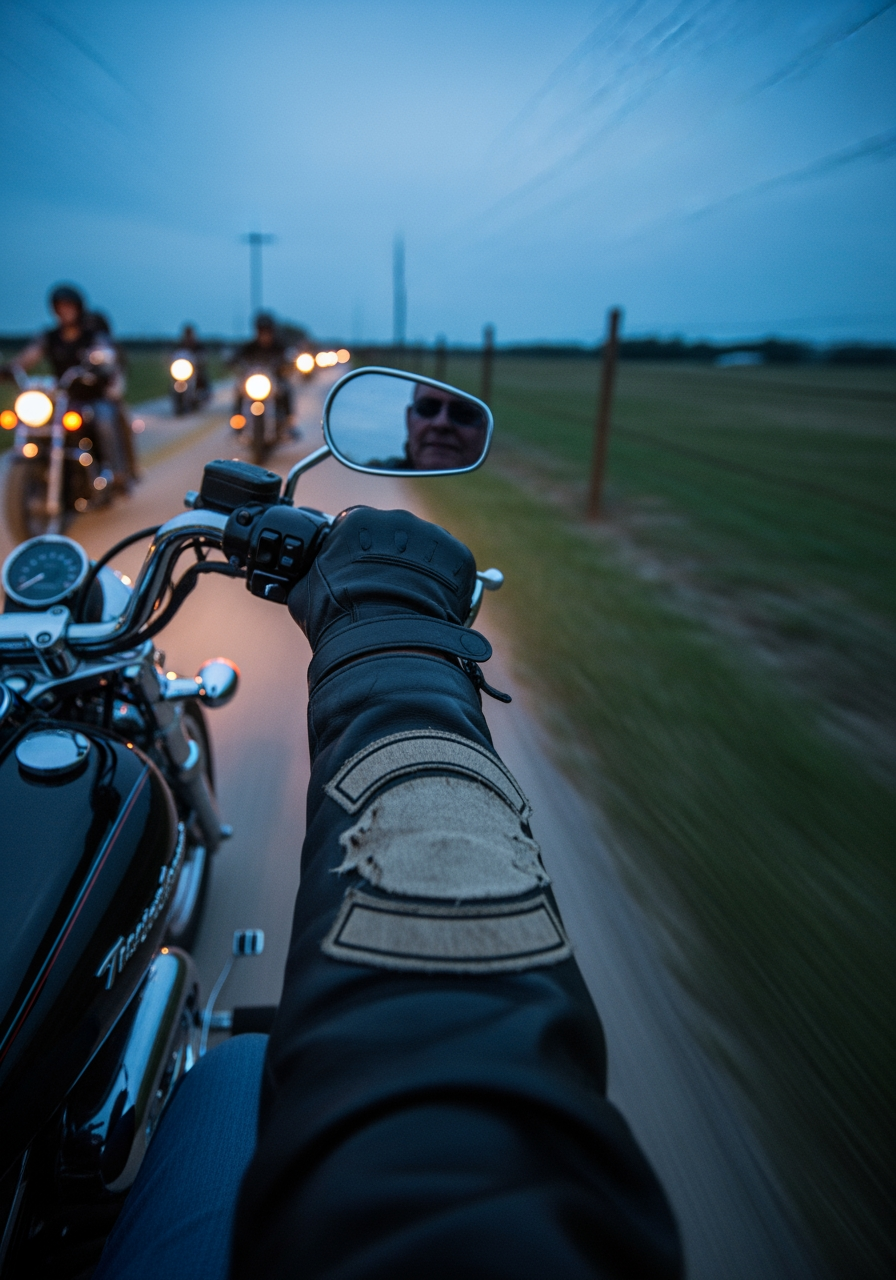
Gear & New Iron
Coolant gets ignored until a bike overheats in summer traffic, and stop and go on a Columbia July afternoon is exactly where liquid cooled engines get tested. Old coolant loses its corrosion protection and its boiling point drops, so a temp gauge creeping up in traffic is a warning. Flush and refill every couple years per your manual. Cheap fluid versus a cooked engine is not a close call. Liquid or air cooled bike for you, and do you watch that temp gauge in summer?
#RideNationColumbia #Coolant #MotoMaintenance #SummerRiding
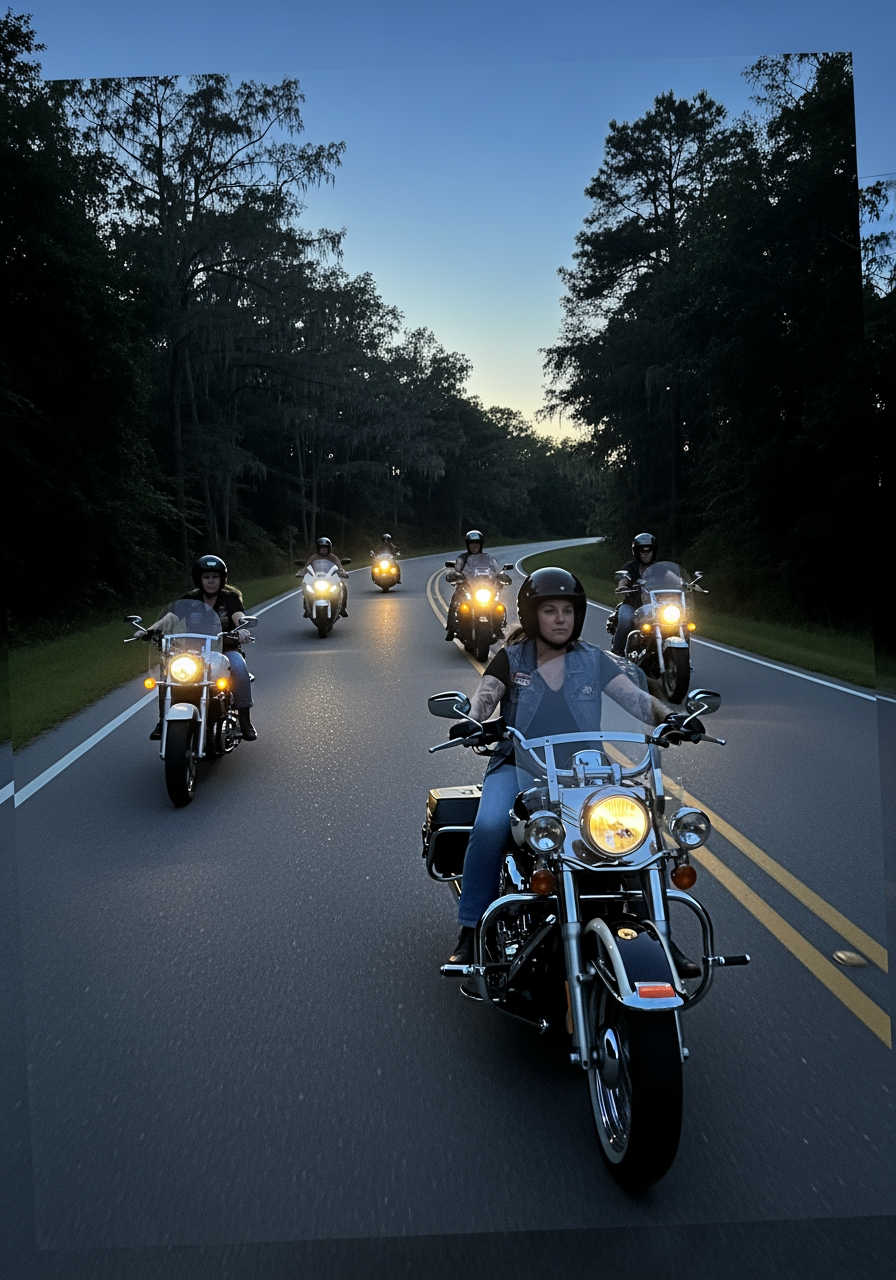
Safety & SC Law
Cold tires do not grip. The first few miles are sneaky dangerous.
That front tire needs heat to do its job, and on a chilly Upstate morning it has none for the first several minutes. Riders pin a familiar on-ramp at full lean and the bike washes out because the rubber was basically cold plastic.
Ease into your ride. Build heat with gentle braking and acceleration before you start pushing pace.
#RideNationColumbia #RideSafe #ColdWeatherRiding #SCRiders
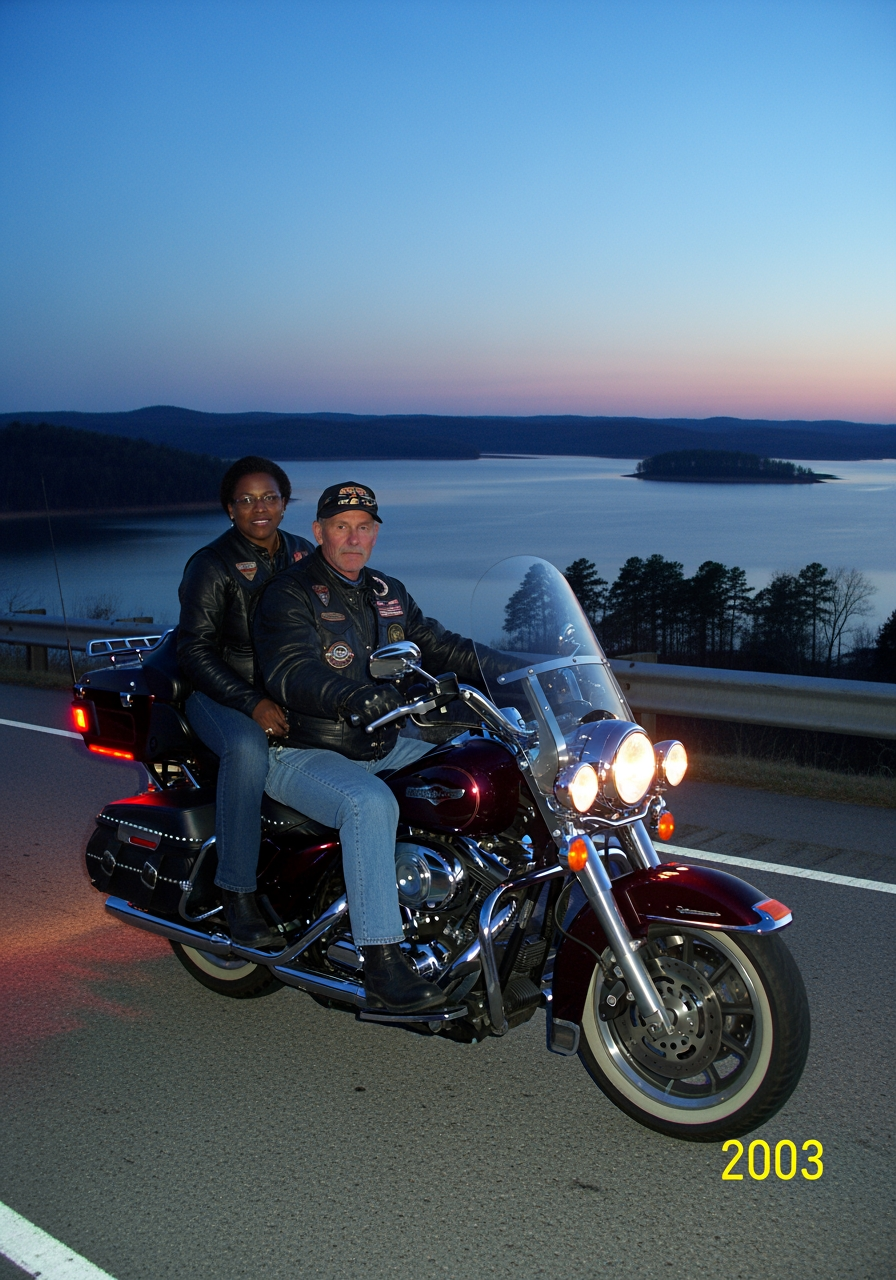
Local SC & Rides
The descent off the foothills back toward the Midlands is its own reward. SC-11 hands you the mountains, then sends you home through peach country and open farmland. A full ride in one highway. What is your favorite leg of the SC-11 run?
#RideNationColumbia #SC11 #UpstateRiders #SCRides
Giveaway & Countdown
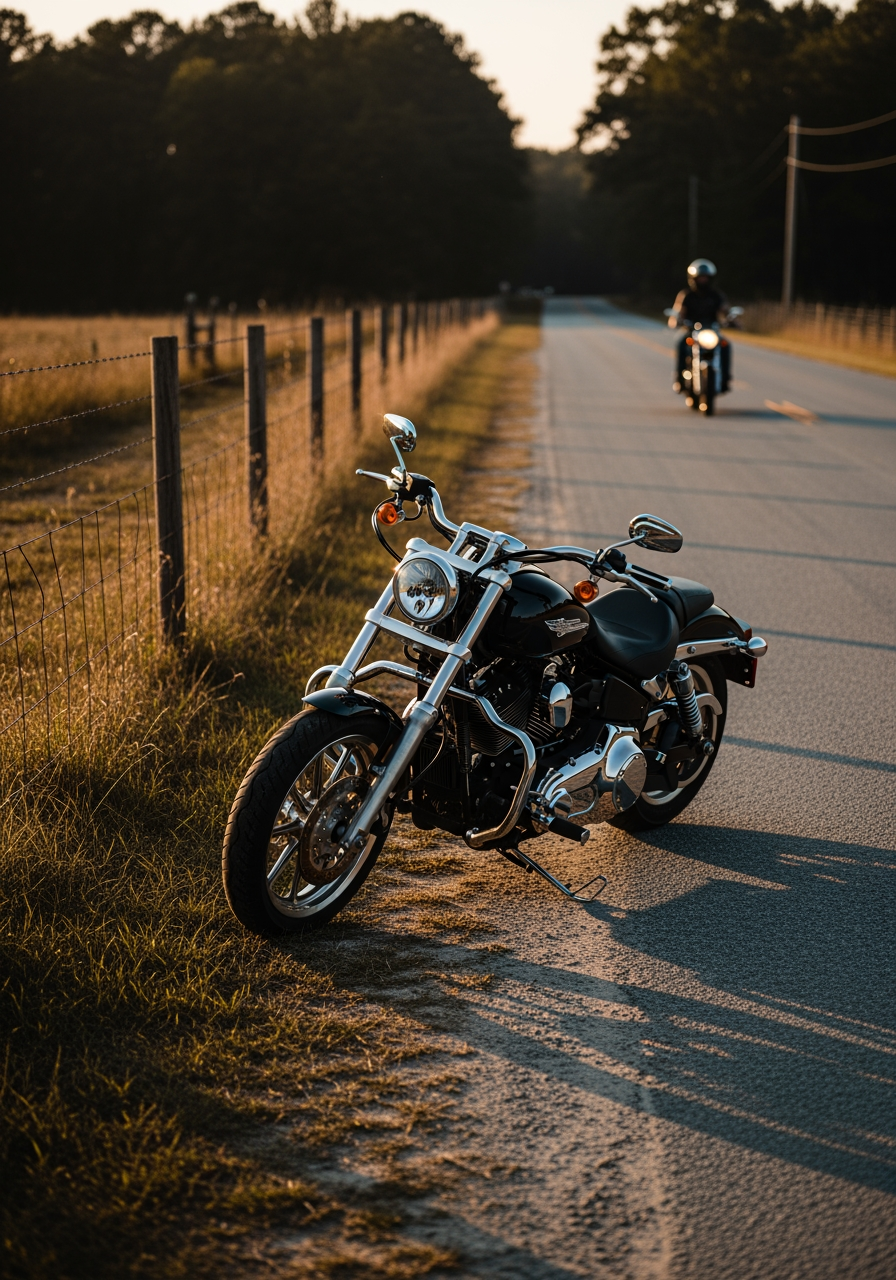
Stop scrolling for 30 seconds. Thats all it takes to enter the BikersWin giveaway for a shot at $20,000 toward any bike. South Carolina riders only, drawn December 10. Do it now and thank yourself later. Link in the comments. ⏳ #RideNationColumbia #BikersWin #MotorcycleGiveaway #SouthCarolina
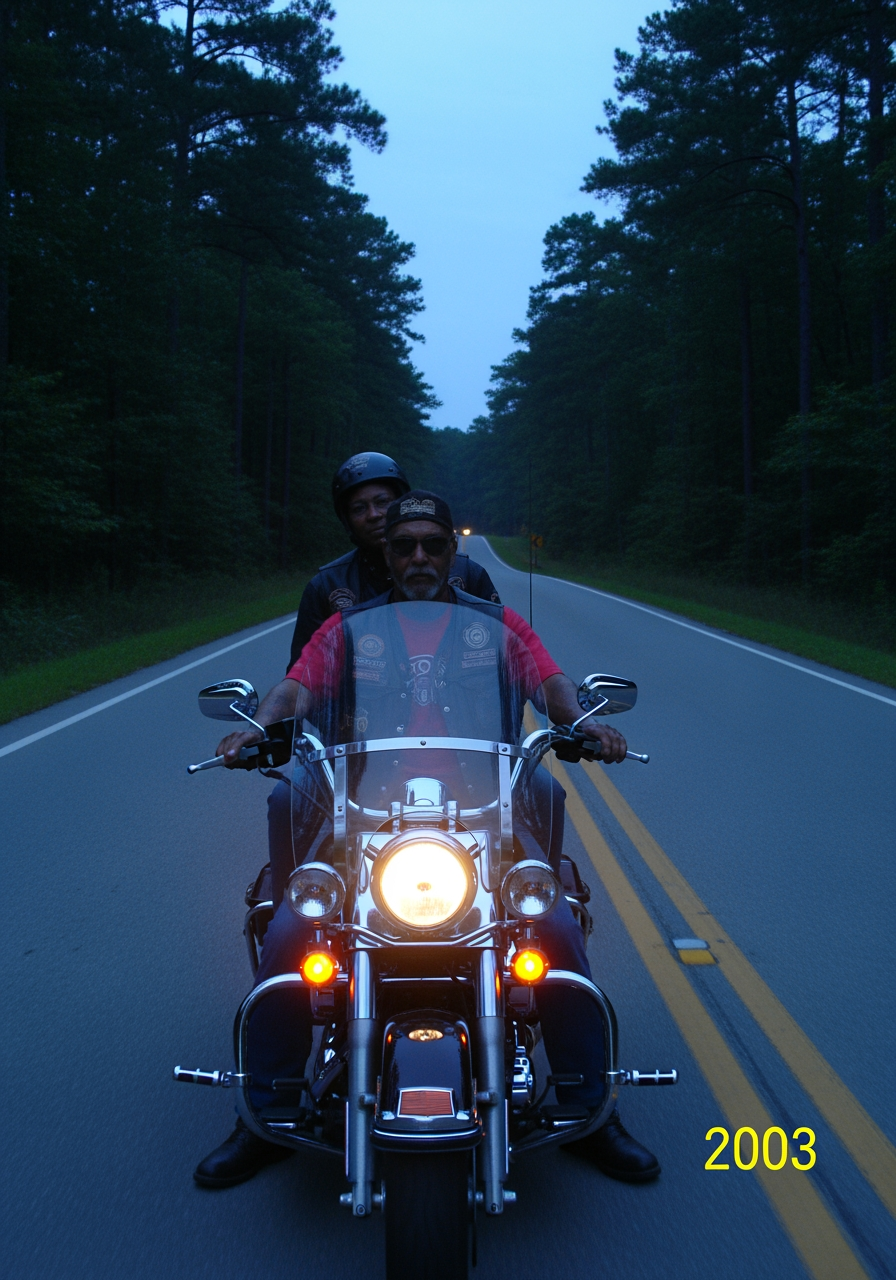
Engagement
Caption this. Two riders, one parking spot, zero chill. How does this end? Best caption wins.
#RideNationColumbia #CaptionThis #BikerHumor #SCRiders
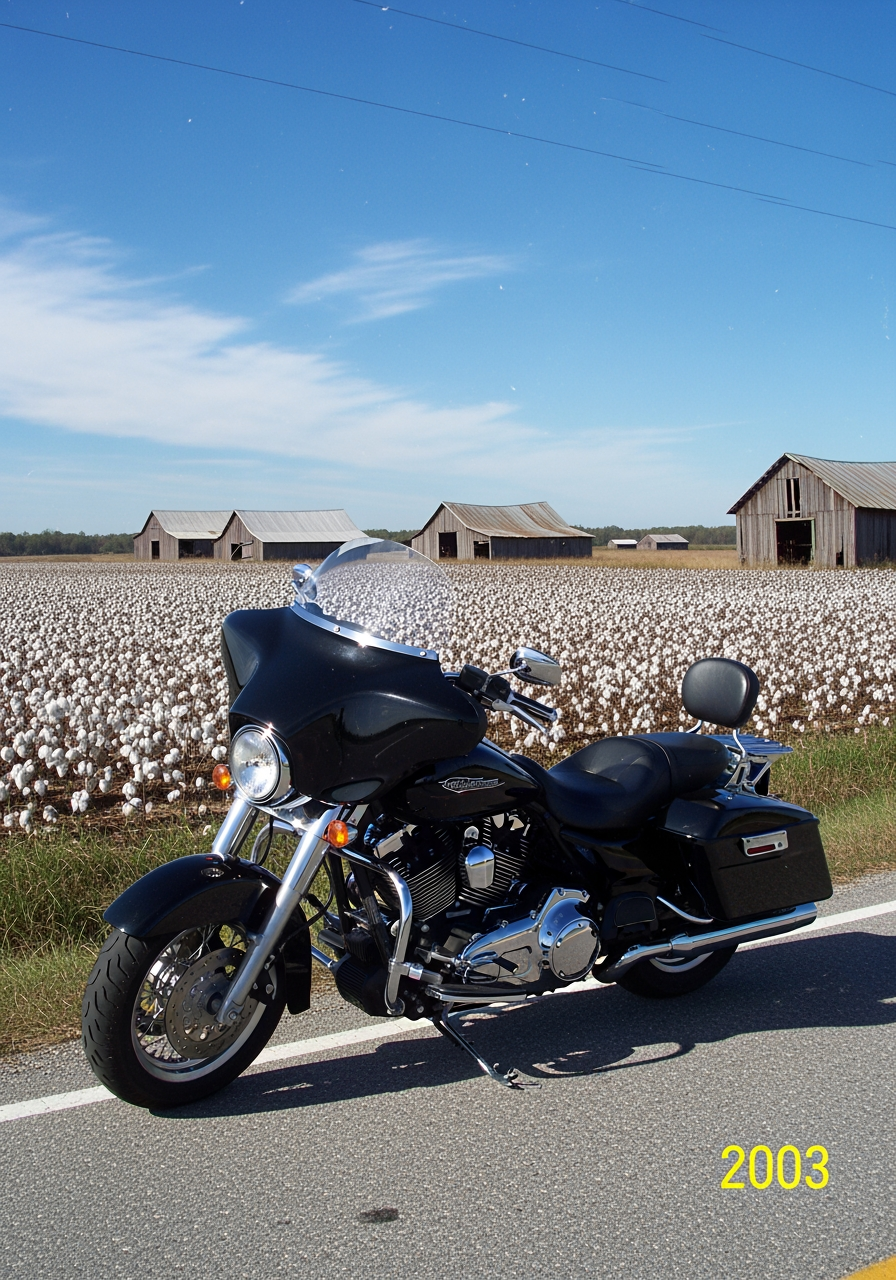
Gear & New Iron
Hydration packs are quietly the best long ride upgrade nobody mentions. A two or three liter bladder on your back means you sip through the bite valve at every light instead of skipping water until the next gas stop, and dehydration in SC heat sneaks up fast, hitting your focus before you even feel thirsty. Bonus, the pack hauls a rain layer and your phone. Stay sharp by staying hydrated on those long Grand Strand runs. Pack or bottle, how do you carry water?
#RideNationColumbia #Hydration #SummerRiding #RideSmart
Safety & SC Law
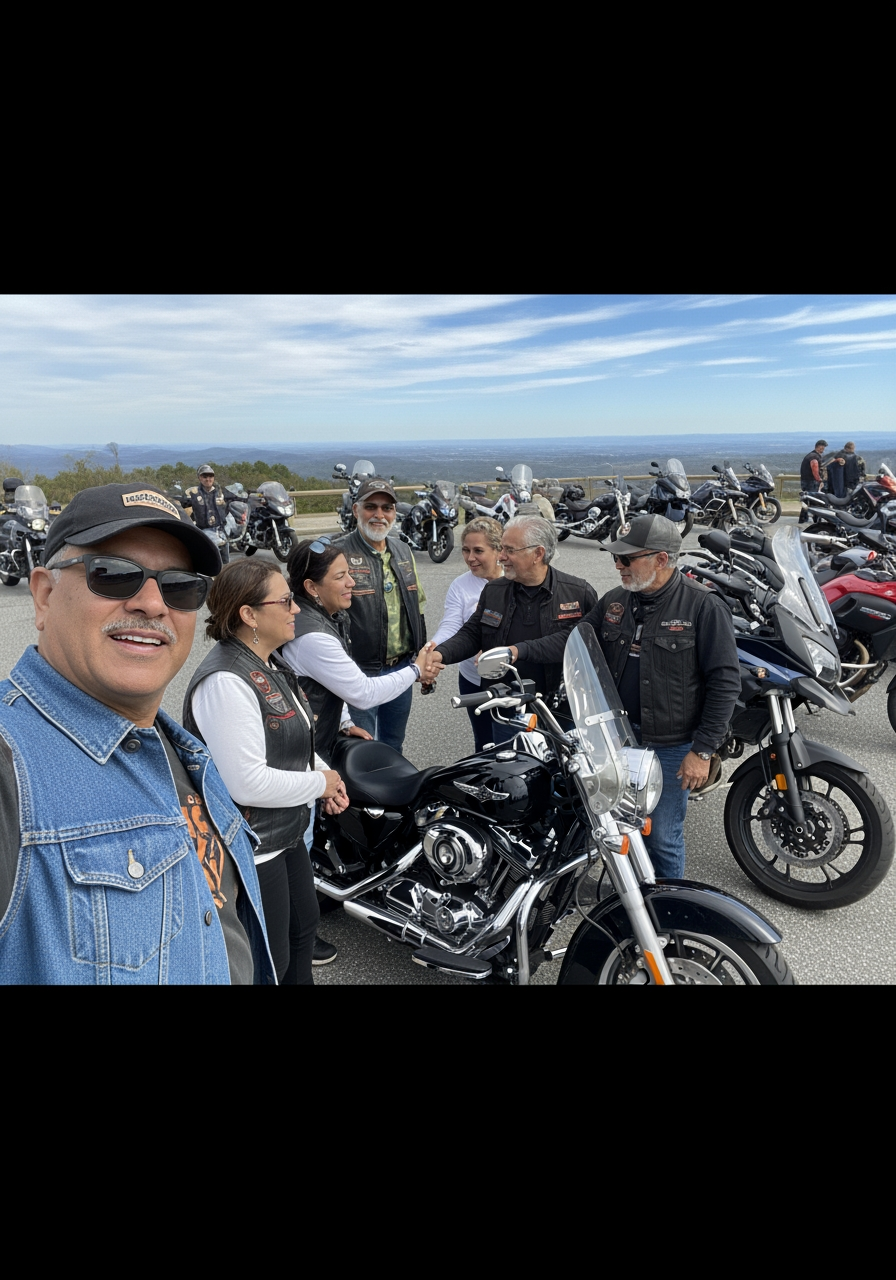
You ride with us, so here is a name worth keeping in your phone.
Michael Jeffcoat and The Jeffcoat Firm have been standing up for injured South Carolinians since 1999, with more than 90 million recovered, and they are a member of the National Academy of Motorcycle Injury Lawyers. That means they actually get how anti-rider the system can be when you go down.
Hopefully you never need the number. But put it in your phone anyway. (803) 200-2000.
Ride safe out there Ride Nation.
#RideNationColumbia #SCMotorcycle #RideSafe #SCRiders
Local SC & Rides
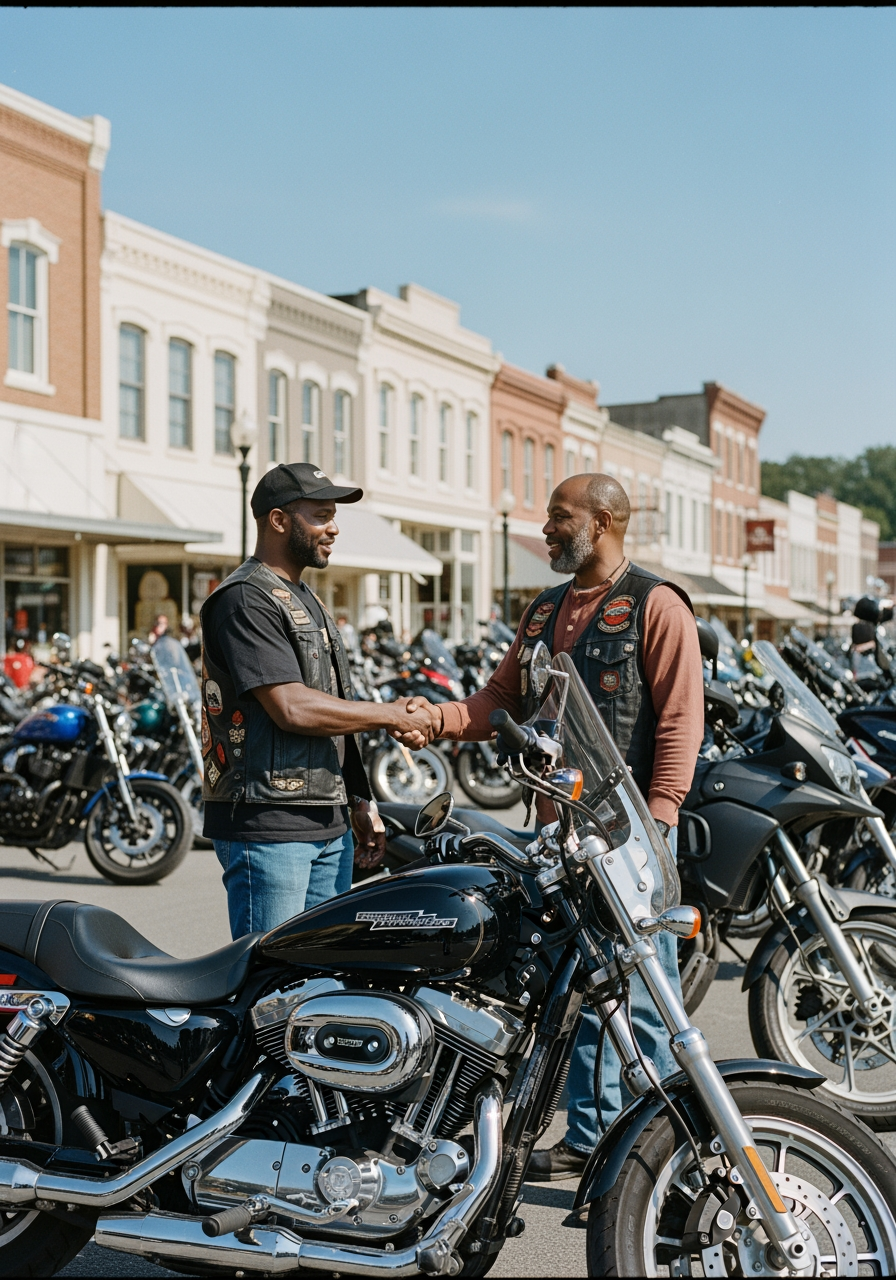
Coastal salt air and an open US-17 throttle is therapy you cannot buy. The Grand Strand stretch where the marsh opens up to the ocean just clears your head. Some rides fix things words cannot. Where do you go on two wheels to reset? Tell us below.
#RideNationColumbia #US17 #GrandStrand #SouthCarolinaRiding
Giveaway & Countdown
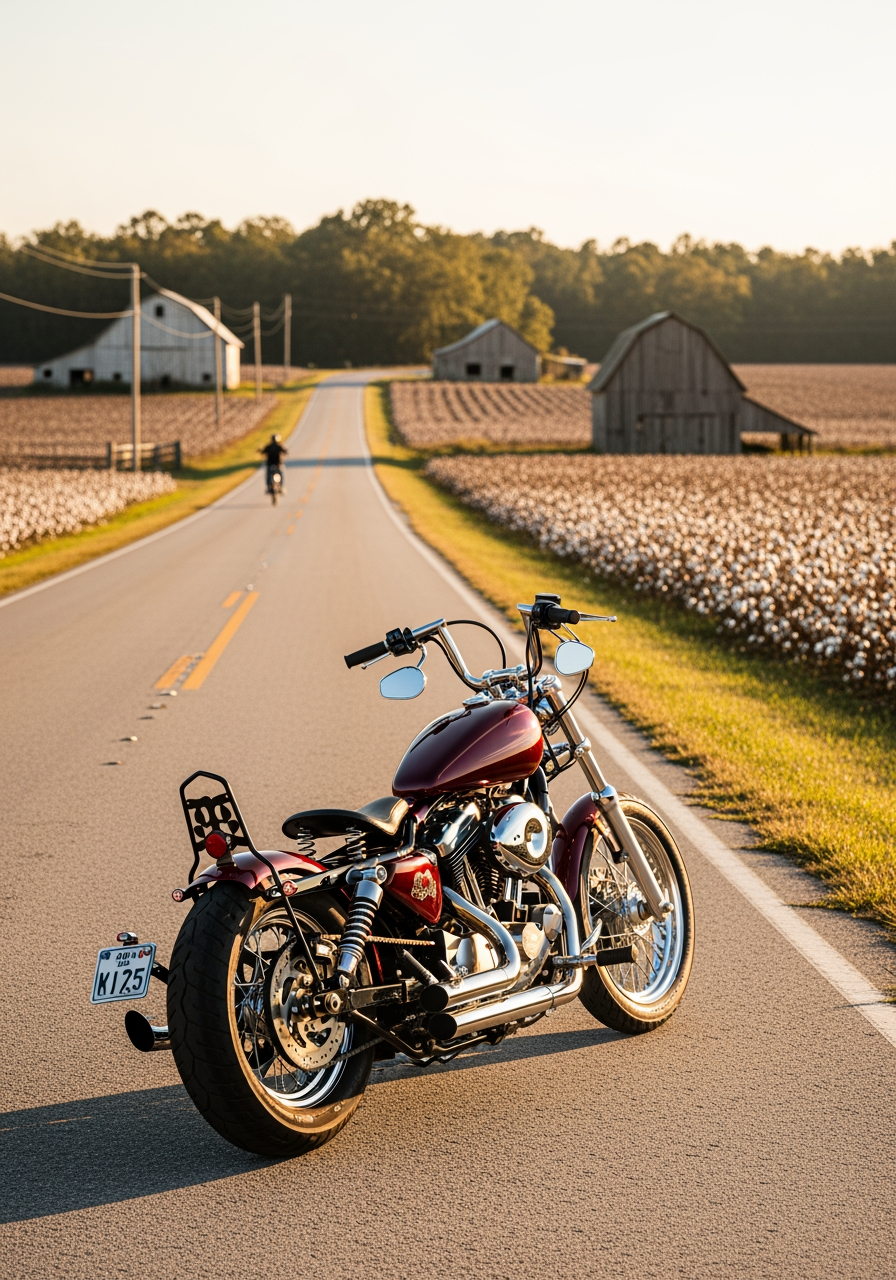
Last call thought of the week. Six months from now one South Carolina rider gets $20,000 toward any bike from BikersWin. The only riders with zero chance are the ones who never entered. Be the opposite of that. Link in the comments. 🏆 #RideNationColumbia #BikersWin #Countdown #SCriders
Engagement
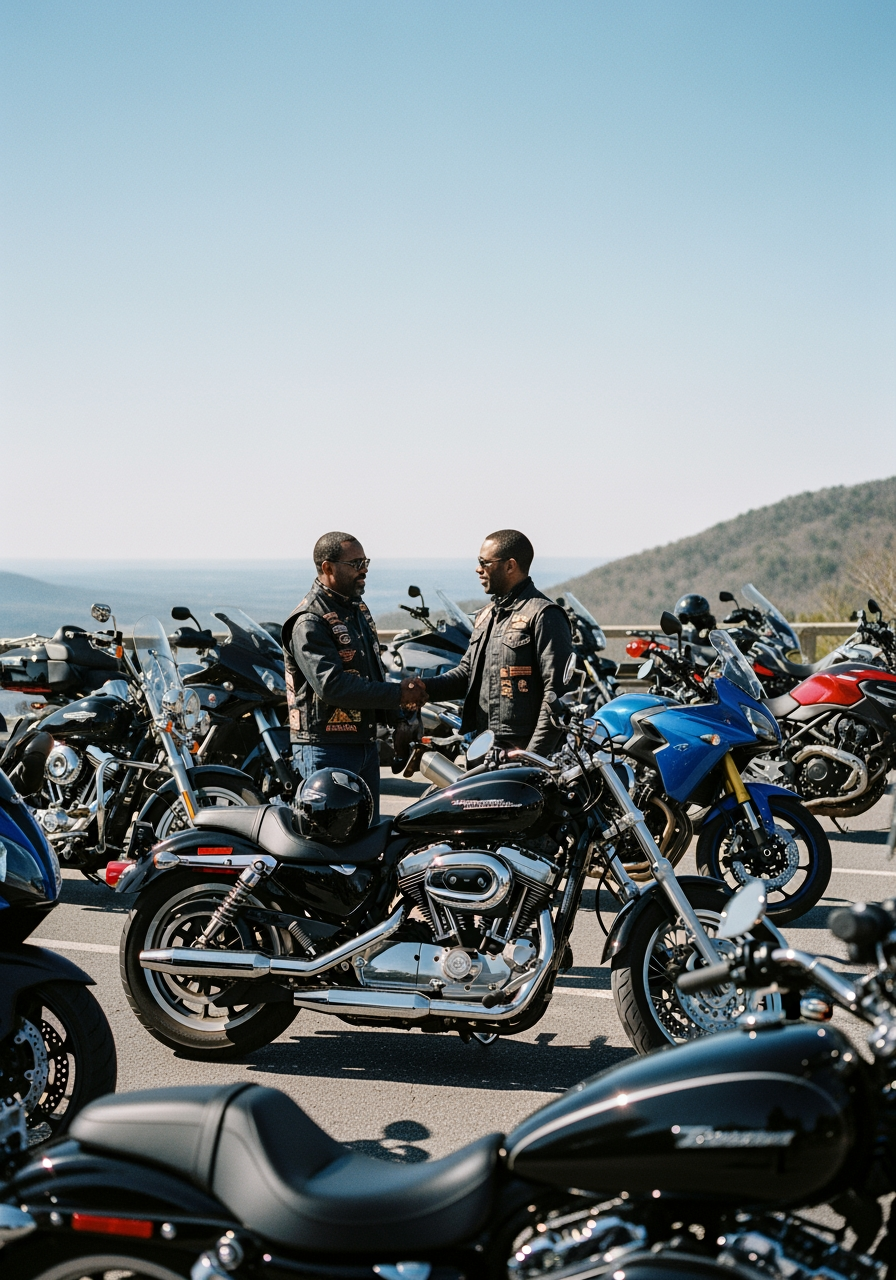
Would you rather only ever ride one perfect bike forever, or swap to a new bike every single year? Loyalty or variety. Drop your answer.
#RideNationColumbia #WouldYouRather #SCRiders #MotorcycleLife